

Study finds that intestinal circadian clocks become misaligned by off-schedule eating, causing gastrointestinal issues
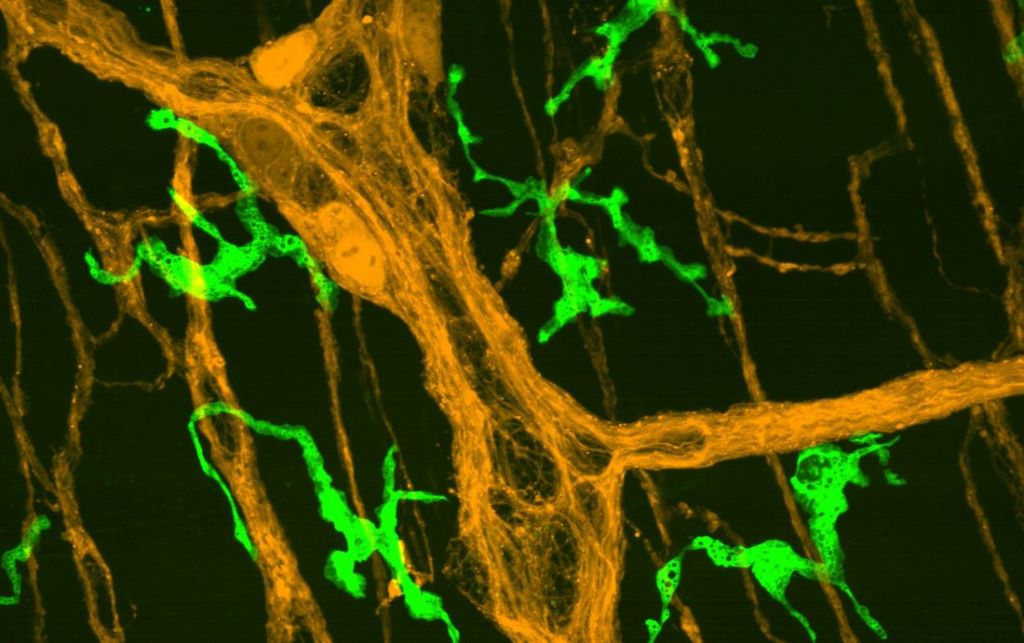
Eating when the body is normally asleep appears to desynchronise the circadian clocks of different cell types in the intestines, a UT Southwestern Medical Center study suggests. The findings, published in PNAS, could help explain why shift work, jet lag, and other environmental stressors that affect circadian rhythms are associated with irritable bowel syndrome, inflammatory bowel disease, constipation, and other gastrointestinal disorders.
“Understanding how intestinal circadian clocks become misaligned may ultimately guide strategies involving meal timing, circadian-based therapies, or dietary interventions to improve gastrointestinal and metabolic health,” said Yuuki Obata, PhD, Assistant Professor of Immunology and Neuroscience at UT Southwestern. Dr Obata co-led the study with Shin Yamazaki, PhD, Professor of Neuroscience.
Research in the 1990s and 2000s showed that a region of the brain known as the suprachiasmatic nucleus (SCN) acts as a master timekeeper for the body, setting various cellular processes to occur rhythmically on a 24-hour period based on cycles of light and darkness. However, in 2000, Dr Yamazaki and his colleagues showed that cells throughout the body have their own autonomous circadian clocks that are influenced both by signals from the SCN and environmental cues.
In line with this idea, research has shown that the intestines have their own rhythms that can be influenced by a variety of factors, such as timing of meals. These findings were made using whole intestinal tissue, Dr Obata explained, but the intestines contain a variety of cell types – including muscle, nerve, and immune cells. It’s been unclear whether each of these populations has its own circadian clock and if they run on the same schedule.
To find out, Drs Obata and Yamazaki monitored novel mice with set 12-hour cycles of light and dark. They were engineered by Joseph Takahashi, PhD, Chair and Professor of Neuroscience at UT Southwestern, and his colleagues in the Takahashi Lab. Five intestinal cell types – enteric neurons, enteric glial cells, interstitial cells of Cajal (ICCs), smooth muscle cells, and muscularis macrophages – glowed green when a key circadian clock gene called Per2 was active. Although food was available at all times, the mice ate about 80% of their meals at night due to their nocturnal nature.
After about a week in this environment, the researchers observed intestinal cells glowing green at approximately the same times, suggesting the different cell populations had their own autonomous circadian clocks that cycled in sync. But when the researchers made food available only for four hours in the daytime – forcing the mice to eat at abnormal times – Per2 activity shifted to match this new rhythm in every cell population except for the ICCs. These cells resisted changes to their circadian clock, staying out of sync with the other cell types for weeks.
Such asynchrony may also occur in people who eat outside the body’s usual circadian rhythms, such as night shift workers or those who fly to different time zones. Because ICCs play a key role in intestinal motility, their resistance to adapt to a changed circadian clock could affect digestive and metabolic function.
Finding a way to synchronise the different intestinal cell populations through diet, probiotics, or drugs could eventually help ease the gastrointestinal problems associated with altered circadian timing, the researchers said.
Source: UT Southwestern Medical Center
