Day: November 20, 2025

Two New Antibodies to Treat Inflammatory Autoimmune Diseases

Antibodies by Pikisuperstar on Freepix

An international research group directed by UMC Utrecht have developed and characterised two first-in-class antibodies that specifically block the high-affinity IgG receptor FcγRI. Their findings open new perspectives for therapeutic modulation of FcγRI-driven inflammation in autoimmune diseases such as rheumatoid arthritis (RA), systemic lupus erythematosus (SLE) and immune thrombocytopenia (ITP).

FcγRI, also known as CD64, is a high-affinity receptor on myeloid cells that binds to the Fc region of immunoglobulin G (IgG) antibodies. It plays a key role in immune defence by triggering cellular functions such as phagocytosis and cytokine production. In a normal immune response, FcγRI is activated by immune complexes – clusters of antibodies bound to pathogens, which mark them for clearance. In autoimmune diseases, however, the immune system mistakenly targets the body’s own tissues (such as joint proteins in RA, nuclear antigens in SLE, or platelets in ITP), which results in the production of autoantibodies that form immune complexes. These misdirected complexes activate FcγRI unnecessarily, driving chronic inflammation and subsequent tissue damage.

The study, led by Prof Jeanette Leusen, PhD from the Antibody Therapy research group at the Center for Translational Immunology (UMC Utrecht) and carried out by PhD candidate Tosca Holtrop MSc, was a true team effort, in collaboration with experts from Kiel University (Germany), Leiden University Medical Center, Utrecht University, and Friedrich-Alexander University Erlangen-Nürnberg (Germany).

Discovery of first-in-class antibodies

For over 30 years, scientists have tried to generate antibodies against the IgG-binding domain of CD64, but the receptor’s extremely high affinity for IgG made this impossible with earlier technologies. Combining the UMAB unique immunisation method with novel phage display antibody libraries, the team bypassed this challenge by excluding the Fc region of the antibodies. This allowed them to discover two unique Fc-silent antibodies, C01 and C04, that bind purely via their Fab domains to FcγRI. Crystal structural analysis confirmed that C01 binds precisely within the IgG-binding site on EC2, making binding mutually exclusive.

High affinity for FcγRI

Quantitative binding studies revealed that both antibodies have higher affinity for FcγRI than human IgG, allowing them to efficiently displace IgG or pathogenic immune complexes up to 60 percent and block binding up to 90 percent. Importantly, neither antibody triggered FcγRI activation, a critical distinction from earlier anti-FcγRI antibodies, which could inadvertently trigger receptor clustering and cytokine release.

Subsequently. an in vitro model for immune thrombocytopenia was set-up, where C01 and C04 effectively inhibited opsonized platelets from binding to immune cells from ITP patients. In a preclinical in vivo ITP model, the antibodies significantly reduced IgG-dependent platelet depletion. The antibodies were also tested in an in vitro rheumatoid arthritis models, where they effectively inhibited patient-derived autoantibody–immune complex binding to monocytes, macrophages, and neutrophils from healthy donors.

Promising therapeutic candidate drugs

The study demonstrates that direct Fab-mediated inhibition of FcγRI is feasible and effective, opening a new avenue for treating autoimmune diseases characterised by IgG-autoantibody complexes. By preventing immune complex–driven activation without triggering the receptor, C01 and C04 represent a promising next step toward targeted, inflammation-sparing immunotherapy. “I think we found the needle in the haystack, after searching over a decade and thanks to a true team effort,” says Jeanette Leusen, principal investigator of the study. “Each research partner contributed a critical piece, from antibody discovery and structure determination to patient sample testing and preclinical models. Only together could we bring this to fruition. These antibodies not only provide a unique tool for studying FcγRI biology, but also hold promise as therapeutic candidates in autoimmune and infectious diseases.”

Source: University Medical Centre Utrecht

Discovery May Transform What Time of Day Doctors Induce Labour

Photo by Jonathan Borba on Unsplash

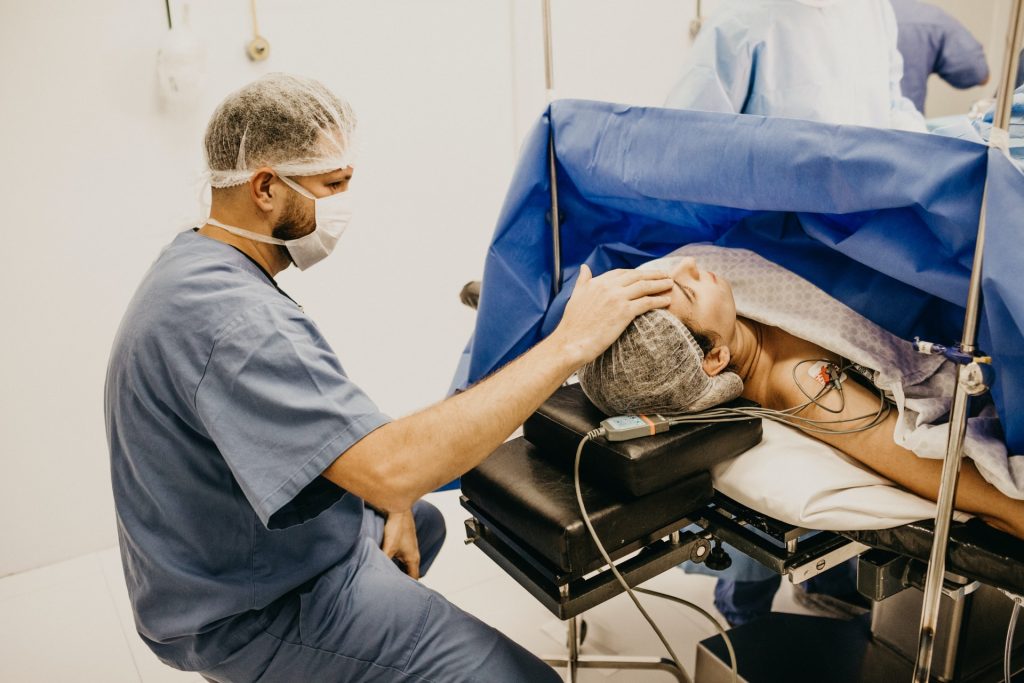
In a discovery that could shift labour and delivery practices around the world, researchers at Michigan State University have found that the effectiveness of oxytocin, used to induce or speed up labour, depends on the time of day it’s administered, especially for patients with gestational diabetes.

The study, published in Molecular Metabolism, combined laboratory research in mice and human cells with a retrospective review of more than 2300 pregnancies. The results were striking. Women whose labours were induced in the early morning to around noon experienced significantly shorter labour durations than those induced around midnight. For patients with gestational diabetes, the timing difference amounted to as much as seven hours.

“Our findings suggest timing isn’t just about scheduling – it can affect how well a patient’s uterus responds to labour-inducing medication,” said Hanne Hoffmann, associate professor of animal science at MSU and lead author of the study.

The science behind the clock

At the centre of the discovery is BMAL1, a key circadian rhythm gene that helps control the body’s biological 24-hour clock. In mice, the researchers showed that BMAL1 helps regulate the oxytocin receptor in the uterus, which is the same receptor that synthetic oxytocin targets to trigger contractions. When the gene was turned off or suppressed, either genetically or through a mouse model of gestational diabetes, oxytocin was significantly less effective at inducing contractions.

“We were able to show that BMAL1 directly controls the oxytocin receptor, which helps explain why time of day changes the drug’s effectiveness,” Hoffmann said. “This is the first study to make that molecular connection in the uterus.”

In human cell experiments, MSU scientists observed a circadian rhythm of contraction responses to oxytocin confirming what had previously only been speculated.

Real-world implications for labor and delivery

The team also analysed labour and delivery records from Sparrow Health System in Lansing, Michigan, focusing on more than 2300 patients who were at least 39 weeks pregnant. Labour duration was compared across different time windows of the day and between patients with and without gestational diabetes.

The shortest labours occurred when induction started between 8 a.m. and noon and the longest when induction began between midnight and 4 a.m. This effect was especially dramatic in patients with gestational diabetes, suggesting reduced oxytocin sensitivity during nighttime hours.

“This isn’t about convenience,” Hoffmann said. “It’s about optimising outcomes. If we can better align medical interventions with a patient’s internal clock, we may improve safety for both mother and baby, while potentially being able to reduce the amount of a drug a woman receives.”

Hoffmann and her team are now expanding their research to a larger cohort to refine the optimal timing of labour induction. “Our ongoing work suggests that factors such as whether a woman has previously given birth and her BMI may further influence oxytocin’s effectiveness,” Hoffmann explained.

“By integrating these considerations with the time of day of drug administration, we can make labour induction safer, faster and more personalised. These simple, evidence-based steps could significantly improve delivery outcomes, lower the rates of caesarean sections and NICU admissions, and strengthen maternal and neonate recovery.”

The next phase of research will include a prospective study in collaboration with labour and delivery units to develop clear, practical guidelines for obstetricians to optimise induction timing. Ultimately, aligning medical care with the body’s natural rhythms has the potential to enhance not only birth outcomes, but the long-term health and well-being of mothers, babies and families – a cornerstone of a healthy and thriving population.

Source: Michigan State University

South Africa, PATH, and Wellcome Launch World’s First AI Framework for Mental Health at G20 Social Summit

Photo by Andres Siimon on Unsplash

As artificial intelligence (AI) increasingly enters the mental health space, from therapy chatbots to diagnostic tools, the world faces a critical question: can AI expand access to care without putting people at risk?

At the G20 Social Summit in Johannesburg, South Africa announced a landmark national effort to answer that question. The South African Health Products Regulatory Authority (SAHPRA) and PATH, with funding from Wellcome, have launched the Comprehensive AI Regulation and Evaluation for Mental Health (CARE MH) program to develop the world’s first regulatory framework for artificial intelligence in mental health.

CARE MH will establish a science-based and ethically robust regulatory framework that describes how AI tools need to be evaluated for safety, inclusivity, and effectiveness before they can be given market authorization and made available to potential service users. It aims to strengthen trust in digital health innovation and will serve as a model for other countries seeking to strike a balance between innovation and oversight.

 “You wouldn’t give your child or loved one a vaccine or drug that hadn’t been tested or evaluated for safety,” saidBilal Mateen, Chief AI Officer at PATH. “We’re working to bring that same standard of rigorous evaluation to AI tools in mental health, because trust must be earned, not assumed.”  

The framework will be developed and tested in South Africa, with the intention of extending its application across the African continent and to international partners.

“SAHPRA is proud to lead the development of Africa’s first regulatory framework for AI in mental health linked directly to market authorization,” said Christelna Reynecke, Chief Operations Officer of SAHPRA. “Our true goal is even more ambitious, though; we want to create a regulatory environment for AI4health in general, one that keeps pace with innovation, grounded in scientific rigor, ethical oversight, and public accountability.”

“Millions of people across the globe are being held back by mental health problems, which are projected to become the world’s biggest health burden by 2030,” said Professor Miranda Wolpert MBE, Director of Mental Health at Wellcome. “CARE MH is a vital step toward ensuring that AI technologies in this space are safe, effective, and equitable.”

The goal is simple: help more people, safely.

Through CARE MH, the partners behind this initiative are setting the foundation for the next generation of ethical, evidence-based AI in mental health. Supported by global experts from the following institutions:  Audere Africa, African Health Research Institute, the UK’s Centre for Excellence in Regulatory Science and Innovation for AI & Digital Health, the UK Medicines and Healthcare products Regulatory Agency, University of Birmingham, University of Washington, and the Wits Health Consortium, CARE MH is built to protect and empower people everywhere.

Better Brain Health: UP Neurosurgeon Develops Non-invasive, Eye-based Method to Measure Intracranial Pressure

Prof Llewellyn Padayachy is pioneering work in non-invasive techniques to assess and measure raised pressure inside the skull.

Paediatric neurosurgeon Professor Llewellyn Padayachy, Head of the Department of Neurosurgery at the University of Pretoria’s (UP) Steve Biko Academic Hospital, is redefining how brain-related diseases are diagnosed and treated, especially in low-resource settings. He’s at the forefront of pioneering work in non-invasive techniques to assess and measure raised pressure inside the skull, known as intracranial pressure (ICP).

As part of his PhD 15 years ago, Prof Padayachy set out to find safer methods for earlier diagnosis of brain tumours in children, a patient group that often presented far too late, with tumours already dangerously large. This trend of delayed diagnosis shifted his research focus to detecting raised ICP, pressure within the skull – a critical marker when diagnosing life-threatening neurological conditions. Traditionally, assessing this pressure involves invasive procedures and highly specialised equipment, resources that are often unavailable in rural or primary care settings.

“Ultimately, this non-invasive system offers a ‘thermometer for the brain’ – a simple yet powerful diagnostic tool that enables earlier treatment, better outcomes and more equitable healthcare access,” Prof Padayachy explains. “This research provides a lifesaving bridge between innovation and accessibility, especially on a continent where neurosurgery is severely under-resourced.”

At the heart of this innovation is the concept of the eye as a window to the brain. Initially using ultrasound imaging to measure the optic nerve sheath – along with technologies like optical coherence tomography (which uses light waves to take cross-sectional images of eye tissue), intraocular tonometry (to measure pressure inside the eye) and retinal scanning – his team has refined methods for non-invasively assessing ICP, without radiation or surgical intervention. This offers a faster, safer and more portable method for diagnosing neurological diseases.

Prof Padayachy’s initial work has since expanded to include adult patients, and now plays a crucial role in
identifying a range of central nervous system disorders, including brain tumours, hydrocephalus, infections and intracranial bleeding, conditions where early detection is essential for effective treatment.
This non-invasive approach has major benefits for both patients and health systems.

Early detection of conditions like brain tumours and hydrocephalus allows for intervention when symptoms are still mild and treatment is most effective. Detecting tumours earlier is the best modifier of outcome.

This eye-based technique is designed for point-of-care diagnosis. It is a simple, rapid method that can be employed in GP practices, rural clinics or by assistant nurse, with minimal training. By analysing high volumes of data using machine-learning algorithms, a “traffic light” system has been developed to streamline diagnosis: green for normal, orange for uncertain and red for urgent intervention.

The reduced risk and cost of this approach eliminates the dangers of invasive testing and reliance on expensive imaging tools like magnetic resonance imaging (MRI) and computed tomography (CT) scans, which are often unavailable in rural areas.


It can support broader disease management by aiding in the diagnosis of not just tumours but various central nervous system disorders, including bleeds, infection, strokes and traumatic brain injuries. This technology is also being tested in countries like Norway and Germany, and is applicable to astronauts who experience raised intracranial pressure in microgravity.

A solution for Africa, with global impact

According to the World Health Organization (WHO), more than two billion people around the world lack access to safe surgical care, with low- and middle-income countries carrying the greatest burden. Africa faces immense challenges in neurosurgery, such as severe underfunding, a lack of training positions and a high burden of disease.

There is one neurosurgeon per four million people, far below the WHO’s recommendation of one per 200 000. This shortage, compounded by the lack of a central brain tumour registry and limited access to diagnostics, severely impacts patient outcomes. In South Africa alone, limited infrastructure and only a handful of neurosurgical training posts mean that even the brightest medical talent can be lost in the system.

“We have more than 70 applicants for a single registrar training post,” Prof Padayachy says. “This is completely inadequate. This research demonstrates how innovation born out of necessity can help us overcome these hurdles.”

This non-invasive technique isn’t just capable of transforming care in Africa; its application in diagnosing visual impairment due to raised intracranial pressure in astronauts, where a conventional tool like lumbar puncture is difficult to use, highlights its versatility. Ultrasound, which is portable and radiation-free, is the only imaging modality suitable for space. The same “thermometer for the brain” now being tested in orbit began in the clinics of South Africa.

“With the right support, we can create a self-sustaining model for research in Africa, by Africans,” Prof Padayachy says. “We certainly have the talent, and we can develop the tools to lead the world in non-invasive brain diagnostics.”

Life Imitates Art: Google Searches for Lorazepam Spiked with TV Show

Photo by Steinar Engeland on Unsplash

In season three of the hit television series The White Lotus, the character Victoria Ratliff takes the prescription anti-anxiety medication lorazepam to help with her social anxiety and inability to sleep. Her casual usage of the powerful benzodiazepine – often in combination with white wine – leads to her becoming visibly loopy, slurring her words, and falling asleep at dinner.

A recent study led by researchers at University of California San Diego has found that the show’s portrayal of lorazepam use was associated with a surge in Google searches for the medication, including queries related to acquiring it online.

The findings, published in JAMA Health Forum, suggest that the show generated 1.6 million more searches for lorazepam over a 12-week period than what would normally be expected for the time period. This increase in interest was not observed for other commonly prescribed benzodiazepines, such as alprazolam and clonazepam, which were not mentioned in the show.

“It’s a really interesting phenomenon of how entertainment media can really reflect and drive human behavior,” said lead author Kevin Yang, M.D., resident physician in the Department of Psychiatry at UC San Diego School of Medicine.

The study also analyzed searches for how and where to acquire lorazepam online.

“We saw significant increases in searches related to acquiring lorazepam as well,” said senior author Eric Leas, Ph.D., M.P.H., assistant professor at UC San Diego Herbert Wertheim School of Public Health and Human Longevity Science and affiliate faculty at Qualcomm Institute. “It shows that there might be a subset of people that are actually wanting to figure out how to obtain that medication online.”

During the course of the season, Victoria Ratliff offers lorazepam to her husband Timothy, who eventually steals her pills and develops a dependence on the drug amid a personal financial crisis.

“Not only would he take it, but he would also combine it with alcohol, which we know is very dangerous,” said Yang. “ For the treatment of anxiety, lorazepam is typically prescribed for the short term  because long-term use can lead to tolerance and dependence as well as misuse. Studies have shown that almost one in five people who are prescribed benzodiazepines eventually end up misusing them.”

That’s concerning because the show emphasized the benefits of lorazepam usage, not the potential risks, such as dependence, respiratory depression and cognitive impairment, according to Yang.

“It didn’t really portray any of the adverse effects that might come from taking too much or from stopping it all of a sudden,”  he said.

Yang recommends that the entertainment industry and show producers take note of the potential impact of depicted drug use on viewer behavior and develop best practices around this type of content, which could include warnings at the beginning and the end of each episode. He also recommends that search engines provide informational warnings when people search for how to obtain the drug online, focusing on accurate, evidence-based information and support resources.

For viewers, Yang suggests taking a skeptical approach when searching for information online.

”My suggestion would be to take everything that is portrayed in the media, whether that’s on TV, film or in music, with a grain of salt,” he said. “It’s only showing one aspect of the medication, and that there are possible downsides. But ultimately, for things like medications, it’s important to talk with your doctor.”

The study was published on November 14, 2025 in JAMA Health Forum.

Source: University of California – San Diego