Month: May 2025

Cape Town Study Brings Hope to Newborns Left Behind in HIV Treatment Advances

Professor Adrie Bekker explains the findings of a study on two novel formulations for the administration of dolutegravir in babies born to mothers living with HIV. (Photo: Biénne Huisman/Spotlight)

By Biénne Huisman

Research led by Professor Adrie Bekker is paving the way for an important HIV medicine to be made available to neonates in a way that is both safe and much more convenient than previous options. Spotlight met with the passionate clinician-scientist at her office in Cape Town.

Two new ways of giving the important HIV medicine dolutegravir to newborn babies have been found to be safe and effective, according to new research done in Cape Town. The new findings support for the first time the broader use of dolutegravir in infants who are less than 28 days old.

Dolutegravir is recommended by the World Health Organization (WHO) for infants, children and adults and is the preferred HIV medicine in South Africa. It exists in a scored 10 milligram child-friendly dispersible tablet. But until now, there hasn’t been any guidance on how to safely use it for newborns in their first four weeks of life. A study called PETITE-DTG aimed to bridge this critical gap in neonatal HIV care.

Forty-one full-term babies, each weighing at least 2 kilograms and born to mothers receiving dolutegravir-based HIV treatment, were enrolled in the study at Tygerberg Hospital to test two paediatric formulations of dolutegravir.

The first method involved using a 5 milligram dispersible tablet dissolved in 5 millilitres of water and given every second day for the first 14 days of life, then once daily until the baby was four weeks old. This was administered with a syringe.

The second method involved using a novel 5 milligram mint-flavoured film the size of a fingernail that dissolves on the tongue in seconds. It followed the same dosing schedule as the first method.

Findings showed that both formulations were safe and effective, achieving drug concentrations comparable to adults receiving 50 milligram of dolutegravir twice daily.

The study’s findings were presented at the Conference on Retroviruses and Opportunistic Infections in March. Researchers are currently writing up the final results of the study for publication in a peer-reviewed medical journal.

Professor Adrie Bekker, a neonatologist from the University of Stellenbosch is co-principal investigator of the PETITE-DTG study alongside Dr Tim Cressey, a clinical pharmacologist from the University of Chiang Mai in Thailand.

“The study results confirmed that the regimen [both 5 milligram dolutegravir formulations] was safe, effective, and highly acceptable to mothers, with the dolutegravir film being particularly easy to administer,”

says Bekker, speaking to Spotlight in her office at Stellenbosch University’s medical campus next to Tygerberg Hospital.

In examining dosing safety and efficacy, she says that the study found that both formulations “achieved target concentrations” in the neonates, without the newborn babies experiencing any adverse effects related to the medicine. All neonates were HIV negative at the end of the study.

Babies born to a mother living with HIV may need antiretroviral medicines for the prevention or treatment of HIV. Bekker explains that neonates are currently given an older type of liquid HIV medication that doesn’t taste good, costs more than dolutegravir, is harder to give properly, and can’t be stored for long.

The novel film method was popular with mums in the study, who cited its simplicity of administering and dose accuracy as highly advantageous, with no risk of the medicine being spit out or other spillage.“I wash and dry my hands and I cut the paper, it’s quick. As soon as I put it on his tongue, it just dissolves in a few seconds, he enjoys it,” said one mother, as quoted on a poster highlighting the results of the study.

Commenting on the film strip, Bekker notes it is one of the least disruptive ways to give medication.

“So what has been amazing to me is that the babies seem to be completely oblivious of what is happening when the mother puts the film in their mouth,” she says pointing out a video clip on her desktop of a film strip being placed in a tiny baby’s mouth.

“If they were crying, they would just keep on crying. If they were sleeping, they would just keep on sleeping. If they were happy, they would just keep on being happy. It really is the most unintrusive way of administering medication.”

Bekker says the colourless dolutegravir film is made by the Indian multinational pharmaceutical company Laurus Labs. Previously, it had only been tested in adults and is not yet commercially available. “It’s actually never even been used in children…And so our study for the first time tested the dolutegravir film in newborns to see what drug levels are found in a baby when you use it,” she says.

She says the research findings have been presented to the World Health Organization (WHO) and expects they will be included in the organisation’s upcoming updated dosing guidelines for infants and children.

Commenting on dolutegravir for neonates, Bekker says: “I think the first step is to actually get this recommendation into the WHO guidelines. As soon as the WHO releases their updated HIV guidelines, then countries can decide whether they want to adopt it or not.”

Commenting on the availability and possible roll-out of dolutegravir for neonates, she adds: “The generic 10 milligram dolutegravir scored dispersible tablet is already available and being used in children. What we’ve shown now is that 5 milligram of dolutegravir with this dosing strategy is safe for neonates…The film is a bit more complicated because it is not yet commercially available. And we don’t know the price of the drug; all of that will need to be discussed and negotiated with the company and relevant parties before it can become available.”

The PETITE-DTG research has been welcomed by fellow scientists.

“Adrie Bekker and her colleagues at Tygerberg Hospital and in Thailand have done great work and are really moving the field forward for neonatal antiretroviral treatment,” says Associate Professor James Nuttall, a paediatric infectious diseases sub-specialist at the Red Cross War Memorial Children’s Hospital and the University of Cape Town.

He says the research “provides really nice information about how we could use our existing drugs to treat neonates, potentially”.

Nuttall described the new film as extraordinary, and suggested that it might eventually replace the current drug formulations.

For Nuttall though, making provision for using a pill like the scored 10 milligram dispersible tablet that’s already available and routinely used to treat children in South African hospitals is more immediately relevant. “Using this 5 milligram dispersible tablet in neonates and working out the dosing schedule for that, that’s the real advance of this study to me, the big win.”

He anticipates these findings to be implemented in South Africa in the next few years. “From what I understand, she [Bekker] has presented this to WHO already. And once it gets accepted and included into WHO guidelines, then countries tend to really take note and follow, that’s when it makes its way into national guidelines…”

While the study focused on healthy full-term babies weighing at least two kilograms, Nuttall noted that many babies born to mothers living with HIV are either premature or have low birth weight. “So this dosing and safety information doesn’t yet apply to those children,” he said.

Bekker already has her eye set on assessing dosing safety for pre-term newborns. “So obviously our dream is to extend this to pre-term babies,” she says. “And there is a possibility that a 2.5 milligram dolutegravir film may be a good dose for pre-term neonates. Obviously, that will have to be studied very rigorously first.”

Other research goals include the hope of being involved in studies assessing long-acting antiretroviral drugs in neonates. Bekker notes that the WHO-led Paediatric Drug Optimisation group identified long-acting cabotegravir injectables as a high research priority for HIV prevention in neonates. She adds that developing patches with tiny microneedles that deliver HIV medication could hold great promise for treating newborns in the future.

Commenting on the PETITE-DTG study, Dr Moherndran Archary, who has been at the forefront of South Africa’s HIV response for children, said: “Professor Bekker’s research has directly impacted access to life-saving HIV medication for newborn infants – the most vulnerable of populations who have not traditionally benefited from the significant advances in HIV treatment.”

The PETITE-DTG study is one of many under the Unitaid-funded BENEFIT Kids project aiming to improve treatment for children with HIV or multidrug-resistant tuberculosis. UNITAID is a global health initiative that, amongst others, funds research and helps facilitate the more rapid introduction of new health technologies.

Republished from Spotlight under a Creative Commons licence.

Read the original article.

Quit Like Sweden Urges SA to Back Harm Reduction, Amend Tobacco Bill

Photo by Sara Kurfess on Unsplash

CAPE TOWN, 7 May 2025 | As South Africa pushes forward with new tobacco control legislation, leading global health experts are urging the nation not to overlook a crucial, evidence-based approach that is transforming public health outcomes in countries like Sweden and New Zealand.

At an event hosted today by Quit Like Sweden (QLS) in Cape Town, public health leaders, policymakers, and harm reduction advocates gathered to present a compelling alternative to traditional tobacco control: one that supports adult smokers in transitioning to safer alternatives.

Quit Like Sweden Founder and Director, Suely Castro, said: “For decades, we’ve relied on the same toolbox: bans, taxes, and restrictions. Yet in many countries, smoking rates have stalled. Sweden took a different path—one that empowered smokers with options. The result? A smoking rate of just 5.3% and the lowest tobacco-related death rate in Europe. South Africa deserves the same success story.”

Sweden’s tobacco harm reduction model prioritises the accessibility, acceptability, and affordability of safer alternatives, such as nicotine pouches, snus, and e-cigarettes, while maintaining traditional cessation and prevention efforts. This pragmatic balance has led Sweden to become the first country globally to almost achieve official smoke-free status.

Similarly, New Zealand has halved its smoking prevalence in just five years by supporting vaping and alternative nicotine products as a pathway out of smoking, particularly among vulnerable groups.

Leading international expert Clive Bates, said: “There are two main lessons to take from international experience. First, it is possible to radically reduce smoking and disease by driving out cigarettes with low-risk, smoke-free alternatives like snus, pouches, vapes or heated tobacco. Second, policies that try to stop these developments are prone to harmful unintended consequences such as more smoking, illicit trade or risky workarounds.”

QLS is calling on members of Parliament to ensure the Bill supports adult access to safer alternatives and includes a clear distinction between combustible tobacco and non-combustible nicotine products.

Suely Castro added: “We are not asking South Africa to blindly copy Sweden. But we are urging policymakers to seriously consider what’s working. Lives are on the line. And the evidence could not be clearer.”

About Quit Like Sweden

Quit Like Sweden is a non-profit platform dedicated to helping countries replicate Sweden’s success in reducing smoking-related harm through comprehensive, evidence-based strategies. Events have already taken place in Brazil, Malaysia, Poland, Japan, and Spain—now South Africa joins the growing movement.

Semaglutide Treats Liver Disease in Two Thirds of Patients

Human liver. Credit: NIH

Results from the ESSENCE phase 3 clinical trial published in the New England Journal of Medicine shows that treating patients with semaglutide can halt and even reverse the disease.

The placebo-controlled outcome trial of participants with a life-threatening form of liver disease known as Metabolic dysfunction associated steatohepatitis (MASH) was conducted at 253 clinical sites across 37 countries around the world. This is the first regulatory-level trial showing the benefit of semaglutide for people with MASH.

The trial is led by two Chief Investigators, Professor Philip Newsome at King’s College London and Arun Sanyal at the VCU School of Medicine, United States, and funded by Novo Nordisk.

Metabolic dysfunction-associated steatotic liver disease (MASLD), formerly known as non-alcoholic fatty liver disease (NAFLD), is a long-lasting liver condition caused by having too much fat in the liver. MASH is a more severe form of MASLD. It is closely linked with obesity as well as conditions such as type 2 diabetes and heart and circulatory disease. Over time, the build-up of fat in the liver can lead to inflammation, liver fibrosis, cirrhosis and liver cancer. MASLD affects 1 in 5 people in the UK but there are no medicines licensed to specifically treat the disease.

Researchers chose to investigate semaglutide as a potential treatment because this class of drug helps reduce fat and liver scarring for people with MASH. Previous smaller but positive studies by Professor Newsome, published in the Lancet and NEJM, had shown using semaglutide as a treatment for MASH would have benefit for these patients.

Between May 27, 2021 and April 18, 2023, 800 participants were randomly assigned to receive once-weekly injection of 2.4milligrams of semaglutide or placebo, alongside lifestyle counselling. More than half of participants had type 2 diabetes and approximately three-quarters were living with obesity.

Results from the ESSENCE trials after 72 weeks of treatment found 62.9% of participants experienced a reduction in steatohepatitis (inflammation of the liver with fat accumulation in the liver) versus 34.3% for participants who took the placebo. The results also show 36.8% of the semaglutide group had improvements of their liver fibrosis versus 22.4% in the placebo group. Researchers also found other benefits. Those receiving semaglutide also saw improvements in liver enzymes and other blood measures of liver fibrosis, as well as 10.5% weight loss. Gastrointestinal adverse events were more common in the semaglutide group, such as nausea, diarrhoea, constipation, and vomiting.

I’ve been working with GLP-1 treatments for sixteen years and these results are hugely exciting. MASLD is a growing problem worldwide and this trial will provide real hope for patients with MASH. While these results must be treated with caution, the analysis shows semaglutide can be an effective tool to treat this advanced liver disease.

Professor Philip Newsome, Director of the Roger Williams Institute of Liver Studies

The research team will follow close to 1200 participants from 37 countries for up to five years to gather data on semaglutide’s impact on long-term liver complications.

Source: King’s College London

Two Heart Transplants, One Epic Ride

Four Cyclists Take on the 2025 KAP sani2c to Inspire South Africans with a Message of Hope

L-R_Steph Bester CEO of AllLife with Billy McLeod

From 8 to 10 May 2025, four cyclists will take on one of South Africa’s most iconic and challenging mountain bike stage races – the KAP sani2c. Covering 265 kilometres over three days from the Southern Drakensberg to Scottburgh on the KwaZulu-Natal South Coast, the event is known for its tough terrain, stunning scenery, and relentless pace. But this year, one team will be racing with more than just medals in mind.

Team Change of Heart is made up of two heart transplant recipients – Billy Macleod (56) and Pedro Basson (20) – and their two experienced cycling partners: Steph Bester, CEO of AllLife, and long-time cycling companion Guy Dudley. Together, they’re not just riding to finish – they’re riding to inspire.

Billy, once an accomplished cyclist and triathlete, was sidelined for six years by heart disease and given just two weeks to live before receiving his transplant.          

He made a remarkable comeback in 2024 when he became the first South African heart transplant recipient to complete the KAP sani2c. This year, Billy returns with a renewed purpose – not just to ride, but to support 20-year-old Pedro through his very first stage race. For Billy, this ride is about passing the baton of hope and helping another transplant recipient believe in the impossible.

Pedro, the youngest team member at just 20 years old, will be attempting his first-ever mountain bike stage race. Having received his transplant as a teenager, Pedro’s journey to recovery has been nothing short of remarkable. Taking on sani2c is a bold and symbolic step, one he hopes will encourage other young people with chronic health conditions to dream big and push boundaries.

“This is more than a race – it’s a celebration of life and second chances,” says Steph Bester, who was set to ride alongside Billy last year but had to withdraw at the last minute due to a sudden illness. “Missing out in 2024 was heartbreaking for me, especially because this cause and this team are so close to my heart. I can’t wait to finally be on the bike with them this year. Billy and Pedro are living proof that your story doesn’t end with a diagnosis. At AllLife, we believe in the power of resilience, and this team embodies that belief. It’s an honour to support them – not only on the bike but in sharing their powerful message with the country.”

The team will be riding on e-bikes, enabling them to manage pace, terrain, and energy levels more effectively while still tackling the full challenge of the race. For Pedro, who has never raced before, the support of his three teammates – all experienced sani2c finishers – is crucial.

“Knowing I have a team behind me who understands the journey and is there to support every climb and descent makes all the difference,” Pedro shared. “It’s not just about the bike – it’s about proving to myself that anything is possible.”

AllLife is once again using this race to raise awareness for Hero777, a non-profit foundation focused on increasing organ and tissue donor registrations in South Africa. The foundation is deeply personal to the AllLife family as they deal with so many people in need of transplants daily.

It takes a community that truly understands both the unique challenges individuals face and the deep love for cycling to make something like this possible. The team is incredibly grateful for the support from AllLife, the wider cycling community, and especially race founder Glen Haw (Farmer Glen). Pedro will ride an e-bike generously sponsored by Cannondale, allowing him to tackle this life-affirming challenge alongside his team.

Whether it’s climbing steep hills or sharing laughs around the campfire, Team Change of Heart is ready to show that with support, courage, and a whole lot of heart – anything is possible.

Follow their journey on Instagram and Facebook (https://www.facebook.com/AllLifeSA and https://www.instagram.com/alllife_sa), and visit www.odf.org.za to learn more about organ and tissue donation or register as a donor today.

Micronanoplastics Found in Artery-clogging Plaque in the Neck

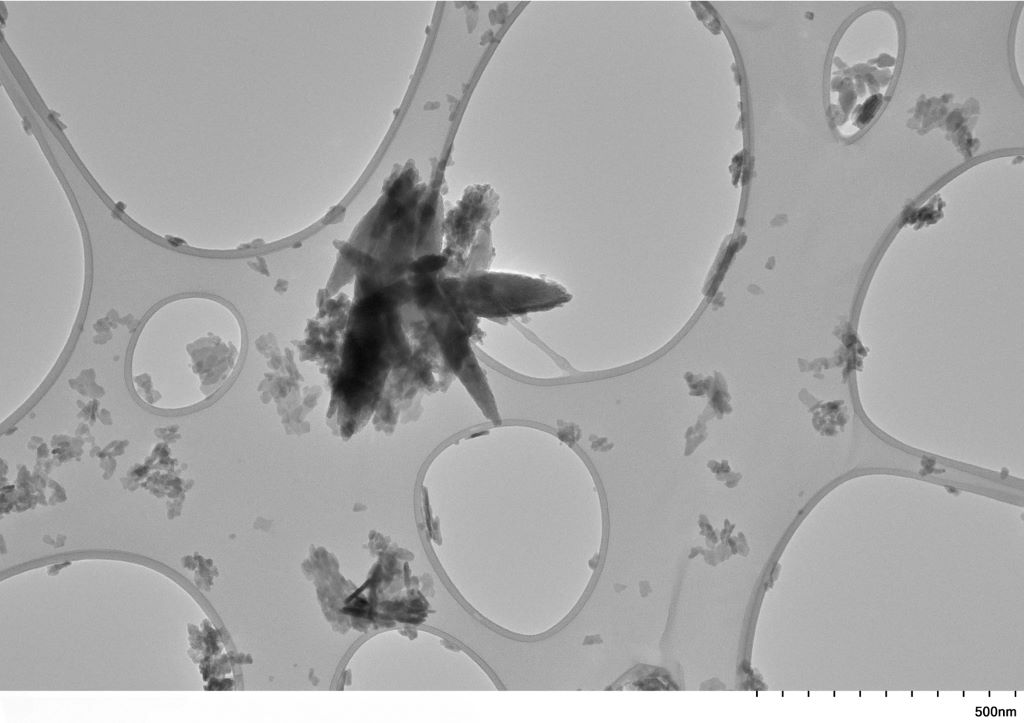
Transmission Electron Microscopy (TEM) picture of nanoplastic particles derived from carotid plaque. Copyright University of New Mexico

People with plaque in the blood vessels of their neck have a higher amount of tiny plastic particles in those vessels compared to people with healthy arteries. This increase was significantly higher in people who had experienced a strokemini-stroke or temporary loss of vision due to clogged blood vessels, according to preliminary research presented at the American Heart Association’s Vascular Discovery 2025 Scientific Sessions: From Genes to Medicine.

Micronanoplastics are tiny pieces of plastic created in industrial processes or from larger plastic objects as they degrade in the ocean or the soil. Micronanoplastics are not uniform in size and are a mixture of micro and nano plastic sizes. While microplastics are sometimes visible at less than 5 millimetres in size, nanoplastics are microscopic (invisible to the naked eye), less than 1000 nanometres across. This makes them more easily dispersed and able to penetrate cells and tissues in living organisms. Researchers suggest that terminology should gradually transition to nanoplastics because that is more precisely what is being studied.

“These types of plastics are commonly found in the environment, especially in ocean garbage patches. Over many years, these plastics break down, mix into the soil and water, and can build up in the food chain,” said lead study author Ross Clark, MD, MBA, RPVI, a vascular surgeon-scientist at the University of New Mexico in Albuquerque. “Many people think that micro and nanoplastics mainly come from using plastic utensils, cutting boards, packaging, water bottles and other plastic items. However, the main source is the food and water we eat and drink.”

In 2024, researchers in Italy reported finding micronanoplastics in plaque from some people without symptoms who underwent surgery to remove carotid artery plaque. Symptoms caused by carotid plaque buildup may include stroke, mini-stroke or temporary blindness. Followed for almost three years after surgery, people with micronanoplastics in their carotid plaque were significantly more likely to die or to have a non-fatal heart attack or stroke.

The current study, which included fewer than 50 participants, was built on the previous research conducted in Italy. Researchers compared the levels of micronanoplastics found in the carotid arteries of three groups: people with healthy arteries; those with plaque but no symptoms; and those experiencing symptoms due to plaque buildup. Researchers also compared plaques with low and high plastic levels to assess the effects of micronanoplastics on markers of inflammation, the gene activity of immune cells called macrophages and stem cells that help stabilise plaque.

The analysis found that the concentration of micronanoplastics in carotid arteries was:

  • 16 times higher (895 micrograms/gram vs. 57 micrograms/gram) in plaque among people without symptoms compared to the levels found in artery walls of deceased tissue donors of similar age with no plaque; and
  • 51 times higher (2888 micrograms/gram vs. 57 micrograms/gram) in plaque from people who had experienced stroke, mini-stroke or temporary loss of vision due to blockage of blood flow to the retina, in comparison to samples from age-matched, deceased tissue donors.

Comparing high-plastic and low-plastic plaque levels, the analysis found:

  • no link between the amount of micronanoplastics and signs of sudden inflammation; and
  • differences in gene activity in plaque-stabilizing cells and less activity in anti-inflammatory genes of plaque macrophage immune cells.

“These findings indicate that the biological effects of micronanoplastics on fatty deposits are more complex and nuanced than simply causing sudden inflammation,” Clark said. In their next phase of work, they will focus on better understanding the immunological effects of micronanoplastics in clogged arteries.

“It’s very important to study what these materials do to our bodies. However, we should be cautious about the early results of this study. We won’t fully understand the biological effects for many years to come,” Clark said.

The study has several limitations. It cannot prove that micronanoplastics in plaque were the cause of symptoms of carotid artery disease; micronanoplastics might be a sign of another health issue that caused these symptoms. Researchers did not have access to data detailing the sex or race/ethnicity of the tissue donors. Additionally, pyrolysis gas chromatography-mass spectrometry, used to measure plastic in biological samples may have limitations. This technique allows measurements to include nanoplastics and larger microplastic particles and uses high temperatures to break down plastics into smaller organic molecules. However, parts of the biological samples may also break down into similar molecules. For instance, fatty acids found in artery-clogging plaque could break down into compounds appearing similar to polyethylene.

“We are constantly improving our method to reduce the amounts of lipids in the samples to lessen their impact on the results. Lipids have a very similar spectral signature on gas chromatography as some plastic polymers (in particular polyethylene). It can be challenging to distinguish between the lipids and the polyethylene in the results. That’s why removing the lipids is so important. We believe our methods are currently the best way to address this specific criticism. However, new discoveries might change how we understand this data in the future,” Clark said.

“This is a very interesting and troubling study. To date, we have not considered exposure to plastic micronanoparticles a modifiable risk factor for stroke. Although it is important to understand the mechanism at play in the pathophysiology of symptomatic carotid atherosclerosis, this association presents a novel potential target for stroke prevention,” said Karen L. Furie, MD, MPH, FAHA, volunteer vice chair of the American Heart Association Stroke Brain Health Science Subcommittee and professor and chair of neurology at the Warren Alpert Medical School of Brown University in Providence, Rhode Island. Furie was not involved in this study.

Study details, background and design:

  • Researchers tested 48 samples of carotid arteries from 48 different adults collected in 2023-2024 at the University of New Mexico and the Office of the Medical Investigator (a state agency and part of the Department of Pathology at the University of New Mexico).
  • About one-third of the samples were from people aged 60 to 90 who had surgery to remove plaque from their carotid arteries. These people had symptoms including stroke, mini-stroke or temporary blindness (called amaurosis fugax).
  • About one-third of the samples came from people of similar age with no symptoms. They were having surgery to remove plaque buildup in their carotid arteries because a blockage was found during screening or a physical exam.
  • The last one-third of the samples came from tissue donors. These age-matched donors had died of any cause and did not have carotid artery blockage.
  • The researchers also compared plaques with low vs high amounts of micronanoplastics on inflammation-related measures. All samples were analysed to measure inflammation by looking at levels of inflammatory molecules TNF-α and IL-6. The levels were compared to the amount of plastics to find any connections. For the RNA sequencing studies, researchers examined samples with the highest and lowest concentrations of plastics.

Source: American Heart Association

Déjà Vu: Moss v Road Accident Fund

Photo by Tingey Injury Law Firm on Unsplash

By Raynold Tlhavani, Partner & Micaela Pather, Senior Associate from Webber Wentzel

The recent judgment in Moss v Road Accident Fund,1 handed down by the Western Cape High Court, has reignited debate regarding the Road Accident Fund’s (RAF’s) liability to compensate accident victims for past medical expenses already covered by their medical aid.

If this sounds familiar, that’s because it is. Recently, the same court in Rahldeyah Esack v the Road Accident Fund1 dealt with the same legal question raised in Moss: can a claimant’s right to compensation under the RAF Act 56 of 1996 be diminished by third-party payments? The court in Moss followed the earlier ruling in Esack, which held that the RAF is liable for a claimant’s past hospital and medical expenses, even if these were covered by a medical scheme.

The facts in Moss were that, in September 2017, the 77-year-old plaintiff sustained bodily injuries when he was struck by a vehicle while cycling. He claimed ZAR 34 286.59 in past medical expenses, of which ZAR 4 173.80 had been paid out of pocket, while the balance had been settled by his medical aid. The RAF opposed the claim, relying on its internal directives from 2022 and 2023, which instructed staff to reject past medical expense claims where the expenses had already been paid by a medical scheme. These directives were not formally introduced before the court. The defence was described as ill-conceived and procedurally inappropriate. Although the court declined to rule substantively on the legal issues raised by the RAF’s directives, it noted that the directive touches on complex areas of law, including common and statutory law, champerty, subrogation, and medical scheme law, which it would not address in context of this judgment.

The court also remarked on the RAF’s litigation practices, observing that the fund had drastically reduced its reliance on external counsel and instead “overburdened” a handful of attorneys at the State Attorney’s office.

It noted with concern that counsel from previously disadvantaged backgrounds, who had historically relied on RAF work, were no longer being briefed, undermining transformation imperatives. It further highlighted the impact on practitioners who, through no fault of their own, were forced to juggle multiple RAF matters in a single day.

Ultimately, the court’s decision in Moss mirrored that in Esack, granting the plaintiff a full award for past medical expenses, regardless of third-party payments. It remains to be seen whether this approach in the Western Cape Division, at odds with a Full Bench decision of the Gauteng Division, will gain traction in other divisions.

  1. [2025] JOL 68686 (WCC). ↩︎
  2. [2025] ZAWCHC 27. ↩︎

Opinion Piece: U.S. Funding Halted, Futures at Stake

Finding a path forward for South Africa’s healthcare workers

Donald McMillan

By Donald McMillan, Managing Director at Allmed Healthcare Professionals

06 May 2025

South Africa’s healthcare system is under serious pressure. The sudden suspension of critical US funding has resulted in the loss of around 15 000 healthcare jobs – many of them linked to HIV/AIDS programmes that served as lifelines for vulnerable communities. Combined with broader public sector budget cuts and a national hiring freeze, the situation threatens to undo decades of progress in healthcare delivery. As public hospitals struggle with fewer staff and shrinking resources, the country is at risk of losing not only jobs, but skills, infrastructure, and hope. But in the face of these challenges, there are still ways to keep services running and people employed. One of them is through Temporary Employment Services (TES), which provides a flexible staffing approach that can help stabilise the system while longer-term solutions are explored.

A healthcare system under pressure

The US aid cut has had an immediate and devastating impact. Programmes focused on HIV, tuberculosis, and reproductive health, many of which were propped up by international donor funding, have been forced to scale back or shut down entirely. Thousands of community healthcare workers, nurses, counsellors, and administrators have found themselves jobless, while patients are left facing longer wait times and reduced access to care.

At the same time, cost-cutting across the public sector has put a freeze on new hires, even in essential departments like health and the impact is already being felt. With public hospitals and clinics stretched thin, they’re unable to take on newly trained doctors and nurses. And while the private sector plays a role, it simply cannot absorb the overflow. This isn’t just a staffing issue, it’s a setback for the entire healthcare system, affecting everything from medical training to frontline care.

Young professionals left in limbo

Every year, South Africa produces thousands of highly trained doctors and healthcare workers, many of whom move into the public health system after completing their compulsory community service. These roles used to be a given but with hiring freezes and shrinking budgets, many young professionals are now finishing their training with nowhere to go. Despite their skills and frontline experience, these workers are left in limbo. This is a double blow as South Africa loses out on the return from its investment in their education, while the risk of a growing skills drain looms large. With countries like the UK, Australia, and Canada actively recruiting healthcare workers, there’s a real chance they may leave and not come back.

A flexible solution in Temporary Employment Services

In response to this crisis, temporary employment solutions have become a practical and effective solution. TES providers offer qualified healthcare professionals short- to medium-term flexible contracts, enabling them to continue working in their field while delivering essential support to overburdened healthcare facilities.

This approach offers a lifeline not just for displaced workers, but for clinics and hospitals struggling with limited resources. TES employees can be rapidly deployed where they are needed most, whether to cover staff shortages, serve remote communities, or support seasonal fluctuations in demand. Unlike permanent hires, they don’t carry long-term costs such as medical aid or pension contributions, making them a more budget-conscious option in uncertain times.

The benefits of the TES model have already been proven. During the COVID-19 pandemic, temporary staff played a key role in scaling up testing, vaccination, and treatment efforts across the sector. That same adaptability is needed now to respond to the healthcare funding crisis.

Rethinking the future of healthcare work

While temporary employment solutions cannot not solve the problem alone, it can provide an important stopgap and potentially a new way of thinking about workforce planning in the healthcare sector. Rather than relying solely on permanent positions, South Africa may need to adopt a more fluid, demand-based deployment model that allows professionals to move between roles, regions, and areas of urgent need.

Shifting to this model calls for a change in mindset. Permanent posts have traditionally been seen as the gold standard in healthcare, valued for their stability and benefits. But in a time of uncertainty, contract and locum roles – especially when managed by trusted TES providers – can offer a practical alternative, combining income, ongoing experience, and flexibility.

Retaining talent, restoring hope

Avoiding long-term damage to South Africa’s healthcare system will require urgent, coordinated action. Government departments must urgently reprioritise spending toward essential services like health and education. At the same time, private healthcare providers and staffing agencies must step up and work together to ensure that skilled professionals are not lost to the system or the country.

Despite the current turbulence, South Africa’s healthcare workers remain among the best trained and most resilient in the world and with the right support structures, including flexible employment options like TES, we can preserve our healthcare capacity and continue to serve those who need it most.

Research Finds New Explanation for Muscle Memory in Muscle Proteins

Memory traces from resistance training persist for over two months

Photo by John Arano on Unsplash

Researchers have found a possible new explanation for muscle memory by investigating thousands of muscle proteins. This study by the Faculty of Sport and Health Sciences at the University of Jyväskylä showed for the first time that muscles “remember” training at the protein level. The memory trace of previous resistance training persists in muscle proteins for over two months.

It is often thought that the effects of exercise are short-lived, and a break from the gym for just a few weeks can cause stress over muscle loss for some people. However, the research from the University of Jyväskylä has shown that this stress is partly unnecessary, as the effects of resistance training persist in muscles for up to two months and the gains are fast when training is started again after the break. But what mechanisms and changes at the cellular and molecular levels explain muscle memory? This is what the researchers investigated by studying the quantities of thousands of muscle proteins from muscle.

In the study, ten weeks of resistance training was followed by a break of the same length and then followed by another ten weeks of resistance training. Using the proteomics method, it was possible to simultaneously study the quantities of over 3,000 muscle proteins using advanced mass spectrometry equipment.

Training gets encoded into muscle proteins

The study found two types of change profiles in muscle proteins.

Some proteins changed as a result of training, returned to their pre-training state during the break, and changed again during the new training period similarly to the first training period. These included proteins related to aerobic metabolism.

Another group of proteins changed as a result of training and remained changed during the break and after the new training period. Among these proteins were several calcium-binding proteins, such as calpain-2, whose gene has recently been identified to retain a memory trace even after a training break.

“At the level of the number of muscle nuclei and the memory traces of genes, that is, epigenetics, long-term responses that persist even after a break and possibly explain ‘muscle memory’ have previously been observed,” says the lead researcher, Professor Juha Hulmi from the Faculty of Sport and Health Sciences. 

“Now, for the first time, we have shown that muscles ‘remember’ previous resistance training at the protein level for at least two and a half months.”

“So, even though muscles eventually shrink back to their original size during a long training break, a memory trace of previous training remains in the muscles. This can make it easier to start training again”, explains Hulmi.

The  data collection was carried out at the Faculty of Sport and Health Sciences, University of Jyväskylä. The participants were young adult and middle-aged Finnish men and women who were physically quite active but had no previous experience of systematic resistance training. Proteomic analyses were conducted on 116 muscle samples at the University of Helsinki in the laboratory of research director Markku Varjosalo.   

Source: University of Jyväskylä

National-Level Actions Effective at Tackling Antibiotic Resistance

Both high and low-middle income countries have stepped up their efforts to reduce antibiotic resistance

Mycobacterium tuberculosis drug susceptibility test. Photo by CDC on Unsplash

National-level policies can reduce the impact of antibiotic resistance across diverse countries, according to a study published April 30, 2025 in the open-access journal PLOS Global Public Health by Peter Søgaard Jørgensen from Stockholm University and the Royal Swedish Academy of Sciences, Sweden, and colleagues.

Antibiotic resistance is a major public health concern, contributing to 1.27 million deaths per year. In 2016, countries around the world committed to developing and implementing national action plans to combat antibiotic resistance. These plans have been criticised for not being fully operationalised. Assessing their impact is challenging – change doesn’t happen overnight, not all countries report their data systematically, and the COVID-19 pandemic disrupted monitoring.

In this study, researchers used the Global Database for Tracking Antimicrobial Resistance Country Self- Assessment Survey (TrACSS) and data on antibiotic use and antibiotic resistance to evaluate the impact of national action over time in 73 countries, representing six continents across high and low-middle income countries. They looked at national trends in indicators related to antibiotic resistance, including antibiotic use, rates of antibiotic resistance, and impact of resistant infections.

By assigning each country an action index, they found that national action was consistently associated with improved indicators of antibiotic resistance. These associations persisted after controlling for factors like socioeconomic conditions, population density, and climate.

Since 2016, both high and low-middle income countries have become more ambitious with their national action plans; only one-third have decreased their efforts to reduce antibiotic resistance.

The authors noted some bias in their sample size in that high-income countries are more likely to have established monitoring systems but stressed the importance of studies like this to establishing the impact of national policies on tackling antibiotic resistance.

 The authors add: “Our research shows the importance of all countries taking additional action to address antibiotic resistance. Very ambitious action will be needed to achieve reductions in resistance, but even incremental improvements will help reduce the projected increases…We were not sure that it would be possible to reduce levels of antibiotic resistance while also keeping using antibiotics to the extent that is required by modern health systems, but our research indicates that it is indeed possible.”

Provided by PLOS

Hyperbaric Oxygen for Radiation-induced Injuries Provides Lasting Relief

Photo by National Cancer Institute on Unsplash

Hyperbaric oxygen treatment provides long-term relief for patients suffering from late radiation-induced injuries after treatment of cancer in the lower abdominal area. Five years after hyperbaric oxygen therapy, the positive effects remain. This has been shown in a study conducted at the University of Gothenburg, published in eClinicalMedicine.

Radiation therapy is a component of many cancer treatments in organs such as the prostate, colon, ovaries and cervix. While tumour cells are destroyed, 5-10% of patients experience severe side effects due to healthy tissue being affected by the radiation therapy.

Symptoms may include urinary incontinence, bleeding and severe pain from the lower abdomen that becomes both physically and socially disabling. These problems can occur several years after radiation therapy and cause chronic and increasing discomfort.

Researchers have previously shown that patients experience significantly less discomfort after hyperbaric oxygen treatment. The question in the current study was whether the relief would last over several years. The time aspect is important for future decisions on broader use of the method.

From severe problems to a normal life 

Initially, all participants had severe symptoms. The group that was randomly assigned to hyperbaric oxygen treatment fared significantly better than the control group in terms of incontinence, bleeding and pain. The positive effects were sustained over the five year follow-up period. 

Nicklas Oscarsson, senior consultant in anaesthesiology and intensive care, and researcher at the University of Gothenburg and Sahlgrenska University Hospital was the principle investigator of the study:

“Patients who respond to treatment go from being very distressed by their symptoms and restricted by their need to have quick access to a toilet, to being able to live a fully normal life. Now we know that this pronounced improvement last for at least five years. The treatment can therefore lead to the healing of an otherwise chronic injury,” he states.

The effects achieved are due to cells sensing and adapting to high oxygen levels. The increased levels of oxygen provided in a hyperbaric chamber increases vascular growth and stops chronic inflammation, reducing severe side effects.

For the oxygen treatments, participants spent 90 minutes a day in a hyperbaric chamber on 30-40 occasions, at a pressure of 1.4 atmospheres (equivalent to 14m underwater). The control group received the usual treatment, which normally includes medication and physiotherapy, for example.

The capacity already exists today

“We have reason to believe that there are many patients with severe symptoms who are never referred to hyperbaric oxygen therapy. Today we already have the capacity to treat more patients, but we need to be better at sharing our knowledge with our colleagues and with patient associations,” says Nicklas Oscarsson.

Severe side effects after radiation therapy are one of the main limitations on the dose of radiation that can be given in cancer treatment. The availability of a treatment that can reduce the number of people affected by these side effects opens the door to increased radiation doses and thus more curable tumours. One area for further investigation, according to the researchers, is whether early treatment with hyperbaric oxygen can prevent the occurrence of severe side effects.

The results are based on surveys and analyses of the participants who have been involved all the way, 70 adults. The treatments were conducted at five university hospitals in the Nordic countries: Rigshospitalet in Denmark, Turku in Finland, Haukeland in Norway, and Karolinska and Sahlgrenska in Sweden.

Source: University of Gothenburg