Month: January 2023

Unusual Sympathetic Nervous Activity in IBS Patients

Photo by Andrea Piacquadio on Pexels

Using a wearable device to record nerve activity, researchers in Japan have discovered that the sympathetic nervous system of patients with irritable bowel syndrome (IBS) activated a few minutes before defecation, and persisted for a few minutes afterwards. Their results are published in the journal PLoS ONE.

Irritable bowel syndrome (IBS) is a difficult disease to treat, characterised by chronic abdominal pain related to bowel movements, of which there are four types: diarrhoeal, constipation, mixed, and unclassifiable. Patients with IBS report a reduction in quality of life and experiences of social discomfort, as they are forced to restrict their activity, such as work or travel, because of the sudden and unpredictable need to use the toilet. While there have been studies of IBS-related abnormalities in the autonomic nervous system based on 24-hour electrocardiogram measurement, until now none of them examined changes in the autonomic nervous system during bowel movements.

Associate Professor Fumio Tanaka and his research group at the Osaka Metropolitan University Graduate School of Medicine recorded the autonomic nervous system activity of IBS patients and healthy subjects using a wearable device and tracked activities such as defecation and sleep. As a result, they found that unlike healthy subjects, the sympathetic nervous system of IBS patients was activated two minutes before defecation and persisted until 9 minutes after defecation. Furthermore, the activation of the sympathetic nervous system was found to be associated with greater abdominal pain and lower quality of life.

“This research is characterised by the fact that autonomic nervous system functions are measured using a clothing-type wearable device, and that lifestyle events such as defecation and abdominal symptoms are input simultaneously in real time, using a smartphone application originally developed by our group. As a result, autonomic nervous system activity during defecation was accurately evaluated. We hope that further research will improve the quality of life of IBS patients and help elucidate the pathophysiology,” Professor Tanaka concluded.

Source: Osaka Metropolitan University

Walking the Tightrope of Prescribing Benzodiazepines

Photo by Towfiqu Barbhuiya on Unsplash

Antidepressants and psychotherapy typically are the preferred treatment options for anxiety and depression, although benzodiazepines can be helpful in treating acute or persistent anxiety that does not respond to first-line therapy. In “Walking the Benzodiazepine High Wire,” published in Psychiatric Services, two experts advocate advocate a multipronged strategy for the cautious prescribing of this class of anxiety medications rather than a stringent and exclusively regulatory approach to their use.

Kurt Kroenke, MD, of the Regenstrief Institute and Indiana University School of Medicine, and Matthew E. Hirschtritt, MD, MPH, of Kaiser Permanente Northern California and University of California, San Francisco,

Noting that the number of benzodiazepine prescriptions in the US has substantially increased over the past decade, leading to a parallel rise in rates of misuse and overdose, Dr Kroenke and Dr Hirschtritt counsel that to stem this disquieting tide, provider and patient education, coupled with prescribing surveillance, may be preferable to overly strict governmental regulation of benzodiazepines.

“Benzodiazepines should not be tried first or probably even second, but as with opiates which can be appropriate for acute pain at end of life or following a severe injury or major surgery, there are appropriate reasons for prescribing benzodiazepines for severe anxiety,” said Dr Kroenke.

He is a pioneer in the field of medical symptomology and international leader in the interpretation and treatment of psychological and physical symptoms. He has co-developed brief survey measures in worldwide clinical use to track symptoms of anxiety (GAD-7); depression (PHQ-9); suicide risk (P-4); and other conditions. These tools have been translated into more than 100 languages and assist clinicians around the world in selecting treatments and evaluating their effectiveness.

The authors conclude: “The tightrope between the benefits and risks of prescribing a medication that may be useful for some patients and harmful for others exists not only for controlled drugs but also for treatments such as antibiotics, which continue to be overprescribed, leading to antibiotic resistance. A multipronged strategy for BZD [benzodiazepine] use that includes ongoing education of providers, patients, and the general population; surveillance to optimise selective and appropriate use; and closer oversight of outlier prescribing patterns is preferable to a stringent and exclusively regulatory approach.”

Source: Regenstrief Institute

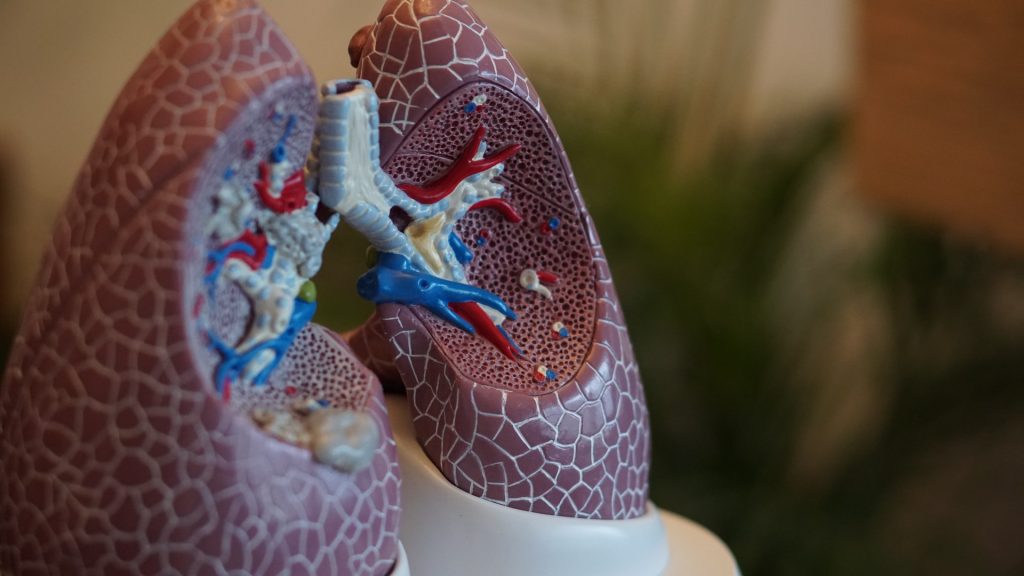
Why Many Lung Diseases are Sex-biased

Anatomical model of lungs
Photo by Robina Weermeijer on Unsplash

By studying sex differences in expression across more than 2500 genes in mouse lung cells, researchers may have found an explanation for sex biases in the prevalence and severity of lung diseases, such as the greater severity of COVID for males. In particular, very high numbers of X-linked genes escape transcriptional silencing in lung alveolar type 2 (AT2s) cells, according to their study published in Stem Cell Reports.

“Our study is the first to compare male and female AT2 cells for gene expression, and our findings suggest that there are likely sex differences in lung repair following viral-induced injury,” says co-senior author Montserrat Anguera, an associate professor at the University of Pennsylvania.

Sex differences exist for many lung diseases, but the mechanistic basis for this remains unclear. “We started this project during the beginning of the pandemic, because we were curious about the sex bias with COVID disease, where more older men have increased morbidity, and wondered whether X-chromosome inactivation (XCI) might contribute to this sex bias,” Anguera says. “We realised that the SARS-CoV2 virus first encounters AT2 cells in the lung, and that the virus enters cells through the angiotensin-converting enzyme 2 (Ace2) receptor, which is located on the X chromosome.”

XCI is a process by which one of the copies of the X chromosome is inactivated in female mammals. The inactive X chromosome is silenced by being packaged into a transcriptionally inactive structure called heterochromatin. XCI prevents female mammals from having twice as many X-chromosome gene products as males, who only possess a single copy of the X chromosome.

In the new study, Anguera and co-senior author Andrew Vaughan, an assistant professor at the University of Pennsylvania, investigated XCI maintenance and sex-specific gene expression profiles using male and female AT2s. The results showed that approximately 68% of expressed X-linked genes in mouse AT2s escape XCI. These genes include Ace2, which serves as the entry point into cells for SARS-CoV-2, but is also involved in lung repair.

There were genome-wide expression differences between male and female AT2s, possibly contributing to sex differences in lung injury and repair in multiple settings. Taken together, the findings demonstrate that AT2 cells have the highest levels of XCI escape for mouse cells reported to date and support a renewed focus on AT2s as a potential contributor to sex-biased differences in lung disease.

In addition, the results showed that AT2 cells, similar to immune cells, do not strictly follow the classic rules of XCI. “We were surprised to find that female AT2 cells lack canonical epigenetic modifications that are typically enriched on the inactive X as a result of XCI. These include the long noncoding RNA Xist and heterochromatic histone modifications H3K27me3 and H2AK119-ubiquitin,” Anguera says. “Because the inactive X in female AT2 cells has fewer epigenetic marks, this enables more gene expression chromosome wide, including the Ace2 gene.”

For now, it remains an open question whether ACE2 escapes XCI in human AT2 cells. to The authors say this is a likely scenario because there are significantly higher numbers of XCI escape genes in human cells compared to mouse cells.

Moving forward, the authors plan to investigate how expression from the inactive X in AT2 cells is affected by SARS-CoV2 infections. They also will continue to study how expression from the X chromosome is regulated in other cell types that do not exhibit conventional XCI maintenance. “Our findings open the door to future work investigating the genetic and epigenetic basis, residing within the X chromosome, of sex differences in immune responses to inhaled viruses,” Anguera says.

Source: Science Daily

A Metabolic Switch for Childhood Obesity and Cancer

Researchers have unlocked a means to modify the function of an enzyme crucial to fat production, a finding could lead to more effective treatments for childhood obesity and cancer.

While the research, published in the Proceedings of the National Academy of Sciences, was in fruit fly larvae, the ability to alter the rates of lipid metabolism could have significant implications for human health, said Hua Bai, an associate professor of genetics, development and cell biology at Iowa State University.

“We’ve identified what’s basically a metabolic switch. It’s like the accelerator on a car,” he said.

The initial aim was investigating how ageing was affected by fatty acid synthase, an enzyme that plays a role in de novo lipogenesis, which is the process of turning excess dietary carbohydrates into fat. Typically, levels of fatty acid synthase rise and fall based on an animal’s cellular needs and diet.

Surprisingly, the researchers noticed that early in a fruit fly’s development, de novo lipogenesis increases without an accompanying boost in the expression of fatty acid synthase. That suggested there must be some other factor at play, Bai said.

After proteins such as fatty acid synthase are created based on genetic code, their function can be altered by one of several different types of post-translational modification. Bai’s team found one of those processes, acetylation, affected one of the 2540 amino acids that combine to make fatty acid synthase, changing how effective it was at producing fat.

In addition to its role in obesity, elevated levels of de novo lipogenesis are linked to cancer, so controlling it through a single amino acid could lead to highly targeted treatments, Bai said.

“Fine tuning the acetylation levels of fatty acid synthase would be a much more precise treatment than blocking the entire protein,” he said.

Though the findings may be applicable to humans, any medical application in humans is years away, he said.

“The potential is high, but further testing is needed in other animals,” he said.

Source: Iowa State University

MRI Scans Reveal How Horror Movies Terrify Us

Photo by Daniel Jensen on Unsplash

Finnish researchers at the University of Turku mapped the brain activity of (un)lucky participants who watched two of the highest rated horror movies of the last 100 years.

Humans are fascinated by things that scare them, such as death-defying stunts and true crime documentaries, provided these sources of fear at a safe distance. Horror movies are no different, providing a relentless villain, such as Jason in Friday the 13th or a supernatural threat.

For their study into cinematic terror, published in the journal NeuroImage, the researchers first established the 100 best and scariest horror movies of the past century, and how they made people feel.

Unseen threats are the scariest

Firstly, 72% of people report watching at last one horror movie every 6 months, and the reasons for doing so, besides the feelings of fear and anxiety, was primarily that of excitement. Watching horror movies was also an excuse to socialise, with many people preferring to watch horror movies with others than on their own.

People found horror that was psychological in nature and based on real events the scariest, and were far more scared by things that were unseen or implied rather than what they could actually see.

“This latter distinction reflects two types of fear that people experience. The creeping foreboding dread that occurs when one feels that something isn’t quite right, and the instinctive response we have to the sudden appearance of a monster that make us jump out of our skin,” says principal investigator, Professor Lauri Nummenmaa from Turku PET Centre.

MRI reveals different types of fear

Researchers wanted to know how the brain copes with fear in response to this complicated and ever changing environment. The group had people watch two horror movies (The Conjuring 2, 2016, and Insidious, 2010; both directed by James Wan) whilst measuring neural activity in a magnetic resonance imaging scanner.

During those times when anxiety is slowly increasing, regions of the brain involved in visual and auditory perception become more active, as the need to attend for cues of threat in the environment become more important. After a sudden shock, brain activity is more evident in regions involved in emotion processing, threat evaluation, and decision making, enabling a rapid response.

However, these regions are in continuous talk-back with sensory regions throughout the movie, as if the sensory regions were preparing response networks as a scary event was becoming increasingly likely.

“Therefore, our brains are continuously anticipating and preparing us for action in response to threat, and horror movies exploit this expertly to enhance our excitement,” explains Researcher Matthew Hudson.

Source: University of Turku

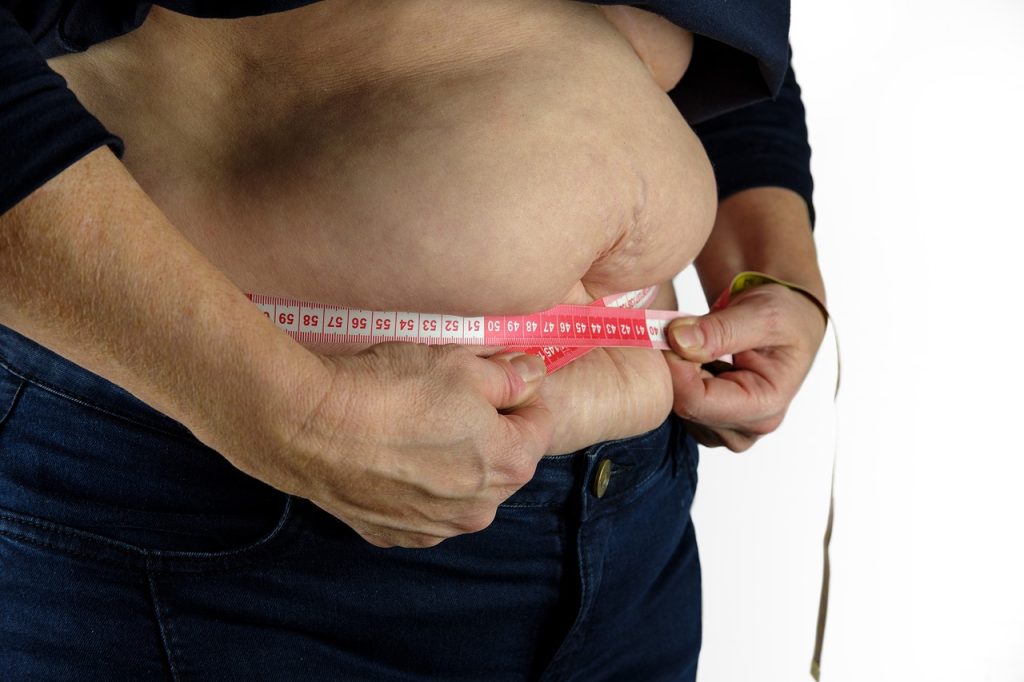
Researchers Find an Obesity-related Trigger for Diabetes

Obesity
Image source: Pixabay CC0

A new study may help explain how excess weight can contribute to diabetes, which may lead to targeted treatment and prevention. The findings suggest that many people with elevated insulin levels, an early marker of diabetes risk, also have defects in an enzyme important to the processing of a key fatty acid from the diet. The research was published in the journal Cell Metabolism.

“Between 30 million and 40 million people in the United States have Type 2 diabetes, and another 90 million to 100 million have risk factors that make them likely to develop Type 2 diabetes in the future,” said senior investigator Clay F. Semenkovich, MD, at the Washington University School of Medicine in St. Louis. “Many at risk for diabetes have elevated levels of insulin, a hallmark of insulin resistance and a signal that means trouble may be brewing. If we could intervene before they actually develop diabetes, we might be able to prevent significant health problems – such as heart disease, chronic kidney disease, nerve damage, vision loss and other problems – in a great number of people.”

When there is excessive body fat, beta cells in the pancreas ae signalled to secrete more insulin. When insulin levels become elevated and remain high, the body can become resistant to insulin, and eventually the beta cells that secrete insulin can fail, leading to diabetes.

Studying human tissue samples, Washington University researchers found that the overproduction of insulin involves a process called palmitoylation. This is the process by which cells attach the fatty acid palmitate to proteins.

Thousands of human proteins can be attached to palmitate, but the researchers found that when this fatty acid isn’t removed from proteins in beta cells, diabetes is the end result. Examining tissue samples from people who were thin or overweight, and with and without diabetes, the researchers found that the people with diabetes were deficient in an enzyme that removes palmitate from beta cells.

“They hyper-secrete insulin because this process goes awry, and they can’t appropriately regulate the release of insulin from beta cells,” Semenkovich explained. “Regulating insulin release is controlled in part by this palmitoylation process.”

The research team also genetically engineered a mouse that was deficient in the APT1 enzyme, which is responsible for palmitate removal from proteins. The engineered mice went on to develop diabetes.

Because impaired APT1 function contributed to diabetes risk, the researchers worked with the university’s Center for Drug Discovery to screen and identify compounds that can increase the activity of the APT1 enzyme.

“We’ve found several candidate drugs, and we’re pursuing those,” Semenkovich said. “We think that by increasing APT1 activity, we might reverse this process and potentially prevent people at risk from progressing to diabetes.”

Although he said the new findings identifying APT1 as a target are an important step, Semenkovich explained that APT1 is only one treatment target among many.

“There are several ways that Type 2 diabetes may develop,” he said. “This enzyme is not the answer, but it’s an answer, and it appears we have some promising tools that might keep some people with prediabetes from developing diabetes.”

Source: Washington University School of Medicine

Why do Older Fathers Pass on More Mutations?

Photo by Muhammad Daudy on Unsplash

It is not known exactly why older fathers pass on more mutations than younger ones do, even though the male reproductive system is a hotpot for evolution. The mechanisms that might underlie these well-documented trends have long remained a mystery. Now, a new study in the journal Nature Ecology & Evolution describes why older male fruit flies are more likely to pass mutations onto their offspring, which may hold clues for inherited-disease risk in humans.

Researchers in Li Zhao’s lab at Rockefeller University studied mutations that occur during the production of sperm from germline cells, known as spermatogenesis. They found that mutations are common in the testes of both young and old fruit flies, but more abundant in older flies from the outset. Moreover, many of these mutations seem to be removed in younger fruit flies during spermatogenesis by the body’s genomic repair mechanisms – but they fail to be fixed in the testes of older flies.

“We were trying to test whether the older germline is less efficient at mutation repair, or whether the older germline just starts out more mutated,” says first author Evan Witt. “Our results indicate that it’s actually both. At every stage of spermatogenesis, there are more mutations per RNA molecule in older flies than in younger flies.”

Genetic self-repair

Genomes have a few repair mechanisms. When it comes to testes, they have to work overtime; testes have the highest rate of gene expression of any organ. Moreover, genes that are highly expressed in spermatogenesis tend to have fewer mutations than those that are not. This sounds counterintuitive, but it makes sense: One theory to explain why the testes express so many genes holds that it might be a sort of genomic surveillance mechanism – a way to reveal, and then weed out, problematic mutations.

But when it comes to older sperm, the researchers found, the weed-whacker apparently sputters out. Previous research suggests that a faulty transcription-coupled repair mechanism, which only fixes transcribed genes, could be to blame.

Inherited or new mutations?

To get these results, scientists in the Laboratory of Evolutionary Genetics and Genomics did single-cell sequencing on the RNA from the testes of about 300 fruit flies, roughly half of them young (48 hours old) and half old (25 days old), advancing a line of inquiry they began in 2019. In order to understand whether the mutations they detected were somatic, or inherited from the flies’ parents, or de novo they then sequenced the genome of each fly. They were able to document that each mutation was a true original. “We can directly say this mutation was not present in the DNA of that same fly in its somatic cells,” says Witt. “We know that it’s a de novo mutation.”

This unconventional approach – inferring genomic mutations from single-cell RNA sequencing and then comparing them to the genomic data – allowed the researchers to match mutations to the cell type in which they occurred. “It’s a good way to compare mutational load between cell types, because you can follow them throughout spermatogenesis,” Witt says.

Applicability to humans

The next step is to expand the analysis to more age groups of flies and test whether or not this transcription repair mechanism can occur – and if it does, identify the pathways responsible, Witt says. “What genes,” he wonders, “are really driving the difference between old and young flies in terms of mutation repair?”

Because fruit flies have a high reproductive rate, investigating their mutation patterns can offer new insights into the effect of new mutations in human health and evolution, says Zhao.

Witt adds, “It’s largely unknown whether a more mutated male germline is more or less fertile than a less mutated one. There’s not been very much research on it except for at a population level. And if people inherit more mutations from ageing fathers, that increases the odds of de novo genetic disorders or certain types of cancers.”

Source:

Brain Structures Predict Risk of Awareness under Anaesthesia

Photo by Anna Shvets on Pexels

Awareness during anaesthesia is an extremely rare but horrific risk for patients. Now, for the first time, neuroscientists have identified brain structures which could predict an individual’s predisposition this phenomenon. The findings, just published in the journal Human Brain Mapping, could help identify patients who need larger anaesthetic doses.

Although anaesthesia has been used in clinical medicine for over 150 years, scientists do not fully understand why its effect on people is so varied. One in four patients presumed to be unconscious during general anaesthesia may in fact have subjective experiences, such as dreaming. Estimated to occur in 1:1000 to 1:20 000 cases, some patients may have awareness under general anaesthetic. These experiences may range from hearing sounds to the pain of surgery combined with the sensation of suffocation and paralysis in the setting of neuromuscular blockade.

The researchers from Trinity College Dublin found that one in three participants were unaffected by moderate propofol sedation in their response times, thus thwarting a key aim of anaesthesia – the suppression of behavioural responsiveness.

The research also showed, for the first time, that the participants who were resistant to anaesthesia had fundamental differences in the function and structures of the fronto-parietal regions of the brain to those who remained fully unconscious. Crucially, these brain differences could be predicted prior to sedation.

Lorina Naci, Associate Professor of Psychology, Trinity who lead the research said:

“The detection of a person’s responsiveness to anaesthesia prior to sedation has important implications for patient safety and wellbeing. Our results highlight new markers for improving the monitoring of awareness during clinical anaesthesia. Although rare, accidental awareness during an operation can be very traumatic and lead to negative long-term health outcomes, such as post-traumatic stress disorder, as well as clinical depression or phobias.”

“Our results suggest that individuals with larger grey matter volume in the frontal regions and stronger functional connectivity within fronto-parietal brain networks, may require higher doses of propofol to become nonresponsive compared to individuals with weaker connectivity and smaller grey matter volume in these regions.”

The research, conducted in Ireland and Canada, investigated 17 healthy individuals who were sedated with propofol, the most common clinical anaesthetic agent. The participants’ response time to detect a simple sound was measured when they were awake and as they became sedated. Brain activity of 25 participants as they listened to a simple story in both states was also measured.

Source: Trinity College Dublin

Even Placebos Given Openly can Reduce Feelings of Guilt

Photo by Caleb Woods on Unsplash

While guilt is usually an appropriate emotional reaction, usually in response to doing something negative or hurtful, sometimes it can be unwarranted and persistent. Researchers at the University of Basel have shown that placebos can help assuage feelings of guilt, even when the placebo is administered openly, ie the participants are aware of the treatment being a placebo.

Guilt is considered an important moral emotion, as long as it is adaptive – in other words, appropriate and in proportion to the situation. “It can improve interpersonal relationships and is therefore valuable for social cohesion,” says Dilan Sezer, researcher at the Division of Clinical Psychology and Psychotherapy at the University of Basel. Previous research had demonstrated that placebos – even given openly – can still be effective in provoking a beneficial response.

In order to arouse feelings of guilt, healthy participants were recruited and asked to write about a time when they had disregarded important rules of conduct, or treated someone close to them unfairly, hurt or even harmed them. The idea was that the study participants should still feel bad about the chosen situation.

Participants were then randomised to three conditions: Participants in one group received placebo pills with being deceptively told that this was a real medication while participants in another group were told that they are given a placebo. Both groups were told that what they had been given will be effective against feelings of guilt. The control group received no treatment at all. The results, published in Scientific Reports, showed that feelings of guilt were significantly reduced in both placebo groups compared with those without medication.

This was also the case when the subjects knew they had been given a placebo.  “Our study therefore supports the intriguing finding that placebos work even when they are administered openly, and that explanation of the treatment is key to its effectiveness,” states the study’s lead author, Dilan Sezer.

Where feelings of guilt are irrational and continue for longer periods of time, they are considered maladaptive – in other words, disproportionate. These emotions can affect people’s health and are also, among other things, a common symptom of depression.

Scientific studies have shown that placebo effects can be powerful in treating depression. But the finding that open-label placebos can also be useful for such strong emotions as guilt is new. It stands to reason, says Dilan Sezer, that we should try to harness these effects to help those affected. “The administering of open-label placebos, in particular, is a promising approach, as it preserves patient autonomy by allowing patients to be fully aware of how the intervention works.” The results of the study are an initial promising step in the direction of symptom-specific and more ethical treatments for psychological complaints using open-label placebos, Sezer continues.

Further research will need to be done into whether it is possible to treat maladaptive guilt with placebos. And it is still not known whether similar effects are also possible with other feeling states. For Dilan Sezer, one thing is certain: “Using open-label placebos would be an inexpensive and straightforward treatment option for many psychological and physical complaints.”

Source: University of Basel

Heparin Combination Extends Half-life to 24 Hours

Source: CC0

The anticoagulant drug heparin is widely given to patients with blood clotting disorders or after surgery to prevent complications. But it remains difficult to dose correctly, potentially leading to overdosing or underdosing. A team of Penn State researchers combined heparin with a protein fragment, peptide, to slow down the release of the drug and convey the medication directly to the site of a clot. They published their findings in the journal Small.

“We wanted to develop a material that can gradually deliver heparin over time rather than the current iteration that gets cleared from the body in a couple of hours,” said corresponding author Scott Medina, Penn State associate professor of biomedical engineering. “We also wanted to deliver the drug through the skin instead of through an IV.”

When mixed, positively charged peptides and negatively charged heparin bind to create a nanogranular paste that can be injected under the skin, forming a cache of material that is then diffused in the circulatory system and travels to blood clots when they appear. The turbulent flow of fluid near a blood clot triggers the two materials to separate, allowing heparin to begin its anticoagulating action.

“The peptide is ideal for pairing with heparin because it essentially blocks heparin’s action until it is needed in the body,” said Atip Lawanprasert, doctoral student in biomedical engineering and first author on the paper. “The peptide also has some anticoagulating properties on its own: It binds to platelets in the blood, enabling action at the clotting site.”

Without an added bonding agent, heparin applies its anti-clotting properties indiscriminately, not just at blood clot sites, and clears quickly, its half-life only 60 to 90 minutes. Using preclinical animal trials, researchers determined that the addition of peptide allows for a dramatic increase of heparin’s half-life, to up to nearly 24 hours.

“The peptide increases heparin’s effects by more than ten times longer than what is currently being used,” Medina said. “The increased half-life allows for sustained treatments for patients, less medication waste and more accurate dosing. Eventually, this could allow the medication to be injected under the skin just once a day, rather than an all-day IV drip.”

Next, researchers plan to replicate the study in a clinical setting, as well as study the effect of the medication’s toxicity with multi-day administration.

Source: Penn State