Year: 2022

Why Some Cells Move Faster in Thicker Mediums
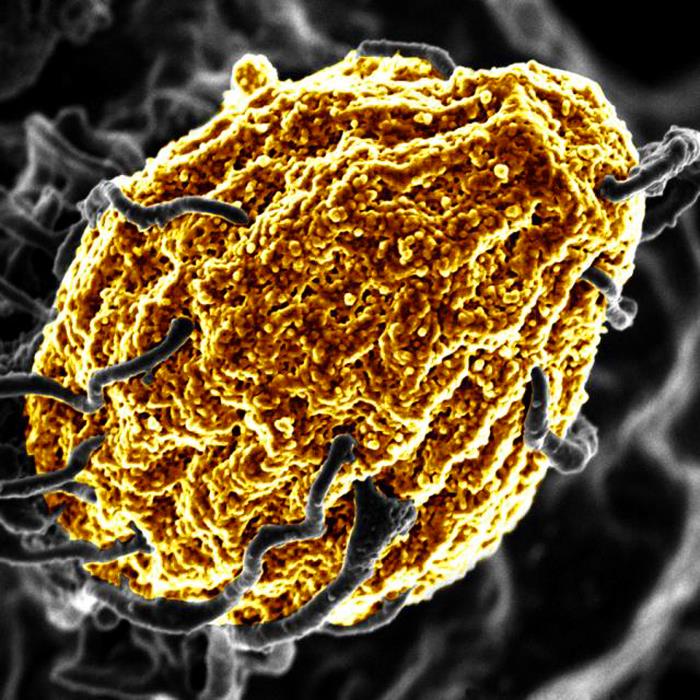
Lung cancer metastasising. Photo by National Cancer Institute on Unsplash

Researchers have discovered that, counterintuitively, certain cells move faster in thicker fluid – such as mucus as opposed to blood – because their ruffled edges sense the viscosity of their environment and adapt to increase their speed.

The researchers’ combined results in cancer and fibroblast cells suggest that the viscosity of a cell’s surrounding environment is an important contributor to disease. The findings, published in Nature Physics, may help explain tumour progression, scarring in mucus-filled lungs affected by cystic fibrosis, and the wound-healing process.

“This link between cell viscosity and attachment has never been demonstrated before,” noted Sergey Plotnikov, assistant professor at the University of Toronto and a co-corresponding author of the study. “We found that the thicker the surrounding environment, the stronger the cells adhere to the substrate and the faster they move – much like walking on an icy surface with shoes that have spikes, versus shoes with no grip at all.”

Understanding why cells behave in this surprising way is important because cancer tumours create a viscous environment, which means spreading cells can move into tumours faster than non-cancerous tissues. Since the researchers observed that cancer cells speed up in a thickened environment, they concluded that the development of ruffled edges in cancer cells may contribute to cancer spreading to other areas of the body.

Targeting the spreading response in fibroblasts, on the other hand, may reduce tissue damage in the mucus-filled lungs affected by cystic fibrosis. Because ruffled fibroblasts move quickly, they are the first type of cells to move through the mucus to the wound, contributing to scarring rather than healing. These results also imply that cell movement might be controlled by changing the viscosity of the lung’s mucus.

“By showing how cells respond to what’s around them, and by describing the physical properties of this area, we can learn what affects their behaviour and eventually how to influence it,” says Ernest Iu, PhD student at the University of Toronto and study co-author.

Plotnikov added, “For example, perhaps if you put a liquid as thick as honey into a wound, the cells will move deeper and faster into it, thereby healing it more effectively.”

Asst Prof Plotnikov and Iu used advanced microscopy techniques to measure the traction that cells exert to move, and changes in structural molecules inside the cells. They compared cancer and fibroblast cells, which have ruffled edges, to cells with smooth edges. They determined that ruffled cell edges sense the thickened environment, triggering a response that allows the cell to pull through the resistance – the ruffles flatten down, spread out and latch on to the surrounding surface.

The experiment originated at Johns Hopkins, where assistant professor Yun Chen, lead author of the study, and Matthew Pittman, PhD student and first author, were first examining the movement of cancer cells. Pittman created a viscous, mucus-like polymer solution, deposited it on different cell types, and saw that cancer cells moved faster than non-cancerous cells when migrating through the thick liquid. To further probe this behaviour, Asst Prof Chen collaborated with U of T’s Plotnikov, who specialises in the push and pull of cell movement.

Plotnikov was amazed at the change in speed going into thick, mucus-like liquid. “Normally, we’re looking at slow, subtle changes under the microscope, but we could see the cells moving twice as fast in real time, and spreading to double their original size,” he explained.

Typically, cell movement depends on myosin proteins, which help muscles contract. Asst Prof Plotnikov and Iu reasoned that stopping myosin would prevent cells from spreading, however were surprised when evidence showed the cells still sped up despite this action. They instead found that columns of the actin protein inside the cell, which contributes to muscle contraction, became more stable in response to the thick liquid, further pushing out the edge of the cell.   

The teams are now investigating how to slow the movement of ruffled cells through thickened environments, which may open the door to new treatments for people affected by cancer and cystic fibrosis.

Source: EurekAlert!

CVD Risk Greater Than Direct Risk from Hodgkin Lymphoma

Stethoscope
Photo by Hush Naidoo on Unsplash

Although new treatments have improved the survival chances of patients with Hodgkin lymphoma (HL), these therapies can also increase the risk of cardiovascular disease (CVD). A recent study published in CANCER reveals that people with early-stage HL, which affects the lymphatic system, are now at higher risk of dying from CVD than from cancer.

The multicentre study included 15 889 children and adults in the United States who were diagnosed with HL between 1983 and 2015. “We conducted this study because cardiovascular disease may be the most common non-malignant long-term complication and a prevalent cause for non-malignant death following treatment in HL survivors,” said senior author Caiwen Ou, MD, PhD, of Southern Medical University in China.

Prof Ou and colleagues found that among patients with stage I and stage II classic HL, the proportion of CVD mortality exceeded the proportion of classic HL mortality after about 60 and 120 months of follow-up, respectively. The cumulative incidence of CVD mortality also exceeded that of HL and other cancers over time. In recent decades, the mortality risk from classic HL dropped sharply, but CVD mortality risk among patients with classic HL fell slowly or even remained unchanged among some groups.

The analysis also revealed that patients with stage I or stage II classic HL experienced a higher risk of CVD mortality than the general population at almost all follow-up intervals.

“Our results indicate that more effective measures are needed to reduce the risk of cardiovascular disease-related deaths in classic HL survivors,” said co-author Weijing Feng, MD, PhD.

Source: EurekAlert!

Scientists Untangle the Secrets of DNA Compression in Sperm

Genetics
Image source: Pixabay

During sperm production, an enormous amount of DNA has to be packed into a very small space without breaking anything. Protamines are the key to this compression, wrapping the DNA thread tightly, but humans have a second type of protamine which had an unknown purpose. Insights into this key mechanism are described in PLoS Genetics.

During the production of human sperm cells, DNA has to be packed into a tiny space, not unlike trying to cram too many clothes into a tiny suitcase to go on holiday. DNA is normally in a comparatively loose tangle. In sperm cells, however, it is enormously compressed. The 23 DNA threads have a total length of one metre and have to be packed into a head just three thousandths of a millimetre in diameter. All of this must happen without the delicate DNA threads tearing or becoming inextricably tangled up.

We often sit on packed suitcases to close them, and the body uses a similar trick during spermatogenesis. “If DNA were to take up as much space as a watermelon under normal circumstances, sperm cells would then only be as big as a tennis ball,” explained Professor Hubert Schorle from the University Hospital Bonn.

This process is termed hypercondensation. In their loose state, DNA threads are wrapped around numerous spherical protein molecules, the histones. In this state, they resemble 23 tiny strings of pearls. During hypercondensation, the histones are first exchanged for transition proteins, which are in turn are replaced by so-called protamines. Due to their chemical composition, protamines exert a very strong attraction on DNA, causing it to wrap itself in very firm and tightly loops around the protamine

“Most mammals seem to produce only one type of protamine, PRM1,” explained Dr Lena Arévalo, a postdoctoral researcher in Schorle’s group. “In humans, but also rodents like mice, it’s different — they have a second type, PRM2.” Until now, it was unclear what this second protamine is needed for. It was however known that some parts of it are successively cut off during sperm development.

These cut-off parts that appear to be immensely important, according to the new study. When mice produce only a truncated PRM2 molecule that lacks the cut-off snippets, they are infertile. “The removal of transition proteins during hypercondensation is impaired,” Dr Arévalo said. “In addition, the condensation seems to proceed too quickly, causing the DNA strands to break.”

It is possible that a defective protamine 2 can also lead to infertility in human males. The team now plans to investigate this hypothesis further, thanks to their lab being the only one so far that has successfully generated and bred PRM and PRM2 deficient mouse lines.

Source: University of Bonn

Despite Disagreement, WHO Sounds Highest Alert for Monkeypox

Source: Pixabay CC0

On 22 July, World Health Organisation (WHO) director general Dr Tedros Adhanom Ghebreyesus declared the global spread of monkeypox a Public Health Emergency of International Concern (PHEIC) – a move which went against the recommendation of a special committee. This was the first time since the PHEIC’s inception in 2005 that it had done so. The special committee’s reluctance to recommend a PHEIC has previously drawn criticism from public health experts.

The 21 July meeting of WHO’s Emergency Committee, did not reach a consensus on whether to declare the growing monkeypox outbreak a PHEIC; a narrow majority voting against doing so. But Dr Tedros invoked a PHEIC at a press conference the next day in Geneva. “We have an outbreak that has spread around the world rapidly, through new modes of transmission, about which we understand too little and which meets the criteria in the International Health Regulations,” he said.

Data presented during the meeting including modelling which showed the basic reproduction number (R0) to be above 1 among gay or bisexual men, and below 1 in other groups. For example, in Spain, the estimated R0 is 1.8, in the United Kingdom 1.6, and in Portugal 1.4.

In June, the committee first recommended against declaring a PHEIC , which was roundly criticised by epidemiologists and global health experts. Dr Tedros reconvened the group this week and asked it to reconsider the question. Nine members were against declaring a PHEIC and six in favour, Dr Tedros said at the press conference.

According to Science, the Thursday meeting of the expert panel was followed by tense exchanges via email and text messages between its participants.

One of the objections to a PHEIC was that few deaths had been caused by the disease so far and was not spreading in the general population. Another was that a PHEIC could possibly lead to further stigmatisation of men who have sex with men (MSM), the group primarily affected.

Many gay rights and sexual health advocates were for the PHEIC, as it would help raise awareness and help protect the most at-risk group of MSM.

“Although I’m declaring a public health emergency of international concern, for the moment, this is an outbreak that’s concentrated among men who have sex with men, especially those with multiple sexual partners,” Dr Tedros said. “That means that this is an outbreak that can be stopped with the right strategies in the right groups.”

Those who push for declaring a PHEIC also cited the rising number of monkeypox cases (over 15 000) and the countries affected (70), and that many cases are likely still not being picked up. The virus could also potentially establish itself permanently worldwide – indeed, the CDC reported that two children in the US had been infected.

Sources familiar with the deliberations of the committee said the votes for a PHEIC were driven by those with expertise in monkeypox and LGBT health, and those against by more generalist global heath voices.

According to Science, sources familiar with the committee’s deliberation said that those in favour of a PHEIC had monkeypox and LGBT health expertise, and those against were from a global health standpoint.

While a PHEIC can give the WHO some extra powers, it is the loudest level of alert it can sound. Since its creation in 2005, PHEIC has been declared six times: for outbreaks of H1N1 influenza, polio, Zika, COVID (ongoing), and twice for Ebola outbreaks (one ongoing).

Source: Science.org

Women Could Counteract Effects of Dietary Salt with Potassium

Banana
Source: Pixabay CC0

By increasing the amount of potassium-rich foods in their diets, women could reduce the negative effects of salt, according to a study published today in European Heart Journal. However, this association was not observed in men.

“It is well known that high salt consumption is associated with elevated blood pressure and a raised risk of heart attacks and strokes,” said study author Professor Liffert Vogt of Amsterdam University Medical Centers, the Netherlands. “Health advice has focused on limiting salt intake but this is difficult to achieve when our diets include processed foods. Potassium helps the body excrete more sodium in the urine. In our study, dietary potassium was linked with the greatest health gains in women.”

The study included 11 267 male and 13 696 female participants of the EPIC-Norfolk study, which recruited 40 to 79 year-olds from general practices in Norfolk, UK, between 1993 and 1997. Participants completed a questionnaire on lifestyle habits, blood pressure was measured, and a urine sample was collected. Urinary sodium and potassium served as an estimate for dietary. Participants were divided into tertiles according to sodium intake (low/medium/high) and potassium intake (low/medium/high).

The researchers analysed the association between potassium intake and blood pressure after adjusting for age, sex and sodium intake. Potassium consumption (in grams per day) was associated with blood pressure in women — as intake went up, blood pressure went down. When the association was analysed according to sodium intake (low/medium/high), the relationship between potassium and blood pressure was only observed in women with high sodium intake, where every 1 gram increase in daily potassium was associated with a 2.4mmHg lower systolic blood pressure. In men, there was no association between potassium and blood pressure.

During a median follow-up of 19.5 years, 13 596 (55%) participants were hospitalised or died due to cardiovascular disease. The researchers analysed the association between potassium intake and cardiovascular events after adjusting for confounding factors. In the overall cohort, people in the highest tertile of potassium intake had a 13% lower risk of cardiovascular events compared to those in the lowest tertile. When men and women were analysed separately, the corresponding risk reductions were 7% and 11%, respectively. The amount of salt in the diet did not influence the relationship between potassium and cardiovascular events in men or women.

Professor Vogt said: “The results suggest that potassium helps preserve heart health, but that women benefit more than men. The relationship between potassium and cardiovascular events was the same regardless of salt intake, suggesting that potassium has other ways of protecting the heart on top of increasing sodium excretion.”

The WHO-recommened adult intake is at least 3.5 grams of potassium and less than 2 grams of sodium (5 grams of salt) per day. Foods rich in potassium include vegetables, fruit, nuts, beans, dairy products and fish.

Professor Vogt concluded: “Our findings indicate that a heart healthy diet goes beyond limiting salt to boosting potassium content. Food companies can help by swapping standard sodium-based salt for a potassium salt alternative in processed foods. On top of that, we should all prioritise fresh, unprocessed foods since they are both rich in potassium and low in salt.”

Source: European Society of Cardiology

Excellent Outcomes for Shrinking Liver Cancer Tumours Before Transplant

Photo by Piron Guillaume on Unsplash

Shrinking liver cancer tumours in order to allow the patient to qualify for a liver transplant leads to excellent 10-year post-transplant outcomes, according to the findings of a new study published in JAMA Surgery. The results validate current US policies around transplant eligibility.

Selection of patients with hepatocellular carcinoma (HCC), the most common form of liver cancer, for transplant has been guided for more than two decades by standards known as the Milan criteria. The Milan criteria state that transplantation should be performed in those with a single tumour of 5cm or less in diameter or three tumours that are each 3cm or less in diameter, have no macrovascular invasion, and no metastasis. Over time, the rising incidence of HCC and mortality rates in the United States have led to refinements to the selection policy, shifting the focus to guidelines that also incorporate tumour biology, response to bridging therapies, and waiting times for patients within and beyond the Milan criteria.

One aspect of the current criteria is known as downstaging: the process of applying liver directed therapy to tumours too big for the Milan criteria with the hope of reducing them to the suggested size. Downstaging is now an option in selecting suitable liver transplant candidates with initial tumors that exceed the criteria. However, liver cancer can recur after transplantation, either within or outside the liver. The treatment options of patients who have recurrence post transplantation is limited and prognosis is poor.

In this cohort study, a retrospective multicentre analysis of prospectively collected data was conducted for 2645 adults who had undergone liver transplant for HCC at five centres between January 2001 and December 2015. The outcomes of 341 patients whose disease was downstaged to fit within the Milan criteria were compared with those in 2122 patients whose disease always fit within the criteria and 182 patients whose disease was not downstaged.

The 10-year post-transplant survival and recurrence rates were, respectively, 52.1% and 20.6% among those whose disease was downstaged; 61.5% and 13.3% in those always within the criteria; and 43.3% and 41.1% in those whose disease was not downstaged.

“Our study validates national policy on downstaging prior to transplantation and shows the clear utility benefit for transplantation prioritisation decision-making,” said Parissa Tabrizian, MD, co-lead author on the study. “These results can increase the level of recommendations for the downstaging policy on a global basis. It also demonstrates that surgical management of HCC recurrence after transplantation is associated with improved survival in well-selected patients and should be pursued. The study also supports expanding the policy of downstaging applied to guidelines in Europe and Asia.”

“Our study represents a solid confirmation that HCC patients effectively downstaged to Milan criteria have an outstanding median survival of 10 years, thus providing the rationale to adopt this policy on a global basis,” said Josep Llovet, MD, PhD, co-lead author on the study. “With this study clinical practice guidelines of management of HCC can recommend our approach with an acceptable level of evidence.”

Source: The Mount Sinai Hospital

Treatment of Rheumatoid Arthritis Before Disease Develops Yields Benefits

Hand osteoarthritis
Source: Pixabay CC0

A temporary treatment with methotrexate in the early stages of rheumatoid arthritis resulted in benefits for patients, according to research published in The Lancet. By temporarily prescribing methotrexate in the “pre-rheumatic phase,” patients experienced a reduction long-term joint inflammations, pain and physical limitations.

“At present, methotrexate is only prescribed to the patient following a rheumatoid arthritis diagnosis,” explained Annette van der Helm, Professor of Rheumatology at Leiden University Medical Centre. “But that is too late. By then, the disease is already considered chronic.” The researchers hope to prevent or reduce disease burden by giving methotrexate to patients likely to develop rheumatoid arthritis.

The researchers found that while the development of rheumatoid arthritis was not prevented by early treatment, diagnosis was delayed. Patients that had temporarily received methotrexate also reported less pain, morning stiffness and daily functioning impediments. Fewer joint inflammations were seen in MRI scans. “This is an important step towards reducing disease burden for this group of patients,” said Prof Van der Helm. “Moreover, it serves as initial evidence for initiating treatment in the ‘pre-rheumatic’ phase.”

The 8 year study included more than 230 patients. “All suffered from joint pain and inflammation, which could be seen on the MRI, and was thought to be a rheumatism precursor,” said PhD student Doortje Krijbolder. Rheumatologists are not certain whether this is truly the case, however. Pre-rheumatoid patients were treated with methotrexate or a placebo for one year, and a one year follow-up enabled researchers to see if the effects of the treatment persisted.

“This chronic disease is extremely burdensome to patients and their families. Our study is paving the way toward arthritis prevention,” said Prof Van der Helm. “To achieve this completely, greater understanding of the molecular processes underlying the chronic nature of rheumatoid arthritis is necessary.”

Source: Medical Xpress

Prof Shabir Madhi Honoured at NSTF’s ‘Science Oscars’

Credit: NSTF

Leading vaccinologist Professor Shabir Madhi received the Lifetime Award from South Africa’s prestigious ‘Science Oscars’ held by the National Science and Technology Foundation. He received the honour for his leadership in research on vaccines against life-threatening diseases in Africa and globally, and he has been at the cutting edge of research in this area since 1997.

As well as being the Dean of the Faculty of Health Sciences and Professor of Vaccinology at Wits, Prof Madhi is also the director of the South African Medical Research Council (SAMRC) Vaccine and Infectious Diseases Analytics Research Unit (Wits-VIDA); and is co-director of African Leadership in Vaccinology Expertise, Wits. During the COVID pandemic he became one of the most-cited expert by the media as the public looked to the healthcare sector for advice and guidance during this crisis.

A number of awards also went to those in the field of healthcare or who contributed to healthcare, an area especially marked by SA’s response to the COVID pandemic.

CEO of SA Health Products Regulatory Authority (SAHPRA), Dr Boitumelo Semete-Makokotlela, received the Management Award for successfully leading the authorisation of a number of COVID diagnostic tests, vaccines and therapies during the COVID.

The Network for Genomics Surveillance (NGS-SA) in SA received the Data for Research award for NGS-SA, which generated of genomic surveillance data of SARS-CoV-2 aimed at informing SA’s public health response to this virus. It was represnted by its co-founders, Dr Jinal Bhiman, Scientific Lead for Global Immunology and Immune Sequencing for Epidemic Response South Africa (GIISER-SA); and Professor Tulio de Oliveira, SU.

Other recipients in the field of healthcare included Dr Wynand Goosen, who received an Emerging Researcher aware for leadership of research in SA on the surveillance of zoonotic TB in domestic cattle and wild animals as potential infection sources in susceptible people in rural areas.

Monkeypox Symptoms Described in Case Series

Source: Wikimedia CC0

A large case series on monkeypox was published in The New England Journal of Medicine, which will help direct the limited resources such as vaccines to contain the recent spread of the virus. In the study, clinicians led by Queen Mary University of London identified new clinical symptoms of monkeypox infection, which will aid future diagnosis and help to slow the spread of infection. This is the largest case study series to date, reporting on 528 confirmed monkeypox infections at 43 sites between 27 April and 24 June 2022.

Gay and bisexual men make up 98% of infected persons in the current spread of the virus. While in most cases sexual closeness is the most likely route of transmission, researchers stress that the virus can be transmitted by any close physical contact through large respiratory droplets and potentially through clothing and other surfaces.

There is a global shortage of both vaccines and treatments for human monkeypox infection. The findings of this study, including the identification of those most at risk of infection, will help to aid the global response to the virus. Public health interventions aimed at higher risk of exposure could help to detect and slow the spread of the virus. Recognising the disease, contact tracing and advising people to isolate will be key components of the public health response.  

Many of the infected individuals reviewed in the study presented with symptoms not recognised in current medical definitions of monkeypox. These symptoms include single genital lesions and sores on the mouth or anus. The clinical symptoms are similar to those of sexually transmitted infections (STIs) and can easily lead to misdiagnosis.

In some people, anal and oral symptoms have led to people being admitted to hospital for management of pain and difficulties swallowing. Since misdiagnosis can slow detection, hindering efforts to control the spread of the virus, this information is important for clinicians. This information will help increase diagnoses in persons from at-risk groups present with traditional STI symptoms.

Public health measures – such as enhanced testing and education – should be developed and implemented working with at-risk groups to ensure that they are appropriate, non-stigmatising, and to avoid messaging that could drive the outbreak underground.

Source: Queen Mary University of London

How Macrophages Control an Uncooperative Meal

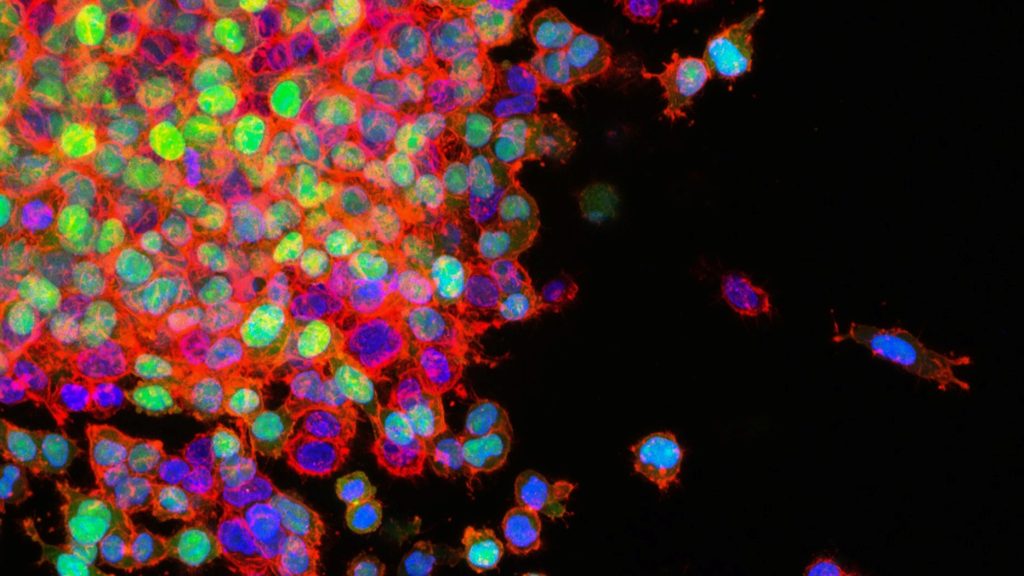
A macrophage digesting a yeast cell (yellow). Credit: NIH

Certain pathogens such as Salmonella have developed strategies to protect themselves from the macrophages’ digesting attempts, causing severe Typhoid infections and inflammations. Scientists report in Nature Metabolism how the inter-organellar crosstalk between phago-lysosomes and mitochondria restricts the growth of such bacteria inside macrophages.

Signals from the digestion cell organelle

As scavenger cells, macrophages have a very prominent digestion organelle, the phago-lysosome, where engulfed microorganisms are commonly degraded into pieces and become inactivated. “It has long been known that the molecule TFEB (Transcription factor EB) is important for the regulation of the phago-lysosomal system. More recent evidence also suggested that TFEB supports the defense against bacteria,” said Max Planck Institute group leader Angelika Rambold.

She and her team wanted to understand how exactly TFEB mediates its anti-bacterial role in macrophages. They confirmed earlier findings showing that a broad range of microbes, bacterial and inflammatory stimuli activate TFEB and thus the phago-lysosomal system.

“It made sense that pathogen signals trigger TFEB as macrophages need a more active digestion system quickly after they devour a meal of bacteria. But, interestingly, the experiments also revealed an additional strong effect of TFEB activation on another intracellular organelle system — mitochondria. This was completely unexpected and novel to us,” said Angelika Rambold.

Instructing mitochondria to increase anti-microbial activity

Composed of inner and outer membranes, mitochondria are the primary sites of cellular respiration and release energy from nutrients. Moreover, the mitochondria in immune cells were recently identified as sources of anti-microbial metabolites.

By using a broad experimental tool set, the investigators identified the pathway controlling an unexpected crosstalk between lysosomes and mitochondria. “Macrophages make use of extensive inter-organellar communication: the lysosome activates TFEB, which shuttles into the nucleus where it controls the transcription of a protein called IRG1. This protein is imported into mitochondria, where it acts as a major enzyme to produce the anti-microbial metabolite itaconate,” explained Angelika Rambold.

Exploiting organelle communication to control bacterial infections

The researchers investigated whether they could make use of this newly identified pathway to control bacterial growth. “We speculated that activating this pathway could be used to target certain bacterial species, such as Salmonella,” said Angelika Rambold. “Salmonella can escape the degradation by the phago-lysosomal system. They manage to grow inside macrophages, which can lead to the spreading of these bacteria to several organs in an infected body,” explained Alexander Westermann, collaborating scientist from the University of Würzburg.

When the researchers activated TFEB in infected macrophages in mice, the TFEB-Irg1-itaconate pathway inhibited the growth of Salmonella inside the cells. These data show that the lysosome-to-mitochondria interplay represents an antibacterial defense mechanism to protect the macrophage from being exploited as a bacterial growth niche.

In light of the increasing emergence of multi-drug resistant bacteria, with more than 10 million expected deaths per year by 2050 according to the various expert groups, it becomes important to identify new strategies to control bacterial infections that escape immune mechanisms. A promising path could be to use the TFEB-Irg1-itaconate pathway or itaconate itself to treat infections caused by itaconate-sensitive bacteria. According to the researchers from more work is needed to assess whether these new intervention points can be successfully applied to humans.

Source: Max Planck Institute of Immunobiology and Epigenetics