Year: 2022

A Novel Hydrogel for Treating Spinal Cord Injury

Photo by Kanasi on Unsplash

Researchers at the Chinese Academy of Sciences have developed an innovative scaffold that regulates the immune microenvironment following a spinal cord injury, thereby reduces secondary injury effects. Their work is reported in Biomaterials.

By modifying a hydrogel with a cationic polymer, polyamidoamine, and  interleukin-10 (IL-10; an anti-inflammatory cytokine), the scaffold could enhance tissue remodelling and promote axonal regeneration.

Spinal cord injuries cause axon damage and neural cell death, leading to dysfunction. A secondary stage of injury follows the primary stage and lasts for several weeks. Infiltration and activation of immune cells triggered by a spinal cord injury creates an inflammatory microenvironment characterised with damage-associated molecular patterns (DAMPs) that exacerbates secondary damage and impairs neurological functional recovery.

With the capabilities of effective scavenging of DAMPs and sustained release of IL-10, such a dual-functional immunoregulatory hydrogel not only reduced pro-inflammatory responses of macrophages and microglia, but also enhanced neurogenic differentiation of neural stem cells.

In a mouse model of spinal cord injury, the scaffold suppressed cytokine production, counteracting the inflammatory microenvironment and regulating immune cell activation, resulting in neural regeneration and axon growth without scar formation.

The dual-functional immunoregulatory scaffold with neuroprotection and neural regeneration effects significantly promoted electrophysiological enhancement and motor function recovery after spinal cord injury.

This study suggests that functional scaffold reconstruction of the immune microenvironment is a promising and effective method for treating severe spinal cord injury.  

Source: Chinese Academy of Sciences

Hydroxychloroquine Effective in Slowing MS

A healthy neuron.
A healthy neuron. Credit: NIH

Promising results for a generic antimalarial drug, hydroxychloroquine, have been seen when used to treat the evolution of disability of primary progressive multiple sclerosis (MS), the least treatable form of the autoimmune disease.

Research teams led by Dr Marcus Koch, MD, PhD, and Dr Wee Yong, PhD, found that hydroxychloroquine helped to slow the progression of disability during the 18-month study involving participants at the MS clinic in Calgary. The research was published in Annals of Neurology.

“With primary progressive MS, there is no good treatment to stop or reverse the progression of disease. The disability progressively worsens through time,” said Dr Koch. “Dr Yong’s research team, with whom we closely collaborate, has been screening a large number of generic drugs over several years and the results with hydroxychloroquine show some promise. Our trial is a preliminary success that needs further research. We hope sharing these results will help inspire that work, specifically larger scale clinical trials into the future.”

The experimental study followed 35 people, at least 40% of whom, or 14 participants, were expected to experience a significant worsening of their walking function, but at the end of the trial only eight participants had worsened.

Hydroxychloroquine is an anti-malaria medication more commonly used to manage the symptoms of rheumatoid arthritis and autoimmune conditions such as lupus. It was selected as it is use in rheumatological diseases is widespread and is generally well-tolerated.

“Based on research in our lab on models of MS, we predicted that hydroxychloroquine would reduce disability in people living with MS. Calgary has a vibrant bench-to-bedside MS program and the work from Dr Koch’s trial offers further evidence which we were pleased to see,” said Prof Yong.

To date, the cause of MS is unknown. This autoimmune disease generally long-lasting, often affecting the brain, spinal cord and the optic nerves in your eyes. It can cause problems with vision, balance and muscle control, although the effects are different for every patient with the disease.

Dr Koch and the research team have been studying the impact of hydroxychloroquine on primary progressive MS for several years and that work continues, including its potential to achieve even greater results as a therapy in combination with select other generic drugs.

Source: EurekAlert!

Men in Medical Face Masks Rated as More Attractive

Source: Sammy Williams on Unsplash

Besides COVID prevention, there is an upside to wearing the ubiquitous face masks worn in many countries: they increase attractiveness, at least in men. 

A study published in Cognitive Research: Principles and Implications measured how different types of face masks changed the attractiveness of 40 male faces.

However, the researchers discovered the type of covering matters – blue medical masks were found to increase facial attractiveness more than other types of masks.

Dr. Michael Lewis, an expert in the psychology of faces, said: “Research carried out before the pandemic found medical face masks reduce attractiveness – so we wanted to test whether this had changed since face coverings became ubiquitous and understand whether the type of mask had any effect.

“Our study suggests faces are considered most attractive when covered by medical face masks. This may be because we’re used to healthcare workers wearing blue masks and now we associate these with people in caring or medical professions. At a time when we feel vulnerable, we may find the wearing of medical masks reassuring and so feel more positive towards the wearer.

“We also found faces are considered significantly more attractive when covered by cloth masks than when not covered. Some of this effect may be a result of being able to hide undesirable features in the lower part of the face—but this effect was present for both less attractive and more attractive people.”

In the study, 43 female participants were asked to rate the attractiveness of images of male faces without a mask; wearing a cloth mask; a blue medical face mask and holding a plain black book covering the area a face mask would hide. The research took place seven months after face masks became mandatory in the UK.

“The results run counter to the pre-pandemic research where it was thought masks made people think about disease and the person should be avoided,” commented Dr Lewis.

“The current research shows the pandemic has changed our psychology in how we perceive the wearers of masks. When we see someone wearing a mask we no longer think ‘that person has a disease, I need to stay away’.

“This relates to evolutionary psychology and why we select the partners we do. Disease and evidence of disease can play a big role in mate selection – previously any cues to disease would be a big turn off. Now we can observe a shift in our psychology such that face masks are no longer acting as a contamination cue.”

Next steps are to see if the reverse holds true for women’s attractiveness to men.

Source: Cardiff University

Chewing Food Thoroughly Helps in Weight Management

Photo by Alex Haney on Unsplash

Previous research has shown that the age-old advice of chewing food thoroughly helps protect against weight again obesity, and now a study has revealed why this is so.

Typically, the chewing process reportedly enhances the energy expenditure associated with the metabolism of food and increases intestinal motility all add up to an increased heat generation in the body, known as diet-induced thermogenesis (DIT). However, how prolonged chewing induces DIT in the body remains unclear. A study published in the journal Scientific Reports answers these questions.

DIT increases energy expenditure above the basal fasting level – a factor known to prevent weight gain. The team previously found that slow eating and thorough chewing not only increased DIT but also enhanced blood circulation in the splanchnic region of the abdomen. Although these studies linked chewing-induced-DIT with increased digestion and absorption-related activity in the abdomen, they left scopes for further exploring a few crucial points.

Senior author Prof Hayashi Naoyuki Hayashi from Waseda University explained: “We were unsure whether the size of the food bolus that entered the digestive tract contributed to the increase in DIT observed after slow eating. Also, do oral stimuli generated during prolonged chewing of food play any role in increasing DIT? To define slow chewing as an effective and scientific weight management strategy, we needed to look deeper into these aspects.”

To find the answers, the researchers designed their new study to exclude the effect of the food bolus by involving liquid food. The entire study included three trials conducted on different days. Volunteers swallow 20mL liquid test food normally every 30 seconds as a control trial. In the second trial, the volunteers kept the same test food in their mouth for 30 seconds without chewing, allowing longer tasting before swallowing. In the third trial they studied the effect of both chewing and tasting; the volunteers chewed the 20mL test food for 30 seconds at a frequency of once per second and then swallowed it. The variables such as hunger and fullness, gas-exchange variables, DIT, and splanchnic circulation were duly measured before and after the test-drink consumption.

While there was no difference in hunger and fullness scores among the trials, as Prof Hayashi describes: “We found DIT or energy production increased after consuming a meal, and it increased with the duration of each taste stimulation and the duration of chewing. This means irrespective of the influence of the food bolus, oral stimuli, corresponding to the duration of tasting food in the mouth and the duration of chewing, increased DIT.” Gas exchange and protein oxidation too increased with the duration of taste stimulation and chewing, and so did blood flow in the splanchnic celiac artery. Since this artery supplies blood to the digestive organs, upper gastrointestinal tract motility also increased in responsivense to chewing.

The study demonstrated that energy expenditure through thorough chewing, though small, could help reduce obesity and metabolic syndrome.

With robust evidence behind it, slow eating and thorough chewing could be the latest recommendations for managing weight.

Source: Waseda University

Breathing New Life into Old Antibiotics

Source: Pixabay CC0

Scientists may have hit upon a way to make frontline antibiotics once again effective against the deadly bacteria that cause pneumonia.

The international team originally developed this as a potential treatment for disorders such as Alzheimer’s, Parkinson’s and Huntington’s diseases to break bacterial resistance to commonly used frontline antibiotics.

Led by University of Melbourne Professor Christopher McDevitt, this discovery may see the comeback of readily available and cheap antibiotics, such as penicillin and ampicillin, as effective weapons in the fight against the rapidly rising threat of antibiotic resistance.

In a paper published in Cell Reports, Prof McDevitt and colleagues described how they discovered a way to break bacterial drug resistance and then developed a therapeutic approach to rescue the use of the antibiotic ampicillin to treat drug-resistant bacterial pneumonia caused by Streptococcus pneumoniae in a mouse model of infection.

The World Health Organization (WHO) last year named antibiotic resistance as one of the greatest threats to global health, food security, and development. Rising numbers of bacterial infections such as pneumonia, tuberculosis, gonorrhoea, and salmonellosis are becoming harder to treat as the antibiotics lose effectiveness against them.

Prof McDevitt’s prior work on bacterial antibiotic resistance using zinc ionophores led to collaborations with University of Queensland’s Professor Mark Walker and Griffith University’s Professor Mark von Itzstein from the Institute for Glycomics.

“We knew that some ionophores, such as PBT2, had been through clinical trials and shown to be safe for use in humans,” Prof von Itzstein said.

Prof Walker said that “as a group, we realised that if we could repurpose these safe molecules to break bacterial resistance and restore antibiotic efficacy, this would be a pathway to a therapeutic treatment. What we had to do was show whether PBT2 broke bacterial resistance to antibiotic treatment without leading to even greater drug resistance.”

“We focused on bacterial pneumonia and the most commonly used antibiotics. We thought that if we could rescue frontline antibiotics and restore their use for treating common infections, this would solve a global problem,” Prof McDevitt added.

An important component was the research from Prof McDevitt’s group that led to making the treatment effective.

“We knew from earlier research that the immune system uses zinc as an innate antimicrobial to fight off infection. So, we developed our therapeutic approach with PBT2 to use the body’s antimicrobial zinc to break antibiotic resistance in the invading bacteria,” he said.

“This rendered the drug-resistant bacteria susceptible to the antibiotic ampicillin, restoring the effectiveness of the antibiotic treatment in the infected animals.”

Collecting the data required for a clinical trial of PBT2 in combination with antibiotics is the next step, said Prof McDevitt.

“We also want to find other antibiotic-PBT2 combinations that have therapeutic potential for treatment of other bacterial infections,” he said.

“Our work shows that this simple combination therapy is safe, but the combinations require testing in clinical trials. What we need now is to move forward with further testing and pharmacology.”

Source: University of Melbourne

Many Young People with Cancer Experiencing Distress in the Pandemic

Photo by Sydney Sims on Unsplash

A new study has reported that many adolescents and young adults with cancer are suffering high psychological distress during the COVID pandemic. During the pandemic, adolescents and young adults with cancer had an 85% higher odds of experiencing psychological distress compared with a similar group surveyed in 2018.

For the study, which was published in Psycho-Oncology, 805 individuals in Canada who were diagnosed with cancer between 15 and 39 years of age completed an online survey.  

More than two‐thirds of the group (68.0%) experienced high psychological distress. Additionally, those whose employment had been disrupted during the pandemic and those with blood cancer were more likely to experience high psychological distress, while those who were older and those with a personal income in 2020 that was less than $40 000 tended to have lower distress.  

The survey revealed overarching themes of pandemic experiences that included inferior quality of life, impairment of cancer care, COVID–related concerns, and extreme social isolation.  

“The pandemic has adversely impacted the mental health of adolescents and young adults with cancer,” said senior author Sapna Oberoi, MBBS, MD, DM, of the University of Manitoba. “The findings of this study underscore the importance of providing enhanced and tailored interventions to combat psychological distress among these patients. Cancer organisations and policymakers must prioritise mental health supports for adolescents and young adults with cancer to optimise their health outcomes and quality of life.”

Source: Wiley

Prompts During Sleep Boosts Recall of Names and Faces

Photo by Cottonbro on Pexels

Hearing names repeated during deep sleep may help bolster recall of names and faces, according to new research from Northwestern University.

The researchers found that people’s name recall improved significantly when memories of newly learned face-name associations were reactivated while they were napping. Uninterrupted deep sleep was key in this improvement.

“It’s a new and exciting finding about sleep, because it tells us that the way information is reactivated during sleep to improve memory storage is linked with high-quality sleep,” said lead author Nathan Whitmore, a PhD candidate in the Interdepartmental Neuroscience Program at Northwestern University.

The research is reported in the Nature partner journal npj Science of Learning.

The three main stages of the experiment of Whitmore et al. (2022). First, participants learned 80 face-name associations. Next, they slept while EEG was monitored to determine sleep stage, and 20 of the spoken names were presented softly over background music during slow-wave sleep. Finally, memory testing showed superior memory due to memory reactivation during sleep, but only when sleep was undisturbed by sound presentations. Credit: Nathan Whitmore, a Ph.D. candidate in the Interdepartmental Neuroscience Program at Northwestern University.

The results also highlighted the importance of adequate sleep: for study participants with EEG measurements that indicated disrupted sleep, the memory reactivation had no effect and may even be detrimental. But in those with uninterrupted sleep during the specific times of sound presentations, the reactivation helped participants recall just over 1.5 more names.

The study recruited 24 participants, aged 18-31 years old, who were asked to memorise the faces and names of 40 pupils from a hypothetical Latin American history class and another 40 from a Japanese history class. When each face was presented again, they were asked to recall the associated name. After the learning exercise, participants took a nap while the researchers carefully monitored brain activity using EEG measurements. When participants reached the N3 “deep sleep” state, some of the names were softly played on a speaker with music that was associated with one of the classes.

When participants awoke, they were again tested on recognising faces and recalling their names.

According to the researchers, the finding on the relationship between sleep disruption and memory accuracy is noteworthy for several reasons.

“We already know that some sleep disorders like apnoea can impair memory,” said Whitmore. “Our research suggests a potential explanation for this—frequent sleep interruptions at night might be degrading memory.”

The lab is currently exploring the reactivation of memories and deliberately disrupting sleep in order to learn more about the relevant brain mechanisms.

Source: EurekAlert!

COVID Misinformation Less Prevalent than Believed

Photo by Markus Winkler on Unsplash

Contrary to what might be expected, misinformation about COVID was less prevalent than for other health topics, researchers found.

Before the COVID pandemic, health misinformation was already widely spread. While all types of information about COVID (including misinformation) were popular between March and May 2020, posts about COVID were more likely to come from governments and academic institutions. Often, these posts were more likely to go viral than posts from sources that routinely spread misinformation.

“At the start of the pandemic, governments and organisations around the world started paying attention to the problem of health misinformation online,” said David Broniatowski, an associate professor at the George Washington University. “But when you compare it to what was going on before the pandemic, you start to see that health misinformation was already widespread. What changed is that, when  COVID-19 hit, governments and social media platforms started paying attention and taking action.”

The researchers collected public posts on Twitter and Facebook at the outset of the pandemic, between March and May 2020, when content about COVID was growing rapidly. They compared those to posts on other health topics from the same time period in 2019, and looked at the credibility of the websites that each post shared. More credible sources included government and academic sources as well as the traditional news media. Sources deemed “not credible” comprised conspiracy-oriented sites and state-sponsored sites known for spreading  propaganda, which were 3.67 times more likely to spread misinformation than credible sites.

“Misinformation has always been present, even at higher proportions before COVID started. Many people knew this, which makes the ensuing misinformation spread during COVID entirely predictable,” said study co-author Mark Dredze, an associate professor at Johns Hopkins University. “Had we been more proactive in fighting misinformation, we may not have been in an anti-vaccination crisis today.”

“These findings suggest that the ‘infodemic’ of misinformation is a general feature of health information online, not one restricted to COVID-19,” Broniatowski said. “Clearly there is a lot of misinformation about COVID, but attempts to combat it might be better informed by comparison to the broader health misformation ecosystem.”

Source: George Washington University

Long-term Use of RAS Inhibitor Drugs Could Damage Kidneys

Photo by Robina Weermeijer on Unsplash

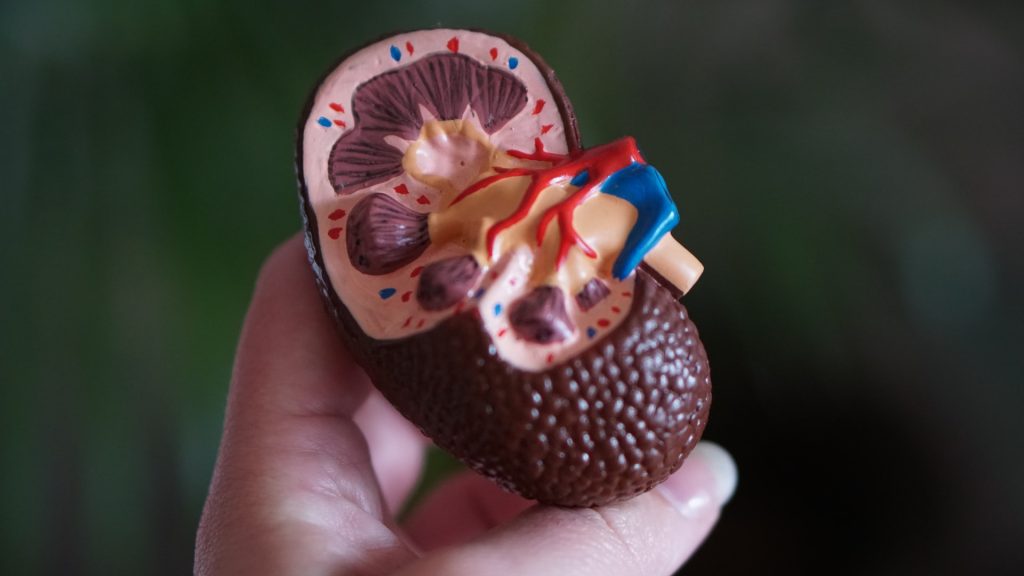
New research is raising concerns that long-term use of renin-angiotensin system (RAS) inhibitor drugs such as ACE inhibitors could be contributing to kidney damage.

The researchers stress that patients should continue taking the medications. But the scientists are urging studies to better understand the drugs’ long-term effects.

“Our studies show that renin-producing cells are responsible for the damage. We are now focusing on understanding how these cells, which are so important to defend us from drops in blood pressure and maintain our well-being, undergo such transformation and induce kidney damage,” said UVA’s Dr Maria Luisa Sequeira Lopez. “What is needed is to identify what substances these cells make that lead to uncontrolled vessel growth.”

A billion people around the world are affected by chronic hypertension. In a study published in JCI Insight, University of Virginia (UVA) researchers were seeking to better understand why severe forms of the condition are often accompanied by atherosclerosis in the kidney, leading to organ damage.

They found that renin cells, which help regulate blood pressure through renin production, play an important role. Harmful changes in the renin cells can cause the cells to invade the walls of the kidney’s blood vessels. The renin cells then trigger a buildup of another cell type, smooth muscle cells, that cause the vessels to thicken and stiffen, resulting in impeded kidney blood flow.

Long-term use of RAS inhibitor drugs, such as ACE inhibitors, or angiotensin receptor blockers, have a similar effect. But the study found that long-term use of the drugs was associated with hardened kidney vessels in both lab mice and humans

The researchers note that the medications can be lifesaving for patients, so they stress the importance of continuing to take them. But they say additional studies are needed to better understand the drugs’ long-term effects on the kidneys.

“It would be important to conduct prospective, randomised controlled studies to determine the extent of functional and tissue damage in patients taking medications for blood pressure control,” said UVA’s Dr Ariel Gomez. “It is imperative to find out what molecules these cells make so that we can counteract them to prevent the damage while the hypertension is treated with the current drugs available today.”

Source: University of Virginia

UK Surgeon Who Branded Initials on Livers Struck Off

Photo by Tingey Injury Law Firm on Unsplash

A liver surgeon in the UK who branded his initials on the livers of two patients has been struck off the medical register.

The incidents, which occurred in 2013, involved the surgeon using an argon beam machine to write his initials “SB” on the livers of two anaesthetised patients while working at Birmingham’s Queen Elizabeth Hospital. In liver transplants, the argon beams are normally used for cauterisation and to highlight areas to work on.

His actions came to light when 4cm initials were discovered by another surgeonon an organ that had been transplanted by Bramhall and failed about a week after the operation. Pictures of the branding were taken with a mobile phone.

Bramhall tendered his resignation at the Birmingham hospital in 2014.

In a review of the case, the UK’s Medical Practitioners Tribunal Service (MPTS) said it was an “act borne out of a degree of professional arrogance”, adding that his actions “undermined” public trust in the medical profession.

In December 2017, Simon Bramhall, admitted two counts of assault by beating at Birmingham Crown Court and was fined £10 000 (R210 000). In December 2020 , he was suspended from the profession for at least five months, but a report from the latest tribunal on Monday said a review hearing on 4 June found his fitness to practise was no longer impaired by reason of his criminal convictions and his suspension lifted.

After an appeal from the General Medical Council (GMC), the sanction was quashed and then the case resubmitted to MPTS for its consideration.

On Monday, MPTS found Bramhall’s actions “breached” the trust between patient and doctor, and he was struck off.

The MPTS tribunal concluded that a suspension order would be “insufficient to protect the wider public interest” and said erasure from the medical register would be an “appropriate and proportionate sanction”.

Source: The Guardian