

Hitting a Nerve – in a Good Way: Vagus Nerve Calms Lung Inflammation
Stimulating a nerve in the ear may alleviate lung inflammation in mice
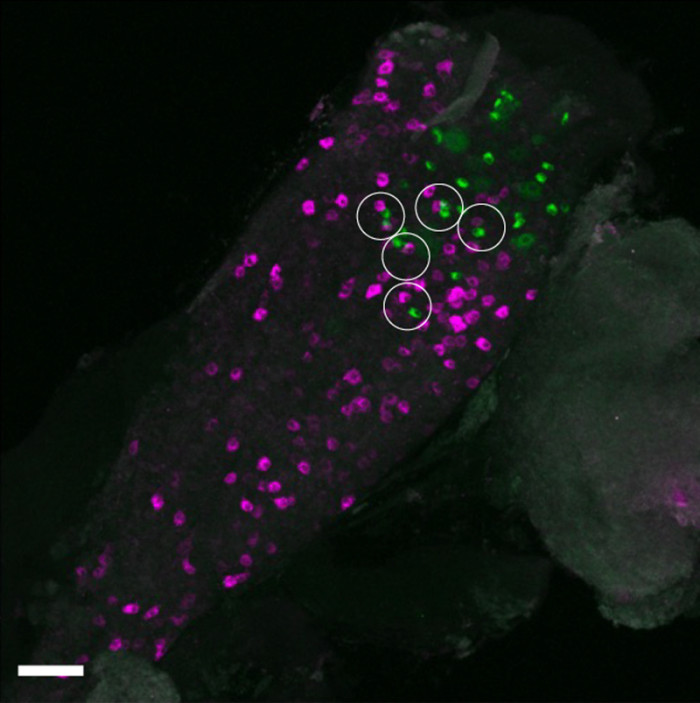
Neuroimmunology, the study of interactions between the nervous and immune systems, is a rapidly growing field enabling new approaches for monitoring and treating inflammatory diseases. In a recent study, scientists showed that in mice, stimulating a nerve in the external ear may help to ease inflammation in the lungs. Based on these findings, which are published in Immunity, the researchers are designing a clinical trial to test a novel device for treating asthma.
“We are always looking for new therapeutics and devices that can kickstart the body and get it back to doing what it needs to do,” says senior and corresponding author Brian S. Kim of the Icahn School of Medicine at Mount Sinai in New York. “This research suggests a new way to target the body’s inflammatory pathways.”
Neuroimmunology took off after research revealed how the vagus nerve – the ‘information superhighway’ that connects the brain to major organs and controls their functions – helps to regulate the immune system.
“The vagus nerve is hardwired to be a homeostatic organ,” says Kim. “You can think of it like a rheostat that integrates everything and keeps it in check.”
For this study, the authors leveraged the unique characteristics of the auricular vagus nerve, the only branch of the vagus nerve that reaches the surface of the skin. This nerve is found in the cymba conchae, the small, bowl-shaped depression in the upper part of the outer ear.
“Given the strong connection between the lungs and the vagus nerve, we sought to use the lungs as a test case to study these mechanisms and see whether manipulating the auricular branch could modulate inflammation,” says Kim.
The team studied these connections in mouse models using several approaches, including chemogenetics and optogenetics, to see what happened when the auricular vagus nerve was stimulated in the presence of an allergen. Their work showed that stimulation of the nerve increased levels of a neurotransmitter protein called CGRPβ in the airway. This, in turn, reduced inflammation in the lung. When the nerve fibres were instead inhibited, airway disease was exacerbated.
“Our findings reveal a previously unrecognised neuroimmune reflex linking the skin and the lung,” says first author Rintaro Shibuya of Kyoto University. “I hope this work inspires new ways of thinking about vagus nerve biology and future bioelectronic and neuroimmune therapies for inflammatory diseases.”
Although the research is in early stages, the team says this approach has many potential applications for treating diseases characterized by inflammation, including pulmonary fibrosis, inflammatory bowel disease, and rheumatoid arthritis.
“We still don’t know the extent to which the effects of stimulating the auricular vagus nerve go beyond the airway, but it’s something we will continue to study in the lab,” says Kim.
Source: Kyoto University
