Tag: long COVID

COVID is Turning Some Children into ‘Fussy Eaters’

Photo by Anna Shvets on Pexels

More and more children could be turning into ‘fussy eaters’ after a bout of COVID, according to smell experts at the University of East Anglia and Fifth Sense, a charity for people affected by smell and taste disorders.

This is because they may be suffering parosmia – a symptom where people experience strange and often unpleasant smell distortions. Once-loved foods like chicken may taste like petrol, for example, making it hard for children to eat those foods and maintain a healthy diet – or even take in enough calories to maintain their weight.

Together, Fifth Sense and leading smell expert Professor Carl Philpott from University of East Anglia, are launching guidance to help parents and healthcare professionals better recognise the disorder.

Prof Carl Philpott said: ”Parosmia is thought to be a product of having less smell receptors working which leads to only being able to pick up some of the components of a smell mixture. It’s a bit like Eric Morecambe famously said to Andre Previn – ‘it’s all the right notes but not necessarily in the right order’.

He said that as COVID swept through classrooms in the UK, there has been a growing awareness that it is affecting children too. “In many cases the condition is putting children off their food, and many may be finding it difficult to eat at all.

“It’s something that until now hasn’t really been recognised by medical professionals, who just think the kids are being difficult eaters without realising the underlying problem. For Prof Philpott, he is seeing teenage patients with parosmia for the first time in his career.

Fifth Sense Chair and founder Duncan Boak said: “We’re hearing anecdotal evidence that children are really struggling with their food after covid.

“If children are suffering smell distortions – and food smells and tastes disgusting – it’s going to be really hard for them to eat the foods they once loved.

“We’ve heard from some parents whose children are suffering nutritional problems and have lost weight, but doctors have put this down to just fussy eating. We’re really keen to share more information on this issue with the healthcare profession so they’re aware that there is a wider problem here.”

Together with Prof Philpott, Fifth Sense have put together guidance for parents and healthcare providers to help recognition and understanding of the problem.

The guidance shows that children should be listened to and believed. Parents can help by keeping a food diary noting those that are safe and those that are triggers.

“Establishing what the triggers are and what tastes ok is really important,” said Prof Philpott.

“There are lots of common triggers – for example cooking meat and onions or garlic and the smell of fresh coffee brewing, but these can vary from child to child.

“Parents and healthcare professionals should encourage children to try different foods with less strong flavours such as pasta, bananas, or mild cheese – to see what they can cope with or enjoy.

“Vanilla or flavour-free protein and vitamin milkshakes can help children get the nutrients they need without the taste. And it may sound obvious, but children could use a soft nose clip or hold their nose while eating to help them block out the flavours.”

Smell training’ has emerged as a simple and side-effect free treatment option for various causes of smell loss, and is a final option to consider.

Prof Philpott said: “Smell training involves sniffing at least four different odours – for example eucalyptus, lemon, rose, cinnamon, chocolate, coffee, or lavender – twice a day every day for several months.

“Children should use smells that they are familiar with and are not parosmia triggers. In younger children this might not be helpful, but in teenagers this might be something they can tolerate.”

Source: University of East Anglia

Over 50s Have Greater Risk of Reduced Mobility after COVID

Photo by Bennett Tobias on Unsplash

Adults over 50 with mild or moderate COVID have increased risk of worsening mobility and physical function, even if hospitalisation is not required to treat the virus, new research has found.

The study, published in JAMA Network Open, highlights the burden of COVID among middle-aged and older adults who are not hospitalised, and suggests that even those who experienced even mild COVID have lasting, troublesome symptoms.

Researchers surveyed more than 24 000 people over the age of 50 from across Canada during the initial phase of the lockdown in 2020 to determine the effect of a COVID diagnosis on their mobility. 

The team looked at mobility issues including difficulty getting up from sitting in a chair, ability to walk up and down stairs without assistance and walking two to three neighbourhood blocks, as well as changes in participants’ ability to move around the home, engage in housework and physical activity.

“We found that even those with mild and moderate illness due to COVID experienced adverse changes in mobility and physical function compared to individuals without COVID,” said co-author Professor Susan Kirkland.

“These findings are worth noting because they indicate that the negative effects of COVID are much broader and impact a wider range of older adults than those who are hospitalised for COVID.”

Participants with COVID had nearly double the odds of worsening mobility and physical function, although most had mild or moderate symptoms. Of the 2748 individuals with confirmed, probable or suspected COVID, 94% were not hospitalised.

Individuals with confirmed or probable COVID had double the odds of worsening ability to engage in household activities and participate in physical activity than those without COVID. Similar results were found for those with suspected COVID.

“Our results showed there was a higher risk for mobility problems in people who were older, had lower income, those with three or more chronic conditions, low physical activity and poorer nutrition,” said co-author, assistant professor Marla Beauchamp.

“However, those factors alone did not account for the mobility problems we observed among people with COVID. Rehabilitation strategies need to be developed for adults who avoid hospitalisation due to COVID but still need support to restore their mobility and physical function.”

The researchers concluded that there is a need to further understand the long-term impacts of COVID and consider “the development and implementation of effective intervention and management approaches to address any persistent deficits in mobility and functioning among those living in the community.”

Source: Dalhousie University

Long COVID in More Than Half of Survivors

Photo by Joice Kelly on Unsplash

More than half of the 236 million people diagnosed with COVID around the world will experience ‘long COVID’ up to six months after recovering, according to Penn State College of Medicine researchers.

During their illnesses, many patients with COVID experience symptoms, such as tiredness, difficulty breathing, chest pain, sore joints and loss of taste or smell.

There have been few studies focussing on patients’ health after recovering from COVID. The researchers examined worldwide studies involving unvaccinated patients who recovered from COVID in order to understand the short and long term impacts of infection. The study found that both adults and children can experience several adverse health issues for six months or longer after recovering from COVID.

The researchers conducted a systematic review of 57 reports that included data from 250 351 unvaccinated adults and children who were diagnosed with COVID from December 2019 through March 2021. Among those studied, 79% were hospitalised, and most patients (79%) lived in high-income countries. Patients’ median age was 54, and 56% were male.

Patients’ health post-COVID was analysed during three intervals at one month (short-term), two to five months (intermediate-term) and six or more months (long-term).

Survivors were found to experience an array of residual health issues associated with COVID,.which generally affected a patient’s general well-being, their mobility or organ systems. Overall, half of survivors experienced long-term COVID manifestations, and these rates remained largely constant from one month through six or more months after their initial illness.

Several trends were observed among survivors, such as:

  • General well-being: More than half of all patients reported weight loss, fatigue, fever or pain.
  • Mobility: Roughly a fifth of survivors had a decrease in mobility.
  • Neurologic concerns: Nearly one quarter of survivors had difficulty concentrating.
  • Mental health disorders: Nearly a third of patients were diagnosed with generalised anxiety disorders.
  • Lung abnormalities: Six in ten survivors had chest imaging abnormality and more than a quarter of patients had difficulty breathing.
  • Cardiovascular issues: Chest pain and palpitations were among the commonly reported conditions.
  • Skin conditions: Nearly a fifth of patients experienced hair loss or rashes.
  • Digestive issues: Stomach pain, lack of appetite, diarrhoea and vomiting were among the commonly reported conditions.

“The burden of poor health in COVID survivors is overwhelming,” said co-lead investigator Dr Paddy Ssentongo, assistant professor at the Penn State Center for Neural Engineering. “Among these are the mental health disorders. One’s battle with COVID doesn’t end with recovery from the acute infection. Vaccination is our best ally to prevent getting sick from COVID and to reduce the chance of long-COVID even in the presence of a breakthrough infection.”

The mechanisms behind long COVID remain little understood. These symptoms could result from immune-system hyperactivation, lingering infection, reinfection or an increased production of tissue-attacking autoantibodies. SARS-CoV-2 can access, enter and live in the nervous system, resulting in commonly occurring nervous system symptoms such as taste or smell disorders, memory impairment and decreased attention and concentration commonly.

Dr Ssentongo noted that the study did not rule out other causes from the symptom besides COVID.

Early intervention will be crucial for improving the quality of life for many COVID survivors, and in the years ahead, health care providers will likely see an influx of patients with psychiatric and cognitive problems, such as depression, anxiety or post-traumatic stress disorder who were otherwise healthy before contracting COVID. Healthcare systems in low- and middle-income countries risked being overwhelmed with 

“Since survivors may not have the energy or resources to go back and forth to their health care providers, one-stop clinics will be critical to effectively and efficiently manage patients with long COVID,” Dr Ssentongo said. “Such clinics could reduce medical costs and optimise access to care, especially in populations with historically larger health care disparities.”

Source: Penn State

Micro Clots Explain Some Long COVID Symptoms

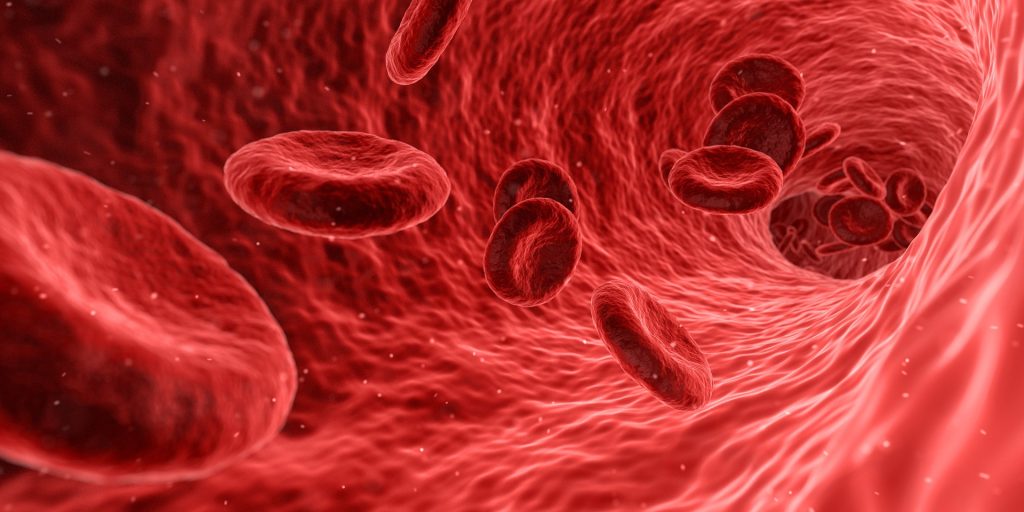
Source: Wikimedia CC0

Researchers at Stellenbosch University had discovered that an overload of inflammatory molecules, literally ‘trapped’ inside insoluble microscopic blood clots, might be behind some Long COVID symptoms.

From almost the beginning of the pandemic, blood clots have been reported in COVID patients in various organs besides the lungs.

Prof Resia Pretorius, a researcher at Stellenbosch University (SU), made this finding when she began examining micro clots and their molecular content in blood samples from individuals with Long COVID. The findings were reported in Cardiovascular Diabetology.

“We found high levels of various inflammatory molecules trapped in micro clots present in the blood of individuals with Long COVID. Some of the trapped molecules contain clotting proteins such as fibrinogen, as well as alpha(2)-antiplasmin,” Prof Pretorius explains.

Alpha(2)-antiplasmin prevents blood clot breakdown, while fibrinogen is the main clotting protein. Normally, the body’s plasmin-antiplasmin system maintains a fine balance between blood clotting and fibrinolysis.

With high levels of alpha(2)-antiplasmin in the blood of COVID patients and individuals suffering from Long COVID, the body’s ability to break down blood clots is inhibited.

Dr Maré Vlok, a senior analyst in the Mass Spectrometry Unit, noticed that the blood plasma samples from individuals with acute COVID and Long COVID continued to deposit insoluble pellets at the bottom of the tubes after dilution (a process called trypsinisation).

He alerted Prof Pretorius to this, which she then investigated further, using fluorescence microscopy and proteomics analysis. This marks the first reported detection micro clots in blood samples from those with Long COVID.
“Of particular interest is the simultaneous presence of persistent anomalous micro clots and a pathological fibrinolytic system,” they wrote. This implies that the plasmin and antiplasmin balance may be central to pathologies in Long COVID, and provides further evidence that COVID, and now Long COVID, have significant cardiovascular and clotting pathologies.

Further research is recommended into a regime of therapies to support clotting and fibrinolytic system function in individuals with lingering Long COVID symptoms.

Working with vascular internist and article co-author, Dr Jaco Laubscher from Mediclinic Stellenbosch, they now plan to perform the same analysis on a larger sample of patients. 

Source: Stellenbosch University

After Anti-vaxx Protest, Western Cape Government Speaks Out

Photo by Marisol Benitez on Unsplash

After a group of anti-vaxxer demonstrators gathered outside Groote Schuur Hospital (GSH), Western Cape Health authorities have slammed anti-vaxxers for inflaming vaccine hesitancy. Even so, there was a record vaccination turnout on Friday when inoculations were offered to over 18s.

“I just don’t understand why people don’t believe us when we say that the vaccines are safe,” Western Cape Health Department’s Dr Saadiq Kariem said, warning of the damage that misinformation can do.

“There’s no 3G in the vaccine. There’s certainly no conspiracy theory. All we’re trying to do is help by making sure that the population is as protected as possible against coronavirus,” Dr Kariem said, adding that it was even more dangerous when medical professionals were against the shots.

“It just baffles my mind how other medical professionals can, in fact, be anti-vaccination because people will believe professionals, you know, and take their word as they’ve studied this field,” he added. Some of the protesters were carrying signs in support of controversial anti-vaxxer doctors.

IOL reports that one man who was employed by the hospital and chose not to be named, stood alone in the street and faced down the protesters with a sign saying “Covidiots”. He said the pandemic had been happening for 18 months, and that the ignorance of the crowd was disgraceful.

Just before the protests got underway, the University of Cape Town had released a statement in support of GSH. “The Faculty stands in solidarity with the staff (including cleaners, security, admin staff, drivers etc) of GSH. We stand in support of their work and the herculean efforts they have taken across the era of this pandemic under extremely challenging circumstances and often at personal risk. We salute the work of our partners in delivering the best possible care in responding to the world’s greatest human tragedy.”

Source: Eyewitness News

Why COVID is So Hard to Treat

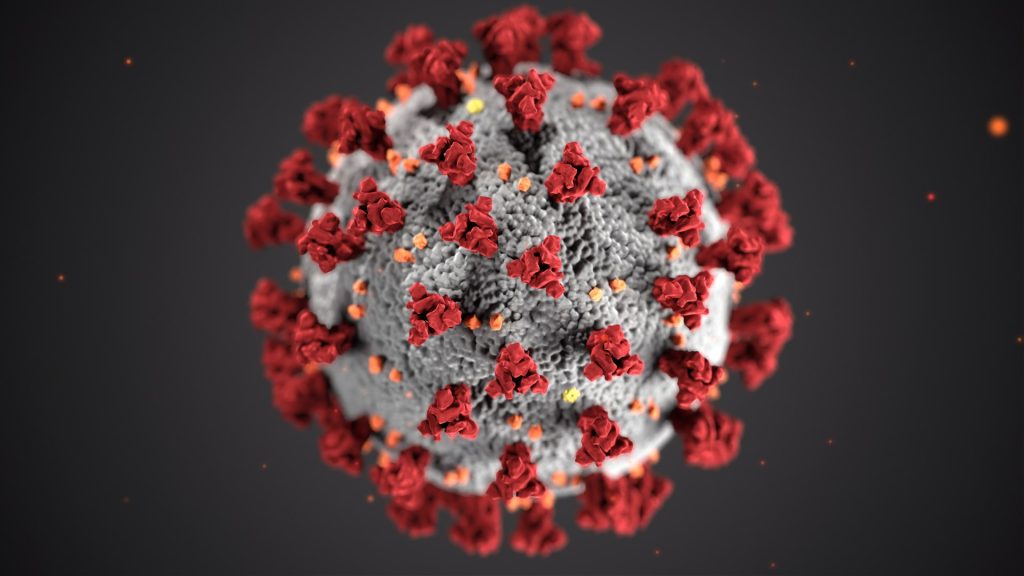
The SARS-CoV-2 coronavirus. Photo by CDC on Unsplash

A comprehensive review of what is so far known about the coronavirus its functions suggests the virus has a unique infectious profile, explaining why COVID is so difficult to treat and often leaves survivors with debilitating ‘long COVID’ symptoms.

In a review recently published in The Lancet Respiratory Medicine, the authors review what is currently known about COVID, and find that it works differently to most pathogens.   

Evidence increasingly points to the virus infecting both the upper and lower respiratory tracts. In contrast, ‘low pathogenic’ human coronavirus sub-species typically settle in the upper respiratory tract, causing cold-like symptoms, while ‘high pathogenic’ viruses, such as those that cause SARS and ARDS, typically settle in the lower respiratory tract.

Additionally, COVID has evolved a uniquely challenging set of characteristics as evidenced by more frequent multi-organ impacts, blood clots, and an unusual immune-inflammatory response not commonly associated with other similar viruses.

While animal and experimental models imply an overly aggressive immune-inflammation response is a key driver, it seems things work differently in humans: Although inflammation is a factor, it is a unique dysregulation of the immune response that causes our bodies to mismanage the way they fight the virus.

This could explain the ‘long COVID’ phenomenon that some people experience after infection, struggling with significant health issues months after infection. Long COVID is characterised by symptoms of fatigue, headache, difficulty breathing and loss of sense of smell. It is more likely with increasing age, body mass index and female sex

“The emergence of severe acute respiratory syndrome coronavirus two (SARS-CoV-2), which causes COVID-19, has resulted in a health crisis not witnessed since the 1918 Spanish flu pandemic. Tragically, millions around the world have died already,” said co-author Ignacio Martin-Loeches, Clinical Professor in Trinity College Dublin’s School of Medicine, and Consultant in Intensive Care Medicine at St James’s Hospital.

“Despite international focus on the virus, we are only just beginning to understand its intricacies. Based on growing evidence we propose that COVID-19 should be perceived as a new entity with a previously unknown infectious profile. It has its own characteristics and distinct pathophysiology and we need to be aware of this when treating people.

“That doesn’t mean we should abandon existing best-practice treatments that are based on our knowledge of other human coronaviruses, but an unbiased, gradual assembly of the key COVID-19 puzzle pieces for different patient cohorts—based on sex, age, ethnicity, pre-existing comorbidities—is what is needed to modify the existing treatment guidelines, subsequently providing the most adequate care to COVID-19 patients.”

Source: Medical Xpress

Journal information: Marcin F Osuchowski et al, The COVID-19 puzzle: deciphering pathophysiology and phenotypes of a new disease entity, The Lancet Respiratory Medicine (2021). DOI: 10.1016/S2213-2600(21)00218-6

Treatment of Lingering COVID Pain is Challenging

The treatment of pain in recovered COVID patients poses unique challenges, said a pain expert presenting at the American Academy of Pain Medicine virtual meeting.

“A lot of these patients are going to need rehabilitation” or physical therapy, noted Natalie Strand, MD, of the Mayo Clinic in Scottsdale, Arizona, at the meeting. “There can be quite a bit of deconditioning that occurs, especially after a prolonged ICU stay. Neuropathic pain is also quite common.”

Post-COVID neuropathy may be viral or else possibly related to patient positioning, including prone positioning. Some patients “may need short-term opioids or gabapentinoids and they may experience aggravation of prior underlying pain, either due to direct physical causes or to the increase in anxiety and depression that can accompany a COVID infection,” Dr Strand said.

A study that followed 143 patients two months after acute COVID showed a high proportion reported persistent symptoms — including fatigue (53%), joint pain, (27%) and chest pain (22%) — that often results in patients going to a pain clinic for care, she noted.

Persistent pain remains prevalent, following any ICU admission, ranging from 28% to 77%, according to Dr Strand.

Chronic neuropathic pain after a COVID patient’s ICU stay can include muscle pain related to joint contractures or muscle atrophy, and pain due to critical illness myopathy or polyneuropathy. In addition, peripheral nerve injuries have been associated with prone positioning for COVID–related acute respiratory distress syndrome, Dr Strand added. Complications from traumatic procedures like placement of chest tubes or tracheotomy can also cause chronic neuropathic pain.

Dr Strand noted that pain can persist after discharge of COVID patients, as indicated by follow-ups. In China, three-quarters of patients previously hospitalised with COVID continued to report at least one symptom 6 months later, with fatigue or muscle weakness by far the most common symptoms (63%). “Compared with 2-month follow up, 6 months later we see the same trends,” she pointed out.

In that study, “13% of the patients who did not develop an acute renal injury during their hospital stay and presented with normal renal function exhibited a decline in GFR at follow up,” Dr Strand noted. This may signal caution about using NSAIDS to manage pain in some patients, she said: “Normal renal function at discharge does not necessarily mean it will remain this way 6 months afterwards.”

There may be a relationship with the SARS-CoV-2 virus and chronic neuropathic pain, Strand observed. In a recent article in Pain Reports, “the authors concluded it could be direct or indirect effects of the virus on the nervous system that can cause neuropathic pain,” she noted. “We know that there are neuropathic symptoms involved with the famous loss of taste and loss of smell with presentation,” she continued. “But also in the acute phase, we commonly see headache, dizziness, muscle pain, ataxia, and in hospitalized patients we see stroke, meningitis, encephalitis, and autoimmune disorders like Guillain-Barré syndrome and acute disseminated encephalomyelitis.”

Psychological stressors can also be related to the emergence of chronic pain, added Dr Strand. “Anxiety and depression often follows COVID-19 infection,” she said. “It may be wise to screen our patients for anxiety and depression after infection to see if we can further control these components to help manage their pain overall.”

Source: MedPage Today

Presentation information: Strand NH “Treating the COVID-Recovered Patient: An Evolving Understanding” AAPM 2021.

Loss of Smell and Taste in COVID Explained

Cut lemon. Photo by Karolina Grabowska from Pexels

New research awaiting peer review uncovers why the loss of sense of taste is one of the symptoms of COVID infection.  New research has found that taste receptors have ACE2 and are also at risk for SARS-CoV-2 invasion.

Understanding the presence of viral infection in taste buds could help treat people with ‘long COVID’ who could continue to experience changes in or loss of taste months after the initial infection.

SARS-CoV-2 uses the angiotensin-converting enzyme 2 (ACE2) enzyme attached to the membranes of cells as their point of entry. ACE2 enzymes are present all over the body, especially in the lungs and nose, coinciding with COVID’s early symptoms of loss of smell and difficulty breathing. Loss of taste is another early COVID infection sign, although the mechanism behind this is unclear. 

“By demonstrating the co-localization of SARS-CoV-2 virus, Type II taste cell marker, and the viral receptor ACE2, we show evidence for replication of this virus within taste buds that could account for acute taste changes during active COVID-19,” wrote the authors. “This work also shows that the proliferation of the taste stem cells in recovering patients may take weeks to return to their pre-COVID-19 state, providing a hypothesis for more chronic disruption of taste sensation, reports of which are now appearing in the medical literature.”

Source: Wikimedia. CC0 Creative Commons
Diagram of the tongue. The fungiform papillae is located near the centre of the tongue.

ACE2 is present on Type II taste bud cells on the tongue. There are three cranial nerves (CN VII, IX and X) that are involved in relaying taste information to the central nervous system. Taste is first discriminated in taste receptor cells (TRCs) within taste buds located in circumvallate (CVP), foliate (FLP) and fungiform papillae (FP) in the tongue. Three defined TRCs relay five basic tastes. Stem cells around the taste bud receive signals from taste cells, prompting differentiation into a replacement TRC. 

The researchers identified 5000 to 10 000 taste buds, with almost half located at the base of the tongue called circumvallate papillae. ACE2 was found to be coexpressed with phospholipase C β2 used in the signaling of type II taste receptor cells. Taste receptor cells in the back of the tongue, a region known as fungiform pallipae, also had ACE2 receptors, providing further evidence of a viral entry point for SARS-CoV-2.

“Replication of virus can likely then occur undisturbed and allow for transmission from the taste bud into circulation, and locally infect lingual and salivary gland epithelium, oral mucosa and larynx and even on into the lungs,”

Case Studies of Altered Taste During and After COVID Infection

A 45-year old woman with COVID and controlled hypertension reported changes in her sense of taste, including not being able to taste the sweetness from chocolate and describing curry as ‘white’ and her tongue was enlarged and redder around the fusiform pallipae.

SARS-CoV-2 RNA was found in samples taken from that area, specifically in PLCB2 positive cells. The virus was also found in the lamina propria with disruptions in the stem cell layer. Symptoms improved after six weeks, along with taste perception.

A 63-year-old man with no preexisting conditions had donated samples of his fusiform pallipae in 2019, and more samples were taken six weeks after testing positive for COVID. He experienced several long COVID symptoms, including mild loss of taste — coffee tasted like mud, and he could not taste chocolate. The virus was not present in samples of his fusiform pallipae 10 weeks after infection. However, he had altered changes to the stem cell layer of the tongue compared to the 2019 samples.

The researchers suggested that stem cell impairments may affect taste bud cell turnover and could contribute to the delayed return of sense of taste.

Source: News-Medical.Net

Journal information: Doyle ME, et al. Human Taste Cells Express ACE2: a Portal for SARS-CoV-2 Infection. bioRxiv, 2021. doi: https://doi.org/10.1101/2021.04.21.440680
https://www.biorxiv.org/content/10.1101/2021.04.21.440680v1

Nearly a Third of COVID Patients Are Readmitted to Hospital

According to a study reported by The Telegraph, almost a third of COVID patients are readmitted to hospital later. The new study, still on the MedRxiv preprint server and not yet peer reviewed, was conducted by Leicester University and the Office for National Statistics (ONS).

Approximately 1 in 10 people who are infected with COVID go on to develop long COVID symptoms, which include breathlessness, excessive fatigue and muscle aches. This appears to be causing hospital readmissions – and deaths.

The study looked at 47 780 individuals with a primary diagnosis of COVID who had a hospital visit between 1 January 2020 and 31 August 2020, and a COVID-negative control group admitted over the same period. The mean follow-up time was 140 days for those with a COVID diagnosis, and during this team 29.4% were readmitted and 12.3% died. The study also found a higher risk in those under 70 and of ethnic minority groups in the UK, most notably in respiratory diseases.

Study author Kamlesh Khunti, professor of primary care diabetes and vascular medicine at Leicester University, said: “This is the largest study of people discharged from hospital after being admitted with Covid.

“People seem to be going home, getting long-term effects, coming back in and dying. We see nearly 30 per cent have been readmitted, and that’s a lot of people. The numbers are so large.”The message here is we really need to prepare for long Covid. It’s a mammoth task to follow up with these patients and the NHS is really pushed at the moment, but some sort of monitoring needs to be arranged.”

One finding which surprised the team was that many patients went back in and had a new diagnosis, such as liver, heart or kidney conditions, as well as diabetes. This means, according to Prof Khunti, that it is important for patients to receive follow-up and protective therapies such as statins or aspirin, adding: “We don’t know if it’s because Covid destroyed the beta cells which make insulin and you get Type 1 diabetes, or whether it causes insulin resistance, and you develop Type 2, but we are seeing these surprising new diagnoses of diabetes.”

Source: Yahoo News