

Tag: ketamine

How Ketamine Flips the Brain’s Switch for Depression

Depression, young man
Source: Andrew Neel on Unsplash

Ketamine, an established anaesthetic and increasingly popular antidepressant, dramatically reorganises activity in the brain, as if a switch had been flipped on its active circuits, according to a new study published in a Nature Neuroscience paper.

Researchers observed greatly altered patterns of neuronal activity in the cerebral cortex of animal models after ketamine administration – normally active neurons were silenced while another set that were normally quiet suddenly sprang to action.

This ketamine-induced activity switch in key brain regions tied to depression may impact our understanding of ketamine’s treatment effects and future research in the field of neuropsychiatry.

“Our surprising results reveal two distinct populations of cortical neurons, one engaged in normal awake brain function, the other linked to the ketamine-induced brain state,” said the co-lead and co-senior author Joseph Cichon, MD, PhD, an assistant professor at the University of Pennsylvania. “It’s possible that this new network induced by ketamine enables dreams, hypnosis, or some type of unconscious state. And if that is determined to be true, this could also signal that it is the place where ketamine’s therapeutic effects take place.”

Anaesthesiologists routinely deliver anesthetic drugs before surgeries to reversibly alter activity in the brain so that it enters its unconscious state. Since its synthesis in the 1960s, ketamine has been a mainstay in anaesthesia practice because of its reliable physiological effects and safety profile. One of ketamine’s signature characteristics is that it maintains some activity states across the surface of the brain (the cortex). This contrasts with most anaesthetics, which work by totally suppressing brain activity. It is these preserved neuronal activities that are thought to be important for ketamine’s antidepressant effects in key brain areas related to depression. But, to date, how ketamine exerts these clinical effects remains mysterious.

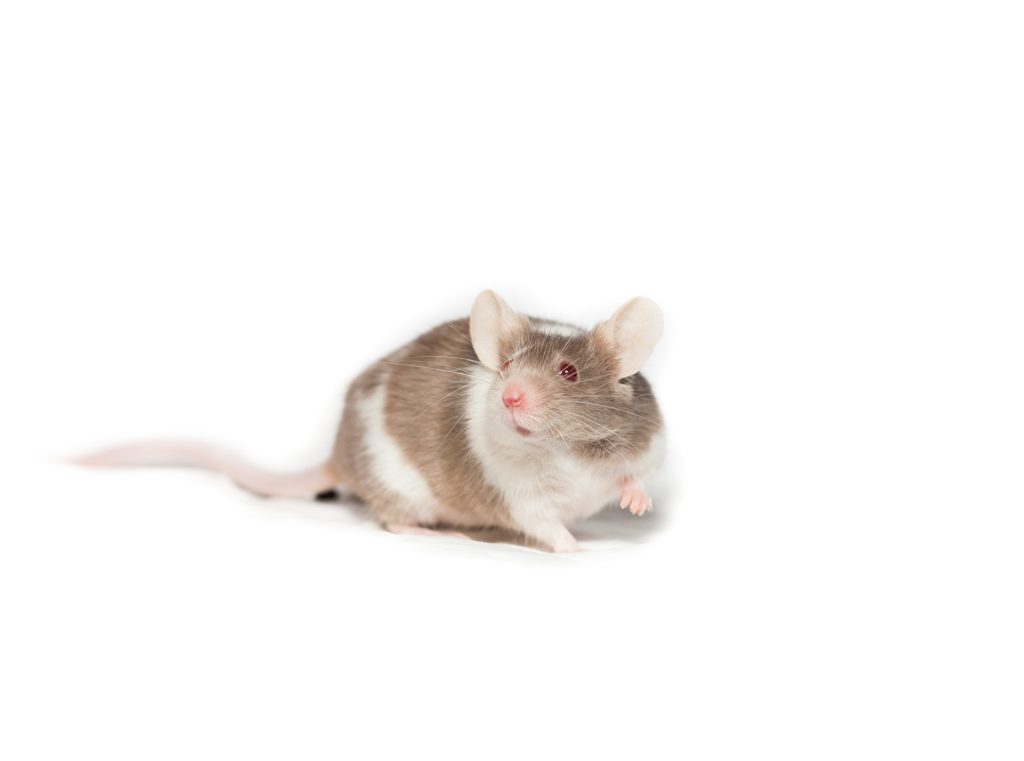
In their new study, the researchers analysed mouse behaviours before and after they were administered ketamine, comparing them to control mice who received placebo saline. One key observation was that those given ketamine, within minutes of injection, exhibited behavioural changes consistent with what is seen in humans on the drug, including reduced mobility, impaired responses to sensory stimuli, which are collectively termed “dissociation.”

“We were hoping to pinpoint exactly what parts of the brain circuit ketamine affects when it’s administered so that we might open the door to better study of it and, down the road, more beneficial therapeutic use of it,” said co-lead and co-senior author Alex Proekt, MD, PhD, an associate professor at Penn.

Two-photon microscopy was used to image cortical brain tissue before and after ketamine treatment. By following individual neurons and their activity, they found that ketamine turned on silent cells and turned off previously active neurons.

The neuronal activity observed was traced to ketamine’s ability to block the activity of synaptic receptors called NMDA receptors and ion channels called HCN channels. The researchers found that they could recreate ketamine’s effects without the medications by simply inhibiting these specific receptors and channels in the cortex. The scientists showed that ketamine weakens several sets of inhibitory cortical neurons that normally suppress other neurons. This allowed the normally quiet neurons, the ones usually being suppressed when ketamine wasn’t present, to become active.

The study showed that this dropout in inhibition was necessary for the activity switch in excitatory neurons – the neurons forming communication highways, and the main target of commonly prescribed antidepressant medications. More work will need to be undertaken to determine whether the ketamine-driven effects in excitatory and inhibitory neurons are the ones behind ketamine’s rapid antidepressant effects.

“While our study directly pertains to basic neuroscience, it does point at the greater potential of ketamine as a quick-acting antidepressant, among other applications,” said co-author Max Kelz, MD, PhD. “Further research is needed to fully explore this, but the neuronal switch we found also underlies dissociated, hallucinatory states caused by some psychiatric illnesses.”

Source: University of Pennsylvania School of Medicine

Mouse Study Examines the Possible Addiction Risks of Ketamine

Mouse
Photo by Kanasi on Unsplash

The commonly used anaesthetic ketamine, which is also increasingly prescribed for the relief of depression symptoms, has created concern over whether it poses an addiction risk.

University of Geneva (UNIGE) researchers found that ketamine triggers an increase in dopamine in mice’s brains, and that it also inhibits a specific receptor that precludes the progression to addiction. These results can be found in the journal Nature.

For the past ten years or so, ketamine has also been prescribed to treat the depressive symptoms of people who are resistant to conventional treatments. Its action has the advantage of a swift onset, acting within hours of the first dose, whereas traditional antidepressants take several weeks to act. Although its prescription is increasing for this type of treatment, this substance is still widely debated within the scientific community.

”Some people believe that ketamine presents a strong addictive risk if taken for a long time, others do not. The whole point of our research was to try to provide some answers,” explained Professor Christian Lüscher.

Brief reward system stimulation
The UNIGE researchers allowed mice to self-administer doses of ketamine. ”The drugs intensely stimulate the reward system in the brain, which leads to an increase in dopamine levels. The first step was to observe whether this mechanism was also at work when taking ketamine,” explained Yue Li, a Postdoctoral Scholar in the Department of Basic Neuroscience at the UNIGE Faculty of Medicine.

The scientists found that dopamine levels increased with each dose and induced a positive reinforcement in the mice, which motivated them to repeat the self-administration. ”However, unlike cocaine, for example, we found that the dopamine level fell very quickly after taking the drug,” said Dr Li.

A drug that leaves no ‘mark’
Probing the mechanism behind this phenomenon, the researchers discovered that ketamine triggered an increase in dopamine by inhibiting a molecule called NMDA receptor in the reward centre of the rodent brain. Dopamine then binds to another receptor (called the D2 receptor), which acts as a rapid brake on the increase in dopamine. The researchers also confirmed that the action of the NMDA receptor is necessary to modify the communication between the nerve cells that underlie the behavioural change leading to addiction. Ketamine’s inhibition of the NMDA receptor makes this modification impossible.

”The consequence of this dual action of ketamine is that it does not induce the synaptic plasticity that addictive drugs do and that persists in the brain after the substance has worn off. It is this memorization of the product in the reward system – absent in the case of ketamine – that drives the repetition of consumption,” explained Prof Lüscher. “Therefore, the addictive risk of ketamine appears to be zero in rodents. Is this also the case in humans? Could this risk vary according to the individual? Our study provides a solid framework for debating access to its therapeutic use,” concludes Christian Lüscher.

Source: Université de Genève

New Applications for Ketamine in Mental Health

Woman with depression
Photo by Sydney Sims on Unsplash

Researchers have identified the fast-acting dissociative anaesthetic ketamine has significant potential as a treatment for mental health conditions. First manufactured more than 50 years ago, ketamine is often used in veterinary and emergency medicine. It also has a history of being an illicit party drug.

In a recent study published in the British Journal of Psychiatry, the research team found ketamine to have significant anti-depressant and anti-suicidal effects. They also found evidence that even more benefits.

Led by Psychology Professor Dr Zach Walsh and doctoral student Joey Rootman, the research team arrived at this conclusion after analysing more than 150 worldwide studies on the effects of sub-anaesthetic ketamine doses for the treatment of mental illness.

“We found strong evidence that indicates ketamine provides rapid and robust anti-depressant and anti-suicidal effects, but the effects were relatively short-lived,” explained Rootman. “However, repeated dosing appeared to have the potential to increase the duration of positive effects.”

The study also provides limited evidence to suggest a possible use for ketamine in the treatment of other disorders, such as eating disorders, problematic substance use, post-traumatic stress and anxiety.

“What our research provides is an up-to-date overview and synthesis of where the knowledge on ketamine is at right now,” said Rootman. “Our results signal that ketamine may indeed have a broader spectrum of potential applications in psychiatric treatment—and that tells us that more investigation is needed.”

This study serves as a foundation for fellow researchers looking to design ketamine-related projects and offers valuable data for clinicians considering using ketamine with their patients.

The results also help to satisfy the public’s appetite for information on innovative and emerging psychiatric treatments, said Dr Walsh, explaining that the review provides a relatively compact document with evidence regarding which ketamine treatments may be helpful for diverse diagnoses.

With many people experiencing mental health disorders, Dr Walsh said that “the reality is that existing treatments don’t work for everyone. As a result, many Canadians are curious about new approaches to help with these serious conditions.”

Overall, while Dr Walsh acknowledges research into other treatment areas is just beginning, he finds the preliminary evidence encouraging.

“We need a lot more information on how these interventions could work – for example, administering the drug is only a part of treatment. We need to figure out what amount and type of psychotherapy would best compliment the drug intervention to really maximise potential benefits,” he explained. “With that being said, it is a truly exciting time for ketamine research. If it can deliver the relief that early evidence suggests it can, this could be among the most significant developments in mental health treatment in decades.”

Source: University of British Columbia

Ketamine Holds Promise as a Treatment for Depression

Source: Unsplash

New research with low doses of the anaesthetic ketamine, recently approved by the FDA for use as an antidepressant, shows the drug could provide longer-lasting relief.

Depression is often treated with selective serotonin reuptake inhibitors, or SSRIs, but they can take six weeks before symptom relief begins, and in up to 30% of people they are ineffective.

For the past two decades, however, psychiatrists have been using low doses of ketamine, normally a veterinary anaesthetic, to treat patients whose depression has not responded to other treatments. It also has hallucinogenic effects and is sometimes abused as a street drug. Its use in psychiatry was long considered “off label,” but in 2019 the U.S. Food and Drug Administration approved a nasal spray version for use as an antidepressant, followed in 2020 by expanding the approval to include patients with depression who are having suicidal thoughts or have recently tried to take their own lives or otherwise harm themselves.

The approval opened up new possibilities as well as new lines of research that may change the way psychiatrists think about depression. Dr Benjamin Brody, an assistant professor of clinical psychiatry at Cornell University is heading a programme exploring ketamine to treat the condition. “What’s so exciting about ketamine is not only that it works for people whose symptoms are not responding to traditional treatments, but it also works much more rapidly — in days or even hours,” says Dr. Brody, who developed the protocol before the spray was approved, and still prefers infusions because they allow him to tailor each dose to a patient’s weight (while the spray only comes in two pre-set doses). “For some people, ketamine really does provide almost immediate relief. That’s wonderful and very gratifying to see.”

One problem with ketamine, however, is that its positive effects wear off within weeks or months. “Another major issue,” says Dr. Brody, “is that we have so little information on the long-term effects, or what type of treatment patients will need to remain well.”

Dr Conor Liston, associate professor of neuroscience in the Feil Family Brain and Mind Research Institute, is exploring the question of how ketamine works in the long term to create more synapses in a region of the brain called the medial prefrontal cortex. The new connections seem temporary, but if they could be augmented with another treatment, a person might be permanently cured of depression.

For a study published last year in Science, Dr. Liston and his team worked with mice that exhibited depression-like behavior, as determined by their reaction to a stressful situation. A mouse that freezes more than it attempts to wriggle free, known as “motivated escape behaviour”, displays an important feature of depression. “Mice are not people, and many symptoms that we think of as core to depression — sadness, hopelessness — are hard or probably even impossible to imagine modelling in a mouse,” said Dr Liston. “But there are some things we can measure.”

Dr Liston examined the mice’s brains before administering ketamine. As predicted, lacking motivated escape behaviour was correlated with lost synapses in the medial prefrontal cortex. Just hours after one dose, the mice no longer exhibited that ‘depressed’ behaviour and their brains showed that synapses had regrown. But just like humans, depressive symptoms returned days later and the new synapses had disappeared.

Interestingly, the reduction in depressive behaviour occurred before the new synapses appeared, meaning they could not have caused the immediate relief. However, the new synapses were apparently necessary for maintaining the antidepressant effects long after the ketamine dose. If those synapses were eliminated, the mice quickly became depressed again. “We think that some kind of intervention aimed at boosting the restoration of those synapses or enhancing their survival over time could be useful for augmenting ketamine’s antidepressant effects,” said Dr. Liston, adding that it could be another drug or an intervention as simple as exercise or improved sleep, two known factors in synapse survival.

Dr Liston noted that his team’s work is just a first step and more basic science needs to be done before work involving human subjects. 

Source: Weill Cornell Medical College