
Tag: CAR-T cell therapy

Cipla Partners with ImmunoACT to Launch New CAR-T Cell Therapy for Blood Cancers in Africa
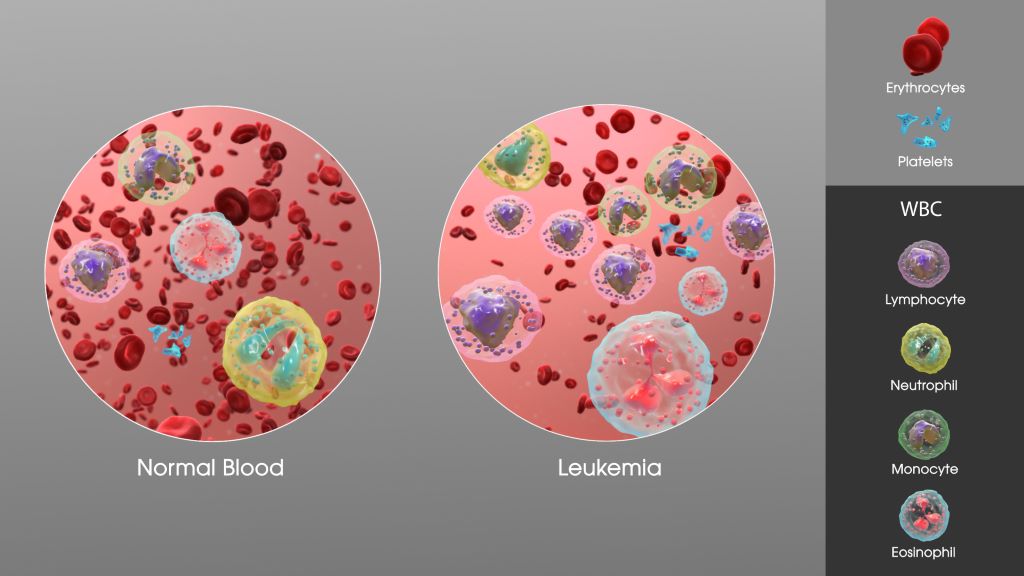
SAG Leukaemia. Credit: Scientific Animations CC0

Cipla Limited (BSE: 500087; NSE: CIPLA; and hereafter referred to as “Cipla”), through its subsidiary Medpro Pharmaceutica, has entered into an exclusive license and supply agreement with Immunoadoptive Cell Therapy Private Limited (ImmunoACT). Under this partnership, Cipla will commercialise talicabtagene autoleucel, India’s first indigenously developed CAR-T cell therapy, in the Republic of South Africa, Algeria, and Morocco.

Talicabtagene autoleucel (the product) is an autologous (of a patient’s own blood sample) anti-CD19 CAR-T indicated for the treatment of patients with relapsed or refractory B-cell Non-Hodgkin’s Lymphoma (B-NHL) and B-cell Acute Lymphoblastic Leukaemia (B-ALL) who have failed standard lines of therapy. Administered to over 500 patients in India, the therapy has demonstrated high efficacy, durable responses, and a well‑tolerated safety profile, leading to reduced ancillary healthcare costs.

As part of this collaboration, ImmunoACT will manufacture the product and Cipla will commercialise in the licensed African territories, thereby expanding access of this revolutionary new treatment to markets currently with unmet needs. 

Commenting on the partnership, Achin Gupta, Managing Director and Global CEO Designate, Cipla Limited, said, “Our collaboration with ImmunoACT reinforces Cipla’s vision of leveraging cutting-edge science to deliver transformative and affordable treatments, especially for patients with critical healthcare needs. By introducing CAR-T therapy in Africa, we aim to bring world-class innovation closer to patients and strengthen our commitment to accessible healthcare in the region.”

Adding on, Paul Miller, Chief Executive Officer of Cipla Africa, said, “We are proud to be at the forefront of efforts to bring CAR-T cell therapy to Africa. This collaboration not only advances our oncology portfolio but also reinforces Cipla’s mission of making next-generation therapies accessible to patients worldwide.”

Dr. Rahul Purwar, ImmunoACT’s Founder & Chairman and a professor of the Indian Institute of Technology (IIT), Bombay, said, “Our mission has always been to innovate and make cell & gene therapies accessible and affordable, addressing the significant unmet medical needs across the globe. This strategic partnership with Cipla seeks to accelerate our endeavours; ensuring that patients with B-cell cancers have a fighting chance at a durable remission, with our CAR-T platform.”   

About CAR-T cell therapy:

CAR T-cell therapy is a groundbreaking form of immunotherapy that uses a patient’s own immune cells to fight the disease. Doctors collect immune cells (T cells) from the patient, reprogram them to identify and destroy cancer cells, and then return them to the body, enabling a targeted and personalized approach to treatment.

About Cipla

Established in 1935, Cipla is a global pharmaceutical company focused on agile and sustainable growth, complex generics, and deepening portfolio in our home markets of India, South Africa, North America, and key regulated and emerging markets. Our strengths in the respiratory, antiretroviral, urology, cardiology, anti-infective and CNS segments are well-known. Our 46 manufacturing sites around the world produce 50+ dosage forms and 1500+ products using cutting-edge technology platforms to cater to our 80+ markets. Cipla is ranked 3rd largest in pharma in India (IQVIA MAT Sep’25), 2nd Largest in the pharma prescription market in South Africa (IQVIA MAT Aug’25), and 4th largest by prescription in the US Gx (Repulses + MDI) products (IQVIA MAT Aug’25). For over nine decades, making a difference to patients has inspired every aspect of Cipla’s work. Our paradigm-changing offer of a triple anti-retroviral therapy in HIV/AIDS at less than a dollar a day in Africa in 2001 is widely acknowledged as having contributed to bringing inclusiveness, accessibility and affordability to the centre of the HIV movement. A responsible corporate citizen, Cipla’s humanitarian approach to healthcare in pursuit of its purpose of ‘Caring for Life’ and deep-rooted community links wherever it is present make it a partner of choice to global health bodies, peers and all stakeholders. For more, please visit www.cipla.com, or click on Twitter, Facebook, LinkedIn.

About ImmunoACT

As pioneers of India’s first fully integrated CAR-T cell therapy platform, ImmunoACT (Immunoadoptive Cell Therapy Private Limited), develops and manufactures accessible, affordable cutting-edge gene-modified cell therapies for blood cancers and solid tumours. With NexCAR19™, India’s first CAR_T cell therapy (developed in collaboration with the Indian Institute of Technology, Bombay and Tata Memorial Centre) commercially approved in India having unprecedentedly transformed the treatment landscape in refractory/relapsed B-cell malignancies, ImmunoACT also has a robust pipeline including a clinical-stage BCMA-directed CAR-T for multiple myeloma, and solid tumour CAR-Ts under development. The company is accelerating its mission to expand global access to life-saving cell and gene therapies through strategic partnerships.

CAR-T Cell Therapy Causes ‘Brain Fog,’ Study Shows

Killer T cells about to destroy a cancer cell. Credit: NIH

After treatment with CAR-T cells, immune cells engineered to attack cancer, patients sometimes tell their doctors they feel like they have “brain fog,” or forgetfulness and difficulty concentrating.

A new Stanford Medicine-led study shows that CAR-T cell therapy causes mild cognitive impairments, independent of other cancer treatments, and that this happens via the same cellular mechanism as cognitive impairment from two other causes: chemotherapy and respiratory infections such as flu and COVID-19. The study, conducted mostly in mice, which was published in Cell, also identifies strategies for reversing the problem.

Medications that ameliorate brain fog will enable better recovery from cancer immunotherapies, the researchers said.

“CAR-T cell therapy is enormously promising,” said senior author, Michelle Monje, MD, PhD, professor in paediatric neuro-oncology. “We need to understand all its possible long-term effects, including this newly recognised syndrome of immunotherapy-related cognitive impairment, so we can develop therapeutic approaches to fix it.”

The study’s lead authors are Anna Geraghty, PhD, senior staff scientist in the Monje lab, and MD/PhD student Lehi Acosta-Alvarez.

Cognitive impairment after CAR-T cell therapy is typically mild; patients are not developing dementia, for instance. But it is frustrating and may not resolve on its own, Monje said. In mice, her team reversed the impairment using compounds similar to existing medications or medications in clinical development – meaning a treatment could be available relatively quickly, she said.

“We’re deeply interested in how cancer therapies affect cognition because it affects patients’ quality of life,” Monje said. “And this is especially important for kids because their brains are still developing.”

Investigating brain fog

CAR-T cell therapy was approved in the US for acute lymphoblastic leukaemia in 2017. The treatment involves removing some of the patient’s own immune cells, known as T cells, and engineering them to attack targets on cancer cells. The modified T cells are returned to the patient’s body, where they recognise and destroy cancer.

In addition to leukaemia, CAR-T cells are now used to treat other blood cancers, including multiple myeloma and some kinds of lymphoma, and they are being tested in clinical trials for various solid tumours. Monje and her colleagues have an ongoing trial of CAR-T cells for deadly brain stem and spinal cord tumours in children, which is beginning to show success.

Although patients report brain fog after CAR-T cell therapy, studies to measure how much cognitive impairment the therapy causes are only just emerging.

The research team wanted to get a comprehensive understanding of the situations in which CAR-T cell therapy might cause cognitive impairment. They studied mice that had tumours induced in the brain, blood, skin and bone. The researchers wanted to understand the influence on cognition of CAR-T cell treatment in combination with the tumours’ location (originating in, spreading to or staying outside the brain), as well as the degree to which the engineered cells evoked additional, accompanying immune responses. Before and after CAR-T cell treatment, the researchers used standard cognitive tests on the mice, measuring how mice responded to a novel object and navigated a simple maze.

CAR-T therapy caused mild cognitive impairment in mice with cancers originating in, metastasizing to and located completely outside the brain. The only mice tested that did not develop cognitive impairment after CAR-T treatment were those that had bone cancer that causes minimal additional inflammation beyond the cancer-fighting activity of the CAR-T cells.

“This is the first study to demonstrate that immunotherapy on its own is sufficient to cause lasting cognitive symptoms,” Monje said. “It’s also the first paper to uncover the mechanisms. We found the exact same pathophysiology we’ve seen in brain fog syndromes that occur after chemotherapy, radiation, and mild respiratory COVID-19 or influenza.”

The researchers demonstrated that the brain’s immune cells, called microglia, are key players in the problem. First, the microglia become activated by the body’s immune response. The activated, “annoyed” microglia produce inflammatory immune molecules known as cytokines and chemokines, which in turn have widespread effects throughout the brain. They are particularly harmful for oligodendrocytes, the brain cells responsible for making myelin, the fatty substance that insulates nerve fibres and helps nerves transmit signals more efficiently. Reduction in the nerves’ insulation translates into cognitive impairment.

Examining tissue samples

The scientists also analysed samples of brain tissue from human subjects who participated in the team’s ongoing clinical trial of CAR-T cells for spinal cord and brain stem tumours. Using post-mortem tissue samples, the researchers confirmed that microglia and oligodendrocytes appear dysregulated in the same way the team had observed in mice after CAR-T therapy.

In mice, the research team tested strategies to resolve the cognitive problems. They gave a compound that depleted microglia in the brains of the mice for a two-week period. After that transient depletion, the microglia  returned in the brain in a normal, non-reactive state. The mice were no longer cognitively impaired.

The researchers also gave the mice a medication that enters the brain and interferes with signals from damaging chemokines, blocking a specific receptor for these molecules.

“That alone rescued cognition,” Monje said, adding that the researchers are now exploring how to safely translate the two strategies – transiently depleting microglia or interrupting chemokine signals – in people who have had CAR-T cell therapy.

“This research further illustrates that there is a unifying principle underpinning brain fog syndromes,” said Monje, a member of the Stanford Cancer Institute. “And this particular study is so exciting because not only have we identified the cells central to this pathophysiology, we’ve found a molecular target we can investigate to treat it.”

Source: Stanford Medicine