Tag: cancer detection

Focus on Urinary Problems Clouds Early Prostate Cancer Detection
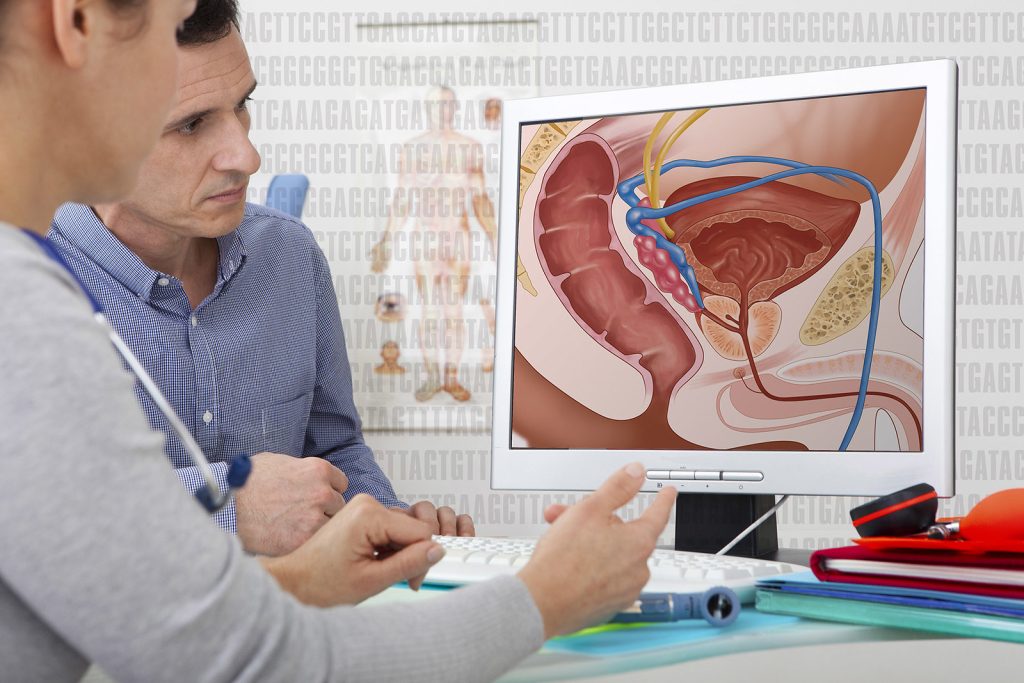
Credit: Darryl Leja / National-Human-Genome Research Institute / National Institutes of Health

Diagnoses of early, curable stages of prostate cancer are being missed because national guidelines and media health campaigns in the UK focus on urinary symptoms despite a lack of scientific evidence, according to University of Cambridge researchers.

Prostate cancer is the most common type of cancer in men. And while 78% of men diagnosed with this cancer survive for over ten years, this proportion has barely changed over the past decade in the UK, largely because the disease is detected at a relatively late stage. In England, for example, nearly half of all prostate cancers are picked up at stage three of four (stage four being the latest stage).

Despite no evidence of a link between urinary symptoms and prostate cancer, national guidelines, health advice and public health campaigns continue to promote this link. In a review published in BMC Medicine, Cambridge researchers argue that not only is this unhelpful, but it may even deter men from coming forward for early testing and detection of a potentially treatable cancer.

“When most people think of the symptoms of prostate cancer, they think of problems with peeing or needing to pee more frequently, particularly during the night,” said Vincent Gnanapragasam, Professor of Urology at the University of Cambridge. “This misperception has lasted for decades, despite very little evidence, and it’s potentially preventing us picking up cases at an early stage.”

Prostate enlargement can cause the urinary problems often included in public health messaging, but evidence suggests that this is rarely due to malignant prostate tumours. Rather, research suggests that the prostate is smaller in cases of prostate cancer.  A recent study – the UK PROTECT trial – even went as far as to say that a lack of urinary symptoms may in fact be an indicator of a higher likelihood of cancer.

Screening programmes are one way that cancers are often detected at an early stage, but in the case of prostate cancer, some argue that such programmes risk overwhelming health services and leading to men being treated for relatively benign disease.

Testing for prostate cancer involves a blood test that looks for a protein known as a prostate-specific antigen (PSA) that is made only by the prostate gland; however, it is not always accurate. PSA density is significantly more accurate than PSA alone in predicting a positive biopsy and is used in everyday clinical practice.

The researchers point to evidence that there is a misconception that prostate cancer is always symptomatic: a previous study found that 86% of the public associated prostate cancer with symptoms, but only 1% were aware that it could be asymptomatic.

“We urgently need to recognise that the information currently given to the public risks giving men a false sense of security if they don’t have any urinary symptoms,” said Prof Gnanapragasam.

“We need to emphasise that prostate cancer can be a silent or asymptomatic disease, particularly in its curable stages. Waiting out for urinary symptoms may mean missing opportunities to catch the disease when it’s treatable.

“Men shouldn’t be afraid to speak to their GP about getting tested, and about the value of a PSA test, especially if they have a history of prostate cancer in their family or have other risk factors such as being of Black or mixed Black ethnicity.”

The researchers say they are not advocating for an immediate screening programme, and acknowledge that changes in messaging could mean more men approaching their GPs for a PSA test, potentially resulting in unnecessary investigations and treatment. However, they argue that there are ways to reduce the risk of this happening. These include the use of algorithms to assess an individual’s risk and whether they need to be referred to a specialist, and for those who are referred, MRI scans could help rule out ‘indolent’ (mild) disease or negative findings, reducing the risks of an unnecessary biopsy.

“We’re calling on organisations such as the NHS, as well as patient charities and the media, to review the current public messaging,” said Prof Gnanapragasam.

“If men were aware that just because they have no symptoms doesn’t necessarily mean they are cancer free, then more might take up offers for tests. This could mean more tumours identified at an earlier stage and reduce the numbers of men experiencing late presentation with incurable disease.”

Source: University of Cambridge
A Bright Idea for MRI Cancer Detection

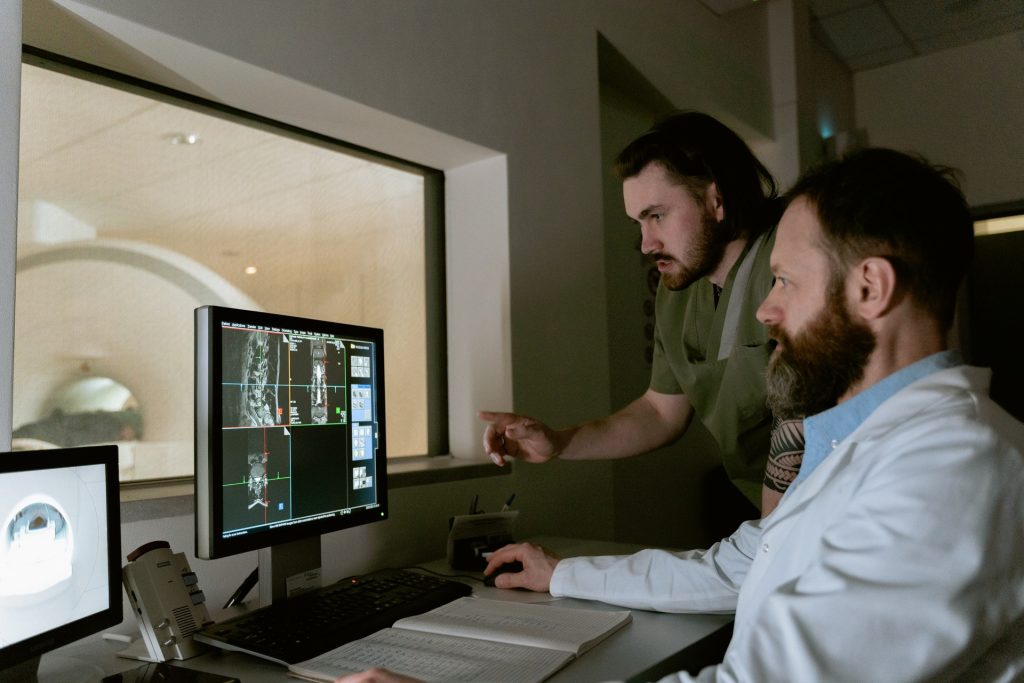
MRI or CT machine
Photo by Mart Production on Pexels

Researchers at the University of Waterloo have developed a new form of magnetic resonance imaging (MRI) that makes cancerous tissue glow in medical images. This innovation could enable more accurate detection and tracking of cancer over time.

“Our studies show this new technology has promising potential to improve cancer screening, prognosis and treatment planning,” said first author Professor Alexander Wong.

Irregular packing of cells leads to differences in the way water molecules move in cancerous tissue compared to healthy tissue. The new technology, called synthetic correlated diffusion imaging, highlights these differences by capturing, synthesising and mixing MRI signals at different gradient pulse strengths and timings.

In the largest study of its kind, the researchers collaborated with medical experts at the Lunenfeld-Tanenbaum Research Institute, several Toronto hospitals and the Ontario Institute for Cancer Research to apply the technology to a cohort of 200 patients with prostate cancer.

The synthetic correlated diffusion imaging was found to be better at delineating significant cancerous tissue than current imaging technique, making it a potentially powerful addition to the toolbox for doctors and radiologists.

“Prostate cancer is the second most common cancer in men worldwide and the most frequently diagnosed cancer among men in more developed countries,” said Prof Wong. “That’s why we targeted it first in our research.

“We also have very promising results for breast cancer screening, detection, and treatment planning. This could be a game-changer for many kinds of cancer imaging and clinical decision support.”

Source: University of Waterloo

Despite COVID, Cancer Screenings in the US Picked Up

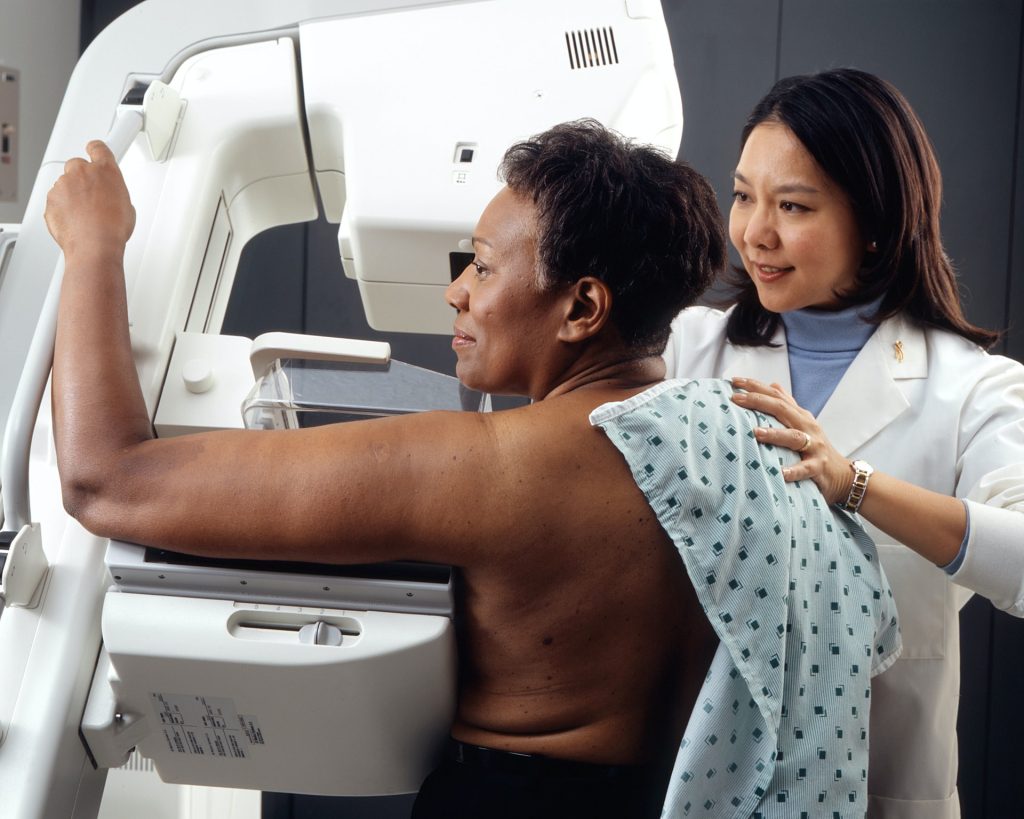
Woman Receives Mammogram. An Asian female technician positions an African-American woman at an imaging machine to receive a mammogram. Creator: Rhoda Baer

In an encouraging sign, the RAND corporation reports that despite COVID, cancer screenings in the United States rebounded in the wake of the first wave.

There has been concern since the COVID pandemic was keeping people from going in for routine cancer screening, resulting in more undetected cancers to progress unchecked and an increase in cancer deaths. As some 600 000 Americans were expected to die of cancer in 2020, any impact on screening is a considerable health concern.

In a statement, Ryan McBain, PhD, of the RAND Corp. in Santa Monica, California, said: “These are the first findings to show that, despite real fears about the consequences of drop off in cancer screens, health facilities figured out how to pick this back up after the initial pandemic restrictions. Our study shows that health systems were able to recalibrate resources and protocols in a relatively short interval to deliver these important services.”

In Spain, cancer diagnoses were down 38% in the first half of 2020, according to one study. The pandemic’s impact on cancer screening that required in-person examinations, such as mammography and colonoscopy, were a particular concern, McBain and co-authors noted. Moreover, little was known about the magnitude of the decline in screening rates or longer-term trends in screen.

Using data on Castlight Health beneficiaries from January 15 to July 31, 2020, the researchers calculated weekly screening rates per 10 000 eligible beneficiaries. Before the declaration of national emergency in the US on March 13, screening mammography weekly rate was 87.8 per 10 000, falling to a low of 6.9 per 10 000 in April. Thereafter, screening rates began a steady recovery, to 88.2 per 10 000 at the end of July.

Over the same time period, weekly colonoscopy screenings fell from 15.1 to 0.9 per 10 000, before rebounding to a weekly median of 12.6 per 10 000 by July 31, 2020.

Multivariable regression analyses confirmed the significant declines in screening mammography and colonoscopy. A larger decline in colonoscopy was observed in high-income counties. Otherwise, the analyses showed no significant demographic variations.

Laura Makaroff, DO, of the American Cancer Society in Atlanta, said that the pandemic’s ultimate impact on cancer screening and cancer care is still largely unknown.

“We have seen similar data showing some rebound in cancer screening rates last summer and fall, but even those turnarounds show an approximate 30% decrease in cancer screening compared with pre-pandemic rates,” she said to MedPage Today in an email. “We also don’t yet know the full impact of the late fall and winter surges on disruptions in cancer screening and diagnosis.”

“The COVID-19 pandemic has had numerous consequences secondary to the disease itself, including reduced access to care for other illnesses,” Dr Makaroff added. “While these measures were necessary, delays in cancer screening, diagnosis, and treatment due to reduced healthcare access will likely result in a short-term drop in cancer diagnoses followed by increases in late-stage diagnoses and preventable cancer deaths.

“The full impact of the COVID-19 pandemic on cancer prevention and early detection will not be known until population-based nationwide data become available in the years to come,” she said.

Source: MedPage Today

Journal information: McBain RK, et al “Decline and rebound in routine cancer screening rates during the COVID-19 pandemic” J Intern Med 2021; DOI: 10.1007/s11606-021-06660-5.