

To Properly Use AI to Analyse Breast Cancers, Look to Past Mistakes
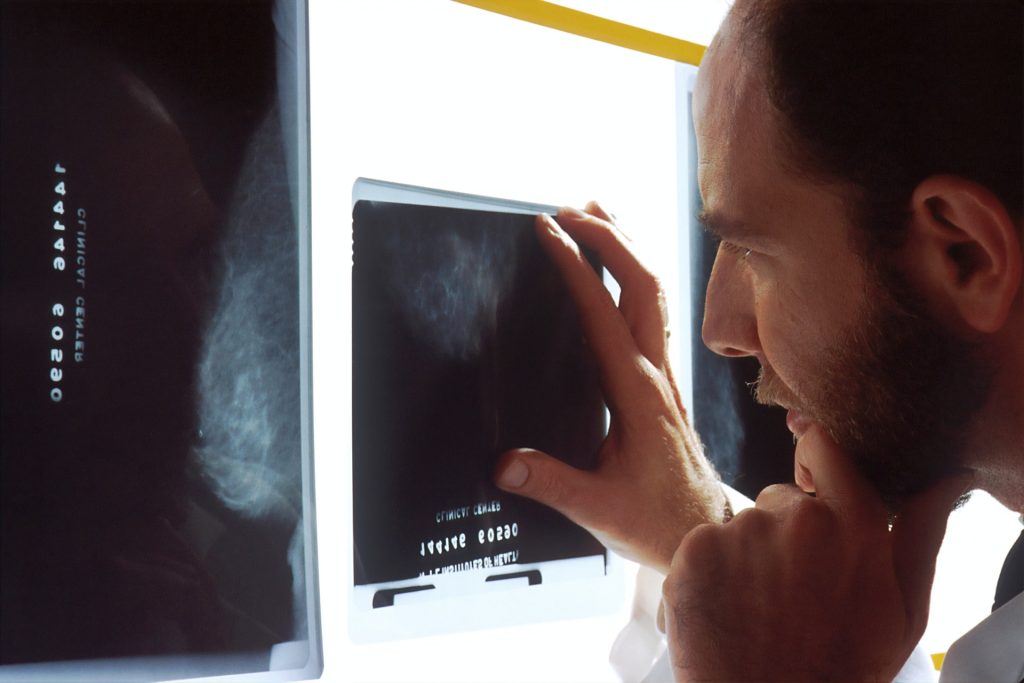
Doctors writing in an editorial in JAMA Health Forum caution that while using AI to analyse breast cancer tumours has the potential to improve healthcare efficiency and outcomes, similar technological leaps have previously led to higher rates of false-positive tests and over-treatment.
The editorial wasco-written by Joann G. Elmore, MD, MPH, professor of medicine at the David Geffen School of Medicine at UCLA, and Christoph I. Lee, MD, MS, MBA, a professor of radiology at the University of Washington School of Medicine.
“Without a more robust approach to the evaluation and implementation of AI, given the unabated adoption of emergent technology in clinical practice, we are failing to learn from our past mistakes in mammography,” the authors wrote.
One of those “past mistakes in mammography,” the authors said, was adjunct computer-aided detection (CAD) tools, which grew rapidly in popularity in the field of breast cancer screening starting more than two decades ago. CAD was approved by the FDA in 1998, and by 2016 more than 92% of U.S. imaging facilities were using the technology to interpret mammograms and hunt for tumours. However, CAD did not improve mammography accuracy., according to the evidence. “CAD tools are associated with increased false positive rates, leading to overdiagnosis of ductal carcinoma in situ and unnecessary diagnostic testing,” the authors wrote. The US Medicare system stopped paying for CAD in 2018, but by then the tools had run up more than $400 million a year in wasted health costs.
“The premature adoption of CAD is a premonitory symptom of the wholehearted embrace of emergent technologies prior to fully understanding their impact on patient outcomes,” Drs Elmore and Lee wrote. “As AI algorithms are increasingly receiving FDA clearance and becoming commercially available with ROC curves similar to what we observed prior to CAD clearance and adoption, how can we prevent history from repeating itself?”
The doctors suggest a number of safeguards to avoid “repeating past mistakes” such as tying reimbursement to proven efficacy.
Source: UCLA Health

