Tag: 10/3/26

Trial Results Show Daily Multivitamin Use May Slow Biological Ageing

Photo by Diana Polekhina on Unsplash

An analysis led by Mass General Brigham investigators found slower aging in older adults after two years of a daily multivitamin, with greater benefits for those who began the trial with accelerated biological age.

‘Biological age’, age on a cellular level, can differ from chronological age. Using data from a large randomised clinical trial of older adults, researchers at Mass General Brigham evaluated the effects of taking a daily multivitamin over the course of two years on five measures of biological ageing and found a slowing equivalent to about four months of ageing. The benefits were increased in those who were biologically older than their actual age at the start of the trial. Their results are published in Nature Medicine.

“There is a lot of interest today in identifying ways to not just live longer, but to live better,” said senior author Howard Sesso, ScD, MPH, associate director of the Division of Preventive Medicine in the Mass General Brigham Department of Medicine. “It was exciting to see the benefits of a multivitamin linked with markers of biological ageing. This study opens the door to learning more about accessible, safe interventions that contribute to healthier, higher-quality ageing.”

Epigenetic clocks estimate biological ageing based specific sites in our DNA that regulate gene expression (known as DNA methylation) and change naturally as we get older, helping track mortality and the pace of ageing. This study, which uses data from the well-established COcoa Supplement Multivitamins Outcomes Study (COSMOS), analysed DNA methylation data from blood samples of 958 randomly selected healthy participants with an average chronological age of 70.

The study participants were randomised to take a daily cocoa extract and multivitamin; daily cocoa extract and placebo; placebo and multivitamin; or placebos only. Samples were analysed for changes in five epigenetic clocks from the start of the trial and at the end of the first and second years. Compared to the placebo only group, people in the multivitamin group had slowing in all five epigenetic clocks, including statistically significant slowing seen in the two clocks that are predictive of mortality. The changes equated to about four months less biological ageing over the course of two years. Additionally, people who were biologically older than their actual age at the start of the trial benefited the most.

“We plan to do follow-up research to determine if the slowing of biological ageing – observed through these five epigenetic clocks, and additional or new ones – persists after the trial ends,” said co-author and collaborator Yanbin Dong, MD, PhD, director of Georgia Prention Institute, Medical College of Georgia at Augusta Univeristy.

Further studies are also needed to determine how improvements in biological aging may explain reductions in clinical outcomes. The COSMOS team plans to investigate how the effects of a daily multivitamin on biological aging may extend to different outcomes they have seen evidence of benefits for, such as improvements in cognition and reductions in cancer and cataracts.

“A lot of people take a multivitamin without necessarily knowing any benefits from taking it, so the more we can learn about its potential health benefits, the better,” said Sesso. “Within COSMOS, we are fortunate and excited to build upon a rich resource of biomarker data to test how two interventions may improve biological aging and reduce age-related clinical outcomes.”

Source: Mass General Brigham

Mental Health Issues Before Surgery can Affect Memory and Cognition

Photo by JD Mason on Unsplash

Depression and other psychological factors may be linked to the risk of postoperative confusion in older adults. This is shown in a new systematic review from Karolinska Institutet, published in the British Journal of Anaesthesia. The study summarises results from more than 6700 patients.

Older individuals undergoing surgery face an increased risk of developing cognitive complications, such as postoperative delirium. Delirium is characterised by sudden changes in attention and awareness, and can lead to longer hospital stays and reduced functioning. The new study analyses 30 previously published works in which researchers examined whether preoperative psychological factors, such as depression, anxiety, stress, and personality traits, may influence these complications.

Depression most common

The review identified four groups of psychological factors. Depression was the most common and appeared in nearly all studies. In the statistical meta-analysis, no clear association between depression and delirium was observed, but when the researchers used alternative statistical synthesis methods, they found evidence suggesting that psychological factors play a role.

“Our results show that depression is the most consistently reported psychological risk factor, even though the pooled statistical analyses did not demonstrate a significant effect,” says Anahita Amirpour, PhD at the Department of Neurobiology, Care Sciences and Society.
“At the same time, we saw that anxiety, stress, and personality traits may also play a role, although the research base there is more limited.”

Postoperative delirium

In total, the study included 6714 patients from 16 different countries. Postoperative delirium was the most common outcome measure and occurred in between 9 and 55% of patients, depending on the study. Very few studies examined other cognitive complications, such as long-term effects on memory and attention.

The researchers emphasise that the results should be interpreted with caution. Many of the included studies varied greatly in how they measured both psychological factors and cognitive outcomes, and only two studies examined time periods extending beyond the immediate postoperative phase.

Source: Karolinska Institutet

Copper Peptides: These Powerful Molecules are Worth the Skincare Hype

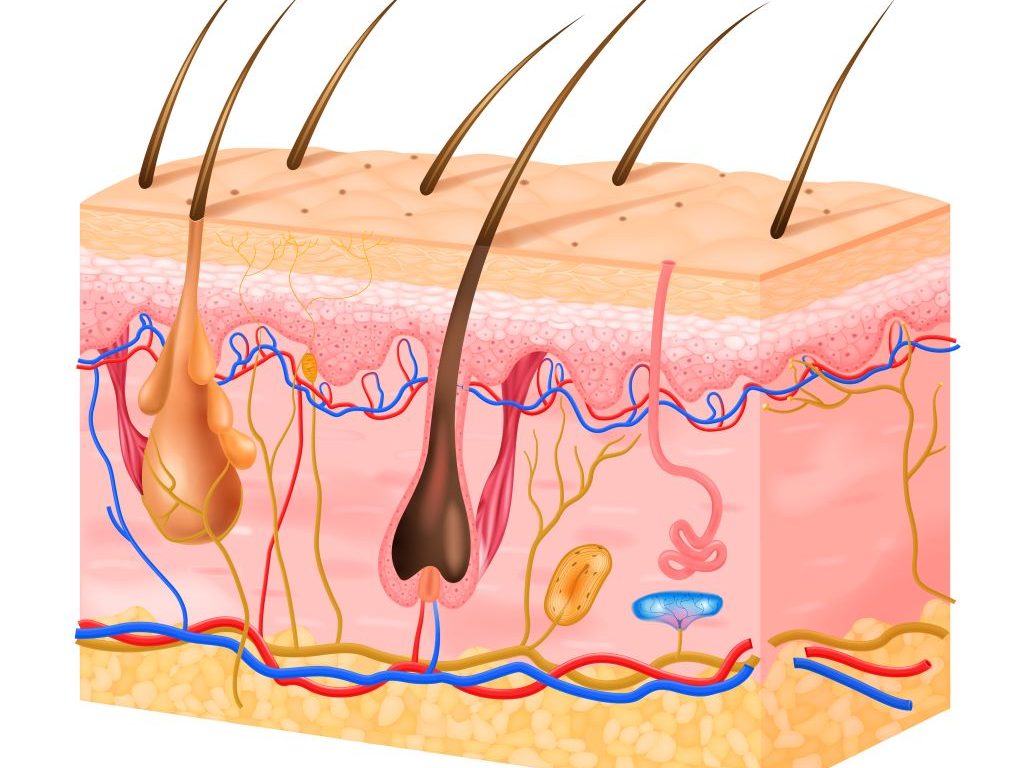
Picture by Macrovector on Freepik

Ahmed Elbediwy, Kingston University and Nadine Wehida, Kingston University

Peptides have become one of the skincare industry’s most popular ingredients. It’s no wonder why, with evidence showing these powerful molecules hold the secret to healthier, firmer and more radiant skin.

But out of the many peptides that exist, one in particular has been gaining attention lately in the beauty industry: copper peptides.

It’s not surprising that copper peptides are garnering so much attention. This peptide is special because of its ability to multitask – with research showing that not only does it help make the skin firmer and more supple, it also protects the skin from damage.

The human body naturally produces many types of peptides. Each supports vital body functions, acting like tiny building blocks of life. Many help form the foundation of essential proteins – such as collagen and elastin, which help keep skin healthy and youthful.

The three main types of peptides in cosmetics are: carrier peptides, signal peptides and neurotransmitter-inhibiting peptides.

Carrier peptides aid in wound repair by physically transporting important minerals into the cells to initiate repair.

Signal peptides can prevent ageing by stimulating the activation of the skin’s fibroblasts – specialised skin cells that produce substances such as collagen, a protein which helps maintain the skin’s elasticity.

Neurotransmitter-inhibiting peptides act like botulinum toxin, relaxing facial muscles by blocking the signals that make them contract. This may reduce wrinkles.

Copper peptides are actually a type of carrier peptide. They’re produced naturally by your body. But as we age, the concentration of copper peptides in our bodies drops. Applying synthetic, lab-made versions – found in creams, serums and masks – can help replenish these molecules and help your skin.

Copper peptides were first discovered in 1973. Research found that these molecules aided wound healing, which is why the first commercialised carrier peptide in 1985 was designed to deliver copper into wounded tissue.

After gaining research attention for this role, further studies examined what other functions copper peptides had on the skin. Researchers found that they had anti-ageing, anti-inflammatory and renewing properties and also supported hair growth.

Copper peptides act as little helpers that tell your skin cells to repair and rebuild themselves. They do this by boosting collagen and elastin, key proteins that keep your skin feeling smooth and firm.

Copper peptides have been also found to reduce inflammation and calm skin redness, too. But perhaps most crucially, they have been found to act as antioxidants, fighting damage caused by pollution and the sun’s ultraviolet rays.

On top of that, copper peptides improve wound healing. This is why they’re often used after cosmetic treatments – such as face and neck lifts and micro-needling – that can damage the skin. Copper infused wound dressings are also used to help chronic wounds heal faster.

Overall, skin cell studies have shown that copper peptides increase collagen production, improve skin thickness and skin elasticity. Clinical trials and lab tests confirm these benefits, making copper peptides one of the most researched anti-ageing ingredients.

For best results, you might want to try applying it twice a day – first in the morning so it can act as a potent antioxidant, then in the evening so it can replenish collagen overnight.

Copper peptides can also penetrate the skin more effectively when delivered with microneedles, which makes them even more useful in advanced skincare products.

Copper peptides v other peptides

Other peptides do work well on the skin – such as palmitoyl-based peptides and acetyl hexapeptide-8 peptide – both of which fight wrinkles. But these both work differently to copper peptides.

Palmitoyl peptides signal the skin to make more collagen, while acetyl hexapeptide-8 relaxes facial muscles to reduce expression lines, acting like a less expensive version of botulinum toxin.

Copper peptides stand out among these other peptides because they can do the work of multiple peptides in one. Copper peptides boost collagen, improve skin healing and fight oxidative stress. This appears to make them better at preventing the signs of ageing.

Some skin cell studies show they work even better when combined with other well known skincare ingredients, such as hyaluronic acid (which boosts hydration).

However, some combinations of peptides can cause copper peptides to be unstable – making them fall apart. This could increase skin sensitivity, especially when combined with peptides, such as vitamin A and C.

Copper peptides themselves can also cause, in a few people, some skin irritation and mild allergic reactions. If you find you experience these symptoms after using copper peptides, stop use immediately.

Copper peptides are more than just a trend – they’re backed by science. They help keep skin healthy and speed up healing. They might even play a role in future cancer treatments.

Research has shown copper peptides turn on genes that tell damaged cancer cells to shut themselves down and stop replicating. They’ve also been shown to fix other genes that control cell growth and repair.

If you’re curious about skincare, copper peptides may be worth incorporating into your daily routine. Just remember that good, healthy skin also needs other measures – such as sunscreen, hydration and a healthy lifestyle.

Ahmed Elbediwy, Senior Lecturer in Cancer Biology & Clinical Biochemistry, Kingston University and Nadine Wehida, Senior Lecturer in Genetics and Molecular Biology, Kingston University

This article is republished from The Conversation under a Creative Commons license. Read the original article.

Preclinical Study: Protein Regulates Autoimmune Response

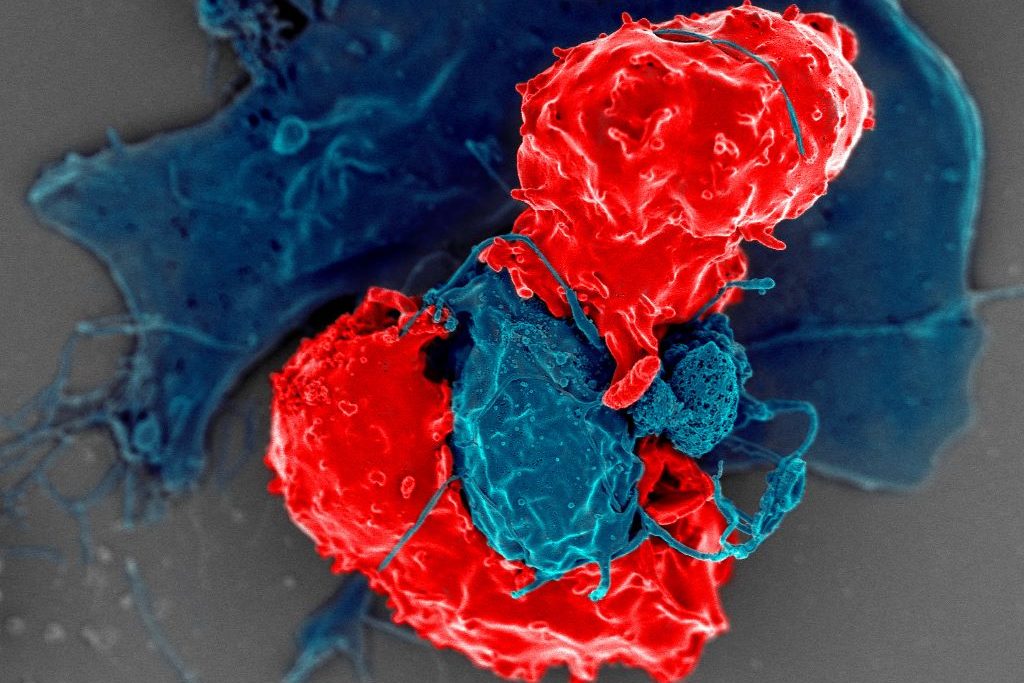
Scanning electron microscope image of T regulatory cells (red) interacting with antigen-presenting cells (blue). T regulatory cells can suppress responses by T cells to maintain homeostasis in the immune system. Credit: National Institute of Allergy and Infectious Diseases/NIH

Cedars-Sinai Health Sciences University investigators have identified for the first time a protein’s role as a “dimmer switch” that can calm an overactive immune system and restrain harmful inflammation. The protein, Butyrophilin 2A2 (BTN2A2), interacts with a key molecule that controls the strength of T-cell responses.

The findings, published in Nature Communications, define a unique pathway that helps balance immune activity and could be harnessed to limit damage caused by a variety of autoimmune diseases.

In laboratory mice, loss of BTN2A2 led to exaggerated immune reactions and an increase in damaging kidney inflammation called glomerulonephritis. Treatment with BTN2A2 reduced disease severity by increasing immune-regulating T cells and lowering inflammation.

Supporting laboratory experiments in human T-cells demonstrated similar immune-calming effects.

“Glomerulonephritis remains a leading cause of chronic kidney disease and kidney failure worldwide, with limited treatment options,” said Ananth Karumanchi, MD, co-corresponding author of the study and director of the Renovascular Research Center at Cedars-Sinai. “Our findings provide a strong foundation for future studies aimed at modifying immune-driven kidney disease rather than simply managing its symptoms. The pathway could also be targeted in a range of autoimmune and inflammatory diseases including rheumatoid arthritis, multiple sclerosis, inflammatory bowel disease, and transplant rejections.”

Other Cedars-Sinai authors include Shafat Ali, Anders H. Berg, Michifumi Yamashita, Ambart E. Covarrubias, Jordan Mundell, Pranali N. Shah, Ruan Zhang, Vincent Dupont, Bong-Ha Shin, Shen Yang, Madhusudhanarao Katiki, Ramachandran Murali, Margareta D. Pisarska, Ravi Thadhani, Peter S. Heeger and Stanley C. Jordan

Source: Cedars-Sinai Medical Center

Pinpointing New Biomarkers for Cancer Wasting Syndrome

Photo by Tima Miroshnichenko on Pexels

An analysis of biomarkers in patient blood samples could help with early detection of cachexia, or cancer wasting syndrome, according to new research published in Cancers. The study by Cedars-Sinai Health Sciences University investigators, explores biologic signals detectable in the blood that could be used to design future strategies for assessing patient risk and developing therapies aimed at mitigating fatigue and muscle and fat loss experienced by many patients with cancer.

“We found that in patients with advanced non-small cell lung cancer, cachexia biomarkers change over time,” said Kamya Sankar, MD, co-medical director of the Thoracic Disease Research Group at Cedars-Sinai Cancer and corresponding author of the study. “And treatments targeting one of the early cachexia biomarkers we identified, an inflammatory protein called GDF-15, are already under evaluation in clinical trials.”

Investigators measured the blood of 27 patients with non-small cell lung cancer at two different time points. In patients with early cachexia, they found higher levels of inflammatory proteins such as GDF-15. In patients with later-stage cachexia, they found increased mitochondrial DNA, which comes from the parts of cells that convert food into energy.

Larger, prospective studies are required to validate the clinical benefit of these biomarkers, but they could serve as the basis for risk assessment of patients and may inform design of future clinical trials of therapies for cancer-associated cachexia, Sankar said.

Additional Cedars-Sinai authors include Elham Kazemian, Nicole Lorona, Carlos D. Cruz-Hernández, Mitra Mastali, Akil A. Merchant, Jennifer Van Eyk, Karen L. Reckamp, Neil A. Bhowmick, and Jane C. Figueiredo.

Other authors include Alex K. Bryant and Puneeth Iyenga

Source: Cedars-Sinai Medical Center