Vitamin D supplementation does not have beneficial effects on muscle function, strength, or mass, according to a new meta-analysis, and may even have detrimental effects on muscle strength in people with normal levels of the vitamin.
Vitamin Ddeficiency, causes a generalised decrease in bone mineral density, resulting in osteopenia and osteoporosis. In young children who have little mineral in their skeleton, this defect results in a variety of skeletal deformities classically known as rickets. It is also believed to cause muscle weakness; affected children have difficulty in standing and walking, whereas the elderly have increasing sway and more frequent falls,thereby increasing their risk of fracture.
The analysis, which is published in the Journal of Bone and Mineral Research, included 54 trials involving 8747 individuals. Overall, no benefits of vitamin D over placebo were observed for improving muscle health. On the contrary, vitamin D appeared to have detrimental effects in terms of increased time spent performing what’s called the Timed Up and Go test, a decrease in maximum strength at knee flexion, and a tendency towards a reduced score of the Short Physical Performance Battery.
“Care should be taken recommending vitamin D supplementation to improve muscle strength and function in people with normal or only slightly impaired vitamin D status,” said lead author Lise Sofie Bislev, MD, PhD, of Aarhus University Hospital, in Denmark. “We need to study further whether it may benefit muscles in those with severe vitamin D deficiency, however.”
A Swedish study found that while allergic sensitivity to tree nuts was common in adults, most people never experienced symptoms.
Allergies to tree nuts are common and have become an important health concern as availability has increased. Tree nuts include hazelnuts, walnuts, pecans, cashews, pistachios, almonds, and brazil nuts.Tree nuts, as a group, are one of the eight most common allergens, and allergic reactions to them can be severe. Availability of tree nuts has increased both in the raw form and within processed foods and bakery products; tree nut utilisation has increased by 1kg per capita from 1980 to 2015. Research has shown that the consumption of nuts has positive cardiovascular effects, such as decreasing cholesterol, triglycerides, and fasting blood glucose, and this has encouraged consumption.
The study, with a total of 2215 participants, found that eczema, asthma, and egg allergies at an early age were associated with developing a tree nut allergy by adulthood. Additionally, the researchers found allergen molecules to be better diagnostic tools for predicting allergic symptoms to tree nuts compared with analysing allergen extracts. The study was published in Clinical and Experimental Allergy.
“This study increases the understanding of tree nut allergy in a general population, followed from infancy up to adulthood. For example, our study reveals that most extract‐based tree nut‐sensitised individuals do not have tree nut allergy and hence extract-based testing for tree nuts without a specific clinical suspicion should not be performed,” said co–lead author Jessica Bager, of the Karolinska Institute.
The Department of Tourism says that it wants to introduce a vaccine passport for South Africa, but a number of international and legislative obstacles have to be overcome.
A lack of standardisation around vaccine passports worldwide is a key issue, said tourism director-general Nkhumeleni Victor Tharage in a briefing to Parliament on 17 August.
“Even in some jurisdictions that have opted to apply this (passport), there isn’t yet a sense of uniformity. When we don’t have a single, standardised specimen, it is a little bit difficult to say which one is which.
“If South Africa introduces (a passport), and there is access to information from the National Institute for Communicable Diseases (NICD) that confirms that a person has been vaccinated, the question is if that person arrives Lagos (Nigeria), what resources will they use to verify this information that is stored on a database in South Africa?”
South Africa has the same problem when it comes to verification of incoming tourists, Tharage said. The government was also cautious about introducing a vaccine passport system that is discriminatory against certain groups of people, he noted.
“When we reopen, and when everyone is starting to travel, it should not be discriminatory. And that principle has been reiterated time and time again.”
The vaccine passport could be a requirement for events, and Tharage said he was confident that this is something that the government could introduce with ease on short notice.
“At the end of the day, it’s about being able to get the necessary confidence from consumers, tourists and trade. If we don’t do that, then there will be a negative impact on our recovery.”
However, Department of Health spokesperson Foster Mohale affirmed that South Africa has no immediate plans to require proof of vaccination for any purpose.
Open for tourism Transport minister Fikile Mbalula has said that his department is working with businesses to ensure that South Africa successfully reopens for international travel. Presenting his departmental budget speech at the end of May, Mbalula said that South Africa must ensure that it joins the increasing number of countries which accept the International Air Transport Association’s (IATA) mobile travel pass.
The travel pass is a mobile app that helps travellers store and manage their verified certifications for COVID tests or vaccines, and is more secure and efficient than current paper processes, IATA said. This is important given the potentially enormous scale of testing or vaccine verifications that the group must securely manage. IATA said it is looking to introduce further changes, such as QR code scanning by immigration officials.
A new study from at the University of Technology Sydney (UTS) and the University of South Australia has found that women with diabetes incur significant out-of-pocket expenses in managing their health, with costs rising as the disease continues.
Researchers found middle-aged and older women spend almost $500 a year from their own funds, visiting a diverse range of health services to manage their diabetes. Their findings were published in the journal PLOS One.
“Our findings were that most women (88.3 per cent) consulted at least one health care practitioner in the previous 12 months for their diabetes, including medical doctors, allied health practitioners and complementary medicine practitioners, spending on average $492.60 per woman a year,” said Distinguished Professor Jon Adams, deputy head of the School of Public Health at UTS.
He continued: “Our analysis suggests approximately $252 million is spent annually on out-of-pocket expenditure for diabetes management by Australian women aged 50 years and over. The results of this study provide important insights regarding public and private health care use by middle-aged and older Australian women living with diabetes.”
The economic burden these women are placed under warrants further investigation to understand how health care services (and the integration of such services) can better address their biopsychosocial needs, the researchers said.
However, the researchers said the economic burden of self-care of chronic illness by individuals and households is often overlooked in Australia in favor of analyses that center on the macro-economy and the cost to the Australian government.
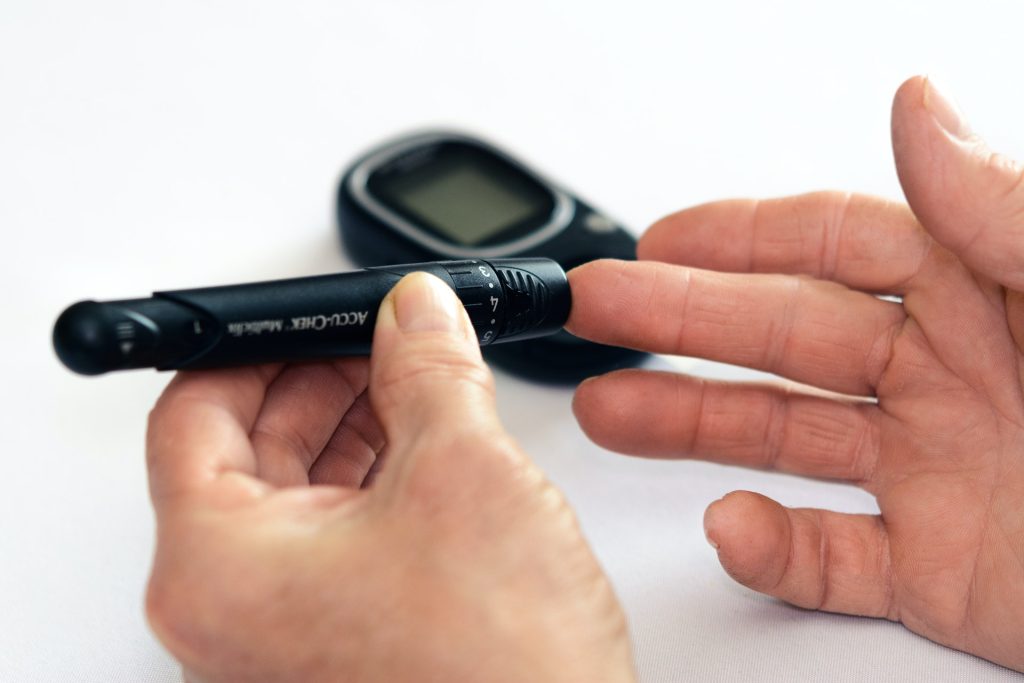
Diabetes mellitus is a disease of inadequate control of blood levels of glucose. Type 1 and 2 diabetes are the main subtypes, each with different pathophysiology, presentation, and management, but both have a potential for hyperglycaemia. Poor management of diabetes can lead to other chronic health problems such as increased cardiovascular disease risk.
A multicentre randomised trial showed that eight weeks of acupuncture sessions improved symptoms of moderate to severe chronic prostatitis/chronic pelvic pain syndrome (CP/CPPS) to a greater extent than sham therapy. Treatment effects endured over 24 weeks follow up. The findings are published in Annals of Internal Medicine.
CP/CPPS manifests as discomfort or pain in the pelvic region for at least three of the previous six months with no infection, with possible involvement of lower urinary tract symptoms, psychological issues, and sexual dysfunction. Men with CP/CPPS may have a poor quality of life associated with the disorder, such as inflammation in the prostate, anxiety and stress, and dyssynergic voiding. Standard care involves antibiotics, a-blockers, and anti-inflammatories, but their effectiveness is limited and long-term use is associated with adverse events. Though promising as an alternative treatment, acupuncture lacks high quality evidence.
A total of 440 male participants were randomised to either 8 weeks of acupuncture or sham therapy to assess the long-term efficacy of acupuncture for improving symptoms of CP/CPPS. The treatment was considered effective if participants achieved a clinically important reduction of at least 6 points from baseline on the National Institutes of Health Chronic Prostatitis Symptom Index at weeks 8 and 32. Between-group difference to be statistically significant at both time points for sustained efficacy.
More participants in the acupuncture group reported marked or moderate improvements in symptoms at all assessment points compared to the sham control group. No significant difference was found in changes in International Index of Erectile Function 5 score at all assessment time points or in peak and average urinary flow rates at week 8. No serious adverse events were reported in either group.
According to the researchers, these findings show long-term efficacy of acupuncture and provide high-quality evidence for clinical practice and guideline recommendations.
The Targeted Therapies Alliance has made a range of evidence-based resources available to help dermatologists and their patients in shared decision making in the treatment of plaque psoriasis.
Psoriasis, of which plaque psoriasis is the most common type, is the most prevalent immune-mediated inflammatory disease. It involves skin and in some cases, joints, and can be associated with abnormalities of other systems.
NPS MedicineWise spokesperson Jonathan Dartnell said: “While the condition currently does not have a cure, it can be well controlled, hence there is a need to support people with plaque psoriasis to understand and follow the treatment to get the best results.”
“The members of the Targeted Therapies Alliance have worked closely with the Australasian College of Dermatologists and Psoriasis Australia to create these resources which were developed with input from consumers with plaque psoriasis,” he said.
Australasian College of Dermatologists Fellow A/Prof Stephen Shumack said the resources were developed through a collaborative effort.
Jonathan Dartnell, Spokesperson, NPS MedicineWise said: “These resources were designed to support optimal patient outcomes by helping improve understanding of, and adherence to, the treatments for plaque psoriasis. The resources cover topical treatments such as creams and ointments, to phototherapy and systemic treatments.”
The new resources available include:
A consumers’ fact sheet with an overview of the topical treatment options (such as creams and ointments) and questions to ask their doctor to make sure they understand why, how and when to use their topical treatments.
A decision aid to help consumers speak to their doctor about treatment options should topical treatments not be enough.
An action plan and information to address some myths and help adherence to low-dose methotrexate.
The new dermatology resources complement existing Targeted Therapies Alliance resources focused on gastroenterological and rheumatological conditions. They also are part of a wider three-year programme to ensure the best possible health and economic outcomes from the use of biological and other specialised medicines.
In the UK’s first wave, more than one in ten COVID hospitalised patients acquired the disease in a hospital according to researchers conducting the world’s largest study of severe COVID.
Dr Jonathan Read from Lancaster University with colleagues from other UK universities led the research into hospital-acquired infections (HAIs) which was published in The Lancet.
For the study, researchers analysed records of COVID patients in UK hospitals enrolled in the International Severe Acute Respiratory and Emerging Infections Consortium (ISARIC) Clinical Characterisation Protocol UK (CCP-UK) study, who became ill before 1st August 2020.
The researchers found that at least 11.1% of COVID patients in 314 UK hospitals were infected after admission. The proportion of hospital-acquired infections also rose to between 16% and 20% in mid-May 2020, well after the first wave’s peak in admissions.
“We estimate between 5699 and 11 862 patients admitted in the first wave were infected during their stay in hospital. This is, unfortunately, likely to be an underestimate, as we did not include patients who may have been infected but discharged before they could be diagnosed,” the researchers said.
“Controlling viruses like SARS-CoV-2 has been difficult in the past, so the situation could have been much worse. However, infection control should remain a priority in hospitals and care facilities,” said Dr Read.
Dr Chris Green, University of Birmingham, said: “There are likely to be a number of reasons why many patients were infected in these care settings. These include the large numbers of patients admitted to hospitals with limited facilities for case isolation, limited access to rapid and reliable diagnostic testing in the early stages of the outbreak, the challenges around access to and best use of PPE, our understanding of when patients are most infectious in their illness, some misclassification of cases due to presentation with atypical symptoms, and an under-appreciation of the role of airborne transmission.”
According to the type of care provided, there were notable differences in infections. Lower proportions of hospital-acquired infection were seen in hospitals providing acute and general care (9.7%) than residential community care hospitals (61.9%) and mental health hospitals (67.5%). Professor Calum Semple, University of Liverpool, said: “The reasons for the variation between settings that provide the same type of care requires urgent investigation to identify and promote best infection control practice. Research has now been commissioned to find out what was done well and what lessons need to be learned to improve patient safety.”
Researchers have shown that the antiviral drug molnupiravir, currently in clinical trials as a COVID treatment, works by inducing mutations in SARS-CoV-2 which prevent the coronavirus from replicating further.
Since the onset of the corona pandemic, researchers have been developing various vaccines and drugs to varying degrees of success. Previous studies have shown why the antiviral drug remdesivir, the first one approved against COVID, has a rather weak effect on the virus. “Remdesivir does interfere with the [viral] polymerase while doing its work, but only after some delay. And the drug does not fully stop the enzyme,” said Max Planck Director Patrick Cramer.
Molnupiravir was originally developed to treat influenza and in preliminary clinical trials, the compound is promising against SARS-CoV-2. “Knowing that a new drug is working is important and good. However, it is equally important to understand how molnupiravir works at the molecular level in order to gain insights for further antiviral development,” explained Cramer. “According to our results, Molnupiravir acts in two phases.”
Induced RNA mutations halt replication Molnupiravir, an orally available drug, becomes activated through metabolisation in the body. When it enters the cell, it is converted into RNA-like building blocks. In the first phase, viral RNA polymerase incorporates the building blocks into the virus’ own RNA. However, unlike remdesivir, which merely slows the viral RNA polymerase, molnupiravir does not interfere with its copying functions. Instead, in the second phase, the RNA-like building blocks connect with the building blocks of the viral genetic material. “When the viral RNA then gets replicated to produce new viruses, it contains numerous errors, so-called mutations. As a result, the pathogen can no longer reproduce,” explained Florian Kabinger, a doctoral student in Cramer’s department. Molnupiravir also appears to do this for other viruses “The compound could potentially be used to treat a whole spectrum of viral diseases,” said Höbartner, a professor of chemistry at the University of Würzburg. “Molnupiravir has a lot of potential.” Currently, molnupiravir is in phase III studies, where it is being tested on a large number of patients and is being evaluated for safety. The US government has already secured 1.7 million doses, at a cost of US$1 billion. However, working out at a cost of nearly US$600 per dose, it will not be cheap.
Researchers have re-analysed a landmark study on Vitamin C conducted during World War II, which informed the WHO’s recommended daily amount, finding the amount to be half that actually required.
When food was scarce during World War II, gruelling experiments were conducted in Britain to determine the bare minimums of food and water that were required for health and survival, and how to prioritise the allocation of food.
One of the more robust experiments run on human subjects during this time in Britain, which has had long-lasting public health consequences, was a vitamin C depletion study started in 1944. This medical experiment involved 20 subjects, most of whom were conscientious objectors living in a building in Sorby where many similar experiments were conducted. They were overseen by a future Nobel Prize winner, and detailed data was kept on each participant in the study.
“The vitamin C experiment is a shocking study,” said Philippe Hujoel, lead author of a new analysis of the Sorby vitamin C experiment, a practicing dentist and professor of oral health sciences in the UW School of Dentistry. “They depleted people’s vitamin C levels long-term and created life-threatening emergencies. It would never fly now.”
Despite two participants developing life-threatening heart problems from the vitamin C depletion, Hujoel added, none of the subjects were permanently harmed, and later many indicated they would participate again.
Due to vitamin C shortages, they wanted to be conservative with the supplies, explained Hujoel, who is also an adjunct professor of epidemiology. The goal of the Sorby investigators was not to determine the required vitamin C intake for optimal health; it was to find out the minimum vitamin C requirements for preventing scurvy.
Vitamin C is important for wound healing because scar tissue formation depends on collagen, which needs vitamin C. In addition to knitting skin back together, collagen also maintains the integrity of blood vessel walls, thus protecting against stroke and heart disease.
In the Sorby trial, researchers assigned participants to zero, 10 or 70 milligrams a day for an average of nine months. The depleted subjects were then repleted and saturated with vitamin C. Experimental wounds were made during this depletion and repletion. The scar strength of these experimental wounds was a measure of adequate vitamin C levels since poor wound healing, in addition to such conditions as bleeding gums, is indicative of scurvy.
The Sorby researchers concluded that 10 milligrams a day was enough to ward off signs of scurvy. Partly based on this, the WHO recommends 45 milligrams a day. Hujoel said that the re-analyses of the Sorby data suggest that the WHOrecommendation is too low to prevent weak scar strength.
In a bit of scientific detective work, Hujoel said he tracked down and reviewed the study’s data, and with the aid of Margaux Hujoel, a scientist with Brigham and Women’s Hospital/Harvard Medical School, put the data through modern statistical techniques designed to handle small sample sizes, techniques not available to the original scientists. They published their findings in the American Journal of Clinical Nutrition.
The Hujoels found that the data from this unique study, which formed a cornerstone for dietary recommendations worldwide, needed more than just being assessed with the ‘eyeball method’.
“It is concluded that the failure to reevaluate the data of a landmark trial with novel statistical methods as they became available may have led to a misleading narrative on the vitamin C needs for the prevention and treatment of collagen-related pathologies,” the researchers wrote.
“Robust parametric analyses of the (Sorby) trial data reveal that an average daily vitamin C intake of 95 mg is required to prevent weak scar strength for 97.5% of the population. Such a vitamin C intake is more than double the daily 45 mg vitamin C intake recommended by the WHO but is consistent with the writing panels for the National Academy of Medicine and (other) countries,” they added.
The Hujoels’ study also found that recovery from a vitamin C deficiency is lengthy, requiring higher levels of vitamin C. Even an average daily dose of 90 milligrams a day of vitamin C for six months failed to restore normal scar strength for the depleted study participants.
Scanning electron micrograph of Yersinia pestis, which causes bubonic plague, on proventricular spines of a Xenopsylla cheopis flea.
Credit: National Institute of Allergy and Infectious Diseases/NIH
Analysing a recent outbreak of plague in Madagascar, a team of researchers uncovered evidence of human transmission of antimicrobial-resistant plague.
While COVID dominates the global awareness of infectious diseases, others are still out there, such as Yersinia pestis, which causes plague. Even though plague has been largely eradicated in the developed world, hundreds of people globally contract it each year.
When a human is infected with bubonic plague from a flea bite and it goes untreated, the infection can progress, spread to the lungs and resulting in pneumonic plague. Pneumonic plague is usually lethal if not treated quickly, and infected patients can transmit the disease to others via respiratory droplets. A team of scientists from Northern Arizona University’s Pathogen and Microbiome Institute, led by professor Dave Wagner, recently published their findings from a remarkable study involving antimicrobial resistant (AMR) plague.
Plague is considered to be a reemerging and neglected disease, particularly in the East African island country of Madagascar, which reports the majority of annual global cases. There is no vaccine for it, so preventing mortality from plague requires rapid diagnosis followed by antibiotic treatment. In Madagascar, the antibiotic streptomycin is usually the first-line treatment for plague. The researchers isolated a streptomycin-resistant AMR strain of Y. pestis from a pneumonic plague outbreak that occurred there in 2013, involving 22 cases, including three fatalities. The study was recently published in Clinical Infectious Diseases.
“By characterising the outbreak using epidemiology, clinical diagnostics and DNA-fingerprinting approaches,” Prof Wagner said, “we determined—for the first time—that AMR strains of Y. pestis can be transmitted person-to-person. The AMR strain from this outbreak is resistant to streptomycin due to a spontaneous point mutation, but is still susceptible to many other antibiotics, including co-trimoxazole. Luckily, the 19 cases that were treated all received co-trimoxazole in addition to streptomycin, and all of them survived.
“The point mutation, which also is the source of streptomycin resistance in other bacterial species, has occurred independently in Y. pestis at least three times and appears to have no negative effect on the AMR strain, suggesting that it could potentially persist in nature via the natural rodent-flea transmission cycle. However, AMR Y. pestis strains are exceedingly rare and the mutation has not been observed again in Madagascar since this outbreak.”