Nasal COVID Vaccines Will Greatly Reduce Transmission
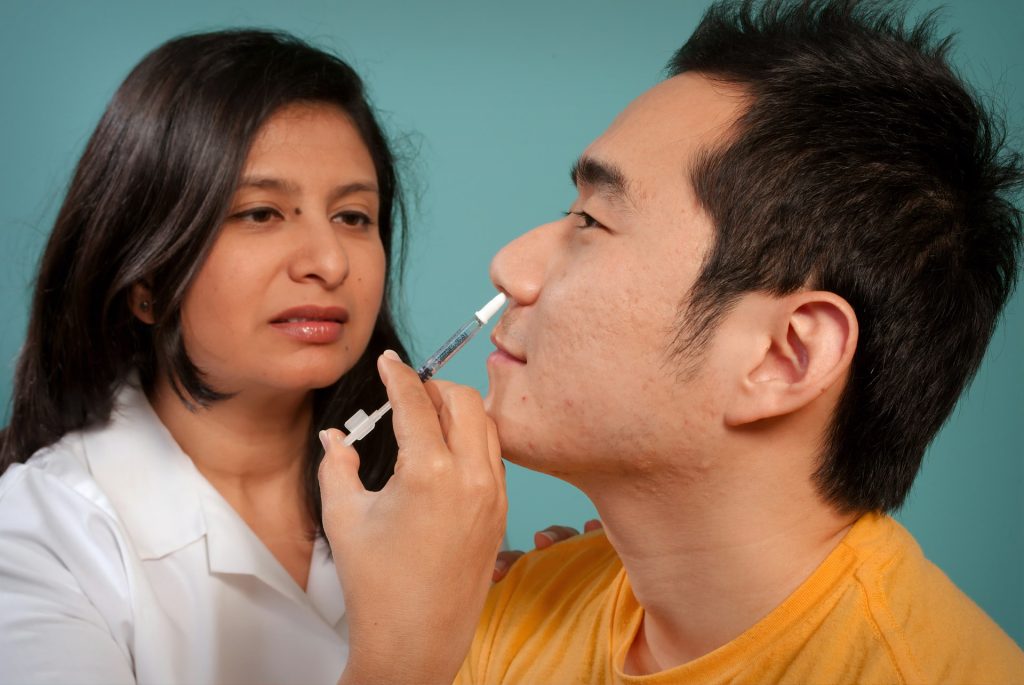
Source: CDC on Unsplash

Though great progress has been made in developing intramuscular COVID vaccines, as yet nothing provides mucosal immunity in the nose, the first barrier against the virus encounters before it travels down to the lungs.

In terms of both immune cell deployment and immunoglobulin production, the mucosal immune system is by far the largest component of the entire immune system, having evolved to provide protection at the main sites of infectious threat: the mucosae.

In iScience, Navin Varadarajan, Professor of Chemical and Biomolecular Engineering, and colleagues, report the development of an intranasal subunit vaccine that provides durable local immunity against inhaled pathogens.

“Mucosal vaccination can stimulate both systemic and mucosal immunity and has the advantage of being a non-invasive procedure suitable for immunization of large populations,” explained Prof Varadarajan. “However, mucosal vaccination has been hampered by the lack of efficient delivery of the antigen and the need for appropriate adjuvants that can stimulate a robust immune response without toxicity.”

To get around this, Prof Varadarajan worked with Xinli Liu, associate professor of pharmaceutics, and an expert in nanoparticle delivery. Prof Liu’s team packaged the agonist of the stimulator of interferon genes (STING) inside liposomal particles to create an adjuvant called NanoSTING. 

“NanoSTING has a small particle size around 100 nanometres, which exhibits significantly different physical and chemical properties to the conventional adjuvant,” said Prof Liu.

“We used NanoSTING as the adjuvant for intranasal vaccination and single-cell RNA-sequencing to confirm the nasal-associated lymphoid tissue as an inductive site upon vaccination. Our results show that the candidate vaccine formulation is safe, produces rapid immune responses—within seven days—and elicits comprehensive immunity against SARS-CoV-2,” said Prof Varadarajan.

Intramuscular vaccines have a fundamental limitation in that they are not designed to elicit mucosal immunity. As shown in previous work with respiratory pathogens like influenza, sterilising immunity to virus reinfection requires adaptive immune responses in the respiratory system.

The nasal vaccine will also help the equitable global distribution of vaccines, according to the researchers. Many smaller countries have only vaccinated a small percentage of their population, and outbreaks continue. These outbreaks and viral spread are known to facilitate viral evolution, ultimately leading to decreased efficacy of all vaccines.

“Equitable distribution requires vaccines that are stable and that can be shipped easily. As we have shown, each of our components, the protein (lyophilised) and the adjuvant (NanoSTING) are stable for over 11 months and can be stored and shipped without the need for freezing,” said Prof Varadarajan.

Source: University of Houston
COVID Hit South Africa Harder Than Expected Despite Preparedness

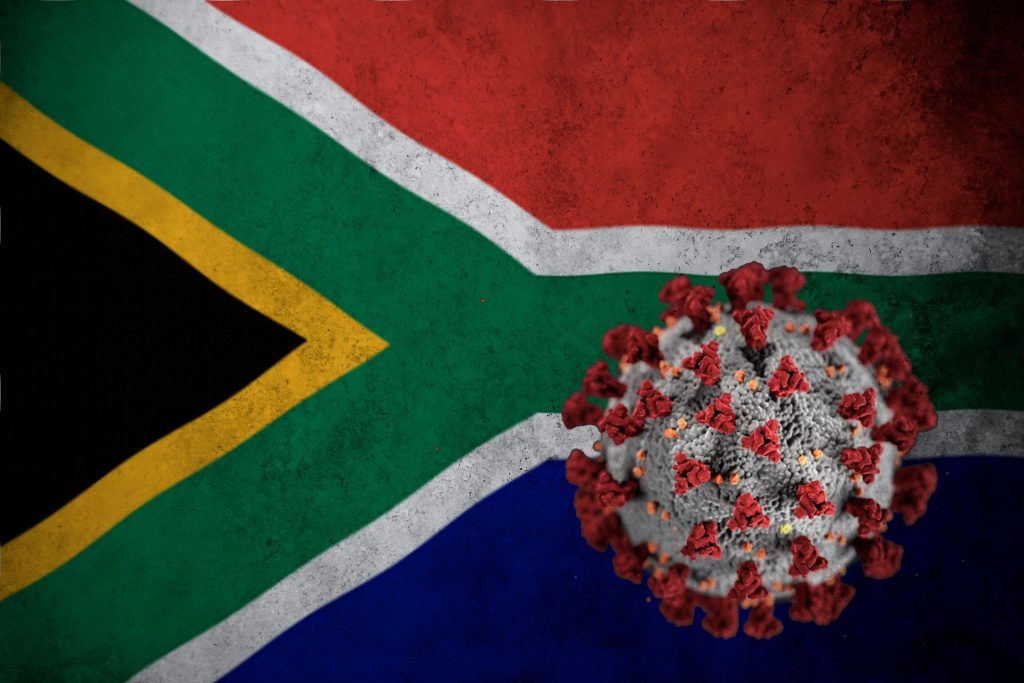
Image by Quicknews

New research finds African countries, assessed as being least vulnerable to an epidemic were the worst affected by COVID, particularly South Africa.

A team of researchers from the NIHR Global Health Research Unit Tackling Infections to Benefit Africa (TIBA) worked with the World Health Organization (WHO) African Region to identify factors affecting mortality rates during Africa’s first two COVID waves and the timing of the first reported cases. The study, published in the journal Nature Medicine, found that countries with greater urban populations and strong international travel links were worst affected by the pandemic. Mortality rates and levels of restrictions, such as lockdowns and travel bans, were found to be lowest in countries previously thought to be at greatest risk from COVID.

Professor Mark Woolhouse, TIBA Director, who co-led the study, said, “Our study shows very clearly that multiple factors influence the extent to which African countries are affected by COVID. These findings challenge our understanding of vulnerability to pandemics.

“Our results show that we should not equate high levels of preparedness and resilience with low vulnerability.

“That seemingly well-prepared, resilient countries have fared worst during the pandemic is not only true in Africa; the result is consistent with a global trend that more developed countries have often been particularly hard hit by COVID.”

Among 44 countries of the WHO African Region with available data, South Africa had the highest mortality rate during the first wave between May and August 2020, at 33.3 deaths recorded per 100k population. Cape Verde and Eswatini had the next highest rates at 17.5 and 8.6 deaths per 100k, respectively. At 0.26 deaths recorded per 100,000, the lowest mortality rate was in Uganda.

South Africa also recorded the highest mortality rate during the second wave between December 2020 and February 2021, at 55.4 deaths per 100,000. Eswatini and Botswana recorded rates of 39.8 and 17.7 deaths per 100,000, respectively. The lowest rate was in Mauritius, which recorded no deaths during the second wave.

“The early models which predicted how COVID would lead to a massive number of cases in Africa were largely the work of institutions not from our continent. This collaboration between researchers in Africa and Europe underlines the importance of anchoring analysis on Africa’s epidemics firmly here,” said Dr. Matshidiso Moeti, WHO Regional Director for Africa and co-author. “We can no longer focus our understanding of disease transmission purely on the characteristics of a virus—COVID operates within a social context which has a major impact on its spread.”

Countries with high rates of HIV were also more likely to have higher mortality rates. This may be because people with HIV often have other health conditions that put them at greater risk from COVID, the team suggests.

The weak association between mortality rate and the timing or severity of government-imposed social restrictions shows the varied impact and enforcement across the region, making a consistent impact pattern difficult to discern. Restrictions during peaks of infection are well documented to have interrupted transmission in the region.

The findings show that the earliest recorded cases of COVID were in countries where most people live in urban areas, with strong international travel links and greater testing capacity. Algeria was the first of 47 African countries to report a case, on 25 February 2020. Most countries had recorded cases by late March 2020, with Lesotho the last to report one, on 14 May 2020.

Higher death rates were observed during the second wave, compared with the first. The infection peak during the second wave was also higher, with 675 deaths across the continent on 18 January 2021 compared with 323 during the first wave peak on 5 August 2020. Potential under-reporting was accounted for in the analysis.

Source: University of Edinburgh

Plant Virus-based Treatment Protects Against Lung Tumours

Image source: CDC/Unsplash

Using a virus that grows in black-eyed pea plants, nanoengineers developed a new treatment that could keep metastatic cancers at bay from the lungs. 

Not only did the treatment slow tumour growth in the lungs of mice with either metastatic breast cancer or melanoma, it also prevented or drastically minimised the spread of these cancers to the lungs of healthy mice that were challenged with the disease. The research was published in Advanced Science.

Researchers developed an experimental treatment that combats metastatic spread. This involves a plant virus called the cowpea mosaic virus, harmless to animals and humans, but which the body still registers as a foreign invader, thus triggering an immune response that could also boost the body’s cancer-fighting ability.

The idea is to use the plant virus to help the body’s immune system recognise and destroy cancer cells in the lungs. The virus itself is not infectious in our bodies, but it has all these danger signals that alarm immune cells to go into attack mode and search for a pathogen, said Nicole Steinmetz, professor of nanoengineering at the University of California San Diego.

To draw this immune response to lung tumours, Prof Steinmetz’s lab engineered nanoparticles made from the cowpea mosaic virus to target a protein in the lungs. The protein, called S100A9, is expressed and secreted by immune cells that help fight infection in the lungs. Overexpression of S100A9 has been observed to play a role in tumour growth and spread.

“For our immunotherapy to work in the setting of lung metastasis, we need to target our nanoparticles to the lung,” said Prof Steinmetz. “Therefore, we created these plant virus nanoparticles to home in on the lungs by making use of S100A9 as the target protein. Within the lung, the nanoparticles recruit immune cells so that the tumors don’t take.”

“Because these nanoparticles tend to localise in the lungs, they can change the tumor microenvironment there to become more adept at fighting off cancer — not just established tumors, but future tumors as well,” said Eric Chung, a bioengineering PhD student in Steinmetz’s lab who is one of the co-first authors on the paper.

To make the nanoparticles, the researchers infected black-eyed pea plants with cowpea mosaic virus, and harvested the virus in the form of ball-shaped nanoparticles. They then fixed S100A9-targeting molecules to the particles’ surfaces.

The researchers performed both prevention and treatment studies. In the prevention studies, they first injected the plant virus nanoparticles into the bloodstreams of healthy mice, and then later injected either triple negative breast cancer or melanoma cells into these mice. Treated mice showed a dramatic reduction in the cancers spreading to their lungs compared to untreated mice.

In the treatment studies, the researchers administered the nanoparticles to mice with metastatic tumours in their lungs. The treated mice exhibited smaller lung tumours and survived longer than untreated mice.

Prof Steinmetz envisions that the treatment could be useful after tumourectomy. “It wouldn’t be meant as an injection that’s given to everyone to prevent lung tumours. Rather, it would be given to patients who are at high risk of their tumors growing back as a metastatic disease, which often manifests in the lung. This would offer their lungs protection against cancer metastasis,” she said.

More detailed immunotoxicity and pharmacology studies are needed before this can progress to a treatment. Future studies will also explore combining this with standard cancer therapies such as chemotherapy.

Source: University of California – San Diego

Immune System Mutation Found in Tree-man Syndrome

Cryo-electron microscopy structure of the human papillomavirus. Source: Wikimedia Commons CC0

A new study explores why some extremely rare cases of human papilloma virus (HPV) infections cause horn-like growths on the skin, a condition known as tree-man syndrome

Infection with HPV is extremely common, with most people catching it at some point and not even being aware of it due to a robust immune response, though some may experience skin or genital warts. Why only a handful of individuals react to it by developing tree-man syndrome was not well understood.

To find out why this strikes a handful and not others, Rockefeller’s Jean-Laurent Casanova examines the genetics of an otherwise healthy patient who contracted a severe case of tree-man syndrome and several family members who exhibited milder reactions to HPV. Casanova’s team identified a mutation that affects one’s reaction to HPV by decreasing the production of CD28, a molecule within the immune system that plays an important role in activating pathogen-fighting T cells.

Given the purported importance of CD28 to the immune system, the scientists were surprised that this CD28-deficient individual was healthy prior to contracting tree-man syndrome. “CD28 is thought of as a pillar of T cell immunity,” says Casanova. “The fact that this patient was otherwise healthy suggests that CD28 is largely redundant in human health. Something else is able to step up to provide protection against other infections.”

The findings, published in Cell, form a small part of Casanova’s larger work, which continues to demonstrate that the severity of  influenza, tuberculosis, COVID, and other diseases, is not solely dependent on the pathogen itself, but on genetics of the host, too.

Source: Rockerfeller University

Study Links Poor Sleep to Arrhythmias

Photo by Cottonbro on Pexels

A large observational study linked poor sleep to arrhythmias, although genetic risk factors for rhythm problems appeared to lessen the association.

The results, published in the American College of Cardiology, show that best self-reported sleeps (getting 7-8 hours etc) had a 29% lower risk of developing atrial fibrillation or flutter and a 35% lower risk of bradyarrhythmia compared with those with the worst sleep patterns (eg, being a night owl, sleeping too little, snoring, and having insomnia or daytime drowsiness).

The ventricular arrhythmia risk fell away after demographic, lifestyle, and genetic risk factors were accounted for.

Together with previous research linking a healthy sleep pattern to reduced cardiovascular disease and heart failure risks, the findings, according to the researchers, “emphasise the importance of improving the overall sleep behaviours in the prevention of cardiovascular disease at an early stage among the high-risk populations”.

Being reversible, the findings support the idea of better sleep for arrhythmia prevention.

“However, rest assured, we must not yet lose sleep over their findings,” cautioned Alan Kadish, MD, and Jason Jacobson, MD, in an accompanying editorial. They drew attention to a number of limitations, making the findings more theoretical than currently practicable.

Despite the study’s more sophisticated approach, “a major limitation is that arrhythmia diagnoses were obtained from diagnostic codes,” they noted. Furthermore, arrhythmias are subject to significant variability.
Arrhythmia prevention doesn’t mean cardiovascular disease prevention, they added. “[N]ot all arrhythmias have the same significance, and many are the consequence (not cause) of cardiovascular disease,” they wrote. “Alternatively, sleep disorders and arrhythmias may both simply be indicators of declining health overall and not causally linked.”

The researchers proposed potential mechanisms of action including disrupted autonomic nervous balance of sympathetic nervous and vagal outflows and metabolic changes.

The editorialists pointed out the interesting finding that genetic predisposition to atrial fibrillation significantly modified the associations. Good self-reported sleep and low genetic risk together presented a 46% lower risk of atrial fibrillation than a poor sleep pattern plus high genetic risk.

Progressively poorer sleep health scores were associated with higher incidences of atrial fibrillation and bradyarrhythmias.

Sleeping 7 to 8 hours per day, infrequent or no insomnia, and no frequent daytime sleepiness were each linked to lower arrhythmia risk.

Source: MedPage Today

Second or Third-degree Relatives Still Share Colon Cancer Risk

Colon cancer cells. Source: National Cancer Institute on Unsplash

A new study has found that having second- or third-degree relatives with colorectal cancer increases a person’s risk of developing the disease.

Early colonoscopy screening is often recommended for first-degree relatives of someone diagnosed with early-onset (before age 50) colorectal cancer, cases of which have been increasing significantly over the past few decades. But the study suggests that early screening may be beneficial for second- and third-degree relatives as well.

The study reviewed more than 1500 early-onset colon cancer cases in the Utah Cancer Registry,found that first-degree relatives of someone diagnosed with early-onset colorectal cancer are 6 times more likely to be diagnosed with colorectal cancer before age 50, while second-degree relatives (aunts, grandparents etc) are 3 times likelier and third-degree relatives (first cousins etc) 1.56 times likelier.

“Our study provides new insight into the magnitude of risk for more distant relatives of colorectal cancer cases, and in particular, for relatives of cases who were diagnosed before age 50,” said first author Heather Ochs-Balcom, associate professor of epidemiology and environmental health, UB School of Public Health and Health Professions. “This work is important given the rising rates of early-onset colorectal cancer.”

There was also 2.6-fold higher risk of colorectal cancer at any age if they have a first-degree relative with early-onset colon cancer. The risk is 1.96 and 1.3 times greater for second- and third-degree relatives, respectively. In addition, the risk for all degrees of relatives for early-onset colon cancer is higher than the risk for colon cancer at any age.

The findings, published in Cancer Epidemiology, suggest that early colonoscopy screening may be beneficial for second-degree relatives and possibly third-degree relatives, in addition to first-degree relatives of individuals diagnosed with colorectal cancer before age 50.

The researchers also point out that relatives may benefit from being more aware of their extended family history and sharing this information with their physician when making cancer-screening decisions.

Source: University at Buffalo

Is Heart Pump Development Dead in the Water?

Photo by Robina Weermeijer on Unsplash

At an annual meeting of the Heart Failure Society of America (HFSA), heart failure specialists agreed that recalling the HeartWare heart pump was good but debated whether its departure leaves the field of mechanical circulatory support (MCS) dead in the water.

In June, Medtronic stopped sales of its HeartWare Ventricular Assist Device (HVAD), citing excess neurological events and mortality with the device. As a result, Abbott’s HeartMate 3 became the only FDA-approved, durable left ventricular assist device (LVAD) on the market.

“Competition breeds innovation. When competition is absent or minimal, there is little incentive for corporations to innovate,” said Jennifer Cowger, MD, MS, of Henry Ford Hospital in Detroit, during the annual scientific meeting.

“While I believe the removal of the HVAD from the market was the ethical thing to do, unless we as a field start embracing MCS technology and change our messaging to the general cardiology community, our field is going to be viewed as niche to referring cardiologists and we’re going to face irrelevance and we’re going to have bad times ahead,” she added.

However Nancy Sweitzer MD, PhD, of the University of Arizona in Tucson, disagreed, pointing out that there are plenty of advances on the horizon.

Nine companies worldwide are developing heart pumps for this $3-4 billion market, Dr Sweitzer noted. Several devices under investigation — implantable ones with no external component — will probably proceed to first-in-man trials in the next year, she said. “There’s a lot of money if you do this well,” she added

Internal competition alone may be enough to advance the field, Sweitzer argued, citing Thoratec’s HeartMate II superseding their old HeartMate XVE.

“They put their own device up against their own device. So I would argue that corporate competition isn’t necessary when the stakeholders realize that we need to get better at this. I think the companies in this space realize there’s a huge unmet need here if we develop a really good MCS that was truly portable, gave people excellent quality of life, and had lower complications,” she said.

Yet given the pace of LVAD research, “in the next decade, we have cause for concern in the MCS field,” Dr Cowger countered.

Both debaters suggested that MCS technology shouldn’t stop at HeartMate 3, even with its relatively impressive performance.

“Outcomes on HeartMate 3 are not the outcomes we really want for these patients. There are still innumerable complications. Hospitalization rates are extraordinarily high in these patients post-implant even if they’re successful implants. They bleed, they get infected, they get strokes. That still happens,” noted Dr Sweitzer.

Innovation issues aside, Dr Cowger pointed out that HeartMate 3 is also much larger than the HVAD, and the smaller device’s loss leaves a gap for patients. She said negative media views had not helped the recent “sense of apathy and loss of enthusiasm for MCS”.

“Physicians don’t want to use technology that will harm or be perceived to harm patients,” she said, noting that sentiment has shifted from “VADs are sexy, cool” to “we would not choose LVADs over [heart] transplant.”

Source: MedPage Today

Antioxidant Trial for Parkinson’s Disease Flops

Source: Pixabay

Raising brain levels of the natural antioxidant urate through ionosine administration failed to slow the progression of Parkinson’s disease (PD), reported researchers at Massachusetts General Hospital (MGH).

Still, the rigor of the clinical study and some of its novel investigative approaches are seen as improving the prospects for future clinical trials to demonstrate the benefits of disease-modifying therapies for people with Parkinson’s disease. The results were published in JAMA.

“The convergence of epidemiological, biological, and clinical data from past research made a compelling argument that elevating urate, the main antioxidant circulating in the blood, could protect against the oxidative damage thought to play a role in Parkinson’s disease,” explained senior author Michael Schwarzschild, MD, PhD, a neurologist at MGH. “While our study did not rule out a protective effect of urate in Parkinson’s, it clearly showed that increasing urate did not slow disease progression based on clinical assessments and serial bran scan biomarkers of neurodegeneration.”

So far, no treatment has been shown to prevent or forestall progression of Parkinson’s disease, which affects the body’s motor system. The Phase III trial, SURE-PD3, enrolled 298 individuals recently diagnosed with early Parkinson’s disease based on MRI scans indicating loss of dopamine-producing brain cells characteristic of PD. In participants who received the metabolite inosine — which raises levels of urate in the brain and blood and has shown neuroprotective properties in preclinical models — there was no significant difference in the rate of disease progression compared to placebo. Additionally, there was an increased rate of kidney stones among those randomised to inosine treatment.

Despite the lack of evidence to support urate elevation, Dr Schwarzschild found the study successful in other ways. “The findings were very helpful in providing a reality check that now allows the field to move on to other therapeutic approaches,” he explained. “We also learned a lot in terms of clinical trials science for Parkinson’s, and ways to conduct future studies that will increase their chance of success.” One of those ways is to tailor treatment to subsets of patients who are most likely to benefit – a hallmark of the move to precision medicine in Parkinson’s research. In SURE-PD3, for example, only patients who had lower levels of urate were enrolled to increase the chance of benefit and reduce the chance of side effects.

Another innovative feature of the trial is that many participants gave blood samples for genotyping – a valuable source of genetic information that could figure in the hunt for clinical solutions in smaller subpopulations of PD patients. A significant number also volunteered for an extension of the study to help determine how monitoring at home could provide more efficient ways to conduct future clinical trials. “There were many positive results from SURE-PD3 which we believe will improve the prospects of researchers discovering a disease-modifying therapy which people with Parkinson’s have been desperately seeking,” Dr Schwarzschild concluded.

Source: Massachusetts General Hospital

The Nagging Pain of Vaccination Shoulder Injuries

Image source: NCI on Unsplash

Shoulder injury related to vaccine administration (SIRVA) has been documented long before COVID, and most commonly reported after influenza vaccination. The cause is often due to poor administration. 

However, the medical community cautions that currently it’s more of a medicolegal determination rather than a distinct diagnosis. The condition is also plagued by the lack of a solid evidence base, and causality is difficult to pin down.

However, most physicians that MedPage Today interviewed put shoulder injury down to improper injection technique, and that these problems should be taken seriously and treated appropriately. One recent overview noted that SIRVA is a “rare yet increasingly recognised complication of immunisation.”

“We’re certainly not seeing a pandemic of SIRVA” from COVID vaccines, said Dr DJ Kennedy, chair of physical medicine & rehabilitation at Vanderbilt University Medical Center. “It’s really rare and the literature to date is mostly case reports. But I do think it’s possible, absolutely” for vaccine-related shoulder injury to occur.

Dr Laura Keeling, orthopedic surgeon at MedStar Georgetown University Hospital, told MedPage Today that part of the reason SIRVA remains in the medicolegal realm is that it’s “more of a constellation of symptoms and findings” as opposed to a specific diagnosis.

Symptoms can vary depending on where the stray shot landed, resulting in various manifestations such as bursitis, tendonitis, or adhesive capsulitis (aka ‘frozen shoulder’).

Generally, it’s characterised as a “constellation of shoulder pain and reduced range of motion that occurs within 48 hours of vaccination and does not resolve within 1 week,” according to a recent paper co-authored by Dr Keeling. It’s also different from typical post-injection soreness, as the pain is more severe and it can impact mobility and function.

Generally, treatments include anti-inflammatory drugs, corticosteroid injections, and physical therapy. Occasionally surgery is necessary to treat an underlying pathology such as an exacerbated rotator cuff injury. Patients with SIRVA often land in their GP’s office first, and then may be referred to a specialist such as a physiatrist or an orthopedic surgeon.

“It’s the patients who have persistent symptoms who are referred to orthopedic surgeons,” Dr Keeling said. “If physical therapy and injection don’t work, then primary care refers to us.”

Physical medicine & rehabilitation physicians, or physiatrists, also play a large role in treating SIRVA.

“We treat based on a full evaluation including history and physical findings, and imaging if needed,” Dr Kennedy said. “Then we develop a comprehensive rehabilitation plan … that usually involves doing range of motion and strengthening exercises on a daily basis.”

Scott Noren, DDS, an oral surgeon in Ithaca, New York, said after his second COVID shot in early February, he developed shoulder pain: “It went in pretty deep and pretty high,” he told MedPage Today.

An MRI revealed fluid collecting in his joint, as well as adhesive capsulitis, he said. Physical therapy helped improve his range of motion to an extent, but he has lingering pain. It’s difficult to take x-rays and do long procedures as an oral surgeon: “I have pretty good pain even with just normal function now,” he said.

Source: MedPage Today

2-Metre Social Distancing May be Insufficient Indoors

Photo by Paul Wong on Unsplash

A new study found that the two-metre physical distance required to avoid the viral shedding from a person infected with COVID caused by speaking or breathing may be insufficient indoors.

Researchers from the Penn State Department of Architectural Engineering found that indoor distances of two metres may not be enough to sufficiently prevent transmission of airborne aerosols. Their results were published online in Sustainable Cities and Society.

“We set out to explore the airborne transport of virus-laden particles released from infected people in buildings,” said first author Gen Pei, a doctoral student in architectural engineering at Penn State. “We investigated the effects of building ventilation and physical distancing as control strategies for indoor exposure to airborne viruses.”

The researchers looked at three factors: the amount and rate of air ventilated through a space, the indoor airflow pattern associated with different ventilation strategies and the aerosol emission mode of breathing versus talking. They also compared transport of tracer gas, usually used to test leaks in air-tight systems, and human respiratory aerosols ranging in size from one to 10 micrometres, a size that can still carry SARS-CoV-2.

“Our study results reveal that virus-laden particles from an infected person’s talking — without a mask — can quickly travel to another person’s breathing zone within one minute, even with a distance of two meters,” said corresponding author Donghyun Rim, associate professor of architectural engineering. “This trend is pronounced in rooms without sufficient ventilation. The results suggest that physical distance alone is not enough to prevent human exposure to exhaled aerosols and should be implemented with other control strategies such as masking and adequate ventilation.”

Aerosols were found to travel farther and more quickly in rooms with displacement ventilation, where fresh air continuously flows from the floor and pushes old air to an exhaust vent near the ceiling. This is the type of ventilation system installed in most residential homes, and it can result in a human breathing zone concentration of viral aerosols seven times higher than mixed-mode ventilation systems. Many commercial buildings have mixed-mode systems, which bring in outside air to dilute the indoor air and result in better air integration as well as tempered aerosol concentrations, according to the researchers.

“This is one of the surprising results: Airborne infection probability could be much higher for residential environments than office environments,” Prof Rim said. “However, in residential environments, operating mechanical fans and stand-alone air cleaners can help reduce infection probability.”

According to Rim, increasing the ventilation and air mixing rates can effectively reduce the transmission distance and potential accumulation of exhaled aerosols, but ventilation and distance are only two options in an arsenal of protective techniques.

“Airborne infection control strategies such as physical distancing, ventilation and mask wearing should be considered together for a layered control,” Prof Rim said.

The researchers are now applying this analysis technique to other kinds of occupied spaces, such as classrooms and transportation environments. 

Source: Pennsylvania State University