Category: Substance Use

Opioid Respiratory Depression Reversed with Electrical Pulses

Source: Pixabay CC0

Opioid use is a significant cause of premature death, caused by supressing respiratory activity. New research, published in The Journal of Physiology, points to a novel treatment for respiratory depression associated with opioid use that administers electrical pulses to the back of the neck, helping patients regain respiratory control following high dosage opioid use.

Breathing problems can occur after opioid use or post-operative complications from anaesthesia because opioids desensitise the brain stem to rises in carbon dioxide. This can cause respiratory failure, which can be fatal. Current treatments, such as manual lung inflation and medication, can work in the short term to combat breathing problems following opioid use, but getting patients to breathe independently remains a challenge. Therefore, this new research, which administers epidural electrical stimulation (EES) offers an alternative, non-pharmacological treatment.

EES administered at the cervical spinal cord, which is located at the back of the neck, activates a network of neurons in the brainstem that stimulates and coordinates respiratory muscles and improves the rate and depth of breathing.

Researchers from the University of California, Los Angeles (UCLA), targeted sensory-motor circuits in the cervical spinal cord of 18 patients with degenerative spine diseases who were anaesthetised for surgical treatment. They delivered 30 Hertz of EES to the cervical spinal cord continuously for no longer than 90 seconds.

They found that short periods of continuous low-intensity EES not only increased the volume of breath but also actively controlled the frequency and rhythm during opioid-induced breathing problems. The rhythmic breathing pattern was sustained briefly after the EES stopped in the presence of high-dose opioids.

Senior author Dr Daniel Lu, UCLA professor and vice chair of neurosurgery, said: “Our results provide proof of principle that cervical EES could improve respiration following opioid use. We can compare the human body to a car, our goal is to jump start the body so it can run by itself without periodic pushes. We hope to use EES to provide novel approaches to restore breathing for healthcare providers as we are now using defibrillation devices for restoring cardiac activities.”

Future human trials with larger cohorts will be conducted to further assess the practical application and impact of EES to determine whether EES can alleviate or reduce the need for ventilator support in acute pathological conditions such as OIRD, stroke, and traumatic brain, brain stem or spinal cord injury. Experimental studies in mice will be carried out to further investigate the role specific neurons play in response to EES.

Source: Physiological Society

Surprising Trends among Vaping Teens Reveal Vulnerable Groups

Photo by Nery Zarat on Unsplash

A study published today in the American Journal of Preventive Medicine used survey data from US high school students to determine how prevalent vaping is in different sexual orientation, race, and ethnicity groups. They found dramatic differences and surprising patterns in vaping rates across these identity markers.

Vaping is on the rise among teens, with half of all US high school students in having tried vaping at least once and a third of these students vaping regularly.

From 2019–2020, the popularity of disposable e-cigarette use among US high school students who currently vaped went up by 1000%, from 2.4% to 26.5%, according to the CDC. Since nicotine in e-cigarettes is highly addictive, and e-cigarette use in teens leads to higher risks of smoking regular cigarettes later in life, researchers wanted to know more about which groups of teens are currently vaping and possible predisposing factors.

The study, which uses survey data of over 38 000 high school students from 2015–2019, fills in a wide gap that exists in e-cigarette studies: research on vaping prevalence among young people at the intersections of more than one minoritised identity.

The study uncovered significant differences in the prevalence of current e-cigarette use between lesbian and heterosexual girls when comparing across racial groups. 

Current e-cigarette use was higher in Black lesbian girls compared to Black heterosexual girls (18.2% vs 7.1%). The rate was also higher in multiracial girls who identify as lesbian compared to multiracial girls who identify as heterosexual (17.9% vs 11.9%). On the other hand, White lesbian girls were found to be at lower risk of current vaping compared to White heterosexual girls (9.1% vs 16.1%).

Among boys, there were no significant interactions between sexual orientation and race or ethnicity in relation to vaping prevalence. 

Previous surveys of gay and lesbian teens suggest that e-cigarette use might be a coping mechanism to deal with the stress of sexual orientation or gender identity-based discrimination or bullying, or a way to bond with others in their social circle, the authors say. However, prior studies have not reported how e-cigarette use prevalence among youth differ at the intersections of sexual orientation, sex, race, and ethnicity. 

One possible reason for finding disparities in e-cigarette use at the intersection of sexual orientation and race among girls, but not boys may be due to higher levels of targeted e-cigarette marketing toward queer women of color, the authors say. 

Prior research has found that when compared to White heterosexual young women (aged 18-24), bisexual Black and Hispanic women reported higher levels of exposure to ads for tobacco products, while there were no substantial differences in exposure to these ads among young adult men.

“For years, the tobacco industry has targeted marketing toward traditionally marginalised groups, whether in clubs, bars, Pride events, or through magazines,” said co-author Andy Tan, associate professor at the Annenberg School for Communication. “Sexual, racial, and ethnic minority youth are more likely to report engaging with online tobacco advertising including e-cigarette ads on social media.”

Source: University of Pennsylvania

Many Medical Cannabis Users also Use Nicotine

Photo by RODNAE Productions from Pexels

Users of medical cannabis are more likely to also use nicotine products than the general population, according to a Rutgers University study published in the American Journal on Addictions.

“Simultaneous use of cannabis and nicotine is a growing concern, but while the relationship between recreational cannabis and nicotine use is well-established, little is known about nicotine use among users of medical cannabis,” said Mary Bridgeman, a clinical professor at Rutgers Ernest Mario School of Pharmacy.

The researchers surveyed 697 patients aged 18–89 at a medical marijuana dispensary on their nicotine and cannabis use, how they self-administered the cannabis (smoked, vaped) and the medical conditions that qualified them for using therapeutic cannabis.

Nearly 40% of medical marijuana users reported using nicotine – sharply higher than the 14% of US adults who smoke.

Therapeutic cannabis users who also used electronic cigarettes or didn’t use nicotine at all were about four times more likely to vape, rather than smoke, cannabis than those who exclusively smoked cigarettes.

The study also found 75% of the respondents smoked cannabis rather than vaped and about 80% of the cigarette smokers reported planning to quit in the next six months.

“These findings reveal that while medical cannabis dispensaries may recommend vaping rather than smoking cannabis due to the health concerns associated with combustible products, this recommendation alone may not influence patients who also smoke cigarettes,” said Professor Marc Steinberg, co-author of the study.

“Between the higher rates of nicotine use in those using medical cannabis, the fact that cigarette smokers opt to smoke cannabis as well and that those people also are seeking to quit using nicotine presents a strong argument that dispensaries provide tobacco control messaging at the point-of-sale to encourage cigarette smokers to quit,” Prof Steinberg added. “The strategy also could increase the chances that a medical cannabis user would vape the product, which is a less harmful route than smoking.”

Source: Rutgers University

The Chemistry of Morning Coffee and Cigarettes

Coffee cup and beans
Photo by Mike Kenneally on Unsplash

For many smokers, a coffee is needed to make that first cigarette of the day satisfying. A new study suggests that a chemical compound – not caffeine – may help blunt morning nicotine cravings.

Researchers in the study identified two compounds in coffee that directly affect certain high-sensitivity nicotine receptors in the brain. In smokers, these brain receptors can be hypersensitive after a night without nicotine.

Published in the journal Neuropharmacology, the findings have yet to be tested in humans but are an important step toward better understanding how coffee and cigarettes affect nicotine receptors in the brain, explained Roger L. Papke, PhD, a pharmacology professor in the University of Florida College of Medicine. The caffeine in coffee gives a wellness boost to its drinkers, but smokers may get something more.

“Many people like caffeine in the morning but there are other molecules in coffee that may explain why cigarette smokers want their coffee,” Prof Papke said.

The researchers applied a dark-roasted coffee solution to cells that express a particular human nicotine receptor. An organic chemical compound in coffee may help restore the nicotine receptor dysfunction that leads to nicotine cravings in smokers, the researchers concluded.

Prof Papke hypothesises that one of the compounds in brewed coffee, known as n-MP, may help to quell morning nicotine cravings.

Prof Papke said he was intrigued by the idea that nicotine-dependent smokers associate tobacco use with coffee in the morning and alcohol in the evening. While alcohol’s effect on nicotine receptors in the brain has been well researched, the receptors’ interaction with coffee is less studied.

“Many people look for coffee in the morning because of the caffeine. But was the coffee doing anything else to smokers? We wanted to know if there were other things in coffee that were affecting the brain’s nicotine receptors,” Prof Papke said.

The findings, he said, provide a good foundation for behavioural scientists who could further study nicotine withdrawal in animal models.

Source: University of Florida

Spike in Traffic Crashes and Fatalities from Marijuana Legalisation

Photo by Kindel Media on Pexels

US States that legalised recreational marijuana saw a subsequent increase in traffic crashes and fatalities, researchers reported in the Journal of Studies on Alcohol and Drugs.

“The legalisation of marijuana doesn’t come without cost,” stated lead researcher Charles M. Farmer, PhD, of the Insurance Institute for Highway Safety.

Dr Farmer and colleagues’ analysis of five states that allow the recreational use of marijuana for adults age 21 and older revealed a 5.8% increase in the rate of traffic crash injuries and a 4.1% increase in fatal crash rates after legalisation and the onset of retail sales. At the same time, there was no increase in a comparison group of states which did not legalise marijuana.

The injury crash rate jumped after legalisation but before retail sales began. Traffic crash injuries rose 6.5% after legalisation but decreased slightly (-0.7%) after retail sales commenced. However, fatal crash rates increased both after legalisation (+2.3%) and after retail sales were authorised (+1.8%).

“Legalisation removes the stigma of marijuana use, while the onset of retail sales merely increases access,” explained Dr Farmer. “But access to marijuana isn’t difficult, even in places without retail sales. Users who previously avoided driving high may feel that it’s okay after legalisation.”

Marijuana legalisation’s stronger relationship with traffic crash injuries, rather than fatalities, may be due to how some drivers compensate when impaired by marijuana. Often, drivers under the influence of marijuana slow down and maintain a larger distance between themselves and other vehicles. A crash may be harder to avoid while impaired, but the lower-speed crashes that occur may be less likely to be fatal.

The authors note that earlier studies involving driving simulators have shown marijuana use to affect reaction time, road tracking, lane keeping and attention. However, Farmer notes that the current study is correlational, and increased marijuana use itself is likely not the sole cause of the increases seen.

“Studies looking for a direct causal link between marijuana use and crash risk have been inconclusive,” he says. “Unlike alcohol, there is no good objective measure of just how impaired a marijuana user has become. Until we can accurately measure marijuana impairment, we won’t be able to link it to crash risk.”

The researchers collected data on traffic crashes and traffic volume for 2009–2019 from 11 states and from the Federal Highway Administration. During the study period, five states had legalised recreational marijuana while a comparison group of six states did not. The authors statistically adjusted for factors known to contribute to crashes and fatalities, including seat belt use and unemployment rate.

In the states that legalised cannabis, changes in injury crash rates varied: Colorado had the biggest jump (+17.8%) and California the smallest (+5.7%) after both legalisation and the onset of retail sales. Nevada’s rate decreased (-6.7%). For fatal crashes, increases occurred in Colorado (+1.4%) and Oregon (3.8%), but decreases were found in Washington (-1.9%), California (-7.6%) and Nevada (-9.8%).

Farmer points out that states considering marijuana legalisation should consider a few steps to help forestall a potential increase in crashes. “First, convince everyone that driving under the influence of marijuana is not okay,” he says. “Then, enact laws and sanctions penalising those who ignore the message. Finally, make sure you have the resources (ie, staffing and training) to enforce these laws and sanctions.”

Source: EurekAlert!

Greater Hospitalisation or ED Visit Risk for Cannabis Users

Photo by RODNAE Productions from Pexels

Compared to non-users, cannabis users have 22% higher rates in emergency department (ED) visits and hospitalisations, according to new research findings. The study, published in BMJ Open Respiratory Research revealed that serious physical injury and respiratory-reasons were the two leading causes of ED visits and hospitalisations among cannabis users.

The findings suggest an association between cannabis use and negative health events, which the researchers say should underline the need to educate and remind the public of the harmful impacts of cannabis on health.

“Our research demonstrates that cannabis use in the general population is associated with heightened risk of clinically serious negative outcomes, specifically, needing to present to the ED or be admitted to hospital,” said Dr Nicholas Vozoris, lead author, a respirologist at St. Michael’s and an associate scientist at the hospital’s Li Ka Shing Knowledge Institute.

“Unlike tobacco, there is some uncertainty or controversy regarding the adverse health impacts of cannabis. Some individuals may perceive that cannabis has some health benefits and is otherwise benign. Our research highlights to those using – or considering to use – cannabis, that this behaviour is associated with important negative health events.”

To compare health outcomes among cannabis users and individuals who don’t use cannabis, researchers used data collected in a survey of individuals who self-reported cannabis use and linked it with health administrative data for Ontario residents.

Using propensity score matching, researchers compared the health outcomes of nearly 4800 individuals who reported any cannabis use in the preceding 12 months with the health outcomes of over 10 000 individuals never-users, or having used cannabis only once and more than 12 months ago. Researchers incorporated 31 different variables while matching study participants to minimise an unfair comparison, including demographics, multiple physical and mental health diseases, and tobacco, alcohol and illicit drug use.

The study’s main aim was to see if there was a link between cannabis use and respiratory-related hospitalisation or ED visits. No significant associations were found between cannabis use and respiratory-related ED visits, hospitalisations, or death from any cause. However, they did find that overall visits to the ED or hospitalisations for any reason was significantly higher among cannabis users.

In addition to having greater odds of ED visits or hospitalisation, the findings show that one of every 25 cannabis users will go to the emergency department (ED) or be admitted to hospital within a year of using cannabis.

Among the reasons for ED visits or hospitalisations of cannabis users, acute trauma was the most common, with 15% of cannabis users who got medical attention receiving it for this reason, and 14% receiving care for respiratory reasons.

“The results of our research support that health care professionals and government should discourage recreational cannabis consumption in the general population,” noted Dr Vozoris.

Source: EurekAlert!

Researchers Uncover ‘Copycat’ Cannabis Edibles

Photo by Amit Lahav on Unsplash

NYU School of Global Public Health researchers have found that some cannabis edibles have a striking resemblance to popular snack foods such as Doritos, and may be easily confused for them, especially by young children, finds a new study published in Drug and Alcohol Dependence.

These “copycat” edibles also have levels of the psychoactive ingredient tetrahydrocannabinol or THC that far exceed the limits set by cannabis regulations in US states.

“At first glance, most of the packages look almost exactly like familiar snacks. If these copycat cannabis products are not stored safely, there is the potential for accidental ingestion by children or adults,” said Associate Professor Danielle Ompad, lead author of the study.

Edibles are a popular and growing segment of the cannabis market. In states where cannabis use is legal, more than half (56%) of cannabis users consume edibles.

Some edibles that use similar branding and imagery to mimic popular snack foods have been highlighted by the media. These copycat cannabis products are a public health concern given that people – including children – could mistake them for snacks and accidentally consume them. From 2017 to 2019, US Poison Control Centers handled nearly 2000 cases of young children ages 0 to 9 consuming edibles.

To gain a deeper understanding of copycat edibles, the researchers collected hundreds of photos of cannabis products and analysed their packaging, including branding, names, imagery, and THC content. Looking at the photos for 267 edibles, they found that 8% (22 photos) closely resembled 13 different snack products.

Twelve of the products were candies or sweet snacks (fruit chews, fruit snacks, rice and marshmallow treats, and gummies) and one was a salty snack (chips). Eight of the 13 packages used the exact brand or product name of the original product; the remaining five used names that were similar (for instance, “Stoner Patch Dummies” instead of “Sour Patch Kids”). Seven of the packages used the same cartoon or brand character as the original product.

Most US states that have legalised cannabis limit the amount of THC in edibles, generally 5–10mg of THC per dose and 100mg per package. According to the packaging information, these edibles contained an average of 459mg of THC with a range of 300 to 600 mg per package, far exceeding the maximum limits.

“While each package is likely intended to include multiple doses, few packages indicate the serving size or number of servings,” said Dr Ompad. “Moreover, if we’re considering 10mg a standard dose, these products could contain an alarming 30 to 60 doses per package.”

The findings highlight the risk that these copycat products could be attractive to children, given the colourful packaging and use of familiar branding and characters.

“Policies to prevent cannabis packaging from appealing to children haven’t stopped copycat products from entering the market — nor have food brands taking legal action against cannabis companies for copyright infringement,” said Dr Ompad. “People who purchase edibles that look like snack foods should store them separately from regular snacks and out of reach of children.”

Source: New York University

Carrying Naloxone in EDs Could Save Lives

Source: Mat Napo on Unsplash

In a study published in JAMA Network Open, researchers found that after a visit to the ED, many opioid overdose patients carried naloxone, which helps reverse opioid overdoses, which could save their lives in the event of a future overdose.

About 70% of current overdose deaths in the US involve opioids, which means that many of them could be prevented with naloxone. Naloxone is an opioid antagonist, blocking the effect of opioids in overdoses and able to save lives when used in time. It is easy to carry and use, and studies have demonstrated that laypeople can administer it safely and effectively to reverse overdoses.

However the people most likely to witness an overdose, including opioid users and their friends and relatives, may not be able to easily obtain naloxone. Strategies are needed to increase uptake, carrying, and administration of naloxone, especially among at-risk individuals in the community who may not be engaged in routine health care or with community naloxone distribution efforts.

Many at-risk individuals find themselves in the emergency departments (ED), either because of an overdose or other complications of substance use. The Perelman School of Medicine’s Anish Agarwal, an assistant professor of emergency medicine, and Margaret Lowenstein, an assistant professor of medicine, recently examined the potential for ED visits as a critical, reachable moment to engage high-risk individuals in overdose prevention. The team reached out to at-risk patients prescribed naloxone in the ED to understand whether they had obtained their naloxone during or after their ED visit, whether they were carrying it, and their plans to carry it in the future.

The survey asked patients about their experiences and perceptions following the ED encounter related to accessing, using, and carrying naloxone. Most of the patients did not carry naloxone prior to their ED, yet over a third reported having a personal history of an overdose requiring naloxone, and more than a quarter had used naloxone to reverse an overdose for another person in the past. Approximately half of the patients said that they were carrying naloxone after their ED visit, and two-thirds planned to continue carrying. And of patients not carrying naloxone prior to their ED visit, 54% reported a plan to continue carrying it in the future.

Source: University of Pennsylvania

Access to Medical Marijuana Increases Risks for Abuse

Cannabis plants
Photo by Crystalweed Cannabis on Unsplash

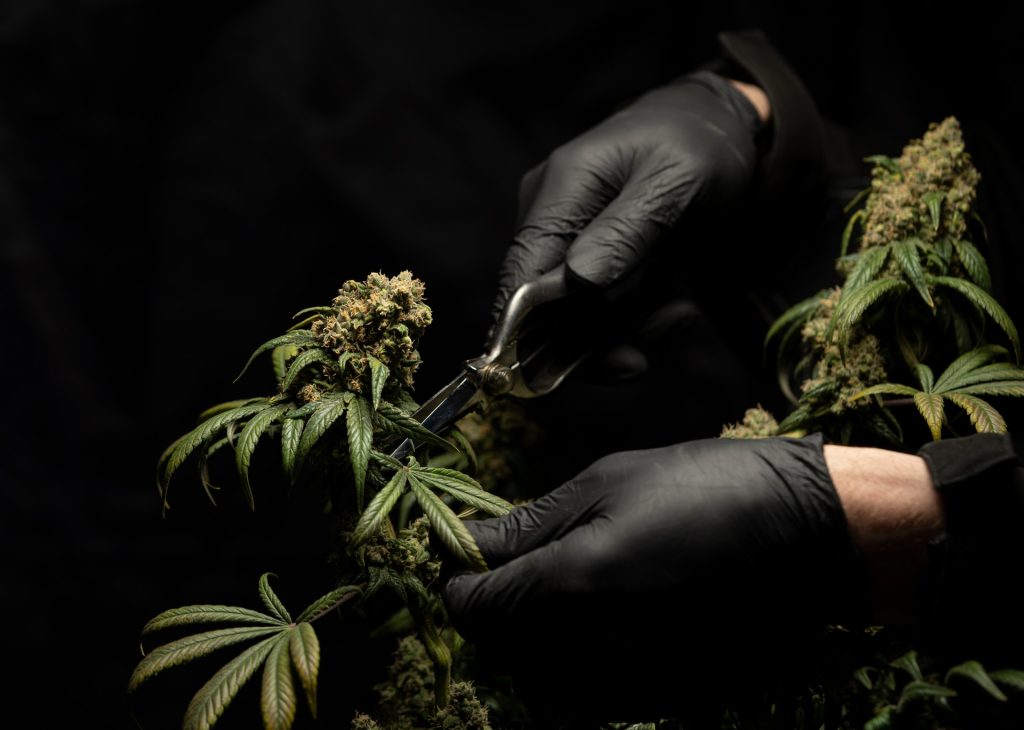
A study found that access to medical marijuana to treat pain, anxiety, or depression symptoms led to cannabis use disorder (CUD) in a significant minority of individuals while failing to improve their symptoms. The Massachusetts General Hospital (MGH) study was published in JAMA Network Open. 

In the US, individuals are able to gain access to cannabis products using medical marijuana cards (MMCs), usually issued by a doctor. Researchers found the greatest risk of developing the addictive symptoms of CUD was in those seeking relief from anxiety and depression. This finding indicates the need for stronger safeguards over the dispensing, use, and professional follow-up of people who legally obtain cannabis through MMCs.

“There have been many claims about the benefits of medical marijuana for treating pain, insomnia, anxiety and depression, without sound scientific evidence to support them,” said lead author Jodi Gilman, PhD, with the Center for Addiction Medicine at MGH. “In this first study of patients randomised to obtain medical marijuana cards, we learned there can be negative consequences to using cannabis for medical purposes. People with pain, anxiety or depression symptoms failed to report any improvements, though those with insomnia experienced improved sleep.”

Dr Gilman was particularly disturbed by the fact that individuals with symptoms of anxiety or depression – the most common conditions which people seek medical cannabis for – were the ones most vulnerable to developing cannabis use disorder. CUD symptoms include a vicious circle of needing more cannabis because of growing tolerance, and seeking out cannabis to treat the psychological problems it causes.

“Medical” cannabis has surged in popularity in the US, as so far 36 of its 50 states have commercialised its use for myriad health conditions through medical marijuana cards. These cards require written approval of a licensed physician who, under the current system, is often not the patient’s primary care provider but rather a ‘cannabis doctor’ who may provide authorisation to patients with only a cursory examination, no recommendations for alternative treatments, and no follow-up. The medical marijuana industry effectively functions outside the regulations that apply to most fields of medicine.

The researchers started their trial in 2017 with 269 adults (average age of 37) who were interested in obtaining a medical marijuana card. One group was allowed to get MMCs immediately, while the second group, designed to serve as a control, was asked to wait 12 weeks before obtaining a card. Both groups were tracked over 12 weeks. The team found that the odds of developing CUD were nearly two times higher in the MMC cohort than in the wait list control group, and that by week 12, 10% of the MMC group had developed a CUD diagnosis, with the number rising to 20% in those seeking a card for anxiety or depression.

“Our study underscores the need for better decision-making about whether to begin to use cannabis for specific medical complaints, particularly mood and anxiety disorders, which are associated with an increased risk of cannabis use disorder,” said Dr Gilman. Regulation and distribution of cannabis to people with medical marijuana cards needs to be greatly improved, no matter the specific condition they are issued for. “There needs to be better guidance to patients around a system that currently allows them to choose their own products, decide their own dosing, and often receive no professional follow-up care.”

Source: Massachusetts General Hospital

LSD Microdosing Study Shows no Benefit

Photo by Bruce Christianson on Unsplash

Published in Addiction Biology, a study into the effects of LSD “microdosing” found no evidence to back up proponents’ claims that it can improve mood and cognitive function. 

The study’s lead author, Chicago University Professor Harriet de Wit, noted that the study doesn’t disprove microdosing’s possible benefits, and that more investigation is needed. The study does show that taking small doses of LSD is safe. Prof De Wit said the findings demonstrate the important role clinicians can play when it comes to therapeutics claims about recreational drugs.

“These drugs are already being used out in the world, and it’s important for us to test them under controlled conditions, ensure their safety and see whether there’s some validity to the benefits people claim,” she said. “That’s something that has been missing from the conversation.”

The researchers studied the effects of four repeated low doses of LSD, administered under lab conditions every three to four days. One group of participants received 13 micrograms of the drug, a second group received 26 micrograms, and the third received a placebo. To put these low doses into context, the doses of LSD that are used to “trip” or to get high are typically 100–200 micrograms, she said.

LSD was chosen for the study because it’s the most commonly used psychedelic drug in microdosing.

Participants received the drugs during five-hour, supervised laboratory sessions. They also attended a drug-free follow-up session three to four days after the last dose. Participants were not told what kind of drug was being tested in the study – whether it was a stimulant, a tranquiliser or a hallucinogen – or that the study was about microdosing.

“We removed any expectations that this was a psychedelic drug,” Prof de Wit explained. “Because in the real world, people’s expectations can strongly influence their responses.”

To assess their mood and mental performance, the participants completed cognitive and emotional tasks both during the drug administration sessions and at the drug-free follow-up session. Some participants who received the higher dose reported feeling a modest “high” during the drug sessions, but the effects were mild.

The drug did not improve mood or affect participants’ performance on cognitive tests, either during the drug sessions or at the follow-up session.

Prof De Wit said the results came as a disappointing surprise. “Because so many people claim to have experienced benefits from microdosing, we expected to document some kind of beneficial effect under laboratory conditions,” she said.

Neurobiological reasons had also suggested that LSD might improve mood, because LSD acts through serotonin receptors, where traditional antidepressants are known to act.

“We can’t say necessarily that microdosing doesn’t work,” Prof de Wit said. “All we can say is that, under these controlled circumstances, with this kind of participant, these doses, and these intervals, we didn’t see a robust effect.”

People who microdose often have strong expectations of beneficial effects. “It is possible that these expectations contribute to the apparent benefits, or they may interact with the pharmacological effect of the drug,” she said.

LSD was confirmed to be safe, an unsurprising find which is in line with previous human and animal studies.

In fact, de Wit noted, participants appeared to build a tolerance to LSD over the course of the study, with the strongest “high” reported at the first session, and the perception of a drug effect diminishing at each subsequent session. That’s a good sign because it confirms the drug does not stay in the body or accumulate over time, she said.

Getting authorisation to use a controlled substance made the experiment challenging, as did the participants’ necessary time commitment. However, Prof de Wit emphasised the importance of such research, especially as practices like microdosing become commercialised.

“There are a lot of companies getting into the drug business, either with psychedelic drugs, or drugs like cannabidiol,” she noted. “And really there’s not very much empirical support to back up their claims. So, I think we have a responsibility to investigate and validate the claims.”

Source: University of Chicago