Category: Obstetrics & Gynaecology

WHO Warns of Lethal Tranexamic Acid Mix-ups in Intrathecal Administration

Intravenous IV drip in woman's hand
Photo by Anna Shvets on Pexels

The World Health Organization is alerting health care professionals about the risk of lethal administration errors that can potentially occur with tranexamic acid (TXA) injection. There have been reports of TXA being mistaken for obstetric spinal anaesthesia used for caesarean deliveries resulting in inadvertent intrathecal administration.

Intrathecal TXA is a potent neurotoxin and neurological sequelae are manifested, with refractory seizures and 50% mortality. The profound toxicity of intrathecal TXA was described in 1980. In a 2019 review, Patel et al. identified 21 reported cases of inadvertent intrathecal injection of TXA since 1988, of which 20 were life-threatening and 10 fatal. It appears that mortality risk is greater after caesarean delivery. Sixteen were reported between 2009 and 2018.

WHO recommends early use of intravenous TXA within three hours of birth in addition to standard care for women with clinically diagnosed postpartum haemorrhage (PPH) following vaginal births or caesarean section. TXA should be administered at a fixed dose of 1g in 10 ml (100 mg/ml) IV at 1 ml per minute, with a second dose of 1g IV if bleeding continues after 30 minutes. In South Africa, the incidence of maternal bleeding after caesarean delivery has been characterised as a national emergency, and obstetric haemorrhage remains the third most common cause of maternal mortality at 17%.

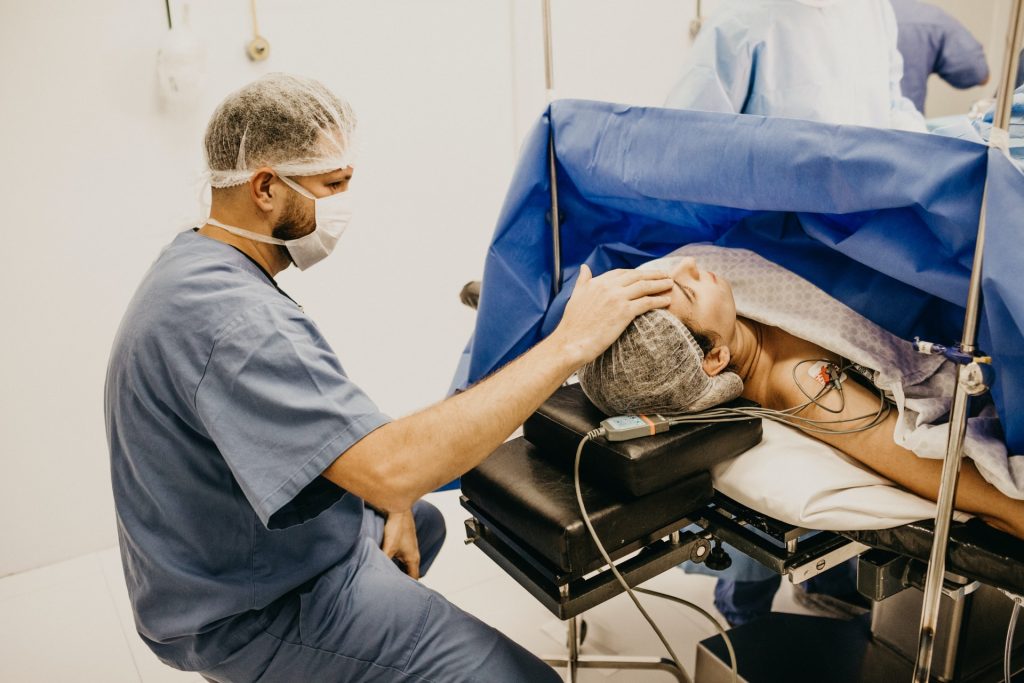
However, problems can arise as TXA is frequently stored in close proximity with other medicines, including injectable local anaesthetics indicated for spinal analgesia (eg, for caesarean section). The presentation of some of the local anaesthetics is similar to the TXA presentation (transparent ampoule containing transparent solution), which can be administered in error instead of the intended intrathecal anaesthetic, and resulting in serious undesirable adverse effects.

Obstetricians from several countries have recently reported inadvertent intrathecal TXA administration and related serious neurological injuries. In a South African clinical alert, Bishop et al. highlighted the different appearances of TXA used in state and private hospitals, with one example in private hospitals appearing very similar (white label, red text) at first glance to spinal bupivacaine and stored in the same container. Applicable recommendations were provided by the authors.

TXA is a lifesaving medicine, however, this potential clinical risk should be considered and addressed by all operating theatre staff. Reviewing of existing operating theatre drug handling practice is required in order to decrease this risk, such as storage of TXA away from the anaesthetic drug trolley, preferably outside the theatre.

Source: World Health Organization

Severe COVID Raises Risk of Pregnancy Complications

Source: Pixabay

A University of Oxford study of over 4000 pregnant women indicates that severe COVID in pregnancy increases the risk of pre-labour caesarean birth, a very or extreme preterm birth, stillborn birth, and the need for admission to a neonatal unit.  

The study, published in Acta Obstetricia et Gynecologica Scandinavica, included 4436 pregnant women hospitalised in the UK with symptomatic COVID from March 1, 2020 to October 31, 2021, of whom 13.9% of had severe COVID. As well as having increased risks of adverse pregnancy-related outcomes, women with severe infection were more likely to be aged 30 years or over, be overweight or obese, be of mixed ethnicity, or have gestational diabetes compared with those with mild or moderate infection.  

“This new analysis shows that certain pregnant women admitted to a hospital with COVID face an elevated risk of severe disease. However, it shows once again the strongly protective effect of vaccination against severe disease and adverse outcomes for both mother and baby,” said senior author Marian Knight, FMedSci, of the University of Oxford. “This study emphasises the importance of ensuring that interventions to promote vaccine uptake are particularly focused towards those at highest risk.”

Source: Wiley

Endocrine-disrupting Chemicals Present in Many Pregnancies

Photo by Shvets Productions on Pexels

Researchers in Europe have shown that up to 54% of pregnant women in Sweden were exposed to complex mixtures of endocrine-disrupting chemicals disruptive to brain development.

While current risk assessment tackles chemicals and their allowable exposures on an individual basis, these findings show the need to take mixtures into account for future risk assessment approaches. The study was published in Science.

A growing body of evidence has shown that industrially produced chemicals have endocrine disrupting properties and can thus be dangerous to human and animal health and development. A huge number of new compounds is released every year into the environment during the production of plastic derivatives and other goods.

While exposures for individual chemicals falls below thresholds, exposure to the same chemicals in complex mixtures can still impact human health. However, all current exposure thresholds, are based on chemicals being examined individually. Therefore, an alternative strategy needed to be tested, in which the actual mixtures measured in real life exposures could be tested as such in both the epidemiological and experimental setting. The EDC-MixRisk project set out to tackle this unmet need.

“The uniqueness of this comprehensive project is that we have linked population data with experimental studies, and then used this information to develop new methods for risk assessment of chemical mixtures,” said Carl-Gustaf Bornehag, professor at Karlstad University, Project Manager of the SELMA study.

The study was conducted in three steps:

  1. A mixture of chemicals in the blood and urine of pregnant women was identified in the Swedish pregnancy cohort SELMA, associated with delayed language development in children at 30 months. This critical mixture included a number of phthalates, bisphenol A, and perfluorinated chemicals.
  2. Experimental studies uncovered the molecular targets through which human-relevant levels of this mixture disrupted the regulation of endocrine circuits and of genes involved in autism and intellectual disability.
  3. The findings from the experimental studies were used to develop new principles for risk assessment of this mixture.

“It is striking that the findings in the experimental systems well reflected what we found in the epidemiological part, and that the effects could be demonstrated at normal exposure levels for humans,” said Joëlle Rüegg, professor of environmental toxicology at Uppsala University.

“Human brain organoids (advanced in vitro cultures that reproduce salient aspects of human brain development) afforded, for the first time, the opportunity to directly probe the molecular effects of this mixture on human brain tissue at stages matching those measured during pregnancy. Alongside other experimental systems and computational methods, we found that the mixture disrupts the regulation of genes linked to autism (one of whose hallmarks is language impairment), hinders the differentiation of neurons and alters thyroid hormone function in neural tissue,” said Giuseppe Testa, principal investigator of the EDC-MixRisk responsible for the human experimental modelling.

“One of the key hormonal pathways affected was thyroid hormone. Optimal levels of maternal thyroid hormone are needed in early pregnancy for brain growth and development, so it’s not surprising that there is an association with language delay as a function of prenatal exposure,” said Barbara Demeneix, professor of physiology and endocrinology at the Natural History Museum in Paris.

By combining these techniques, the researchers were able to show that 54% of children included in the SELMA study were at risk of delayed language development (at age 30 months) as they were prenatally exposed to a mixture of chemicals at levels that were above the levels predicted to impact neurodevelopment. Yet this risk fell below the exposure limits for individual chemicals.

Source: EURION Cluster

Reduced Antiepileptic Drug Effectiveness in Pregnancy Uncovered

Photo by Shvets Productions on Pexels

Blood levels of many commonly used antiepileptic drugs drop dramatically with the onset of pregnancy, which can result in ‘breakthrough seizures’ according to a study published in JAMA Neurology.

The findings, collected as part of the multicentre study Maternal Outcomes and Neurodevelopmental Effects of Antiepileptic Drugs (MONEAD), explain why many people with epilepsy start experiencing breakthrough seizures after conception, underscoring the need to increase antiseizure medication doses and closely monitor blood levels over the course of pregnancy.

A fine-tuned medication regime is critical in epilepsy. “Some people mistakenly believe that changes in the drugs’ blood concentration won’t occur until after 20 weeks of pregnancy, but our study shows how important it is to start monitoring and adjusting patients’ medication dosages early on,” said lead author Dr Page Pennelll. “Nearly half of all pregnancies in the United States are unplanned, so it is important to ensure that doctors have a clear picture of each patient’s baseline drug level even if they are not trying to conceive.”

A life-altering neurological condition, two-thirds of epilepsy cases do not have a known cause. In people with epilepsy, nerve cells in the brain are hyper-reactive, causing them to change the pattern of their electrical activity and become spontaneously active. That synchronous activation is manifested in seizures.

Epilepsy has a fraught history of diagnosis and management; people with epilepsy go undiagnosed or under-treated. First-generation drugs to control it had many dangerous side effects and were contraindicated for people who are trying to conceive.

Since then, safer medications have entered the U.S. market and become widely available, but clinicians started noticing a new problem – patients whose epilepsy was successfully managed with medications started having seizures soon after becoming pregnant.

“Identifying which antiseizure medications may have changes in concentrations and at what point in pregnancy those changes occur is important for determining which patients may need to be monitored more closely during pregnancy and after delivery,” said senior author Professor Angela Birnbaum at the University of Minnesota.

To solve the mystery, the researchers embarked on a study to analyse blood concentrations of 10 commonly used antiseizure drugs and compare them across different stages of pregnancy and after childbirth.

The study found that blood levels of seven out of 10 of the medications they examined dropped dramatically — from 29.7% for lacosamide, a commonly prescribed anticonvulsant, and up to 56.4% for lamotrigine.

In addition, the researchers noted that the drop in drug levels occurred mere days after conception.

Source: University of Pittsburgh

Teratogenic Drug Exposures Found in 1 in 16 Pregnancies

Source: Pixabay

Researchers have found, after reviewing a database containing 3 million pregnancies, that 1 in 16 women were exposed to teratogenic drugs.

The study, published in the American Journal of Obstetrics and Gynecology, highlights the need for women and their providers to carefully examine medications taken during pregnancy.

A teratogen is a substance that interferes with the normal development of a foetus. Hundreds of such drugs have been identified, including medications to treat seizures, migraines, obesity, acne, hypertension, bipolar disease and cancer.

University of Florida researchers investigated more than 200 teratogenic drugs and evaluated their exposure among 3.4 million pregnancies identified in a national private insurance database from 2006 to 2017. Prenatal exposure was defined by the mother taking at least one teratogenic drug during pregnancy.

The researchers divided drugs into two classes based upon their known teratogenic effect. About 140 drugs were known to have definite teratogenic effects, with another 65 identified as having potential teratogenic effects. The proportion of pregnancies with exposure to definite teratogens decreased slightly over the 12-year study period from 1.9% to 1.2%, while exposures for potential teratogens increased from 3.4% to 5.3%.

“While declining exposure rates among teratogenic drugs with definite risk are encouraging, the rising prenatal exposure to drugs with potential risk calls for more assessment,”  study author Professor Almut Winterstein, PhD, RPh. “To have 1 in 16 women and their unborn baby exposed to a teratogenic medication is simply too high, and we must identify strategies to improve pregnancy outcomes.”

The study also examined age and risk for prenatal exposure to teratogenic drugs and found teenagers and women in their 40s had the greatest risk. Both groups are known to have more unintended pregnancies and the drug exposure may have been accidental, which points to the need for more information about effective birth control and family planning when using teratogenic drugs.

The researchers were especially interested in prenatal exposure during more recent years, following the enactment of FDA requirements for risk mitigation strategies. Those are designed to reinforce safe medication-use behaviors, such as a pregnancy test before a teratogenic drug is started, and only a few medications require this extra safety precaution.

The 12 drugs with mitigation protocols in the study were found to be used infrequently and contributed to only a small portion of prenatal exposures. More research and regulatory action are needed to optimise the use of medications during pregnancy, the researchers concluded.

“There is much to do to address the evidence available regarding the risk-benefit of many drugs during pregnancy, and the availability of adequate risk-mitigation programs that ensure pregnancies are not unnecessarily exposed to teratogenic drugs,” Prof Winterstein said. “In the meantime, women and their providers must rely on the written information that is provided about the teratogenic risk for drugs during pregnancy.”

Source: University of Florida

A Small Risk of Increased Congenital Abnormalities from Opioids in Pregnancy

Photo by William-Fortunato on Pexels

In a new study in the Canadian Medical Association Journal, researchers drawing on a provincial database report a small increased risk of congenital abnormalities in infants exposed to opioid medications in the first trimester of pregnancy.

Prescribed opioid pain medications are capable of crossing the placenta and have the potential to cause harm. In a study comparing placental crossing rates for various opioids, oxycodone, a commonly prescribed opioid for pain relief, was the fastest. About 2%–4% of foetuses are exposed to these drugs. To determine the association between opioid pain medications in early pregnancy and congenital abnormalities in infants, investigators analysed administrative health data from Ontario on almost 600 000 birth parent–infant pairs. 

Among the infants included in the study, 2% (11 903) were exposed in utero to opioid analgesics, such as codeine, oxycodone, hydromorphone, tramadol, and morphine. Analysis showed a small increased risk of major anomalies with exposure to tramadol and morphine, and of minor anomalies with exposure to codeine, hydromorphone and oxycodone. Specific congenital anomalies observed included gastrointestinal and genital anomalies, neoplasms and tumours, and ankyloglossia.

This study adds to the evidence from previous studies in Sweden and Norway and also from a recent study of pregnant US Medicaid beneficiaries that suggested a small increased risk of congenital anomalies, an important finding for a pregnant person who may be prescribed opioids for pain relief.

“Both the potential for harm or distress to the pregnant person as a consequence of foregoing treatment and the subsequent risk to the infant must be considered for effective treatment,” the authors concluded. “These findings further quantify harms associated with prenatal exposure to opioid analgesics to inform treatment choices for pain in pregnancy.”

Source: EurekAlert!

Women in Labour Have Faster Gastric Emptying with an Epidural

Photo by Jonathan Borba on Unsplash

A study published in Anesthesiology finds gastric emptying is substantially slower during labour – but somewhat faster in women who receive an epidural for anaesthesia.

There is an ongoing debate as to whether it’s safe for women to eat solid food during labour. Physician anaesthesiologists prefer that labouring women have an empty stomach because of the lower risk for aspiration of food in case general anaesthesia for a caesarean section becomes necessary.

“These results suggest anaesthesiologists should remain cautious about permitting solid food during labour, especially when epidural analgesia is not used,” according to the report by Lionel Bouvet, MD, PhD, and colleagues of Hospices Civils de Lyon, France. 

Researchers assessed gastric emptying rates in four groups of women: 10 who were non-pregnant, 10 who were pregnant at full term (around 39 weeks) but not in labour, 10 in labour without an epidural, and 10 in labour who received an epidural for labour pain. On an empty stomach, each woman ate a light meal of yoghurt. Ultrasound scans were then used to compare the rate of stomach emptying among the four groups.

Stomach emptying was delayed for women in labour without epidural, in line with previous studies. The rate of stomach emptying from 15 to 90 minutes after eating was 52% in non-pregnant women and 45% in pregnant women at full term, compared to 31% for labouring women who received an epidural and 7% for women in labour without an epidural.

With epidural analgesia, gastric emptying occurred much faster during labour than during labour without epidural analgesia. After 90 minutes, the stomach was empty in 3 out of 10 labouring women who received an epidural, compared to 0 of 10 women in labour who had not received an epidural. By 2 hours, the stomach was empty in 6 of the women who received an epidural, compared to just 1 woman without an epidural.

Although clinical practice varies, current guidelines of the ASA and Society for Obstetric Anesthesia and Perinatology (SOAP) state that “Solid foods should be avoided in laboring patients,” reflecting a concern over the risk of aspiration in case anesthesia and surgery are needed. This new study is one of the first to systematically compare the extent of gastric emptying delay during late pregnancy and childbirth and with versus without epidural labor analgesia.

The results confirm a “statistically and clinically significant” longer time to an empty stomach among women in labour. However for those receiving epidural analgesia, stomach emptying appears to occur faster. Based on their findings, Dr Bouvet and co-authors suggest that a light solid meal “could probably be allowed” for women in labour who are receiving epidural analgesia and considered at a low risk of caesarean section within at least the next two hours.

“The report by Dr Bouvet and colleagues enables us to rethink our current practice of fasting during childbirth,” commented Anesthesiology editor Yandong Jiang, MD., PhD. “It is desirable that women giving birth with an epidural do not have the additional stress of hunger, but instead be allowed to eat a light meal.”

This contrasts with the ASA/SOAP recommendation that women in labour should consume only clear liquids to prevent aspiration, noted Mark Zakowski, MD, FASA, chair of ASA’s Committee on Obstetric Anesthesia. “This study clearly shows that stomach emptying is quite a bit slower for women in labor, and that if they eat even a light meal of about 4 ounces [about 120g] of yogurt, many will still have food in their stomach a few hours later,” Dr Zakowski said. “Since the need for emergency caesarean may arise at any time, the current ASA/SOAP guideline of clear liquids only during labour seems justified.”

Source: American Society of Anesthesiologists

Early Menopause and Oral Contraceptive Link

Photo by Reproductive Health Supplies Coalition on Unsplash

Long-term use of oral contraceptives, as well as certain methods of tubal ligation (TL), were linked to lower levels of antimüllerian hormone, a biomarker for ovarian aging, suggesting an increased risk for early menopause, according to preliminary research.

Using data from the Nurses’ Health Study II, researchers at the UMass Amherst School of Public Health and Health Sciences examined the association of oral contraceptive use and tubal ligation with antimüllerian hormone (AMH).

Published in the journal Menopause, the results were “intriguing,” according to lead author Christine Langton, PhD candidate.

“We’re one of the larger studies to have looked at both of these contraceptive methods at the same time,” says Langton, now a post-doctoral researcher at the National Institute of Environmental Health Sciences. “We feel we’re contributing to the story, and to the literature, though nothing we did was definitive. This is a piece of the puzzle.”

Early menopause, which occurs before 45, puts women at greater risk for a range of health conditions including cardiovascular disease, osteoporosis and dementia. The researchers noted that oral contraceptives change hormone levels and prevent ovulation; tubal ligation may affect blood supply to the ovaries, and certain methods of the procedure may damage the ovary and surrounding neural tissue. 

“Recently, AMH has become an established marker for the timing of menopause and was found to be strongly associated with the risk of early menopause,” the authors wrote. “Yet, the association of reproductive and lifestyle factors with AMH levels remains unclear.”

The team focused on a subset of 1420 premenopausal women in the Nurses’ Health Study prospective cohort who had provided a blood sample between 1996 and 1999. A history of their oral contraceptive use and tubal ligation began in 1989 and was updated every two years until their blood was collected.

“Women who reported that their [tubal ligation] procedure included the use of a clip, ring or band had significantly lower AMH levels compared to women who never had a TL procedure,” the researchers wrote.

One limitation is the small number of women reporting the type of tubal ligation, Langton added.

When it came to oral contraceptives, “we saw a significant inverse association – the longer the use of oral contraceptives, the lower the AMH levels were,” Langton said. “That particular finding was a little surprising to us because it didn’t completely align with what we saw when we looked at oral contraceptives and early menopause in the larger cohort” of more than 115,000 women.

Even after adjusting for factors including BMI, smoking, alcohol, number of pregnancies and breastfeeding, the inverse association between oral contraceptive use and AMH levels remained significant.

“We think further research is warranted,” Langton said.

Source: University of Massachusetts

Effects of Fathers’ Prenatal Alcohol Exposure Manifests in Offspring

Source: Pixabay

Researchers have discovered that males exposed to alcohol in utero later pass on those effects to their offspring during foetal development, through reduced placental efficiency. The study appears in FASEB Journal.

Dr Michael Golding, an associate professor at Texas A&M University has spent years investigating the father’s role, with regard to drugs and alcohol, in foetal development. Studies have shown that males pass down more than just their genetics, Dr Golding said, but exactly how that process works and the its consequences are still largely unknown.

“When you look at the data from throughout human history, there’s clear evidence that there’s something beyond just genetics being inherited from the male,” Dr Golding said. “So, if that data is solid, we’ve got to start looking more at male behaviour.

“Say you had a parent who was exposed to starvation – they could pass on what you might call a ‘thriftiness,’ where their kids can derive more nutrition from less food,” he said. “That could be a positive if they grow up in a similar environment, or they could grow up in a time when starvation isn’t an issue and they might be more prone to obesity or metabolic syndromes. That kind of data is clearly present in clinical data from humans.”

Epigenetics, which is Dr Golding’s area of study of how things beyond genes, such as behaviour and environment, affect development is called. One of the big questions in the search for answers on how male prenatal behaviour can impact foetal growth has been the way these epigenetic factors manifest.

The team has shown that prenatal exposure to alcohol in males can manifest in the placenta: in mice, offspring of fathers exposed to alcohol have a number of placenta-related difficulties, including increased foetal growth restriction, enlarged placentas, and decreased placental efficiency.

“The placenta supplies nutrients to the growing foetus, so foetal growth restriction can be attributed to a less efficient placenta. This is why placental efficiency is such an important metric; it tells us how many grams of foetus are produced per gram of placenta,” said Thomas, a graduate student at Texas A&M. “With paternal alcohol exposure, placentas become overgrown as they try to compensate for their inefficiency in delivering nutrients to the foetus.”

However,while these increases happened frequently in male offspring, the frequency varied greatly based on the mother; however, the same increases were far less frequent in female offspring. Dr Golding thinks that although information is passed from the father, the mother’s genetics and the offspring’s sex are also involved.

“This is a novel observation because it says that there’s some complexity here,” Dr Golding said. “Yes, men can pass things on to their offspring beyond just genetics, but the mom’s genetics can interpret those epigenetic factors differently, and that ultimately changes the way that the placenta behaves.”

These results don’t draw a clear line in how drinking in human males prior to conception impacts foetal development, but they continue to at least point to it being a question that needs to be explored. 

Dr Golding is hoping that more questions will be asked about male prenatal behaviour so that there’s more data from which to work.

“The thing that I want to ultimately change is this stigma surrounding the development of birth defects,” Dr Golding said. “There’s information coming through in sperm that is going to impact the offspring but is not tied to the genetic code; it’s in your epigenetic code, and this is highly susceptible to environmental exposures, so the birth defects that we see might not be the mother’s fault; they might be the father’s or both, equally.”

Source: Texas A&M University

Study Confirms COVID Vaccination does not Affect Fertility in IVF

Photo by Shvets Productions on Pexels

Vaccination against COVID did not affect fertility outcomes in patients undergoing in-vitro fertilisation (IVF), according to a new study. The findings, which were published in Obstetrics & Gynecology, add to the growing body of evidence providing reassurance that COVID vaccination does not affect fertility.

Investigators compared rates of fertilisation, pregnancy, and early miscarriage in IVF patients who had received two doses of vaccines manufactured by Pfizer or Moderna with the same outcomes in unvaccinated patients.

“The study found no significant differences in response to ovarian stimulation, egg quality, embryo development, or pregnancy outcomes between the vaccinated compared to unvaccinated patients.” said first author Devora Aharon, MD.

The study involved patients whose eggs were frozen and then thawed for in vitro fertilisation and womb transfer, and patients who underwent medical treatment to stimulate the development of eggs. The two groups of patients who underwent frozen-thawed embryo transfer (214 vaccinated and 733 unvaccinated) had similar rates of pregnancy and early pregnancy loss. The two groups of patients who underwent ovarian stimulation (222 vaccinated and 983 unvaccinated) had similar rates of eggs retrieved, fertilisation, and embryos with normal numbers of chromosomes, among several other measures.

The authors of the study anticipate that the findings will ease the anxiety of people considering pregnancy. 

Patients undergoing IVF treatment are closely tracked, enabling the researchers to capture early data on the implantation of embryos in addition to pregnancy losses that might be undercounted in other studies.

Previous studies have found that COVID vaccination helped protect pregnant persons (already at greater risk from severe illness and death from COVID) from severe illness, conferred antibodies to their infants, and did not raise the risk of preterm birth or foetal growth problems.

Source: EurekAlert!