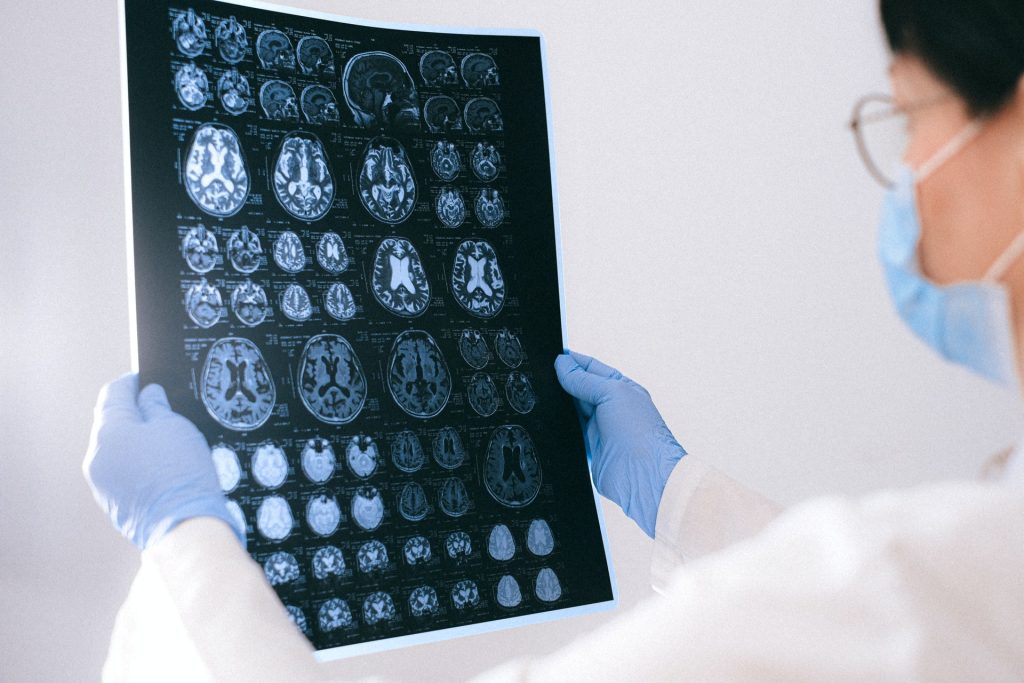
Researchers in Japan have shown that the commonly prescribed antipsychotic drug aripiprazole helps reduce sleep disruptions in patients with certain psychiatric disorders by improving their natural entrainment to light and dark cycles. Their findings are published in Frontiers in Neuroscience.
Many patients with psychiatric conditions, such as bipolar disorder and major depressive disorder, frequently experience disruptions in their sleep–wake cycles. Research has shown that the administration of aripiprazole, a commonly prescribed antipsychotic drug, alleviates the symptoms of circadian sleep disorders in these patients. This improvement may be attributed to the effects of aripiprazole on the circadian central clock, specifically the hypothalamic suprachiasmatic nucleus (SCN), which regulates various circadian physiological rhythms, including the sleep–wake cycle, in mammals. However, the precise mechanism through which aripiprazole addresses these sleep disorder symptoms remains elusive.
Researchers from the University of Tsukuba have discovered that aripiprazole can directly affect the mammalian central circadian clock; specifically, it can modulate the photic entrainment in mice. Located in the hypothalamic suprachiasmatic nucleus (SCN), the central circadian clock comprises clock neurons that synchronize with each other, maintaining a roughly 24-hour rhythm. Simultaneously, SCN is receptive to external inputs like light, aligning itself with the environmental light-dark cycle. The researchers have found that aripiprazole disrupts the synchronization among the clock neurons in the SCN, heightening the responsiveness of these neurons to light stimuli in mice. Additionally, aripiprazole influences intracellular signalling within the SCN by targeting the serotonin 1A receptor, a prominent receptor in the SCN.
These findings suggest that the efficacy of aripiprazole in alleviating circadian rhythm sleep disorder symptoms in psychiatric patients might be attributed to the modulation of the circadian clock by the drug. This study expands the potential clinical usage of aripiprazole as a treatment for circadian rhythm sleep disorders.
People without secure employment can reduce their risk of premature death by 20% if they gain permanent employment, according to a study published in The Journal of Epidemiology and Community.
‘Precarious employment’ is a term that is used to describe jobs with short contracts such as temping, low wages and a lack of influence and rights, all of which lead to a working life without predictability and security. In this study, Karolinska Institutet researchers examined how this affects the risk of death.
“This is the first study to show that changing from precarious employment to secure employment can reduce the risk of death,” says the paper’s last author Theo Bodin, assistant professor at the Institute of Environmental Medicine, Karolinska Institutet. “It’s the same as saying that the risk of early death is higher if one keeps working in jobs without a secure employment contract.”
The researchers used registry data from over 250 000 workers in Sweden between the ages of 20 and 55 gathered over a period from 2005 to 2017. The study included people who worked under insecure working conditions and who then shifted to secure working conditions.
Those who switched from precarious to secure employment had a 20 percent lower risk of death, regardless of what happened afterward, compared to those who remained in precarious employment. If they remained in secure employment for 12 years, the risk of death decreased by 30 percent.
“Using this large population database allowed us to take account of many factors that could influence mortality, such as age, other diseases that workers can suffer from or life changes like divorce,” explains Nuria Matilla-Santander, assistant professor at the same institute and the study’s first author. “Because of the methods we used, we can be relatively certain that the difference in mortality is due to the precariousness of employment rather than individual factors.”
She continues: “The results are important since they show that the elevated mortality rate observed in workers can be avoided. If we reduce precariousness in the labour market, we can avoid premature deaths in Sweden.”
Dr Matilla-Santander says that the next stage of the research is to examine the specific causes of mortality in this regard.
A new study suggests that depression after traumatic brain injury (TBI) could be a clinically distinct disorder rather than traditional major depressive disorder. The findings, which are published in Science Translational Medicine, hold important implications for patient treatment.
“Our findings help explain how the physical trauma to specific brain circuits can lead to development of depression. If we’re right, it means that we should be treating depression after TBI like a distinct disease,” said corresponding author Shan Siddiqi, MD, from Brigham and Women’s Hospital,. “Many clinicians have suspected that this is a clinically distinct disorder with a unique pattern of symptoms and unique treatment response, including poor response to conventional antidepressants – but until now, we didn’t have clear physiological evidence to prove this.”
Siddiqi, who led the study, was motivated by a patient he shared with David Brody, MD, PhD, a co-author on the study and a neurologist at Uniformed Services University. The two started a small clinical trial that used personalised brain mapping to target brain stimulation as a treatment for TBI patients with depression. In the process, they noticed a specific pattern of abnormalities in these patients’ brain maps.
The current study included 273 adults with TBI, usually from sports injuries, military injuries, or car accidents. People in this group were compared to other groups who did not have a TBI or depression, people with depression without TBI, and people with posttraumatic stress disorder. Study participants went through a resting-state functional connectivity MRI, a brain scan that looks at how oxygen is moving in the brain. These scans gave information about oxygenation in up to 200 000 points in the brain at about 1000 different points in time, leading to about 200 million data points in each person. Based on this information, a machine learning algorithm was used to generate an individualised map of each person’s brain.
The location of the brain circuit involved in depression was the same among people with TBI as people without TBI, but the nature of the abnormalities was different. Connectivity in this circuit was decreased in depression without TBI and was increased in TBI-associated depression. This implies that TBI-associated depression may be a different disease process, leading the study authors to propose a new name: “TBI affective syndrome.”
“I’ve always suspected it isn’t the same as regular major depressive disorder or other mental health conditions that are not related to traumatic brain injury,” said Brody. “There’s still a lot we don’t understand, but we’re starting to make progress.”
With so much data, the researchers were not able to do detailed assessments of each patient beyond brain mapping. To overcome this limitation, investigators would like to assess participants’ behaviour in a more sophisticated way and potentially define different kinds of TBI-associated neuropsychiatric syndromes.
Siddiqi and Brody are also using this approach to develop personalized treatments. Originally, they set out to design a new treatment in which they used this brain mapping technology to target a specific brain region for people with TBI and depression, using transcranial magnetic stimulation (TMS). They enrolled 15 people in the pilot and saw success with the treatment. Since then, they have received funding to replicate the study in a multicentre military trial.
“We hope our discovery guides a precision medicine approach to managing depression and mild TBI, and perhaps even intervene in neuro-vulnerable trauma survivors before the onset of chronic symptoms,” said Rajendra Morey, MD, a professor of psychiatry at Duke University School of Medicine, and co-author on the study.
In countries which allow the practice, assisted suicide would seem to be an alternative to conventional suicide – but new research shows that this is not a simple relationship. An analysis published in Cancer Medicine reveals the trends of self-initiated deaths – including assisted suicide (AS) and conventional suicide (CS) – in Switzerland over a 20-year period, focusing on people who suffered from cancer. While cancer-related AS rose, CS fell but then stabilised – suggesting that cancer-related CS has more complex reasons behind it.
Although supporters of assisted dying state that access to AS should lead to a reduction in violent CS, the study’s findings do not confirm this assumption. The situations and motivations for cancer-associated CS seem to be clearly different from those for cancer-related AS.
In Switzerland, assisting in a suicide is not punishable as long as it does not serve selfish motives. In this analysis of data from 1999–2018, investigators found that cancer was the most often listed principal disease for AS: 3580 people with cancer died by AS, representing 41.0% of AS cases. Cancer was listed in only a small minority of CS cases (832 people, representing 3.8% of CS cases).
There was approximately a doubling of AS cases among patients with cancer every 5 years. Also, the percentage of cancer-associated AS in relationship with all cancer-associated deaths increased over time to 2.3% in 2014–2018. The numbers of cancer-associated CS showed a downward trend in 1999–2003 and were stable through 2009–2018.
“Obviously, the situations and motivations for cancer-associated CS seem to be clearly different from those for cancer-related AS,” said corresponding author Uwe Güth, MD, of the University of Basel.
Before being diagnosed with bipolar disorder Type 1, Sifiso Mkhasibe says he was often labelled as the “black sheep” of the family and he did not know where to go for help. He was often dismissed as crazy and told that this is a white man’s illness.
“My immediate family did not know how to help or support me,” he says. “I was always labelled the black sheep of my family. I was told that I was crazy, bewitched and that I was just pretending to be sick. I was told to be strong and to get over myself and that this disease is a white man’s illness and black people do not have such things.”
Mkhasibe says his family thought it was a cultural thing and that he had an ancestral calling to become a traditional healer. He did not agree.
The South African Federation of Mental Health (SAFMH) defines stigma as “an attribute, quality, or condition that severely restricts or diminishes a person’s sense of self, damaging their self-worth, social connections, and sense of belonging”.
The challenge of getting help
“It was extremely challenging to get help and support from my family. They played a big role in stigmatising me,” Mkhasibe tells Spotlight.
A delay in accessing mental healthcare services led to Mkhasibe’s condition deteriorating. He says some of his symptoms were racing thoughts, impulsive spending, hearing voices, and insomnia. “I was always high on life with extreme energy levels. Things became worse, whereby I became violent and aggressive. I was eventually admitted to Chris Hani Baragwanath Hospital in 2007 and later transferred to Sterkfontein Psychiatric Hospital in Krugersdorp.”
“I was never informed about my diagnosis. What it was and how to manage it. I had no idea what to do when I was diagnosed. The challenge was that I was not educated about my mental illness,” he says.
Mkhasibe says he was in Sterkfontein Hospital until 2011. By then, he was estranged from his family and moved around a lot staying with cousins, aunts, and his late grandmother.
“I was at Sterkfontein for four years. My family did not want me back home. I moved from one ward to the other during that time. Now I’m close to my sister and mother again but it took a while to mend those bridges.”
He says his experience with the illness prompted him in 2011 after he was discharged from hospital, to start volunteering and creating awareness on mental health conditions. Mkhasibe is now 39 years old and was until recently a project leader for mental health at the SAFMH. He started at the organisation in 2017. On leaving the organisation, he says he has learned a lot but now has a newborn son and wants to spend time with him. Mkhasibe describes himself as a family man. He is married and has two children.
Stigma and seeking care
Ashleigh Craig, a clinical psychologist who runs a Johannesburg-based private practice and has also worked in the public sector, says beliefs around mental health contribute to stigma because there are negative connotations surrounding mental illness.
“People seeking care are often called names such as bewitched or crazy. This prevents people from seeking out care,” says Craig. “This results in people seeking care when their condition is acute and recovery will take much longer. Stigma can often lead to people completely stopping to take treatment.”
Claire Hart, a post-doctoral fellow at Wits University’s Developmental Pathways for Health Research Unit (DPHRU), says the label of any mental illness is often also associated with a mark of social disgrace or stigma. This has been shown in South African communities, where studies revealed high levels of stigmatisation towards individuals with mental disorders. The label of having a “mental illness” is socially stigmatised and constitutes negative external perceptions, which may, in turn, be internalised and negatively impact an individual’s internal sense of self.
“As a result, these individuals may avoid using existing mental health care services in fear of being labelled even when experiencing severe psychological distress. Thus, both having a mental illness and seeking help may be viewed as undesirable,” says Hart.
Under-funded, under-resourced
Hart says fighting stigma requires a two-fold approach that involves education and providing adequate resources. “People with a lived experience can help in terms of fighting mental health stigma and raising awareness. However, mental health is underfunded and there is a shortage of psychologists in the country. To become a registered psychologist, you need a Masters degree and most universities only take six to 12 Masters candidates per year,” says Hart.
Craig says people in the public sector can wait up to four months just to see a psychologist. She says private psychologists are very expensive and in the public sector most mental health services are only available at tertiary hospitals.
According to South Africa’s new National Mental Health Policy Framework and Strategic Plan 2023 – 2030 (the mental health framework,) the country has less than one psychologist for every 100 000 people. This is among the reasons why there are limited mental health services in the public health sector, especially in rural areas.
“At present, mental healthcare in rural areas, preventive and promotive aspects of mental health, and the provision of services to children, adolescents and those with anxiety, mood, and other non-psychotic disorders remain under-resourced and underdeveloped. Furthermore, primary healthcare workers are under considerable strain due to high caseloads and have minimal training in mental health, resulting in patients receiving inadequate mental health care,” says Hart.
The social and economic costs
Data in the mental health framework indicates that about 5% of the total public health budget was allocated to public mental health expenditure in 2016/2017. Provincial public health budget allocations towards mental health showed marked inequality, ranging from 2.1 to 7.7% across provinces.
According to the mental health framework, social costs of mental illness can include disrupted families and social networks, stigma, discrimination, loss of future opportunities, marginalisation, and decreased quality of life.
Mental illnesses such as depression and anxiety have been estimated to cost the economy more than R61.2 billion in lost earnings, according to the mental health framework. It states that at a societal level, lost income associated with mental illness far exceeds public sector expenditure on mental health care. In other words, it costs South Africa more to not treat mental illness than to treat it.
What to do?
Although the mental health framework goes to great lengths to stress the impact of stigma on mental health, its plans to address this are relatively low in detail. According to the framework, all health staff working in health settings will receive basic mental health training, inclusive of anti-stigma training, and ongoing routine supervision and mentoring. Provincial departments of health are meant to look at expanding their mental health workforce.
The framework also sets out to strengthen mental health promotion, prevention and advocacy. “Currently, however, no concerted national programme exists,” the framework states. “In 2024, a national public education programme for mental health will be established, including knowledge of mental health and illness; stigma and discrimination against people with lived experience of mental illness.” This, according to the policy framework, will be steered by the national health department and provincial health departments. Other relevant government departments, including Employment and Labour, Education, and Social Development will, among others, introduce mental health literacy programmes into curriculums or workplace policies and decrease stigma.
But according to Michel’le Donnelly, a project leader for advocacy and awareness at the SAFMH, there is no clear outline for any anti-stigma programming in the mental health policy framework. “As the SAFMH we hold the view that the South African government needs to actively ensure that there is sufficient funding targeted for anti-stigma programming. Monitoring, evaluation, and implementation of these programmes should be done in collaboration with people with lived experience of mental health conditions and NGOs working in the sector. These programmes should include contact-based education as part of governments intended activities because, through evidence and research, this has proven to be a way of ending stigma.”
Mkhasibe agrees that we need more support to make people aware of mental health services and how to fight stigma. ”We need more community engagement in terms of mental health education and awareness. People all over South Africa need to know that mental health is more prevalent than we think. Businesses and organisations need to instil mental health training as a culture in the office,” he says.
“Schools, colleges, and universities should make mental health a priority within education. Awareness campaigns should be done at churches, malls, taxi ranks, airports, and bus stations. Basically, everywhere where people gather,” he says.
Depression and anxiety are thought to increase a person’s risk of developing cancer, but research results have been inconclusive. In an analysis of multiple studies from the Netherlands, the UK, Norway, and Canada, investigators found that depression and anxiety are not linked to higher risks for most types of cancer among this population. The analysis is published in the journal CANCER.
Experts have suspected that depression and anxiety may increase cancer risk by affecting a person’s health-related behaviours or by having biological effects on the body that support cancer development. Some research has supported an association between depression, anxiety, and cancer incidence, while other investigations have found no or negligible associations.
To provide additional insights, Lonneke A. van Tuijl, PhD, of the University Medical Center Groningen, and her colleagues examined data from the international Psychosocial Factors and Cancer Incidence consortium, which includes information from 18 prospective study groups with more than 300 000 adults from the Netherlands, the United Kingdom, Norway, and Canada.
The team found no associations between depression or anxiety and overall, breast, prostate, colorectal, and alcohol-related cancers during a follow-up of up to 26 years. The presence of depression or anxiety was linked with a 6% higher risk of developing lung cancer and smoking-related cancers, but this risk was substantially reduced after adjusting for other cancer-related risk factors including smoking, alcohol use, and body mass index. Therefore, this analysis supports the importance of addressing tobacco smoking and other unhealthy behaviours including those that may develop as a result of anxiety or depression.
“Our results may come as a relief to many patients with cancer who believe their diagnosis is attributed to previous anxiety or depression,” said Dr van Tuijl. “However, further research is needed to understand exactly how depression, anxiety, health behaviours, and lung cancer are related.”
Treatment with modern antidepressants may help prevent patients with bipolar disorder from relapsing into a depressive episode, according to an international clinical trial published in the New England Journal of Medicine. The findings challenge current clinical practice guidelines and could change how bipolar depression is managed around the world.
“Treating depression in bipolar disorder is challenging and the depressive episodes can be quite devastating for patients and their families,” said Dr Lakshmi Yatham, professor and head of the department of psychiatry at UBC, and the study’s lead author. “Reducing the risk of relapse is important because it can provide patients with a great deal of stability that ultimately lets them get back to the activities they enjoy and can greatly improve their quality of life.”
Patients with bipolar disorder experience extreme changes in their emotional state that cycle through periods of intense highs (mania or hypomania) and lows (depression). During depressive episodes, patients can experience feelings of sadness, hopelessness and loss of interest or pleasure in activities, in addition to trouble sleeping, changes in appetite and suicidal thoughts.
Antidepressant adjunctive therapy, in which antidepressants are prescribed alongside mood stabilisers and/or second-generation antipsychotic medications, is a commonly used strategy by clinicians to treat depressive episodes. However, the duration of this therapy is hotly debated due to a lack of evidence and concerns that antidepressants may induce mania, mixed states or rapid cycling between mania and depression.
Practice guidelines for the management of bipolar disorder published by the Canadian Network for Mood and Anxiety Treatments (CANMAT) and International Society for Bipolar Disorders (ISBD) currently recommend discontinuing antidepressant treatment eight weeks after remission of depression.
“It’s an area that hasn’t been widely studied and there is not a lot of consensus among experts,” said Dr Yatham. “Some studies have shown that up to 80 percent of patients continue receiving antidepressants for six months or longer.”
Now, results from the world’s first randomised clinical trial assessing the duration of adjunctive antidepressant therapy suggest that extending the treatment period beyond current guidelines may help prevent depressive relapses.
The clinical trial, conducted at sites in Canada, South Korea and India, involved 178 patients with bipolar I disorder who were in remission from a depressive episode following treatment with modern antidepressant drugs (escitalopram or bupropion XL). The patients were randomly assigned to either continue antidepressant treatment for 52 weeks, or begin tapering off antidepressants at six weeks and switch to a placebo at eight weeks.
Over the year-long study, 46% of patients in the placebo group experienced a relapse of a mood event, compared to only 31% in the group that continued antidepressant treatment. While this primary outcome was not found to be statistically significant, the comparison included relapses that occurred during the first six weeks of the study when both groups were receiving the same treatment.
However, in an analysis from week six onward, when treatment between the two groups differed, patients that continued antidepressant treatment were 40% less likely to experience a relapse of any mood event, and 59% less likely to experience a depressive episode relative to the placebo group. There was no significant difference in the rate of manic episodes or the rate of adverse events between groups.
“From the point where the two groups began receiving different treatments, we see a significant benefit for patients who continued treatment with antidepressants,” said Dr Yatham.
Patients with bipolar I disorder experience depressive symptoms three times more frequently than manic symptoms. Previous studies have shown that suicide attempts and suicide deaths are at least 18 times more common during depressive episodes compared to during manic episodes.
“Stabilizing patients and keeping them stable by preventing relapse is critical and can quite literally be lifesaving,” said Dr Yatham. “Future revisions of bipolar guidelines will incorporate the evidence from this study and contribute to changes in clinical practice on how antidepressants will be used to manage patients with bipolar disorder.”
Researchers at the University of Eastern Finland have identified plasma protein-based biomarkers capable of identifying adolescents at risk of developing mental health issues. Such biomarkers could revolutionise early detection and prevention of mental health problems in young people.The results were published in Nature Mental Health.
Some 10–20% of adolescents struggle with mental health conditions, with the majority going undiagnosed and untreated. This points to a need for new, early indicators of mental health problems to catch these cases and intervene with treatment before the conditions progress.
In the study carried out in the research group of Professor Katja Kanninen, the researchers used self-reported Strengths and Difficulties Questionnaire (SDQ) scores to evaluate mental health risk in participants aged between 11 and 16 years. Blood sample analyses showed that 58 proteins were significantly associated with the SDQ score. Bioinformatic analyses were used to identify the biological processes and pathways linked with the identified plasma protein biomarker candidates. Key enriched pathways related to these proteins included immune responses, blood coagulation, neurogenesis, and neuronal degeneration. The study employed a novel symbolic regression algorithm to create predictive models that best separate low and high SDQ score groups.
According to Professor Kanninen, plasma biomarker studies in mental disorders are an emerging field.
“Alterations in plasma proteins have been previously associated with various mental health disorders, such as depression, schizophrenia, psychotic disorders, and bipolar disorders. Our study supports these earlier findings and further revealed that specific plasma protein alterations could indicate a high risk for mental dysfunction in adolescents,” Professor Kanninen notes.
According to the researchers, this pilot study will be followed by more specific investigations of the potential biomarkers for identification of individuals at risk of mental health problems, opening a new avenue for advancements in adolescent mental health care.
In a large-scale randomised controlled trial, researchers from the UK and Sweden have shown that internet-mediated cognitive behavioural therapy (CBT) can provide results for post-traumatic stress disorder (PTSD) that are in line with conventional face-to-face care. The article, which was recently published in Lancet Psychiatry, also shows that the time required for therapists is greatly reduced, which could mean that more patients can be treated and have access to the right help.
Common symptoms include reliving the trauma, overexcitement, avoidance and emotional and cognitive consequences, such as depression and difficulty concentrating. Psychological treatment in the form of CBT has been shown to have good effects in PTSD, but access to care is limited and varies between different places.
Post-traumatic stress disorder (PTSD) is a psychiatric diagnosis that affects about 5-10% of the population. PTSD occurs as a result of experiencing – or witnessing – severe, life-threatening and traumatic events, such as abuse, war, accidents and mistreatment.
The study recruited 217 participants through the NHS or self-referral. Mean age was 36·36 years, with a range 18–71 years; 158 (73%) self-reported as female, 57 (26%) as male, and two (1%) as other. Of these, 52 (24%) participants met self-reported criteria for ICD-11 complex PTSD. The advantages in outcome for internet-mediated therapy were greater for participants with high dissociation or complex PTSD symptoms, and mediation analyses showed both treatments worked by changing negative meanings of the trauma, unhelpful coping, and flashback memories. No serious adverse events were reported.
A low-cost version of ketamine to treat severe depression has performed strongly in a placebo-controlled double-blind trial. Results published in the British Journal of Psychiatry showed that more than one in five participants achieved total remission from their symptoms after a month of bi-weekly injections, while a third had their symptoms improve by at least 50%.
“For people with treatment-resistant depression – so those who have not benefitted from different modes of talk-therapy, commonly prescribed antidepressants, or electroconvulsive therapy – 20 per cent remission is actually quite good,” lead researcher Professor Colleen Loo says.
“We found that in this trial, ketamine was clearly better than the placebo – with 20 per cent reporting they no longer had clinical depression compared with only 2 per cent in the placebo group. This is a huge and very obvious difference and brings definitive evidence to the field which only had past smaller trials that compared ketamine with placebo.”
How the trial worked
The researchers, led by UNSW Sydney and the affiliated Black Dog Institute, recruited 179 people with treatment-resistant depression. All were given an injection of either a generic form of ketamine that is already widely available in Australia as a drug for anaesthesia and sedation – or placebo. Participants received two injections a week in a clinic where they were monitored for around two hours while acute dissociative and sedative effects wore off, usually within the first hour. The treatment ran for a month and participants were asked to assess their mood at the end of the trial and one month later.
In this double-blind trial, a placebo was chosen that also causes sedation, to improve treatment masking. Midazolam is a sedative normally administered before a general anaesthetic, while in many previous studies the placebo was saline.
“Because there are no subjective effects from the saline, in previous studies it became obvious which people were receiving the ketamine and which people received placebo,” Prof Loo says.
“In using midazolam – which is not a treatment for depression, but does make you feel a bit woozy and out of it – you have much less chance of knowing whether you have received ketamine, which has similar acute effects.”
Other features of the recent trial that set it apart from past studies included accepting people into the trial who had previously received electroconvulsive therapy (ECT).
“People are recommended ECT treatment for their depression when all other treatments have been ineffective,” Prof. Loo says.
“Most studies exclude people who have had ECT because it is very hard for a new treatment to work where ECT has not.”
Another difference about this trial was that the drug was delivered subcutaneously (injected into the skin) rather than by drip, thus greatly reducing time and medical complexity. The study is also the largest in the world to date that compares generic ketamine with placebo in treating severe depression.
Much more affordable
Apart from the positive results, one of the standout benefits of using generic ketamine for treatment-resistant depression is that it is much cheaper than the patented S-ketamine nasal spray currently in use in Australia. Where S-ketamine costs about AUS$800 (R9 600) per dose, the generic ketamine is a mere fraction of that, costing as little as AUS$5 (R60), depending on the supplier and whether the hospital buys it wholesale. On top of the cost for the drug, patients need to pay for the medical care they receive to ensure their experience is safe – which at Black Dog Institute clinics, comes to AUS$350 (R4200) per session.
“With the S-ketamine nasal spray, you are out of pocket by about AUS$1200 for every treatment by the time you pay for the drug and the procedure, whereas for generic ketamine, you’re paying around AUS$300-350 for the treatment including the drug cost,” Prof Loo says.
She adds that for both S-ketamine and generic ketamine treatments, the positive effects often wear off after a few days to weeks, so ongoing treatment may be required, depending on someone’s clinical situation. But the prohibitive costs of the drug and procedure make this an unsustainable proposition for most.
The researchers will next be looking at larger trials of generic ketamine over longer periods, and refining the safety monitoring of treatment.