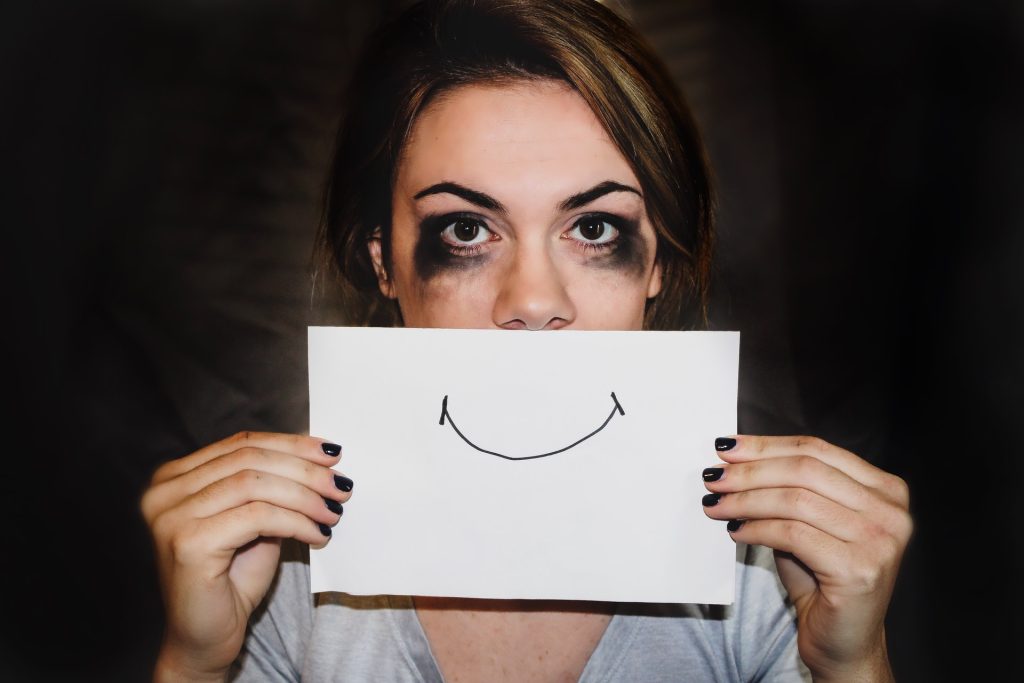
A new study led by investigators at Beth Israel Deaconess Medical Center (BIDMC) suggests that female mice that are prone to anxiety may prefer and actively seek out a starvation-like state in response to repeated exposure to stress. The findings, published in the journal Neuron, may provide a useful experimental model for investigating the neural mechanisms underlying anorexia nervosa – particularly its onset.
“While anorexia nervosa has been documented for over 300 years, its underlying causes remain unknown,” said first author Hakan Kucukdereli, PhD, of the division of Endocrinology, Diabetes and Metabolism in the Department of Medicine at BIDMC.
“Current animal models fail to capture a key hallmark of the disorder – wilful starvation. Thus, there has been the pressing need for a pre-clinical mouse model that captures the intentional seeking of a starvation state.”
In healthy individuals, the state of hunger (or caloric deficit) is a mildly uncomfortable state that drives food-seeking behavior. In the lab, Kucukdereli, senior author Mark L. Andermann, and colleagues knew that precise stimulation of a few thousand neurons known as AgRP neurons will cause even a well-fed mouse to seek out another meal.
They also knew that actual food restriction – which activates these AgRP neurons – and the artificial starvation state caused by stimulating these neurons can tamp down anxiety, thereby promoting food-seeking. (Imagine a hungry mouse in your kitchen that needs to be bold enough to hunt for food, even when your cat is around.)
Based on prior associations between stress, anxiety, and anorexia nervosa, Andermann and colleagues hypothesised that exposure to high levels of stress may actually trigger individuals to wilfully seek starvation as a means of reducing anxiety. The scientists trained 15 male and 17 female mice to run through a virtual reality corridor where they could choose to stop in one room associated with stimulation of their AgRP neurons or a second room associated with no stimulation.
In the absences of stress, male mice avoided AgRP stimulation; however, only a minority of female mice exhibited a strong aversion to it. Subsequent to repeated stress, however, many of these same mice behaved very differently. When the researchers exposed the mice to a five-minute period of unpredictable tail shocks, the males became, on average, less averse to AgRP stimulation. Meanwhile, female mice tended to preferAgRP stimulation following stress.
“Strikingly, a subset of females, but not males, began to vigorously seek this starvation-like state following stress,” said Andermann, who is also a professor of Medicine and Neurobiology at Harvard Medical School. “Surprisingly, individuals’ baseline levels of anxiety-like behavior measured weeks before the experiment could predict which females will develop a preference for this starvation-like state.”
Using machine learning to analyse the animals’ facial expressions, the researchers found that, after exposure to stress, female mice with strong preference for AgRP stimulation also showed facial expressions that directly correlated with their behaviour, potentially reflecting relief associated with a reduction in anxiety.
“Future research can link these moment-to-moment changes in facial expressions with ongoing activity of many neurons in brain regions that track physiological states or that process negative emotions,” Kucukdereli said. “Our approach lays the groundwork for future work that will identify the neural circuits that underlie the voluntary maintenance of long-term starvation in individuals with anorexia nervosa.”
Warning letters from Medicare can safely cut prescribing of a powerful but risky antipsychotic, according to a new study published in JAMA Network Open. Researchers used data from Medicare, the U.S. public health insurance system for over 65s, to study the effects of the letters on hundreds of thousands of older adults with dementia. The study, by Columbia University Mailman School of Public Health, found a significant and lasting reduction in prescribing but no signs of adverse effects on patient health.
“Our study shows that low-cost letter interventions can safely reduce antipsychotic prescribing to patients with dementia,” said Adam Sacarny, PhD, assistant professor of Health Policy and Management at Columbia Mailman School. The work was conducted with researchers at the London School of Economics, Harvard T.H. Chan School of Public Health and Johns Hopkins University.
The researchers evaluated a large trial in which Medicare sent warning letters to high prescribers of quetiapine, the most popular antipsychotic in the U.S. Antipsychotics are frequently prescribed to people with dementia, but can cause numerous harms in this group. Researchers therefore studied the hundreds of thousands of older adults with dementia who were treated by the prescribers in the trial. Most previous studies on reducing prescribing in dementia care consisted of small trials or observational analyses, with limited evidence from large-scale randomised studies.
The results were striking. “People with dementia living in nursing homes and in the community were prescribed less and we did not detect negative health impacts for these groups,” said Michelle Harnisch, research student at the London School of Economics and first author of the study.
The findings are important because antipsychotics, such as quetiapine, are often used in dementia care to address behavioural symptoms. About 1 in 7 nursing home residents receives an antipsychotic every quarter. However, the drugs have a number of well-known risks. These include weight gain, cognitive decline, falls, and death. In turn, physician specialty societies, government regulators, and policymakers have aimed to reduce prescribing of these medications to people with dementia.
To test whether the warning letters reduced prescribing safely, the researchers used administrative data from Medicare to link the 5055 physicians in the original trial to the Medicare records of their patients with dementia. They ultimately analysed 84 881 patients in nursing homes and 261,288 patients living in the community.
The intervention reduced quetiapine use among nursing home patients by 7% and community-dwelling patients by 15%. The researchers did not find adverse effects across numerous health outcomes, including cognitive function, behavioural symptoms, depression, or metabolic outcomes like diabetes. There were signs of improved mental health outcomes, and the risk of death for patients living in the community fell slightly.
This research follows up on the original evaluation of the warning letters. In that study, members of the same research team also showed that the letters reduced prescribing. However, they focused on a considerably smaller sample of patients and studied a limited set of health outcomes. In contrast, the new research evaluates a number of key health indicators for dementia care and substantially expands the patient sample with a focus on dementia.
“These results show that this intervention and others like it could be leveraged to make prescribing safer and improve dementia care” noted Sacarny. “Similar interventions could also be adapted to other contexts to promote high-quality care.”
Coronary artery disease and major depression may be genetically linked via inflammatory pathways to an increased risk for cardiomyopathy, a degenerative heart muscle disease, researchers at Vanderbilt University Medical Center and Massachusetts General Hospital have found.
Their report, published in Nature Mental Health, suggests that drugs prescribed for coronary artery disease and depression, when used in combination, potentially may reduce inflammation and prevent the development of cardiomyopathy.
“This work suggests that chronic low-level inflammation may be a significant contributor to both depression and cardiovascular disease,” said the paper’s corresponding author, Lea Davis, PhD, associate professor of Medicine in the Division of Genetic Medicine and Vanderbilt Genetics Institute.
The connection between depression and other serious health conditions is well known. As many as 44% of patients with coronary artery disease (CAD), the most common form of cardiovascular disease, also have a diagnosis of major depression. Yet the biological relationship between the two conditions remains poorly understood.
A possible connection is inflammation. Changes in the levels of inflammatory markers have been observed in both conditions, suggesting that there may be a common biological pathway linking neuroinflammation in depression with atherosclerotic inflammation in CAD.
In the current study, the researchers used a technique called transcriptome-wide association scans to map single nucleotide polymorphisms (genetic variations) involved in regulating the expression of genes associated with both CAD and depression.
The technique identified 185 genes that were significantly associated with both depression and CAD, and which were “enriched” for biological roles in inflammation and cardiomyopathy.
This suggests that predisposition to both depression and CAD, which the researchers called (major) depressive CAD, or (m)dCAD, may further predispose individuals to cardiomyopathy.
However, when the researchers scanned large electronic health record databases at VUMC, Mass General, and the National Institutes of Health’s All of Us Research Program, they found the actual incidence of cardiomyopathy in patients with the enriched genes for (m)dCAD was lower than in patients with CAD alone.
One possible explanation is that medications prescribed for CAD and depression, such as statins and antidepressants, may prevent development of cardiomyopathy by reducing inflammation, the researchers concluded.
“More research is needed to investigate optimal treatment mechanisms,” Davis added, “but at a minimum this work suggests that patient heart and brain health should be considered together when developing management plans to treat depression or cardiovascular disease.”
Previous studies have questioned whether gut microbe imbalances and vitamin D deficiency may be linked to schizophrenia. New research published in Neuropsychopharmacology Reports now indicates that taking probiotics plus vitamin D supplements may improve cognitive function in individuals with the disease.
For the study, 70 adults with schizophrenia were randomised to take a placebo or probiotic supplements plus 400 IU vitamin D daily for 12 weeks. Severity of the disease and cognitive function were evaluated by tests called the Positive and Negative Syndrome Scale (PANSS) and the 30-point Montreal Cognitive Assessment (MoCA), respectively.
A total of 69 patients completed the study. The MoCA score increased by 1.96 units in the probiotic-containing supplement group compared with the placebo group. Also, the percentage of patients with MoCA scores of 26 or higher (indicating normal cognition) rose significantly in the intervention group. Between-group differences in PANSS scores were not significant.
“Probiotics may be a novel way to treat mental disorders by regulating gut microbiota,” said corresponding author Gita Sadighi, MD, of the University of Social Welfare and Rehabilitation Sciences, in Iran.
Dr Anusha Lachman is the first child psychiatrist to hold the position as president of the SA Society of Psychiatrists. Photo supplied to Spotlight
By Sue Segar for Spotlight
There are serious gaps in psychiatry regarding treatment, prevention and care for children and adolescents in South Africa. Offering solutions, Dr Anusha Lachman tells Spotlight psychiatric services should be offered in ways that are Afro-centric and culturally sensitive.
“There’s a mental health crisis in South Africa and yet, today, there are fewer than 40 registered child psychiatrists in the country,” Dr Anusha Lachman tells Spotlight.
She is the first child psychiatrist to hold the position as president of the SA Society of Psychiatrists (SASOP) and she hopes to prioritise the “grossly under-represented and under-resourced” field of child and adolescent health in the country. While the field is certainly neglected, Lachman is not alone in trying to draw more attention to it – the 2020/2021 edition of the Children’s Institute’s excellent Child Gauge also concentrated on the mental health of children in South Africa.
Lack of data
One of the biggest issues in child and adolescent psychiatry, Lachman laments, is the lack of reliable data. She explains that most of the current research, literature and thinking about infant mental health is focused on Western, high-income settings but her focus is on the African context and in limited-resource settings. “We don’t have many figures on how many young people are suffering from the various mental health disorders,” she says.
While it is a struggle to get concrete, reliable statistics, Lachman adds there are some data to work with but South Africa lacks a collective data base that ties it all together.
Insight into the country’s mental health crisis, she says, is partly gauged from the number of referrals to primary health care centres for mental health support and evidenced by the long waiting lists for children to be assessed at specialist mental health clinics and at hospitals. “All we have, across our public hospitals, is the waiting list data which only tell us the duration that children with severe mental illness wait to get into secondary and tertiary level hospitals to access hospital-based care,” she says. The problem is that this type of data tells us little about the vast majority of adolescents with mental health issues who do not require hospitalisation.
Lachman is also head of the Clinical Unit Child Psychiatry at Tygerberg Hospital. The unit is the Western Cape’s only tertiary hospital based assessment unit for adolescents aged from 13 to 18 years with complex psychiatric presentations and severe mental illness. The young people they help often face not only mental health issues, but the full range of psychosocial challenges – from poverty to exposure to violence, substance abuse, and HIV.
“We know, for example,” she says, “what substance-use disorder looks like in children under twelve, and in young people under 21 because we get that from substance-use centres and rehabilitation centres. We know what proportion of children have HIV and TB and some infectious diseases, which by extension have psychosocial consequences and comorbidities, and we know about neurodevelopmental delays because we track things like school attendance and requests for access to support in special needs.
“We do have statistics on issues which affect children in South Africa disproportionately,” she says, “on food insecurity, intimate partner violence, instability in terms of accommodation etc. There are huge occurrences of abuse but there are inadequate services for children to be removed from those abusive homes, because we don’t have sufficient children’s homes or safety placements for example. So these are children who are disproportionally disadvantaged and that in itself is hard to quantify – and the psychosocial support structures are just not there.”
Lachman says the Western Cape department of Health and Wellness is making inroads into the lack of data by tracking and digitising child mental health statistics, through its Child and Adolescent Mental Health Strengthening Project. “This will give us some important data across emergency rooms throughout the Western Cape. Hopefully that can roll out to the rest of the country so that we can understand what children are presenting with.”
Hard to categorise
Asked which mental illnesses South African children and adolescents mainly suffer from, Lachman says child mental health is a function of multiple psycho-social stressors, structural problems, and fundamental relational challenges – and that’s hard to categorise.
“It’s a complex relationship between environmental stressors and vulnerabilities to mental illnesses.” She explains that environments that are high risk – with violence, poverty, untreated mental illness in caregivers, food insecurity and economic burdens – predispose children to mental illness expressed commonly in mood disorders, anxiety and trauma responses. “These take the form of poor functioning at school, learning challenges, suicide and self-harming attempts, drug-seeking behaviours and, in some instances, expressions of severe mental illnesses. ADHD is also commonly seen in this context.”
Lack of relevant research
Lachman bemoans what she calls the “distaste” for research that originates from the global South. “The biggest problem we face is the inability to publish and compete in international journals, not because our research is inadequate but because there’s a distrust of information originating from the lower-middle income countries or the global South.”
In terms of publication bias, she says the huge issue is that editorial boards and funders of journals consist largely of privileged white men.
“They don’t represent people of colour and ethnic majorities outside of the industrialised northern hemisphere countries. When we aren’t able to publish, we aren’t able to get the data out there, and when you don’t get the data out, there’s a vacuum of information and evidence-based treatment – and interventions are often coloured by information that doesn’t represent the lower-income communities and population groups.”
Lachman says research published a few years ago, by Stellenbosch University academic Mark Tomlinson, showed that less than three percent of all articles published in peer reviewed literature include data from low- and middle-income countries, where 90 percent of children live.
Low number of child psychiatrists
Turning to the shockingly low number of registered child psychiatrists in the country, Lachman notes that in the last three years, South Africa has lost five child psychiatrists to New Zealand. “This is about the brain drain, where there is targeted recruitment of qualified people [by] first-world or industrialised regions who can offer incentivised work opportunities which we, in South Africa, cannot compete with.”
She adds: “One child psychiatrist is trained only every two years. And only from a university that can train them. There are only four universities that can do that here – Stellenbosch, Wits, UCT and Pretoria. It depends after two years if the student passes the exam or not so that is why there are so few.” (Prior to training in child psychiatry candidates first have to complete the normal training to become a medical doctor.)
“So far there were two that qualified 2022 and one that qualified in 2023. And at the beginning of 2023, we had lost five child psychiatrists to New Zealand and Australia. It’s dire,” she emphasises. People remain registered with the Health Professions Council of South Africa (HPCSA) but that doesn’t mean they are physically in the country, Lachman adds. “Recent stats show that we have under 40 [child] psychiatrists in working environments, including those who have retired.
“We still sit with provinces that have zero representation for child psychiatry. We recently deployed one to the Eastern Cape, but, currently North West, Limpopo, Mpumalanga, don’t have any qualified [child] psychiatrists.”
‘Everybody’s business’
Yet, Lachman does not believe the only answer is to train more child psychiatrists. “The answer is more nuanced. It’s about upskilling and task shifting, and an openness to the idea that child and adolescent psychiatry is everybody’s business.”
“If you’re an adult psychiatrist, a physician a paediatrician, or a nurse, or even somebody treating adults, it’s your job to be aware of mental health problems in children,” Lachman adds. “I feel strongly about changing the narrative and moving away from the idea that it’s a specialist realm, because mental health is everybody’s business and child mental health should be pervasive in terms of focus, across various sectors.”
She also feels strongly that psychiatric services should be offered in ways that are Afro-centric and culturally sensitive. Such an “Afro-centric approach”, she says, “must include a diverse spectrum of input – so not just the mental health care providers who punt a specific model of medication and therapy – but partnerships with the educators, community workers, caregivers and allied health professionals to be able to effectively attempt to support and re-think models that can work in our setting.”
She suggests exploring opportunities for children to be screened early, recognised, and offered treatment. For instance, Lachman says, nurses at Well Baby clinics – where babies get immunised – can be trained in child mental health. “Whilst checking the child’s growth and immunisations, they could also look at whether the child is making eye contact, or engaging in reciprocal contact. If this is not happening, they need to know what further questions to ask and what to do next.”
Similarly, mental health awareness and screening should be in schools. Why do we offer sexual education, but not address mental health issues, she asks. “Just as we have so easily incorporated into school curriculums how people can get condoms, we need to ask them how they’re feeling, whether they feel isolated, want to harm themselves or want to die.”
While a hug or friendly pat can seem soothing, the question remains: can touch really help you feel better, and does it matter who it’s from or how they touch you? To explore these questions, researchers from the Social Brain Lab at the Netherlands Institute for Neuroscience and the University Hospital Essen conducted a large-scale analysis of studies exploring touch interventions. Their results, published in Nature Human Behaviour, reveal that the benefits of touch may not depend on who – or even what – does the touching.
Though individual studies provide conflicting results, this large-scale analysis shows that touch substantially improves both physical and mental wellbeing, for example via reduction of pain, anxiety, depression, and stress in adults. But in fact, those with physical or mental health problems (and therefore most in need of support) benefit even more from touch than healthy adults. “This is especially relevant considering how often touch interventions are overlooked,” notes first author Julian Packheiser.
“A key question of our study is to leverage the hundreds of individual studies out there to identify what type of touch works best,” adds professor Christian Keysers, director of the Social Brain Lab. “What if you don’t have a friend or partner close by to hug you? Would touch from a stranger or even a machine also help? And how often? The study clearly shows that touch can indeed be optimised, but the most important factors are not necessarily those we suspect.”
Interestingly, the person touching you, how they touch you, and the duration of their touch doesn’t make a difference in terms of impact. A long-lasting massage by a therapist could therefore be just as effective as a quick hug offered by a friend. That is, until the frequency of the intervention is considered. The more often a touch intervention is offered, the greater the impact. A quick hug could therefore be even more impactful than a massage if it is offered more frequently.
Human or non-human touch?
The next question was whether touch intervention needs to be human at all. As it turns out, object or robot interventions can be equally effective at improving physical wellbeing. “There are lots of people in need of wellbeing improvements, perhaps because they’re lonely but also because they may be inflicted by clinical conditions. These results indicate that a touch-robot, or even a simple weighted blanket has the potential to help those people,” last author Frédéric Michon explains. However, the benefits of robot and object interventions are less effective for mental wellbeing. Mental health disorders like anxiety or depression might therefore require human touch after all, “perhaps suggestive of the importance for an emotional component associated with the touch,” Michon points out.
While the researchers were equally curious about human-to-animal contact, studies exploring this question are still lacking. “It would be useful to see whether an animal’s or pet’s touch could improve wellbeing, and inversely if they also benefit from it, but unfortunately there simply aren’t enough studies, or properly controlled ones, for us to draw any general conclusions on these topics,” Michon clarifies.
Touch interventions across ages
When the team looked into the impact of touch on newborns, they found out that newborns also benefited significantly from touch. However, the person conducting the touch intervention was more important: the benefits of touch are higher when done by a parent instead of a healthcare worker. “This finding could be impactful,” Packheiser adds. “Death rates due to premature births are high in some countries and the knowledge that a baby benefits more from the touch of their own parent offers another easily implementable form of support for the baby’s health.”
Due to a lack of studies, it proved difficult to draw conclusions about children and teenagers. “Large scale studies like this help us draw more general conclusions but they also help us identify where research is lacking,” Michon explains. “We hope that our findings can steer future research to explore lesser-known questions. This includes animal touch, but also touch across ages, and in specific clinical settings like autistic patients, another category that has not been explored extensively.”
Employees with volatile work schedules early in their career had worse sleep and more depressive symptoms at age 50
Photo by Tim Gouw on Unsplash
The hours you work earlier in life may be associated with worse health years later, according to a study published April 3, 2024 in the open-access journal PLOS ONEby Wen-Jui Han from New York University, US.
Studies have consistently shown that nonstandard work schedules – working outside the traditional nine-to-five workday – can negatively impact physical and mental health as well as social and family life. The current study uses a life-course approach to provide a longer-term perspective on how work schedule patterns throughout a person’s working life impact their health in middle age.
Han used data from The National Longitudinal Survey of Youth-1979 (NLSY79), which includes data on more than 7000 people in the US over 30 years, to see whether employment patterns in younger adulthood were associated with sleep, physical health, and mental health at age 50.
Han found that around a quarter of participants (26%) worked stable standard hours, with a further third (35%) working mostly standard hours. Seventeen percent initially worked standard hours in their 20s, later transitioning into volatile working patterns – a combination of evening, night, and variable hours. Twelve percent initially worked standard hours and then switched to variable hours. A final ten percent were mostly not working over this period.
Compared to individuals who mostly worked during traditional daytime hours throughout their working career, those whose careers featured more volatile work schedules slept less, had lower sleep quality, and were more likely to report depressive symptoms at age 50. The most striking results were seen in those who had stable work hours in their 20s and then transitioned to more volatile work hours in their 30s. This effect size was significant and similar to that of being educated only to below high school level.
Han also found racial and gender-related trends. For example, Black Americans were more likely to have volatile work schedules associated with poorer health, highlighting how some groups may disproportionately shoulder the adverse consequences of such employment patterns.
Han suggests that volatile work schedules are associated with poor sleep, physical fatigue, and emotional exhaustion, which may make us vulnerable to an unhealthy life. The study also suggests that positive and negative impacts of work schedules on health can accumulate over one’s lifetime while highlighting how employment patterns can contribute to health inequities.
Han adds: “Work that is supposed to bring resources to help us sustain a decent life has now become a vulnerability to a healthy life due to the increasing precarity in our work arrangements in this increasingly unequal society. People with vulnerable social positions (eg, females, Blacks, low-education) disproportionately shoulder these health consequences.”
Young adults who were prescribed stimulant medications for attention-deficit/hyperactivity disorder (ADHD) were significantly more likely to develop cardiomyopathy compared with those who were not prescribed stimulants, in a study presented at the American College of Cardiology’s Annual Scientific Session.
The study found that people prescribed stimulants such as Adderall and Ritalin were 17% more likely to have cardiomyopathy at one year and 57% more likely to have cardiomyopathy at eight years compared with those who were not taking these medications. Cardiomyopathy involves structural changes in the heart muscle that weaken its pumping ability. It can cause a person to tire easily and limit their ability to perform daily tasks, and it often worsens over time.
However, researchers said that the overall risk of cardiomyopathy remained relatively low even when stimulants were used long-term. They said the findings do not necessarily point to a need for clinicians to change their approach to screening patients or prescribing stimulants.
“The longer you leave patients on these medications, the more likely they are to develop cardiomyopathy, but the risk of that is very low,” said Pauline Gerard, a second-year medical student at the University of Colorado School of Medicine in Aurora, Colorado, and the study’s lead author. “I don’t think this is a reason to stop prescribing these medications. There’s very little increased risk of these medications over the long term; it’s a real risk, but it’s small.”
ADHD is one of the most common neurodevelopmental disorders in children, affecting about 1 out of 10 American children aged 3 to 17, and can continue into adulthood. It is typically treated with behavioural therapy initially, which may be combined with stimulant or non-stimulant medications to help control behaviours that interfere with daily life and relationships. Stimulant medications can elevate blood pressure by causing the heart to beat faster and with greater force.
Most previous studies assessing the safety of stimulant medications have focused on the first year or two of use and found no evidence of harm to the heart. Since many patients are prescribed these medications in early childhood and continue taking them into adulthood, this new study was designed to assess their potential to cause harm over a longer period of time, Gerard said.
Using the TriNetX research database that includes information from about 80 hospitals across the U.S., researchers analysed data from people diagnosed with ADHD between 20–40 years of age. Individuals with the presence or absence of a prescription for stimulant medications along with rates of cardiomyopathy that could potentially be linked to stimulant use were included. Those with heart damage caused by other known factors, such as cancer treatments, were excluded.
For the analysis, the researchers paired each person who had been prescribed stimulants with an individual who had not been prescribed stimulants but was as similar as possible in all other respects, such as age, sex and other health conditions. Overall, 12 759 pairs were created and were followed for at least 10 years. Of these pairs, people prescribed stimulants were found to be significantly more likely to develop cardiomyopathy throughout the 10-year follow-up period, with the gap growing larger each year except the last two, when it narrowed slightly.
Despite the significant gap, the overall prevalence of cardiomyopathy was still quite low in both groups. After being prescribed stimulants for 10 years, 0.72% (less than three-quarters of one percent) of patients developed cardiomyopathy, compared with 0.53% (a little over half of one percent) among those who were not prescribed stimulants.
To put the numbers into context, Gerard said, “You can have almost 2000 patients on these medications for a year and you might only cause one of them to have a cardiomyopathy that they otherwise would not have had, but if you leave them on it for 10 years, 1 in 500 will have that happen.”
At these levels, researchers said the study does not suggest that aggressive testing for cardiovascular risk is warranted before prescribing stimulants, given that the potential benefits of testing must be balanced against the risks and costs. They suggest that further studies could help to identify subgroups of patients at greater risk who may benefit from future screening approaches.
Gerard said that it could also be helpful to study potential differences among different types of ADHD medications and different types of cardiomyopathies.
Photo by Inzmam Khan: https://www.pexels.com/photo/man-in-black-shirt-and-gray-denim-pants-sitting-on-gray-padded-bench-1134204/
Antipsychotic medications for serious mental illness like schizophrenia or bipolar disorder often causes metabolic side effects such as insulin resistance and obesity, leading some patients to discontinue the treatment.
Now, a pilot study led by Stanford Medicine researchers has found that a ketogenic diet not only restores metabolic health in these patients as they continue their medications, but it further improves their psychiatric conditions. The results, published in Psychiatry Research, suggest that a dietary intervention can be a powerful aid in treating mental illness.
“It’s very promising and very encouraging that you can take back control of your illness in some way, aside from the usual standard of care,” said Shebani Sethi, MD, associate professor of psychiatry and behavioral sciences and the first author of the new paper.
The senior author of the paper is Laura Saslow, PhD, associate professor of health behavior and biological sciences at the University of Michigan.
Making the connection
Sethi, who is board certified in obesity and psychiatry, remembers when she first noticed the connection. As a medical student working in an obesity clinic, she saw a patient with treatment-resistant schizophrenia whose auditory hallucinations quieted on a ketogenic diet.
That prompted her to dig into the medical literature. There were only a few, decades-old case reports on using the ketogenic diet to treat schizophrenia, but there was a long track record of success in using ketogenic diets to treat epileptic seizures.
“The ketogenic diet has been proven to be effective for treatment-resistant epileptic seizures by reducing the excitability of neurons in the brain,” Sethi said. “We thought it would be worth exploring this treatment in psychiatric conditions.”
A few years later, Sethi coined the term metabolic psychiatry, a new field that approaches mental health from an energy conversion perspective.
Meat and vegetables
In the four-month pilot trial, Sethi’s team followed 21 adult participants who were diagnosed with schizophrenia or bipolar disorder, taking antipsychotic medications, and had a metabolic abnormality – such as weight gain, insulin resistance, hypertriglyceridaemia, dyslipidaemia or impaired glucose tolerance. The participants were instructed to follow a ketogenic diet, with approximately 10% of the calories from carbohydrates, 30% from protein and 60% from fat. They were not told to count calories.
“The focus of eating is on whole non-processed foods including protein and non-starchy vegetables, and not restricting fats,” said Sethi, who shared keto-friendly meal ideas with the participants. They were also given keto cookbooks and access to a health coach.
The research team tracked how well the participants followed the diet through weekly measures of blood ketone levels, which are produced when the body breaks down fat instead of glucose for energy. By the end of the trial, 14 patients had been fully adherent, six were semi-adherent and only one was non-adherent.
Physical and mental improvement
The participants underwent a variety of psychiatric and metabolic assessments throughout the trial.
Before the trial, 29% of the participants met the criteria for metabolic syndrome, defined as having at least three of five conditions: abdominal obesity, elevated triglycerides, low HDL cholesterol, elevated blood pressure and elevated fasting glucose levels. After four months on a ketogenic diet, none of the participants had metabolic syndrome.
On average, the participants lost 10% of their body weight; reduced their waist circumference by 11% percent; and had lower blood pressure, body mass index, triglycerides, blood sugar levels and insulin resistance.
“We’re seeing huge changes,” Sethi said. “Even if you’re on antipsychotic drugs, we can still reverse the obesity, the metabolic syndrome, the insulin resistance. I think that’s very encouraging for patients.”
The psychiatric benefits were also striking. On average, the participants improved 31% on a psychiatrist rating of mental illness known as the clinical global impressions scale, with three-quarters of the group showing clinically meaningful improvement. Overall, the participants also reported better sleep and greater life satisfaction.
“The participants reported improvements in their energy, sleep, mood and quality of life,” Sethi said. “They feel healthier and more hopeful.”
The researchers were impressed that most of the participants stuck with the diet. “We saw more benefit with the adherent group compared with the semi-adherent group, indicating a potential dose-response relationship,” Sethi said.
Alternative fuel for the brain
There is increasing evidence that psychiatric diseases such as schizophrenia and bipolar disorder stem from metabolic deficits in the brain, which affect the excitability of neurons, Sethi said. The researchers hypothesise that just as a ketogenic diet improves the rest of the body’s metabolism, it also improves the brain’s metabolism.
“Anything that improves metabolic health in general is probably going to improve brain health anyway,” Sethi said. “But the ketogenic diet can provide ketones as an alternative fuel to glucose for a brain with energy dysfunction.”
Likely there are multiple mechanisms at work, she added, and the main purpose of the small pilot trial is to help researchers detect signals that will guide the design of larger, more robust studies.
As a physician, Sethi cares for many patients with both serious mental illness and obesity or metabolic syndrome, but few studies have focused on this undertreated population. She is founder and director of the metabolic psychiatry clinic at Stanford Medicine.
“Many of my patients suffer from both illnesses, so my desire was to see if metabolic interventions could help them,” she said. “They are seeking more help. They are looking to just feel better.”
Researchers utilise data from Swedish nationwide registers of over 900 000 women
Photo by Sydney Sims on Unsplash
Women affected by premenstrual disorders have a higher risk of perinatal depression compared with those who do not, according to research published March 28th in the open access journal PLOS Medicine. The relationship works both ways: those with perinatal depression are also more likely to develop premenstrual disorders after pregnancy and childbirth. This study suggests that a common mechanism might contribute to the two conditions.
Menstruating women experience cyclical hormone fluctuations through puberty, menstrual cycle, pregnancy and menopause. Some women have difficult to manage symptoms of low mood and depression during these fluctuations. Between a fifth and a third of women are reportedly affected by premenstrual disorders and 11% of mothers suffer perinatal depression – depressive symptoms during pregnancy and up to 12 months after delivery.
Qian Yang and colleagues at the Karolinska Institutet, Sweden and University of Iceland used the Swedish nationwide registers from 2001 to 2018 and identified 84 949 women with perinatal depression and 849 482 unaffected women. The researchers matched the women on age and calendar year, and further controlled for demographic factors, smoking, BMI, parity and history of psychiatric disorders. Among women with perinatal depression, almost 3% had premenstrual disorders before pregnancy compared with 0.6% of matched unaffected women. Women with perinatal depression were also twice as likely to report premenstrual disorders when the menstruation resumed after childbirth, compared to those unaffected by perinatal depression.
The research sheds light on the association between the two conditions and supports a theory that they may share underlying biological mechanisms and/or risk factors. Understanding this association could help healthcare providers to better target support to women most likely to be affected.
The authors add, “This study reveals a strong bidirectional relationship between perinatal depression and premenstrual disorders, using data from over 900 000 pregnancies. The findings suggest that both disorders may exist on a continuum, and emphasise the importance of recognising these susceptibilities in clinical practice.”