Common antidepressants, antibiotics and allergy drugs are being discharged into waterways, as conventional treatment fails to remove them
Photo by Myriam Zilles on Unsplash
Municipal wastewater treatment plants are ineffective at removing Prozac (fluoxetine) and other common pharmaceuticals in wastewater, causing the drugs to be discharged into lakes, rivers and streams where they pose a risk to aquatic organisms. Paulina Chaber-Jarlachowicz of the Institute of Environmental Protection – National Research Institute in Warsaw, Poland, and colleagues reported these findings in a new study published September 24, 2025 in the open-access journal PLOS One.
Most wastewater treatment plants break down organic compounds in wastewater using microbes, which are then removed as activated sludge. Existing research, however, suggests these methods do not remove pharmaceuticals effectively, causing them to be released into waterways. While some drugs do break down eventually, most persist in the environment, where they continue to be active, even at extremely low concentrations.
In the new study, researchers collected samples from six municipal wastewater treatment plants in Poland to investigate their ability to remove more than a dozen common pharmaceuticals. They measured the levels of drugs coming into the plant in the wastewater, determined how much is discharged to the environment in the treated water and sludge, and estimated the associated ecological risks.
The researchers found that all six wastewater treatment plants released pharmaceuticals into the environment. Only the pain reliever drugs naproxen (Aleve) and ketoprofen and the antihistamine salicylic acid were effectively removed during treatment.
For some pharmaceuticals, including the antidepressant fluoxetine (Prozac), the pain reliever diclofenac, and the anti-seizure drug carbamazepine, the treatment processes actually led to higher levels of the compounds in the discharged water than in the original wastewater. Fluoxetine and the allergy drug loratadine (Claritin) posed the greatest risk to aquatic organisms, due to their ability to disrupt hormone signaling and development at the levels seen in the treated water.
The new results add to the growing body of evidence demonstrating that conventional methods used by municipal wastewater treatment facilities are unable to remove many common drugs, making the plants a source of pharmaceutical pollution. These findings will lay the groundwork for further research into the inactivation of pharmaceutical compounds and their breakdown products in sewage and sludge.
The authors add: “The study’s findings demonstrated that municipal wastewater treatment facilities using conventional mechanical-biological processes (CAS) are ineffective at removing pharmaceuticals from wastewater. The annual emissions of pharmaceuticals to rivers from wastewater treatment plants in the study area amounted to at least 40Mg. Ketoprofen, sulfamethoxazole, carbamazepine and fluoxetine were identified as the primary contributors to the total mass load and emissions of pharmaceuticals.”
New research presented today at the 41st Annual Meeting of the European Society of Human Reproduction and Embryology (ESHRE) reveals the presence of microplastics in human reproductive fluids, raising important questions about their potential risks to fertility and reproductive health.[1]
The study abstract appears in Human Reproduction, one of the world’s leading reproductive medicine journals.
Researchers examined follicular fluid from 29 women and seminal fluid from 22 men, both of which play critical roles in natural conception and assisted reproduction.
A range of commonly used microplastic polymers, including polytetrafluoroethylene (PTFE), polystyrene (PS), polyethylene terephthalate (PET), polyamide (PA), polypropylene (PP) and polyurethane (PU), were identified in both groups.
Microplastics were present in 69% of the follicular fluid samples analysed. Notably, the most frequently detected polymer was PTFE, found in 31% of the samples. This was followed by PP (28%), PET (17%), PA (14%), polyethylene (PE) (10%), PU (10%) and PS (7%), in descending order of prevalence.
In male seminal fluid samples, microplastics were found in 55% of those analysed. PTFE again emerged as the most prevalent polymer, identified in 41% of the samples. Other polymers detected included PS (14%), PET (9%), PA (5%), and PU (5%), though in lower concentrations.
To prevent contamination, all samples were collected and stored in glass containers and underwent chemical treatment before analysis using laser direct infrared microscopy.
Lead researcher Dr. Emilio Gomez-Sanchez commented, “Previous studies had already shown that microplastics can be found in various human organs. As a result, we weren´t entirely surprised to find microplastics in fluids of the human reproductive system, but we were struck by how common they were – found in 69% of the women and 55% of the men we studied.”
Microplastics are defined as plastic particles under 5mm in size, and there is evidence that they pose a threat to environmental and public health.[2] While this research did not directly assess how microplastics affect fertility, their detection highlights the need to explore possible implications for human reproductive health.
“What we know from animal studies is that in the tissues where microplastics accumulate, they can induce inflammation, free radical formation, DNA damage, cellular senescence, and endocrine disruptions”, continued Dr Gomez-Sanchez. “It’s possible they could impair egg or sperm quality in humans, but we don’t yet have enoughevidence to confirm that.”
The research team plans to expand their analysis to a larger cohort, alongside detailed lifestyle and environmental exposure questionnaires. Further phases of the project will also explore the potential relationship between the presence of microplastics and oocyte and sperm quality.
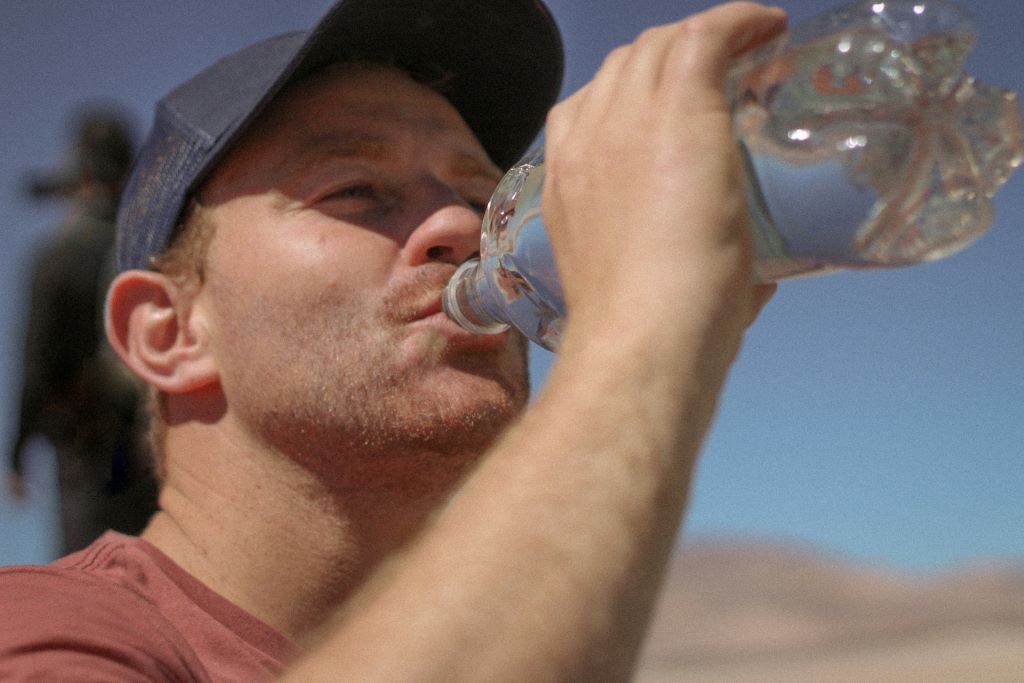
Dr Gomez-Sanchez stressed that fertility is influenced by many factors, including age, health, and genetics, and that the findings should not cause alarm among those trying to conceive. “There’s no need for alarm at this point. Microplastics are just one of many elements that may play a role in fertility. However, it is sensible to consider ways of reducing our exposure to them. Simple steps, such as using glass containers to store and heat food, or limiting the amount of water we consume from plastic bottles, can help minimise our intake.”
[1] Gomez-Sanchez, E., et al. (2025) Unveiling the Hidden Danger: Detection and characterisation of microplastics in human follicular and seminal fluids. Human Reproduction. [insert link when available]
[2] Wang, L., Yin, Y., & He, X. (2024). The hidden threat: Unraveling the impact of microplastics on reproductive health. Science of the Total Environment, 912, 173177.
A single pellet of recycled plastic can contain over 80 different chemicals. A new study with researchers from University of Gothenburg and Leipzig shows that recycled polyethylene plastic can leach chemicals into water causing impacts in the hormone systems and lipid metabolism of zebrafish larvae.
Increasing gene expressions
In a new study, researchers bought plastic pellets recycled from polyethylene plastic from different parts of the world and let the pellets soak in water for 48 hours. After which zebrafish larvae were exposed to the water for five days. The experimental results show increases in gene expression relating to lipid metabolism, adipogenesis, and endocrine regulation in the larvae.
“These short leaching times and exposure times are yet another indicator of the risks that chemicals in plastics pose to living organisms. The impacts that we measured show that these exposures have the potential to change the physiology and health of the fish,” says Azora König Kardgar, lead author and researcher in ecotoxicology at the University of Gothenburg.
“Never full knowledge”
Previous research has shown similar effects to humans, including threats to reproductive health and obesity, from exposure to toxic chemicals in plastics. Some chemicals used as additives in plastics and substances that contaminate plastics are known to disturb hormones, with potential impacts on fertility, child development, links to certain cancers, and metabolic disorders including obesity and diabetes.
“This is the main obstacle with the idea of recycling plastic. We never have full knowledge of what chemicals will end up in an item made of recycled plastic. And there is also a significant risk of chemical mixing events occuring, which render the recycled plastic toxic,” says Bethanie Carney Almroth, professor at the University of Gothenburg and principal investigator on the project.
Different chemicals in different pellets
Apart from the study on the impact that recycled plastics have on zebra fish larvae, the researcher also conducted a chemical analysis of the chemicals leaching from the plastic pellets to the water. And they found a lot of different chemical compounds, but the mixture altered between different samples of pellets.
“We identified common plastics chemicals, including UV-stabilizers and plasticizers, as well as chemicals that are not used as plastics additives, including pesticides, pharmaceuticals and biocides. These may have contaminated the plastics during their first use phase, prior to becoming waste and being recycled. This is further evidence of the complicated issue of plastics waste flows, and of toxic chemicals contaminating recycled plastics,” says Eric Carmona, researcher at Department of Exposure Science, Helmholtz Centre for Environmental Research in Leipzig.
“This work clearly demonstrates the need to address toxic chemicals in plastics materials and products, across their life cycle”, says Professor Bethanie Carney Almroth. “We cannot safely produce and use recycled plastics if we cannot trace chemicals throughout production, use and waste phases.”
In addition to cadmium, molybdenum and zinc found to have particularly high risk increases
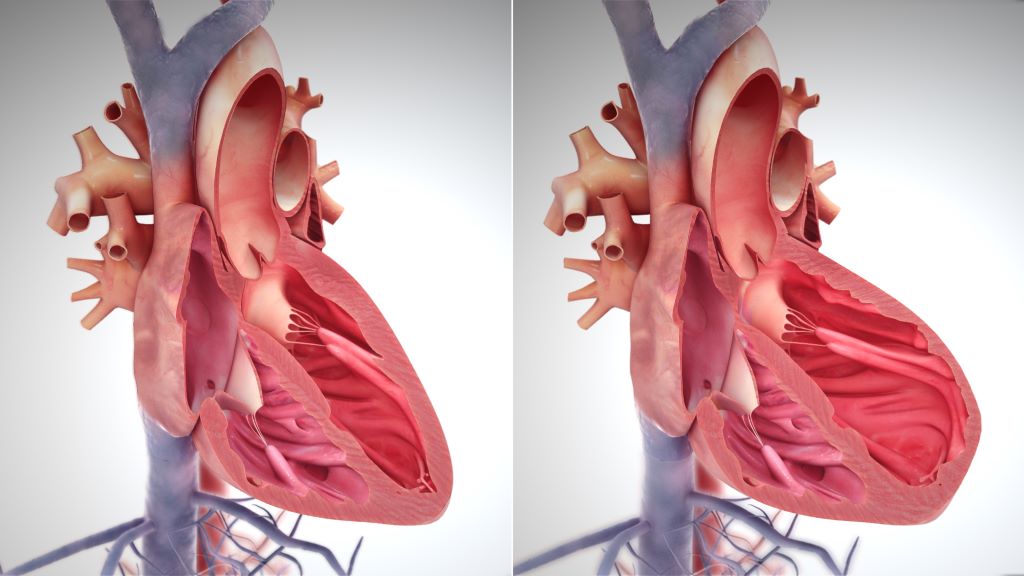
Right side heart failure. Credit: Scientific Animations CC4.0
A new multi-cohort study at Columbia University Mailman School of Public Health, has found that exposure to certain metals, detected in urine, is associated with a higher risk of heart failure (HF). Published in the Journal of the American College of Cardiology, it is the largest investigation of its kind to date, reinforcing the importance of reducing environmental metal exposure to reduce heart failure risk. While environmental metals are recognised as cardiovascular disease risk factors, until now the role of metal exposure in heart failure risk had remained understudied.
“Most previous studies have assessed individual metals in isolation. By examining metals as a mixture, our analysis more closely reflects real-world exposure patterns,” said Irene Martinez-Morata, MD, PhD, postdoctoral research scientist in Environmental Health Sciences at Columbia Mailman School, and lead author. “In our analysis of over 10 000 adults across diverse geographic, racial, and ethnic backgrounds, we observed consistent associations between elevated urinary metal levels and increased HF risk over long-term follow-up after accounting for other established traditional risk factors for the disease such as diabetes and obesity.”
The study pooled data from three large cohorts with more than 20 years of follow-up:
MESA (Multi-Ethnic Study of Atherosclerosis), U.S. adults aged 18–85 from six urban-suburban areas in Maryland, Illinois, North Carolina, California, Minnesota and New York.
SHS (Strong Heart Study), American Indian adults aged 18–65 in the U.S. from Oklahoma, Arizona, North Dakota and South Dakota.
Hortega Study, a general population cohort in Spain
Among the 10 861 participants, a thousand people developed heart failure. In a subset, researchers assessed left ventricular function, which measures how effectively the heart pumps blood.
Metals were measured in urine samples, which can indicate how much metal is in the body and how much is being eliminated from it. Health and lifestyle data – including medication use, cholesterol levels, blood pressure, glucose, BMI, and more – were collected via questionnaires, lab tests, and physical exams. The team used advanced machine learning models to evaluate the combined effects of five urinary metals as a mixture.
Key findings included:
Higher levels for the mixture of five metals in urine: arsenic, cadmium, molybdenum, selenium, and zinc, was associated with a 55% higher risk of heart failure in rural American Indian adults (SHS), a 38% higher risk in urban and suburban diverse populations (MESA) and a 8% increased risk in adults in Spain (Hortega).
In the analysis of metals individually, a doubling in the levels of urine cadmium, a toxic metal found in tobacco products, foods and industrial waste, was associated with 15% higher risk of heart failure.
Similarly, a doubling in the levels of molybdenum and zinc was associated with 13% and 22% higher risk of heart failure across the three cohorts. These metals have an essential function in the body, but high levels can be toxic.
“The strongest association between the 5-metal mixture and HF risk was seen in the SHS cohort,” said Martinez-Morata. “This population faces a historically high burden of contaminant metal exposure and cardiovascular disease and public health action is urgently needed.”
The sources of exposure to these metals can vary from urban and rural environments. Toxic metals such as arsenic, cadmium, and tungsten can occur as a result of mining and industrial activity leading to contamination of drinking water, foods that grow in contaminated soils, and air pollution. Many of these metals are also present in smoking devices, consumer products, and certain foods, observes Martinez and her co-authors. “Essential metals such as zinc and selenium are needed for biological functions, but high levels can be toxic.”
“We consistently found higher urinary levels of cadmium, molybdenum and zinc linked to increased heart failure risk,” noted Ana Navas-Acien, MD, PhD, Columbia Mailman School professor and chair of the Department of Environmental Health Sciences. “Even after adjusting for diabetes – a known HF risk factor – the zinc association remained significant.”
These results support the relevance of metal exposures as contributors to heart failure risk. “In ongoing research, we aim to clarify biological mechanisms and to explore the role of environmental interventions in cardiovascular disease prevention,” said Navas-Acien, who also is senior author.
“This study’s strengths include its large, diverse sample size, high-quality data, and robust, long-term follow-up,” said Martinez-Morata. “Our findings underscore the importance of continuing efforts to monitor and reduce environmental metal exposures, particularly in communities with historically high exposure levels as an innovative approach to improve cardiovascular health.”
A review from Murdoch University has stressed that agricultural soils now hold around 23 times more microplastics than oceans.
Amongst the revelations in the comprehensive evaluation is that plastics in soil may be exposed to up to 10 000 chemical additives, most of which are unregulated in agriculture.
“These microplastics are turning food-producing land into a plastic sink,” said PhD candidate Joseph Boctor, who led the study, which appears in Environmental Sciences Europe.
Both microplastics and nanoplastics have now been found in lettuce, wheat and carrot crops. This happens through various means, from plastic mulching, fertilisers and even through being dropped by clouds.
This is particularly concerning when combined with findings of these plastics in the human lungs, brain, heart, blood, and even placenta.
“And BPA-free does not equal risk free,” Mr Boctor said.
“Replacement chemicals like BPF and BPS show comparable or greater endocrine-disrupting activity.”
The challenge is that regulations are slower than science, and industry is faster than both.
In addition to this, assessing additive toxicity is often overlooked, Mr Boctor said, due to the lack of transparency in the plastic industry and large number of additives produced.
“This makes the plastic crisis unchecked, and human health exposed,” he said.
“This review tries to bring this creeping danger under the radar and shine a flashlight on regulators.”
Alongside endocrine disruptors, the review pinpointed other additives in soil such as Phthalates (linked to reproductive issues), and PBDEs (neurotoxic flame retardants).
These additives have been linked with neurodegenerative disease, increased risks of stroke and heart attack and early death.
“These are not distant possibilities – they are unfolding within biological systems – silently and systematically,” Mr Boctor said.
To address this crisis, Mr Boctor is working alongside his colleagues at the Bioplastics Innovation Hub to create a type of plastic that is not only safe, but also decomposes in soil, land and water, leaving behind no legacy.
One innovation currently under development is the Smart Sprays Project – which will demonstrate and test a non-toxic, bioplastic-based spray for soil which forms a water barrier to harvest rainfall and reduce evaporation that can be easily applied with existing farm equipment.
The hope is that through the Hub’s work, they will introduce a green plastic to the market that will minimise and eventually negate the need for non-sustainable plastic production worldwide.
“This review highlights the urgent need for coordinated scientific and regulatory efforts,” Joseph said.
“Regulators, scientists and industry must collaborate to close the loopholes before plastic pollution further entrenches itself in the global food chain.”
Heat takes it out of you. After a long, hot day, we feel tired and grumpy.
But sustained periods of heat do more than that – they age us faster. Cumulative heat stress changes our epigenetics – how our cells turn on or off gene switches in response to environmental pressure.
Now, new research from the United States explores the pressing question of how extreme heat affects humans. The findings are concerning. The more days of intense heat a participant endured, the faster they aged. Longer periods of extreme heat accelerated ageing in older people by more than two years.
As the climate heats up, humans will be exposed to more and more heat – and our bodies will respond to these stresses by ageing faster. These findings are especially pertinent to Australia, where heatwaves are expected to become more frequent and intense in a warmer world.
How, exactly, does heat age us?
Ageing is natural. But the rate of ageing varies from human to human. As we go through life, our bodies are affected by stresses and shocks. For instance, if we don’t get enough sleep over a long period, we will age faster.
While heat can directly sicken or kill us, it also has a long tail. Sustained heat stresses our bodies and make them less efficient at doing the many jobs needed to stay alive. This is what we mean when we say it accelerates biological ageing. This deterioration is likely to precede the later development of diseases and disabilities.
What does that look like on a genetic level? You might think your genes don’t change over your life, and this is mostly true (apart from random mutations).
But what does change is how your genes are expressed. That is, while your DNA stays the same, your cells can switch some of its thousands of genes off or on in response to stresses. At any one time, only a fraction of the genes in any cell are turned on – meaning they’re busy making proteins.
This is known as epigenetics. The most common and best-understood pathway here is called DNA methylation (DNAm). Methylation here refers to a chemical our cells can use to block a DNA sequence from activating and producing proteins with various functions.
Cellular changes in DNAm can lead to proteins being produced more or less, which in turn can flow on to affect physiological functions and our health status. This can be both bad or good.
Heat stress can alter the pattern of which genes are turned off or on, which in turn can affect our rate of ageing.
Severe heat stress can be remembered in cells, leading them to change their DNAm patterns over time. In laboratory testing, the effect is pronounced in fish, chickens, guinea pigs, and mice.
To date, much research on how heat affects epigenetics has focused on animals and plants. Here, the evidence is clear – even a single episode of extreme heat has been shown to have a long-lasting effect on mice.
But only a couple of studies have been carried out involving humans, and they have been limited. This is the gap this new research is intended to help fill.
The study by researchers at the University of Southern California involved almost 3700 people, with an average age of 68 years.
Heat affects older people more than younger people. Our ability to control our body temperature drops as we age, and we are less resilient to outside stresses and shocks. We also know periods of extreme heat trigger a wave of illness and death, especially among older people.
The study set out to better-understand what happens to human bodies at a biological level when they’re exposed to intense heat over the short, medium, and longer term.
To do this, the researchers took blood samples and measured epigenetic changes at thousands of sites across the genome, which were used to calculate three clocks measuring biological age, named PcPhenoAge, PCGrimAge, and DunedinPACE.
Ageing is natural, but the speed at which we age can change. Photo: Bricolage/Shutterstock
Then, they looked at the levels of heat each participant would have been exposed to in their geographic areas over the preceding six years, which was 2010-16. They used the US heat index to assess heat, from caution (days up to 32°C), extreme caution (32–39°C), and danger (39–51°C). They used regression modelling to see how much faster people were ageing over the normal rate of ageing.
The effect of heat was clear in the three biological clocks. Longer-term exposure to intense heat increased biological age by 2.48 years over the six-year period of the study, according to PCPhenoAge; 1.09 years, according to PCGrimAge; and 0.05 years, according to DunedinPACE.
Over the period of the study, the effect was up to 2.48 years faster than normal ageing, where one calendar year equals one biological year of ageing. That is, rather than their bodies ageing the equivalent of six years over a six-year period, heat could have aged their bodies up to 8.48 years.
Importantly, the biological clocks differ quite substantially, and we don’t yet know why. The authors suggest the PCPhenoAge clock may capture a broader spectrum of biological ageing, covering both short-term and longer-term heat stress, while the other two may be more sensitive to long-term heat exposure.
The way these researchers have conducted their study gives us confidence in their findings – the study sample was large and representative, and the use of the heat index rather than air temperature is an improvement over previous studies.
However, the findings don’t account for whether the participants had airconditioning in their homes or spent much time outside.
We need to know more
Perhaps surprisingly, there’s been little research done to date on what heat does to human epigenetics.
In 2020, we conducted a systemic review of the science of how environment affects human epigenetics. We found only seven studies, with most focused on the effect of cold rather than heat.
Now we have this new research that sheds light on the extent to which heat ages us.
As we face a warmer future, our epigenetics will change in response. There’s still a lot of work to do to see how we can adapt to these changes – or if we even can, in some parts of the world. This article originally appeared on The Conversation, and was co-authored with Shuai Li, University of Melbourne.
That’s the takeaway from new research from a team of scientists, including researchers from the University of Colorado Boulder. The findings suggests that long-term exposure to Martian dust could create a host of health problems for future astronauts – leading to chronic respiratory problems, thyroid disease and more.
The study, published in the journal GeoHealth, is the first to take a comprehensive look at the chemical ingredients that make up Martian dust, and their possible impacts on human health. It was undertaken by a team from the worlds of medicine, geology and aerospace engineering.
“This isn’t the most dangerous part about going to Mars,” said Justin Wang, lead author of the study and a student in the Keck School of Medicine at the University of Southern California in Los Angeles. “But dust is a solvable problem, and it’s worth putting in the effort to develop Mars-focused technologies for preventing these health problems in the first place.”
Wang, a CU Boulder alumnus, noted that Apollo era astronauts experienced runny eyes and irritated throats after inhaling dust from the moon. Apollo 17’s Harrison Schmitt likened the symptoms to hay fever.
But scientists know a lot less about the potential harms of Martian dust. To begin to answer that question, Wang and his colleagues drew on data from rovers on Mars and even Martian meteorites to better understand what makes up the planet’s dust. The group discovered a “laundry list” of chemical compounds that could be dangerous for people—at least when inhaled in large quantities and over long periods of time.
They include minerals rich in silicates and iron oxides, metals like beryllium and arsenic and a particularly nasty class of compounds called perchlorates.
In many cases, those ingredients are present in only trace amounts in Mars dust. But the first human explorers on Mars may spend around a year and a half on the surface, increasing their exposure, said study co-author Brian Hynek.
“You’re going to get dust on your spacesuits, and you’re going to have to deal with regular dust storms,” said Hynek, a geologist at the Laboratory for Atmospheric and Space Physics (LASP) at CU Boulder. “We really need to characterize this dust so that we know what the hazards are.”
Into the bloodstream
One thing is clear, he added: Mars is a dusty place.
Much of the planet is covered in a thick layer of dust rich in tiny particles of iron, which gives the planet its famous red colour. Swirling dust storms are common and, in some cases, can engulf the entire globe.
“We think there could be 10 metres of dust sitting on top of the bigger volcanoes,” said Hynek, a professor in the Department of Geological Sciences. “If you tried to land a spacecraft there, you’re going to just sink into the dust.”
Wang found his own way to Martian dust through a unique academic path. He started medical school after earning bachelor’s degrees from CU Boulder in astronomy and molecular, cellular and developmental biology, followed by a master’s degree in aerospace engineering sciences. He currently serves in the Navy through its Health Professions Scholarship Program.
He noted that the biggest problem with Martian dust comes down to its size. Estimates suggest that the average size of dust grains on Mars may be as little as 3 micrometers across, or roughly one-ten-thousandth of an inch.
“That’s smaller than what the mucus in our lungs can expel,” Wang said. “So after we inhale Martian dust, a lot of it could remain in our lungs and be absorbed into our blood stream.”
An ounce of prevention
In the current study, Wang and several of his fellow medical students at USC scoured research papers to unearth the potential toxicological effects of the ingredients in Martian dust.
Some of what they found resembled common health problems on Earth. Dust on Mars, for example, contains large amounts of the compound silica, which is abundant in minerals on our own planet. People who inhale a lot of silica, such as glass blowers, can develop a condition known as silicosis. Their lung tissue becomes scarred, making it hard to breath—symptoms similar to the “black lung” disease that coal miners often contract. Currently, there is no cure for silicosis.
In other cases, the potential health consequences are much less well-known.
Martian dust carries large quantities of highly oxidising compounds called perchlorates, which are made up of one chlorine and multiple oxygen atoms. Perchlorates are rare on Earth, but some evidence suggests that they can interfere with human thyroid function, leading to severe anaemia. Even inhaling a few milligrams of perchlorates in Martian dust could be dangerous for astronauts.
Wang noted that the best time to prepare for the health risks of Martian dust is before humans ever make it to the planet. Iodine supplements, for example, would boost astronauts’ thyroid function, potentially counteracting the toll of perchlorates – although taking too much iodine can also, paradoxically, lead to thyroid disease. Filters specifically designed to screen out Martian dust could also help to keep the air in living spaces clean.
“Prevention is key. We tell everyone to go see their primary care provider to check your cholesterol before it gives you a heart attack,” Wang said. “The best thing we can do on Mars is make sure the astronauts aren’t exposed to dust in the first place.”
A review published in The Laryngoscope indicates that climate change’s effects on pollen seasons and concentrations are contributing to increasing rates of allergic rhinitis.
When investigators assessed research published between 2000 and 2023, they identified 30 studies that reported on the current epidemiological state of allergic rhinitis, described factors related to climate change, and observed how global warming is affecting pollen seasons and allergy symptoms.
Sixteen studies reported longer pollen seasons and/or higher pollen concentrations related to climate change. As an example, total pollen emissions in the U.S. are projected to increase by 16–40% by the end of the century and pollen season length to increase by 19 days. Four studies reported an increase in allergic rhinitis–related health care usage, particularly among low-income residents. Two studies reported that health care professionals want more education on climate change.
“Physicians are uniquely positioned to witness the impact of allergic rhinitis on patient outcomes and can adapt their practice as climate change intensifies,” said corresponding author Alisha R. Pershad, BS, a third-year medical student at the George Washington University School of Medicine and Health Sciences. “As trusted voices in the community, they should leverage their frontline experience to advocate for meaningful change in addressing the climate crisis.”
Phthalates are commonly used in plastic medical equipment
Photo by Marcelo Leal on Unsplash
Daily exposure to certain chemicals used to make plastic household items could be linked to the more than 356 000 global deaths from cardiovascular disease that occurred in 2018 alone, a new analysis of population surveys shows.
Although the chemicals, called phthalates, are in widespread use globally, the Middle East, South Asia, East Asia, and the Pacific bore a much larger share of the death toll than others – about three-fourths of the total.
For decades, experts have connected health problems to exposure to certain phthalates found in cosmetics, detergents, solvents, plastic pipes, bug repellents, and other products. These chemicals break down into microscopic particles and are ingested, and studies have linked such exposure to an increased risk of conditions ranging from obesity and diabetes to fertility issues and cancer.
Led by researchers at NYU Langone Health and published in eBioMedicine, the current study focused on a kind of phthalate called di-2-ethylhexyl phthalate (DEHP). This chemical is used to increase the flexibility and softness of food containers, medical equipment, and other plastic items. Exposure has been shown in other studies to prompt inflammation in the heart’s arteries, which over time is associated with increased risk of heart attack or stroke. In their new analysis, the authors estimated that DEHP exposure contributed to 356 238 deaths, or more than 13% of all global mortality from heart disease in 2018 among men and women ages 55 through 64.
“By highlighting the connection between phthalates and a leading cause of death across the world, our findings add to the vast body of evidence that these chemicals present a tremendous danger to human health,” said study lead author Sara Hyman, BS, an associate research scientist at NYU Grossman School of Medicine.
In a past study from 2021, the research team tied phthalates to more than 50 000 premature deaths each year, mostly from heart disease, among older Americans. Their latest investigation is believed to be the first global estimate to date of cardiovascular mortality, or indeed any health outcome, resulting from exposure to the chemicals, said Hyman, who is also a graduate student at NYU School of Global Public Health.
For the research, the team used health and environmental data from dozens of population surveys to estimate DEHP exposure across 200 countries and territories. The information included urine samples containing chemical breakdown products left by the plastic additive. Mortality data was obtained from the Institute for Health Metrics and Evaluation, a research group in the United States that collects medical information worldwide to identify trends in public health.
Among the key findings, the study showed that losses in the combined region of East Asia and the Middle East and the combined region of East Asia and the Pacific accounted, respectively, for about 42% and 32% of the mortality from ardiovascular disease linked to DEHP. Specifically, India had the highest death count, at 103 587 deaths, followed by China and Indonesia. The larger heart death risks in these populations held true even after the researchers adjusted their statistical analysis to take into account population size within the studied age group.
A possible explanation, the authors say, is that these countries face higher rates of exposure to the chemicals, possibly because they are undergoing a boom in plastic production but with fewer manufacturing restrictions than other regions.
“There is a clear disparity in which parts of the world bear the brunt of heightened heart risks from phthalates,” said study senior author Leonardo Trasande, MD, MPP. “Our results underscore the urgent need for global regulations to reduce exposure to these toxins, especially in areas most affected by rapid industrialisation and plastic consumption,” added Dr Trasande, Professor of Pediatrics at NYU Grossman School of Medicine.
Dr Trasande, who is also a professor in the Department of Population Health, cautions that the analysis was not designed to establish that DEHP directly or alone caused heart disease and that higher death risks did not take into account other types of phthalates. Nor did it include mortality among those in other age groups. As a result, the overall death toll from heart disease connected to these chemicals is likely much higher, he says.
Dr Trasande says that the researchers next plan to track how reductions in phthalate exposure may, over time, affect global mortality rates, as well as to expand the study to other health concerns posed by the chemicals, such as preterm birth.
A prescription of gardening an allotment in the UK has shown promise as a means of improving health and well-being outside of conventional medical treatments.
Green social prescribing is a practice whereby a healthcare professional refers a patient to community-based nature activities to help improve health and well-being beyond medical treatments. Currently these programmes are in a testing phase, but evidence is now pointing to the need for investment in this area to make it an additional option for patients across the country.
More than 220 participants were included in the programme, and their mental health status was evaluated before and after exposure to an organised programme of nature-based activities, such as horticultural and care farming, sport and exercise, and outdoor mindfulness and craft-based activities.
The majority of participants took part in the programme weekly between one and four weeks, five to eight weeks, and others between nine and 12 weeks. The team used the Office of National Statistics measures of personal well-being, as well as the hospital anxiety and depression scale (HADS) to understand if participants had made improvements.
Horticulture
Across the board, participants reported improvements in well-being and mental health. But participants in longer programmes – typically nine to 12 weeks – or took part in activities related to horticulture and care farming, showed greater improvements in mood and anxiety levels compared with those involved in shorter programmes – one to four weeks – or in activities such as outdoor crafts, creative and mindfulness-based sessions, or sport and exercise.
The signs of improvement were similar to those seen in short-term cognitive behavioural therapy (CBT), where someone might meet one-to-one with a therapist over a period ranging from six weeks to a year or more.
Professor Peter Coventry, Director of the University’s Mental Health and Addiction Research Group, said: “We have known for some time that nature has a positive impact on health and wellbeing, but in more recent years, a stronger evidence-base has grown that proves this to be true for mental health in particular.
“The fact that activities such as gardening, tending allotments, and care farming had the most impact on the participants in our study, demonstrated that it is not just about being passive in nature, but connecting with it in a meaningful way.
“There is also something to be said for connecting with nature in the company of other people who live in the same place as you. Anxiety and depression can often be born out of loneliness and feelings of disconnectedness, so it makes sense that taking part in shared activities close to home – especially those that involve caring for and improving your local environment – can help lift mood and reduce anxiety.”
All ages
The study showed that these positive impacts were seen in all ages, which ranged from age 18 to age 85, and across genders. Researchers are now calling for more investment to be made to support these community activities and the employment of green social prescribers that GPs and other health and social care professionals can refer their patients to.
Trish Darcy, research associate from the University’s Mental Health and Addiction Research Group, said: “This intervention might not work for everyone, but through an initial exploratory conversation a social prescriber will discuss with a patient or user of the service if nature-based activities would be suited to them, and for that choice to happen we need more investment to support these community-based activities”.
“In our study 65% of participants were from low socioeconomic groups and we now know that not only can it help improve their mental health, but participation was high for horticultural based activities in particular, meaning that not only is it good for the individual, but for the local community environment too.”
Test and learn
The evaluation, published in the journal Health & Social Care in the Community, was conducted in partnership with The HEY Smile Foundation and NHS Humber and North Yorkshire Integrated Care Board (ICB).
Dr Hannah Armitt a Clinical Psychologist and Clinical Lead for the Humber and North Yorkshire ‘test and learn’ programme said: “The research conducted in our region has the potential to enhance service delivery by connecting statutory services with local providers of nature based and outdoors activities.
“It is important to evidence the potential of green space and nature to ensure clinicians and patients alike can harness the benefits of this wonderful free natural resource we have in abundance in Yorkshire and Humber.”
Positive outcomes
Anthony Hurd, Humber and North Yorkshire Green Social Prescribing Programme Manager, said “This work has not only shown the positive outcomes that nature-based activities have on mental health, it has also highlighted the role that community-based organisations play in supporting the health and wellbeing of communities.
“As healthcare begins to move more into the community, and with a focus on prevention, the community-based organisations delivering activities such as gardening, care farming and walking groups need to be recognised as key players in our national health service and be resourced appropriately.”