Category: Allergies

IgA Antibodies Do not Prevent Childhood Food Allergies

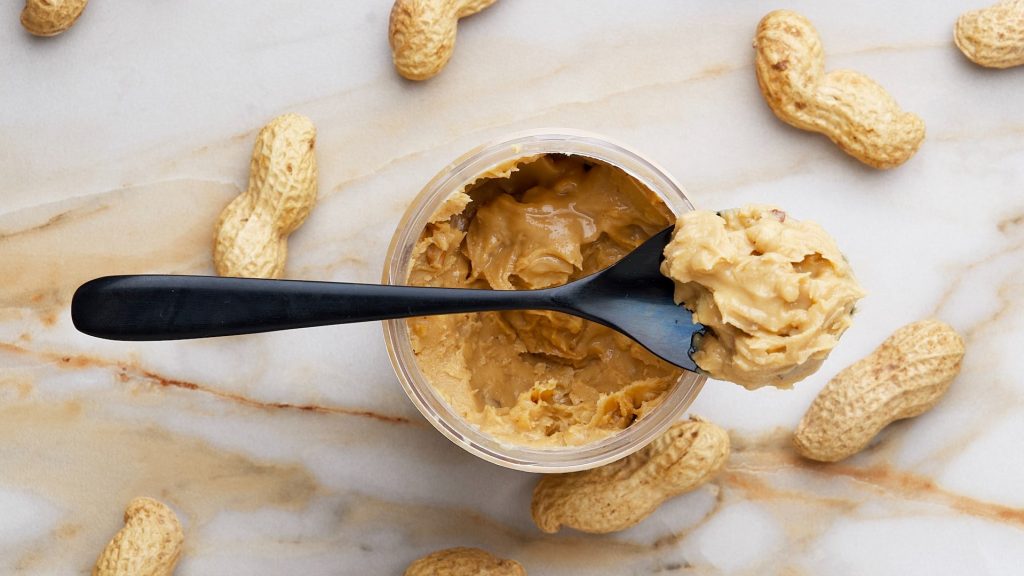
Photo by Corleto on Unsplash

The presence of food-specific IgA antibodies in the gut does not prevent peanut or egg allergies from developing in children, according to a Northwestern Medicine study published in Science Translational Medicine.

Scientists examined stool samples from more than 500 infants across the country and found that the presence of Immunoglobulin A, the most common antibody found in mucous membranes in the digestive tract, does not prevent peanut or egg allergies from developing later in life.

This discovery calls into question the role of Immunoglobulin A, or IgA, which was previously thought to be a protective factor against the development of food allergies.

Peanuts and eggs are the two most common allergens for infants and affect an estimated one in 13 children in the US, according to the Ann & Robert H. Lurie Children’s Hospital of Chicago.

While prior research had shown IgA could bind to and neutralide toxins and bacteria in the body, there was inconclusive evidence that IgA could do the same for food allergens, said Stephanie Eisenbarth, MD, PhD, senior author of the study.

“We were able to collaborate with different groups around the country to look at a number of different cohorts of children and young adults to ask: ‘Does the presence of IgA to peanut tell us that the person is tolerant to peanut?’,” said Eisenbarth. “We found that there really was no difference between kids who had peanut allergies and children who didn’t, and the same is true with egg allergies.”

The findings come as rates of allergies in children continue to climb: According to data from the Centers for Disease Control and Prevention, the number of children with allergies has more than doubled in the last 20 years.

Future directions for research will center on understanding the role IgA plays in people who have undergone immunotherapy and developed a tolerance to food allergens, Eisenbarth said.

Source: Northwestern University

Smartphones are Potential Reservoirs for Allergens

Photo by Asterfolio on Unsplash

Smartphones are nowadays ubiquitous and repeatedly checked throughout the day, making them potential receptacles for environmental hazards such as allergens. A new study being presented at this year’s American College of Allergy, Asthma and Immunology (ACAAI) Annual Scientific Meeting in Louisville, KY, showed elevated levels of cat and dog allergens, as well as β-D glucans (BDG) and endotoxin on simulated phone models.

“Smartphones showed elevated and variable levels of BDG and endotoxin, and cat and dog allergens were found on smartphones of pet owners” says Hana Ruran, lead author on the study. “BDGs are found in fungal cell walls and have been found in many environments and surfaces causing chronic airway and irritant symptoms – making BDGs a consistent marker to study problematic mould. Endotoxin is a potent inflammatory agent and a marker of exposure to Gram negative bacteria.”

The researchers created phone models that had a similar size and surface to a real phone and the front surface of the phone model was wiped as part of the test. Electrostatic wipes (ESW) were used to sample simulated phone models of 15 volunteers and the “phones” were then measured for allergens, BDG and endotoxin levels.

The chemicals used in the mixture solutions for cleaning (chlorhexidine, cetylpyridinium chloride, tannic acid and benzyl benzoate) can be purchased through laboratory or chemical suppliers but are not commercially available in the same concentrations as used in the study. Isopropyl alcohol wipes were also tested for their cleaning properties.

“Combination chlorhexidine/cetylpyridinium was the most effective in reducing BDG and endotoxin and combination benzyl benzoate/tannic acid most effectively reduced cat and dog allergens on smartphones,” says Peter Thorne, PhD, professor in the University of Iowa Department of Public Health and co-author of the study. “The study demonstrates exposure to inhalant allergens and molecules that trigger innate immune reactions from a source most people haven’t considered. If you have allergies or asthma, you may want to think about cleaning your smartphone more often to minimise exposure to these allergens and asthma triggers.”

Source: American College of Allergy, Asthma, and Immunology

New Guideline to Tackle Incorrect Penicillin Allergy Labelling

Photo by MedicAlert UK on Unsplash

A new guideline published in Clinical & Experimental Allergy will help non-allergist clinicians evaluate and test patients for potential penicillin allergies.

Penicillin allergy labels are carried by 5.6% of the general population, with a seemingly higher incidence in hospitalised patients. About 95% of penicillin allergy labels are incorrect when tested.

Over the past 10 years, the clinical ramifications of a label of ‘penicillin allergy’ have been clearly defined. A diagnosis of penicillin allergy increases the risk of MRSA, Clostriodes difficile or VRE infections and death; presumably through increased use of alternatives to beta-lactam antibiotics. It also increases the duration of hospital admissions and has significant implications for the cost of health care. Several studies have shown the healthcare costs of the label and the economic benefits of removing incorrect labels.

Despite widespread evidence of its harms, resources are not available in the NHS for penicillin allergy testing, prompting the development of this guideline.

The guideline was developed by the Standards of Care Committee of the British Society for Allergy and Clinical Immunology (BSACI) along with a committee of experts and key stakeholders.

The aim of this guideline is to provide a framework for the set-up and delivery of penicillin allergy de-labelling services by non-allergists by using drug provocation testing. The intended users are non-allergists with an interest in clarifying the penicillin allergy status of their patients. The target population is adult and children with an untested label of penicillin allergy. 

There are separate recommendations for adults and children within the guideline.

“The intended users are non-allergists with an interest in clarifying the penicillin allergy status of their patients. The guideline details appropriate patient selection, risk stratification, minimum safety standards, conduct of a drug provocation test, and the degree of oversight required from allergy or immunology specialists,” the authors wrote. “The guideline will be reviewed 5 years from original publication date.”

Source: Wiley

Food Allergies may Protect Some against COVID

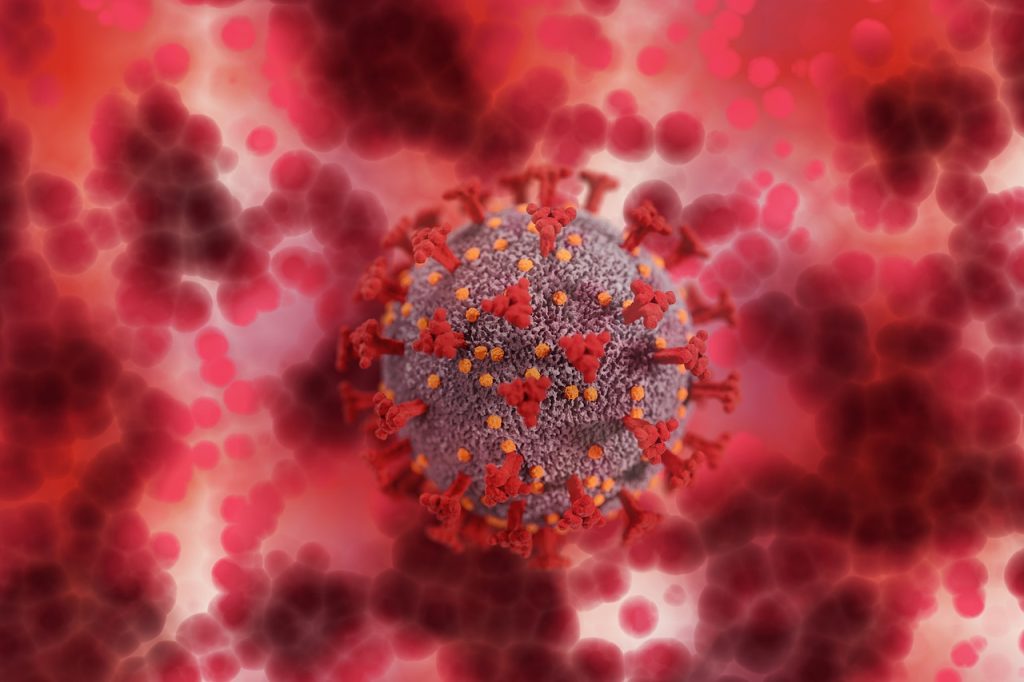
Image from Pixabay

A recent study in the journal Frontiers in Immunology may explain why some cases of COVID are asymptomatic: common foods, vaccines, bacteria and viruses may all prime the immune system to attack SARS-CoV-2 due to bearing similar antigens to the virus. The study paves the way for new immunotherapies or vaccines that lead to stronger immunity against COVID.

Proteins present in bacteria, human cells, vaccines, and even foods may all share similarities with those in SARS-CoV-2. The researchers behind this latest study hypothesised that similarities between SARS-CoV-2 and other common proteins may affect our susceptibility to the virus.

After the initial infection by a pathogen has passed, T and B cells retain a memory of it, ready to rapidly produce more antibodies if needed. Food allergies are a result of the immune system targeting the proteins in what are otherwise harmless substances.

Testing antibody cross-reactions

Could such an ‘immune memory’ to proteins we have encountered in our past underlie immune resistance and reduced susceptibility to Covid-19? To begin to test this hypothesis, these researchers investigated whether antibodies that target proteins in the SARS-CoV-2 virus could also bind to proteins in other agents, such as foods or common bacteria.

The researchers tested the ability of these antibodies to bind to 180 different proteins from common foods, two different vaccines, and 15 bacterial and viral proteins. The antibodies reacted most strongly with a common gut bacterium called E. faecalis and a vaccine against diphtheria, tetanus, and pertussis. Interestingly, they also reacted very strongly against proteins found in common foods, including broccoli, roasted almonds, pork, cashews, milk, soy, and pineapple.    

Eat for immunity?

Unfortunately, you will likely not be able to eat your way to COVID immunity. ‘Immunity’ against a food type, for instance, is typically characterised by a food allergy. “Usually only people with leaky gut can make antibodies against food, so I wouldn’t actually recommend eating foods that give you leaky gut, because this would give you a whole new set of problems,” said Dr Aristo Vodjani of Cyrex Laboratories in Arizona, lead author on the study.

Indeed, the researchers caution that although these agents could potentially provide some protection from SARS-CoV-2, they are no replacement for current vaccines. Further studies are also needed to confirm that these proteins do indeed confer some protection, and if so, whether it is mediated through a short-lived antibody response or a longer-term memory cell response.

The findings may shed some light on our variable responses to COVID infection. With more research, these results could lead to more effective treatments or better vaccines against the virus. Another application may lie in assessing an individual’s susceptibility to the virus before they have even been infected. 

Source: EurekAlert!

A New Guideline for Pollen Food Syndrome

Photo by Daria Shevtsova on Pexels

Pollen Food Syndrome (PFS) – also known as oral allergy syndrome or pollen food allergy syndrome – causes affected individuals to experience an allergic reaction when consuming raw plant foods, and triggers can vary depending on an individual’s pollen sensitisation, which in turn is affected by geographical location. A guideline, published in Clinical & Experimental Allergy, has been developed for the diagnosis and management of PFS.

The guideline was drafted by the British Society of Allergy & Clinical Immunology Standards of Care Committee. The correct diagnosis of PFS ensures the avoidance of a misdiagnosis of a primary peanut or tree nut allergy or confusion with another plant food allergy to non-specific lipid transfer proteins. The characteristic foods involved, and rapid-onset oropharyngeal symptoms, mean PFS can often be diagnosed from the clinical history alone. Management focuses on avoiding known trigger foods, which may appear to be simple, but can be difficult if coupled with a pre-existing food allergy, or for individuals following a vegetarian/vegan diet.

“More studies on the effect of PFS on health-related quality of life are needed to dispel the myth that because it usually manifests with mild symptoms, PFS is easily managed, and does not adversely affect the individual,” the authors wrote. “The number of foods and concern about new food triggers means dietary restrictions are often overly strict, so more research on novel treatments of PFS, including food immunotherapy, needs to be undertaken.”

Source: Wiley

T-helper Cells Near the Gut are Deliberately ‘Dysfunctional’

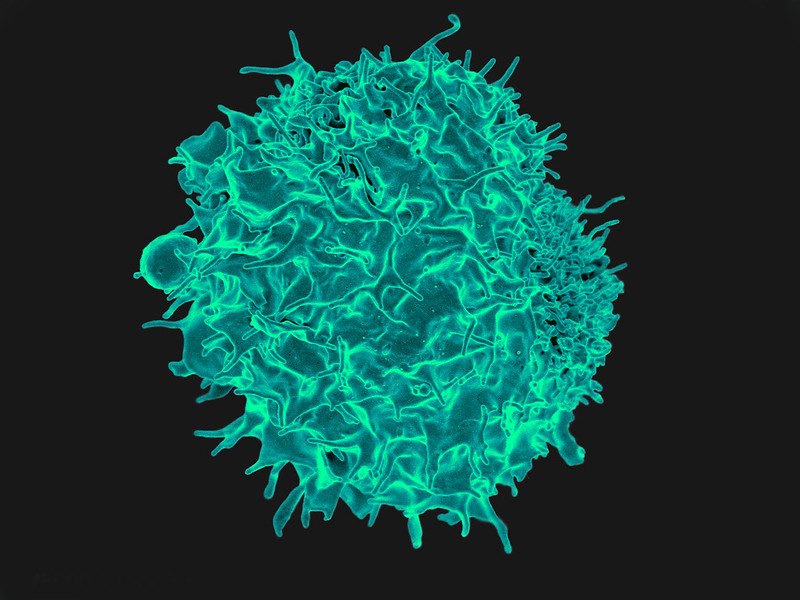
T cell
Scanning Electron Micrograph image of a human T cell. Credit: NIH/NIAID

A new study published in Nature has found that certain food proteins can cause T-helper cells in gut-associated lymphoid tissue to become dysfunctional in order for the immune system not to attack that particular food. Understanding how the process could be restarted could aid the development of food allergy treatments.

Led by Marc Jenkins, director of the University of Minnesota Medical School’s Center for Immunology, the research focused on why the immune system does not attack food in the way that it attacks other foreign entities like microbes.

“This study helps explain why our immune systems do not attack our food even though it is foreign to our bodies,” said Jenkins. “We found that ingested food proteins stimulate specific lymphocytes in a negative way. The cells become dysfunctional and eventually acquire the capacity to suppress other cells of the immune system.”

The gut associated-lymphoid tissue is a suppressive environment where lymphocytes that would normally generate inflammation undergo arrested development. This abortive response usually prevents dangerous immune reactions to food.

The research found that T-helper cells lack the inflammatory functions needed to cause gut pathology and yet the cells have the potential to produce regulatory T-cells that may suppress it. This means when people develop an intolerance or allergic reaction to certain foods, there may be a future capability to suppress that reaction by reintroducing dysfunctional lymphocytes.

Further research is needed to identify the mechanisms whereby food-specific lymphocytes become dysfunctional, knowledge which could be used to fight food allergies.

Source: University of Minnesota Medical School

Antibiotics Exposure in Childhood Linked to Later Allergies and Asthma

Young girl sneezing
Photo by Andrea Piacquadio on Unsplash

Early exposure to antibiotics kills healthy bacteria in the digestive tract, possibly leading to asthma and allergies, according to a series of experiments in mouse models.

The experiments, reported in Mucosal Immunology, have provided the strongest evidence so far that the long-observed connection between antibiotic exposure in early childhood and later development of asthma and allergies is causal.

“The practical implication is simple: avoid antibiotic use in young children whenever you can because it may elevate the risk of significant, long-term problems with allergy and/or asthma,” said senior author Martin Blaser at Rutgers University.

In the study, the researchers noted that antibiotics, which are “among the most used medications in children, affect gut microbiome communities and metabolic functions. These changes in microbiota structure can impact host immunity.”

In the first part of the experiment, five-day-old mice received water, azithromycin or amoxicillin. After the mice matured, researchers exposed them to a common allergen derived from house dust mites. Mice that had received either of the antibiotics, especially azithromycin, exhibited elevated rates of immune responses – ie, allergies.

The second and third parts of the experiment tested whether early exposure to antibiotics (but not later exposure) causes allergies and asthma by killing some healthy gut bacteria that support proper immune system development.

Lead author Timothy Borbet first transferred bacteria-rich faecal samples from the first set of mice to a second set of adult mice with no previous exposure to any bacteria or germs. Some received samples from mice given azithromycin or amoxicillin in infancy. Others received normal samples from mice that had received water.

Mice that received antibiotic-altered samples were no more likely than other mice to develop immune responses to house dust mites, just as people who receive antibiotics in adulthood are no more likely to develop asthma or allergies than those who don’t.

Things were different, however, for the next generation. Offspring of mice that received antibiotic-altered samples reacted more to house dust mites than those whose parents received samples unaltered by antibiotics, just as mice that originally received antibiotics as babies reacted more to the allergen than those that received water.

“This was a carefully controlled experiment,” said Blaser. “The only variable in the first part was antibiotic exposure. The only variable in the second two parts was whether the mixture of gut bacteria had been affected by antibiotics. Everything else about the mice was identical.

Blaser added that “these experiments provide strong evidence that antibiotics cause unwanted immune responses to develop via their effect on gut bacteria, but only if gut bacteria are altered in early childhood.”

Source: Rutgers University

Dietary Fibre Shown to Protect Against Atopic Dermatitis

Research suggests that the gut-skin axis may have an influence on skin conditions. Photo by Romina Farias on Unsplash

A study published in Mucosal Immunology into the emerging gut-skin axis has found that microbial fermentation of dietary fibre in the gut can protect against atopic dermatitis. The research could potentially lead to novel treatments to prevent or treat allergies.

The Monash University led by Professor Ben Marsland showed that fermentation of fibre in the gut by bacteria and subsequent production of short chain fatty acids (SCFAs), in particular butyrate, protected against atopic dermatitis in mice.

Previous work had found that dietary fibre was connected to protection against flu through SFCAs activating cytotoxic T cells. SCFAs are also often found in sources including root vegetables such as chicory roots or the skins of citrus fruits

While it is well established that the gut microbiome shapes the immune system, the influence it has on the skin is less explored.

“Previous work from our group, and others, has focused on the local health benefits of SCFAs in the gut as well as at distal sites such as the lung and cardiovascular system,” Professor Marsland said. “We wondered if this might also extend to the skin, which is an area that has not really been investigated.

“People speculate that diet can influence skin health, but there is not a great deal of science behind this.”

The researchers fed mice a diet high in fermentable fibre or gave them purified SCFAs. “This treatment was profoundly protective against allergic skin inflammation,” Professor Marsland said.

They labelled the butyrate with isotopes and tracked it in the body, taking only minutes to reach the skin where it enhanced the metabolism of keratinocytes, priming them to mature and produce the key structural components required for a healthy skin barrier.

“The upshot of this was that the skin barrier was fortified against allergens – we were using house dust mite allergens – that would normally penetrate the skin barrier, activate the immune system and start an allergic reaction in these models,” he said.

“It turns out the immune system was secondary to this skin barrier function.”

Actively improving the skin barrier could have protective effects against environmental exposures that cause allergies and perhaps even other skin diseases which are underpinned by a damaged or weak skin barrier. SCFAs could be administered orally or directly on the skin as a cream, bypassing the gut, he said.

“The fact that short chain fatty acids can be given topically and are well-tolerated opens up possibilities for development of preventative strategies or disease-modifying interventions – that represents the most significant translational potential of our research.”

One possibility to explore is whether this could help children who are at risk of developing skin allergies that cascade towards food allergies and asthma, the so-called ‘Atopic March’.

Source: Monash University

The Process of Remission from Peanut Allergy Mapped Out

Credit: NIH

An Australian study published in Allergy, has identified the key immunological changes that support the remission of peanut allergy in children, a discovery that could pave the way to new, more targeted treatments.

The research showed, for the first-time, that specific gene networks are rewired to drive the transition from peanut allergy to clinical remission following a combination treatment of a probiotic and peanut oral immunotherapy.

The study found that this network reprogramming essentially shuts down the allergic immune response that was responsible for causing a food allergy.

Lead researcher, Professor Mimi Tang of Murdoch Children’s Research Institute, said this was the first study to map the complex gene to gene communication and connectivity underlying clinical remission of peanut allergy.

“The immunological changes leading to remission of peanut allergy were largely unknown,” she said. Previous studies had mostly focused on examining the levels of gene expression, without also exploring how genes interact with each other. But genes don’t work in isolation; instead, biological responses are controlled by large numbers of genes communicating with each other, so it made sense to look at these interactions more closely.

“What we found was profound differences in network connectivity patterns between children who were allergic and those who were in remission. These same changes were also seen when we compared gene networks before and after immunotherapy in the children who achieved remission following immunotherapy.”

The randomised controlled trial involved 62 peanut allergic children, ages 1–10, who received a combination treatment of a probiotic and oral immunotherapy (gradual introduction of the allergen) or a placebo. Following 18 months of treatment, 74% taking the combination treatment achieved remission compared with 4% in the placebo group.

The peanut oral immunotherapy that was used in combination with the probiotic in the trial was PRT120, a lead candidate from biotech company Prota Therapeutics.

The team led by Professor Tang also recently showed in a separate trial that two treatments — the combination probiotic and peanut oral immunotherapy treatment and the peanut oral immunotherapy alone — were highly effective at inducing remission and desensitisation. About half of the treated children achieved remission, which allowed them to stop treatment and safely eat peanut freely.

Murdoch Children’s Dr Sarah Ashley said while oral immunotherapy could successfully induce desensitisation and remission, desensitisation often waned after treatment ended or even during ongoing maintenance dosing.

“Certain changes in the allergen-specific immune cells, called Th2 cells, are critical to achieving lasting remission,” she said. Th2 cells are essential for generating allergen-specific antibodies and the development of food allergy. We found that the Th2 signalling that drives allergy is ‘turned off’ in children in remission.”

Food allergy is a global public health concern, affecting 10% of infants and 5–8% of children.

Source: Murdoch Children’s Research Institute

No Food Allergy Link to Caesarean Delivery

Man holding newborn baby
Photo by Jonathan Borba on Unsplash

A new study found that caesarean delivery, either with or without labour, or elective or emergency, compared to vaginal birth does not impact on the likelihood of food allergy at 12 months of age. Led by the Murdoch Children’s Research Institute (MCRI), the study was published in the Journal of Allergy and Clinical Immunology: In Practice.

Associate Professor Rachel Peters of the Children’s Research Institute (MCRI) said the association between food allergy and mode of delivery remained unclear due to the lack of studies with food challenge outcomes.

The study involved 2045 infants from the HealthNuts study, with data linked to a perinatal database for detailed information on birth factors.

The study found that, of the 30% born by caesarean, 12.7% had a food allergy compared to 13.2% born vaginally.

“We found no meaningful differences in food allergy for infants born by caesarean delivery compared to those born by vaginal delivery,” Associate Professor Peters said. “Additionally, there was no difference in the likelihood of food allergy if the caesarean was performed before or after the onset of labour, or whether it was an emergency or elective caesarean.”

Associate Professor Peters said it was thought a potential link between caesarean birth and allergy could reflect differences in early microbial exposure from the mother’s vagina during delivery.

“The infant immune system undergoes rapid development during the neonatal period,” she said. Caesarean delivery may interfere with the normal development of the immune system, as there is less exposure to the mother’s vagina and gut bacteria, influencing the baby’s own microbiome. “However, this doesn’t appear to play a major role in the development of food allergy.”

Australia has the highest rates of childhood food allergy in the world, with about one in 10 infants and one in 20 children over five years of age having a food allergy.

These findings come as other MCRI-led research found 30% of peanut allergy and 90% of egg allergy resolves naturally by age six.

Associate Professor Peters said the resolution rates were great news for families and were even a little higher than what was previously thought.

The results, published in the Journal of Allergy and Clinical Immunology, found infants with early-onset and severe eczema and multiple allergies were less likely to outgrow their egg and peanut allergies.

Associate Professor Peters said these infants should be targeted for early intervention trials that evaluate new treatments for food allergy such as oral immunotherapy.

“Prioritising research of these and future interventions for infants less likely to naturally outgrow their allergy would yield the most benefit for healthcare resources and research funding,” she said.

Source: SciTech Daily