Author: ModernMedia

Challenges in Caring for Adopted Patients with Limited Family Medical History

Photo by Cottonbro on Pexels

A study based on interviews with primary care physicians has found that treating patients who were adopted is challenging due to limited access to their family medical history. The study, published in Annals of Family Medicine, also found that there was a desire by physicians to fill the information using genetic testing.

Adopted individuals often only have limited information about their biological family, or even none at all, complicating their treatment. The growing availability and popularity of direct-to-consumer genetic testing kits amplifies the need for physicians to be prepared to address genetic testing for adoptees with limited family medical history. To address this, the present study explored the approaches of primary care physicians when caring for adult adopted patients with limited family medical history.

In-depth interviews were conducted by the researchers, including hypothetical clinical scenarios,  with 23 primary care physicians from Rhode Island and Minnesota to understand their experiences, practices, knowledge, and training gaps when addressing limited family medical history and adoption-related issues.

The researchers found that primary care physicians report knowledge gaps and receive little training or resources on adult adoptees with limited family medical history. As a result, they seek guidance around appropriate preventative screening and genetic testing. Limited interaction with adoptees compared to non-adopted patients also influenced perceptions. There was also an over-reliance on stereotypes and the danger of inaccurate media representation affecting how physicians interacted with adoptee patients. Likewise, those physicians who had experience with adoption might be at risk of over-generalising those experiences, especially given how heterogeneous adoptees are as a population.

Furthermore, the researchers found that mental illness and trauma are under-recognised and under-addressed. Care for adoptees includes trauma-informed care which can address factors such as loss, grief, identity development, and to helping adoptees in searching for biological family, reunion, or with complex family dynamics.

To make matters worse, primary care physicians often obtain family medical history imprecisely, risking miscommunication, microaggressions, and damage to the patient-physician relationship.

The findings of this study highlight the significant gaps in knowledge and training for primary care physicians caring for adult adopted patients with limited family medical history. Addressing these gaps may improve the quality of care and strengthen physician-patient relationships. 

Source: EurekAlert!
Taking Blood Pressure in Public or Noisy Settings does not Affect Reading

Photo by Hush Naidoo on Unsplash

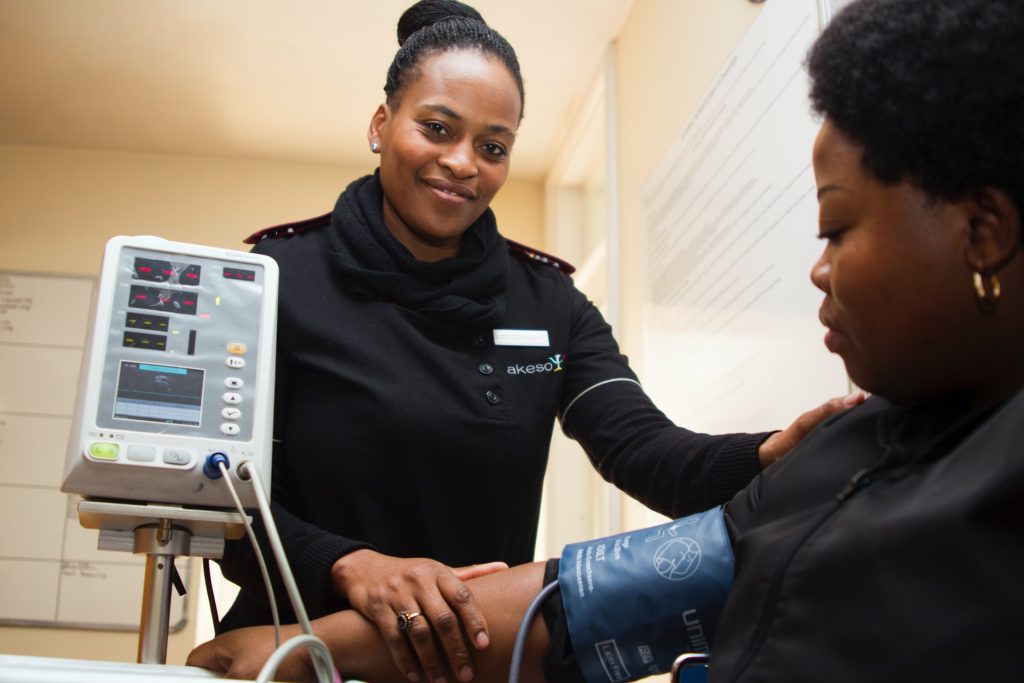
A randomised crossover trial found minimal difference between blood pressure (BP) readings obtained in public spaces versus those taken in private offices. These findings suggest that public spaces can be an acceptable setting for BP screenings, despite prior clinical guideline recommendations advising quiet settings for BP measurement. The results are published in Annals of Internal Medicine.   

Researchers from Johns Hopkins University randomly assigned 108 adults in Baltimore, MD to  the order in which they had triplicate BP measurements in each of 3 settings: 1) private quiet office (private quiet [reference]); 2) noisy public space (public loud); and 3) noisy public space plus earplugs  (public quiet) to evaluate the effect of noise and public environment on BP readings. The primary outcomes were differences between the mean BPs obtained in each public setting with those obtained in the private setting. The average noise level in the private quiet setting was 37 decibels (dB) and the average noise level in the public setting was 74dB.

In the private quiet setting, the average systolic BP (SBP) and diastolic BP (DBP) were 128.9 and 74.2mmHg, respectively. In the public loud setting, the mean SBP and DBP were 128.3 and 75.9mmHg and in the public quiet setting, the mean SBP and DPB were 129.0 and 75.7mmHg. The results indicate that the differences in BP readings in public, loud spaces versus the clinically recommended setting of a private office are small and not clinically significant. The researchers say these results support the implementation of mass hypertension-screening programs in settings including supermarkets, places of worship and schools.   

Source: EurekAlert!

Radiology’s Role in Managing Pain in Cancer Patients

SCP – Dr Winter performing a CT-guided interventional procedure

World Cancer Day, observed every 4 February, aims to raise awareness about cancer, encourage prevention and look at ways of improving a cancer patient’s quality of life. Interventional radiology plays a significant role in pain management for cancer patients.

Traditionally, radiology was used for diagnosing the cause of the pain but interventional radiology has changed this paradigm. Since American radiologist Charles Dotter, first used a guidewire and catheter to perform an interventional procedure in 1964, radiologists have become actively involved in intervention, including interventions for pain management. Today, many minimally invasive procedures are routinely performed in busy radiology departments.

Dr Arthur Winter, a radiologist at SCP Radiology says, ‘Interventional radiology has developed rapidly. Pain management procedures are becoming a daily part of busy radiology departments and play a crucial role in managing pain for cancer patients.

‘Cancer-related pain can be a significant burden, affecting patients’ quality of life and hindering their ability to carry out daily activities,’ says Dr Winter. ‘Radiology offers various techniques and treatments that help alleviate this pain effectively. These therapeutic interventions in pain management include image-guided interventional radiology procedures and radiation therapy.’

Understanding pain

Pain is a signal from the nervous system to let you know that something is wrong in your body. It is transmitted in a complex interaction between specialised nerves, the spinal cord and the brain. It can take many forms, be localised to one part of the body or appear to be widespread.

The nature of cancer pain

Cancer pain can arise from multiple sources, including the tumour itself, which may invade or compress surrounding tissues, organs or nerves. Metastases, the spread of cancer to other parts of the body, can also cause significant pain. Additionally, pain can result from the treatment of cancer, such as chemotherapy and radiation therapy.

Multidisciplinary approach to pain management

Effective pain management for cancer patients requires a comprehensive, multidisciplinary approach. Oncologists, radiologists, pain specialists and other healthcare providers collaborate to develop individualised care plans. Radiology is essential in both the diagnostic and therapeutic phases of this process, providing crucial insights and treatment options.

These personalised care plans, tailored to each patient’s needs, ensure:

  • Accurate diagnosis and identification of pain source or sources
  • Targeted and effective treatment interventions
  • Ongoing monitoring and adjustment of pain management strategies

Imaging techniques

Diagnostic radiology initially uses various imaging techniques to identify the source and extent of pain in cancer patients. These techniques include: X-rays, CT scans, MRI, PET scans and ultrasound.

By identifying the precise location and cause of pain, radiology can help:

  • Determine the most appropriate interventions, such as surgery, radiation therapy or minimally invasive interventional procedures
  • Monitor the effectiveness of pain management strategies and make necessary adjustments
  • Avoid unnecessary treatments that may not address the underlying cause of pain

Interventional radiology

Interventional radiology uses minimally invasive techniques to diagnose and treat various conditions and, for cancer patients experiencing pain, it offers several effective treatments:

  • Radiofrequency ablation (RFA): This uses heat, generated by radiofrequency energy to destroy cancerous tissues – often to treat painful bone metastases or tumours that are difficult to reach surgically
  • Cryoablation: Involves freezing cancerous tissues to destroy them. It is particularly useful for treating painful bone or soft tissue tumours, providing rapid pain relief
  • Nerve blocks: Involve the injection of anaesthetic agents or steroids near specific nerves to block pain signals. They can provide significant pain relief for patients with nerve-related pain

Palliative radiation therapy

In this instance, radiologists are involved with planning imaging only. The actual radiotherapy is performed by the radiation therapist, who works under the supervision of a radiation oncologist. Palliative radiation therapy is specifically designed to relieve symptoms and improve the quality of life for cancer patients. It focuses on pain control and symptom management rather than curing the disease.

Radiation oncologists deliver targeted doses of radiation to cancerous tissues, this palliative radiation therapy can help:

  • Reduce tumour size, alleviating pressure on surrounding tissues and nerves
  • Control bleeding or ulceration caused by tumours
  • Provide rapid pain relief, often within days to weeks of treatment

Improving quality of life

Dr Winter highlights that chronic pain can significantly diminish quality of life and contribute to depression, particularly in patients with underlying cancer. ‘These patients, in particular, should be considered for interventional procedures. For instance, there are highly effective treatments available to manage pain associated with pancreatic and pelvic cancers’.

‘Specialists, such as oncologists and neurologists, acknowledge the significant role of interventional radiology in pain management and collaborate closely with us to support their patients. As a rapidly advancing branch of radiology, it provides minimally invasive solutions and it is incredibly rewarding to witness patients regain their quality of life through effective symptom relief.’

MMBCh Tops Applications as Wits University Welcomes First-year Students for 2025

Photo by Element5 Digital on Unsplash

Among the 85 000 undergraduate applications for 2025 Wits received for 2025, the single most-applied for degree was for the Bachelor of Medicine and Bachelor of Surgery (MBBCh). Of these applications, the university could only register around 6000 first-year students. These students represent the best of the best, earning their place in one of Africa’s most competitive academic environments, with an average of over five distinctions per student in their matric results.

From KZN, Glenwood High School’s Brydyn Le’Jean Barnabas, who was offered a place to study MBBCh, says, “I’ve been hearing from friends and family that this is such a prestigious university. It’s not only backed by impressive statistics but also has a rich culture and heritage, having been around for decades. Compared to other universities, it’s truly a privilege to be here. When I received my acceptance letter, my heart dropped – not just with joy but with  gratitude for this opportunity.”

Bachelor of Pharmacy was also a popular degree, coming in at the fifth most applied-for.

Recent enrolment trend assessments indicate that the majority of students offered a place at Wits have achieved an Admission Point Score (APS) exceeding 30, with most scoring 34 or higher. The minimum APS required for degree programmes at Wits is 30, making entry into the university a significant accomplishment.

Wits continues to uphold its reputation as a hub for academic excellence and innovation, attracting top-performing students from across the country and the continent. The university remains committed to nurturing the next generation of leaders, thinkers, and innovators.

For more information about the experiences of first-year students and why they chose Wits, read more here: Wits News.

Preterm Babies Receive Insufficient Pain Management

Photo by Hush Naidoo on Unsplash

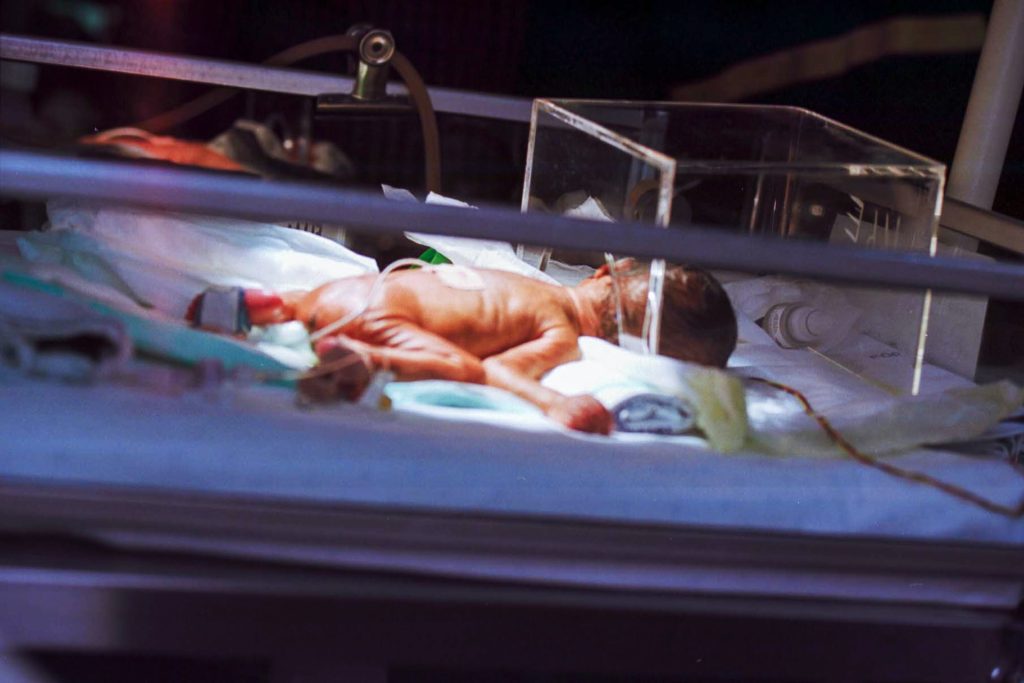
A large proportion of babies born very early need intensive care, which can be painful. But the healthcare system fails to provide pain relief to the full extent. This is shown by the largest survey to date of pain in neonatal care, now published in the journal Pain.

Every day for 4.5 years, neonatal care staff have recorded the occurrence of pain, the causes of pain, and how pain is assessed and treated in premature babies in Sweden. The study covers 3686 babies born between 22 and 31 weeks of gestation from 2020 to 2024. The total observation time was just over 185 000 days of care. Data were collected in the Swedish Neonatal Quality register.

In the evaluation of the register data, the researchers found that babies born extremely early, in weeks 22 to 23, had the highest proportion of painful medical conditions and almost daily painful intensive care procedures throughout the first month after birth. However, this is not surprising.

“There is a strong correlation between acute morbidity and being born very early. The earlier a baby is born, the more intensive care it needs. Intensive care involves procedures that can be painful, such as ventilator treatment, tube feeding, insertion of catheters into blood vessels and surgical procedures. It also requires various tests and investigations that may involve pain,” says Mikael Norman, professor of paediatrics at the Department of Clinical Science, Intervention and Technology, Karolinska Institutet, and lead researcher of the study.

90 percent of the most extremely preterm infants had to undergo painful procedures. Despite this, healthcare professionals reported that only 45 percent of babies experienced pain – which may be because pain was largely prevented or treated. However, a check of the  drugs administered suggests other explanations may exist.

“Somewhat surprisingly, the smallest babies who were most exposed to pain had the lowest proportion of treatment with morphine. This may be a case of undertreatment,” says Mikael Norman.

Could not determine duration of pain

One limitation is that the study could not determine the duration or severity of pain for each day reported.

“The caregivers only answered yes or no to the question of whether the infant had experienced any pain in the last 24 hours. This could range from short-term, so-called procedural pain from for example a needle prick during a test to more continuous pain due to various medical conditions.

“Much is done to alleviate pain in babies. No child in neonatal care is left with severe pain untreated,” he continues.

However, it is a problem and a challenge that healthcare professionals are not always able to determine whether children are in pain.

“This involves developing better rating scales or physiological techniques to measure pain. Better pain treatments are also needed, perhaps with combinations of drugs with less risk of side effects,” says Dr Norman.

It is very important to improve pain management for premature babies, as we now know that their development is negatively affected by the strong signals in the brain that pain causes.

“The vision for all neonatal care is to be pain-free. The results of this survey will be of great importance for improving neonatal care and for future research in the field,” concludes Mikael Norman.

Source: Karolinska Institutet

Community Health Workers must be Made Permanent, Rules Labour Court

Photo by Tingey Injury Law Firm on Unsplash

By Tania Broughton

The Johannesburg Labour Court has ruled that community health workers, who for years have been employed by the health department on recurring fixed-term contracts, must be deemed permanent government employees.

The National Health and Allied Workers Union (NEHAWU), on behalf of its members, has successfully overturned a previous bargaining council ruling that the temporary contracts were legal.

There are an estimated 50,000 community health workers. The recurring fixed-term contracts left them without job security and other benefits of permanent employment.

Read the judgment here

The issue was first ventilated before the Public Health and Social Development Sectoral Bargaining Council in 2021. The commissioner found that the contracts were permitted by the Public Service Act, were concluded through collective agreements with unions, and were justified in terms of the Labour Relations Act (LRA) as they were funded by an “external source for a limited period” – the National Treasury.

NEHAWU took the ruling on review. The matter was argued before Johannesburg Labour Court Acting Judge Ashley Cook in October last year. He handed down his ruling on 23 January 2025, overturning the bargaining council’s findings.

On the issue of “external funding” – the legal justification in the LRA for fixing the contract terms – Judge Cook said the department had correctly submitted that it was not disputed that the funding for the employment of the community health workers was a conditional grant approved by national treasury on an annual basis.

“However, what was in dispute was whether the conditional grant was from an external source. The department receives all revenue from the National Treasury,” Judge Cook said.

As funding for all public servants was sourced from the Treasury, this meant that it was not an “external source”, and therefore the department could not rely on it as a “justifiable reason” to deviate from the provisions of the LRA.

The contracts of the community health workers were therefore, in terms of the Act, deemed to be of an “indefinite duration”, the judge said, setting aside the arbitration award.

He made no order as to costs.

NEHAWU welcomed the ruling. In a statement, it said community health workers had been on perennial contractual renewals without a clear explanation from the Department of Health.

“The court determined that it is common cause to all parties that there is a permanent need for the work tendered by community health workers as conceded by the counsel for the state.”

The union said it would continue to fight for the “permanent absorption” of all the workers and would be meeting with its members to advise on how it would ensure the implementation of the judgment.

Republished from GroundUp under a Creative Commons Attribution-NoDerivatives 4.0 International License.

Read the original article here.

Empowering At-Risk Communities Through Technology: Lessons for South Africa

By Henry Adams, Country Manager at InterSystems South Africa

In the healthcare sector, when people “fall through the cracks,” it often reveals deeper systemic issues: unmet health and social care needs. Vulnerable communities across the globe face these challenges, and traditional healthcare systems often struggle to bridge gaps in access to care.

A notable example of how collaboration and engagement technology can drive meaningful change in healthcare comes from Trust, formerly Harmony Health. By leveraging data, community networks, and established relationships, they illustrate how building trust can effectively close critical gaps in access to care. Their approach highlights the potential of combining technology and community engagement to reshape the delivery of health and social services.

Addressing a Crisis and Building a Solution

The COVID-19 pandemic, especially during its second wave, highlighted stark inequities in healthcare access. In the United States, during the pandemic’s second wave, vaccination efforts in underserved communities were hindered by mistrust. Health plans and government bodies struggled to reach people effectively. Recognising this failure, Trust developed a new approach centred around trust and the power of local, community-based organisations (CBOs).

Trust’s model focused on empowering trusted local figures – community health workers, faith-based leaders, and volunteers – with advanced technology. These figures already had deep, established relationships with the people they served, and the technology amplified their impact. Using a sophisticated app that supports text messaging, content sharing, and real-time language translation, CBOs could communicate effectively in over 100 languages. This approach personalised engagement using analytics and artificial intelligence (AI), ensuring each individual’s experience was meaningful and impactful.

The Power of Community Trust

The app’s success lies in its simplicity on the surface and its complexity behind the scenes. Community leaders used it to deliver critical health messages, monitor needs, and organise services. Starting as a vaccine outreach project, the model evolved to address broader issues, such as food security, mental health, and preventive health screenings. The result was a ripple effect: nearly 1.8 million people connected through a growing network of nearly 100 CBOs.

By receiving messages from known and trusted sources, community members were more responsive. Engagement rates rose by 35% to 40%, proving that trust and cultural relevance are fundamental to effective healthcare communication. This initiative transformed fragmented efforts into a cohesive, data-driven ecosystem of care, making a tangible difference in the lives of millions.

A Blueprint for South Africa

The challenges faced in underserved communities in the United States resonate deeply with South Africa’s own healthcare landscape. Here, systemic barriers, resource limitations, and deep-seated mistrust also hinder efforts to provide equitable healthcare. However, the model pioneered by Trust provides a compelling blueprint for South Africa. By empowering local organisations and community leaders with the right technology, we can bridge critical gaps in our healthcare system.

Imagine a scenario where CBOs in South Africa—organisations focused on community health, food security, or mental wellness—could leverage similar technology to connect with individuals in multiple languages, provide real-time support, and ensure critical health and social needs are met. The potential for impact is enormous, particularly in rural and underserved urban areas where traditional healthcare systems struggle to keep up with demand.

Interoperability and Scalability in a South African Context

A core strength of the solution lies in Trust’s use of InterSystems IRIS for Health, which enables seamless integration of data collected from every interaction into electronic health records and government systems. This ensures continuity of care and streamlines processes, from enrolling uninsured individuals to improving access to preventive services. In South Africa, where healthcare data often sits in silos, a similar system could break down barriers, making healthcare more efficient and comprehensive.

The model’s scalability is crucial for addressing the needs of South Africa’s diverse and expansive population. By connecting disparate systems and enabling CBOs to work together, the approach creates a support network that adapts and grows based on the needs of each community. Whether it’s addressing food insecurity, supporting maternal health, or connecting individuals to mental health resources, the technology ensures that no one is left behind.

Beyond Fragmented Healthcare in South Africa

Trust’s success in the United States demonstrates that technology when combined with the power of community trust, can transform healthcare delivery. South Africa has the opportunity to adapt and implement similar solutions, leveraging local networks and cultural dynamics to address unmet needs.

By investing in scalable, data-driven technology and empowering local organisations, we can close the gaps in our healthcare system and ensure that more people receive the care and support they deserve. Healthcare in South Africa doesn’t have to remain fragmented. With the right approach, we can build a more connected, equitable, and responsive healthcare system.

Sound Also Disrupts Balance in People with Vestibular Hypofunction

Photo by Dylann Hendricks on Unsplash

Visual information has long been proven to affect balance – for example, strobe lights and swirling images can cause instability – but a new study published in PLOS ONE shows that sounds can also be a disruptive factor for those who have vestibular hypofunction, a vestibular system disorder resulting in impaired balance.

“People with vestibular hypofunction have difficulty in places like busy streets or train stations where the overwhelming visual information may cause them to lose balance or be anxious or dizzy,” says lead author Anat Lubetzky, associate professor of physical therapy at NYU Steinhardt School of Culture, Education, and Human Development. “Sounds are not typically considered during physical therapy, making our findings particularly relevant for future interventions.”

The researchers conducted an experiment with 61 participants divided into two groups: healthy controls and individuals with unilateral vestibular hypofunction (affecting one ear).

Participants wore a virtual reality headset that simulated the experience of being in a New York City subway. As they experienced the sights and sounds of the “subway,” they stood on a platform that measured their body movement, while the headset recorded their head movement, two indicators of balance known as sway. Participants were provided with different subway scenarios: static or moving visuals paired with silence, white noise, or recorded subway sounds.

The results revealed that for the group with vestibular hypofunction, the moving visuals accompanied by audio (either white noise or subway sounds) resulted in the greatest amount of sway. This sway was evident on the body’s forward and backward movements, as well as head movements left to right, and head tilts upward and downward. Audio conditions did not affect the balance of the healthy individuals.

“What we’ve learned is that sound should be included as part of both the assessment of balance and intervention programs,” says Lubetzky.  “Because balance training is known to be task-specific, ideally, these should be real sounds related to patients’ typical environments and combined with salient and increasingly challenging visual cues. Portable virtual headsets are a promising tool for both assessing and treating balance problems.”

Source: New York University

HASA Launches NHI Legal Challenge

Photo by Bill Oxford on Unsplash

The Hospital Association of South Africa (HASA) remains unequivocally committed to working with all stakeholders to build a healthcare system that sustainably benefits all citizens of South Africa and urges all involved parties to engage in a solution-oriented approach.

HASA believes the National Health Insurance is neither sustainable nor affordable and that dialogue and collaboration between all stakeholders is critical to finding and developing solutions to achieve universal health coverage. 

HASA has thus far deferred filing a legal challenge to the NHI Act as it firmly believes that sustainable and affordable solutions, to achieve universal health coverage for all South Africans, are within reach. However, the government’s lack of response to several constructive and practical proposals, including those of Business Unity South Africa (BUSA), and the Minister of Health’s recent public statements concerning the NHI, including regarding the imminent publication of NHI regulations, have necessitated that HASA move forward with its legal challenge to the NHI legislation. 

Even though HASA has decided to proceed with legal action, it remains hopeful that the Presidency will respond positively to the constructive proposals that have been made. 

HASA remains open to engaging with the Government on the way forward in parallel to the legal process. Reiterating the time-critical nature of the matter, Melanie Da Costa, Chairperson of HASA, today said, “We remain firmly committed to participating constructively while the legal process unfolds. As an organisation, we have always preferred to resolve matters through dialogue, and we believe that effective healthcare solutions are urgently needed and achievable through a reasonable and collaborative approach.” 

Researchers Map the Brain’s Self-healing Abilities after Stroke

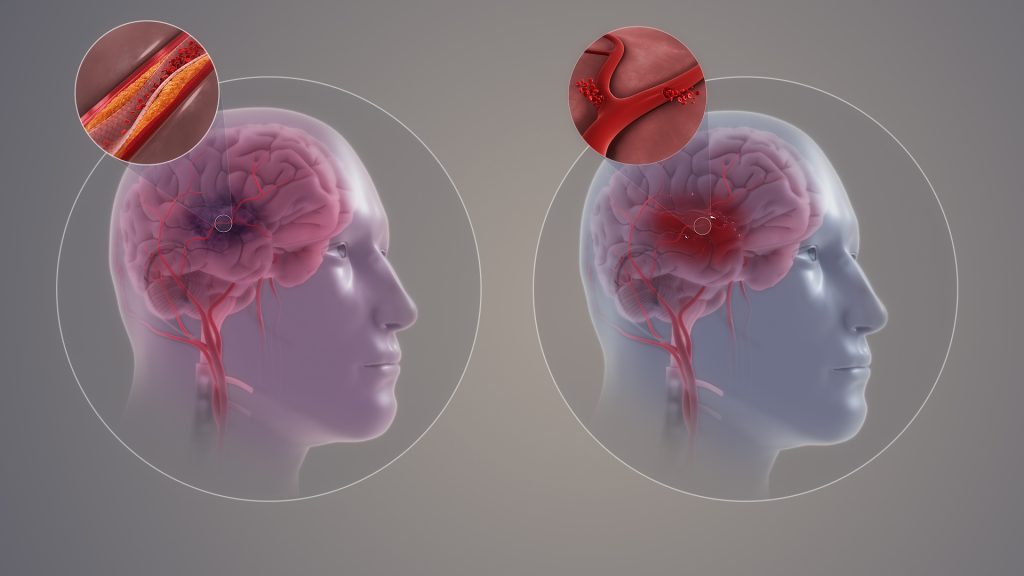
Ischaemic and haemorrhagic stroke. Credit: Scientific Animations CC4.0

A new study by researchers at the Department of Molecular Medicine at SDU sheds light on one of the most severe consequences of stroke: damage to nerve fibres – the brain’s “cables” – which leads to permanent impairments. The study, which is published in the Journal of Pathology, used unique tissue samples from Denmark’s Brain Bank located at SDU, may pave the way for new treatments that help the brain repair itself.

The brain tries to repair damage

Following an injury, the brain tries to repair the damaged nerve fibres by re-establishing their insulating myelin sheaths. Unfortunately, the repair process often succeeds only partially, meaning many patients experience lasting damage to their physical and mental functions. According to Professor Kate Lykke Lambertsen, one of the study’s lead authors, the brain has the resources to repair itself. “We need to find ways to help the cells complete their work, even under difficult conditions,” Prof Lykke said.

The researchers have thus focused on how inflammatory conditions hinder the rebuilding. The study has identified a particular type of cell in the brain that plays a key role in this process. These cells work to rebuild myelin, but inflammatory conditions often block their efforts.

How researchers used the brain collection

-Using the brain collection, we can precisely map which areas of the brain are most active in the repair process, explains Professor Kate Lykke Lambertsen.

This mapping has enabled researchers to analyse tissue samples from Denmark’s Brain Bank and gain a deeper understanding of the mechanisms that control the brain’s ability to heal itself.

Through advanced staining techniques, known as immunohistochemistry, the researchers have been able to detect specific cells that play a central role in the reconstruction of myelin in the damaged areas of the brain.

The samples were analysed to distinguish between different areas of the brain, including the infarct core (the most damaged area), the peri-infarct area (surrounding tissue where rebuilding is active), and tissue that appears unaffected.

The analysis provided insight into where repair cells accumulate and how their activity varies depending on gender and time since the stroke.

Women and men react differently

An interesting discovery in the study is that women’s and men’s brains react differently to injuries.

-The differences underscore the importance of future treatments being more targeted and taking into account the patient’s gender and individual needs, says Kate Lykke Lambertsen.

In women, it seems that inflammatory conditions can prevent cells from repairing damage, while men have a slightly better ability to initiate the repair process. This difference may explain why women often experience greater difficulties after a stroke.

The brain collection at SDU is key to progress

The researchers behind the study emphasise that the discoveries could not have been made without the Danish Brain Bank at SDU. The collection consists of tissue samples from humans, used to understand brain diseases at a detailed level.

With access to this resource, researchers can investigate the mechanisms behind diseases like stroke and develop new treatment strategies.

Source: University of Southern Denmark Faculty of Health Sciences