Author: ModernMedia

Helping our Nation’s Healthcare Workers Deliver More Accessible Healthcare
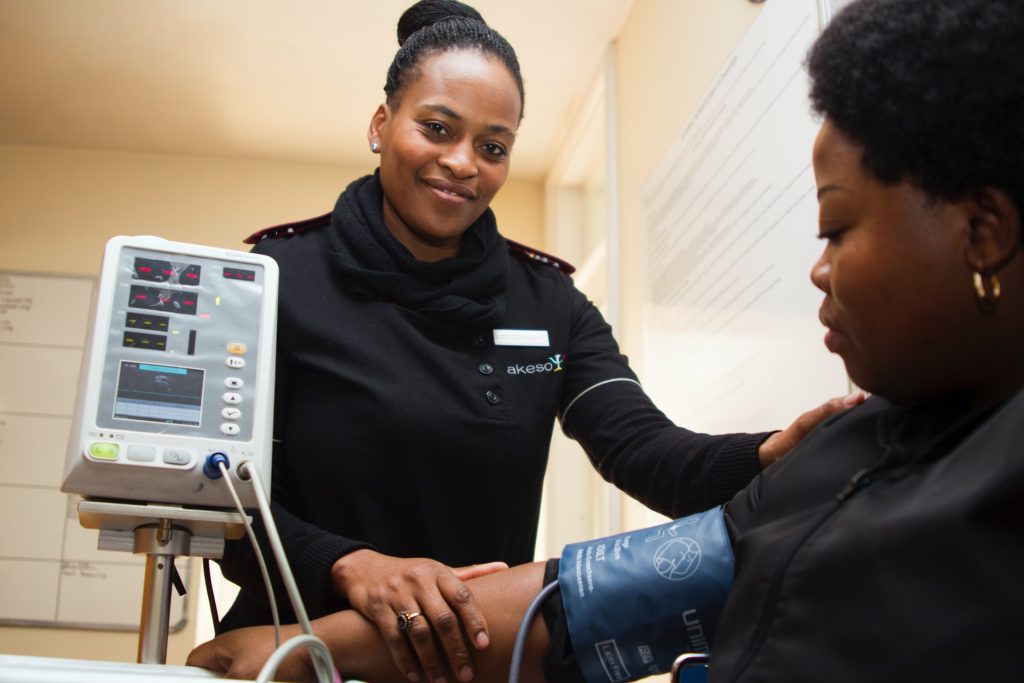
Photo by Hush Naidoo on Unsplash

By Damian McHugh, Chief Marketing Officer, Momentum Health

In his 2025 Budget Speech on 21 May, Finance Minister Enoch Godongwana reaffirmed government’s commitment to strengthening South Africa’s healthcare system, announcing a R20.8 billion boost to provincial health budgets. This includes hiring 800 post-community service doctors, addressing shortages of essential goods and services, and settling unpaid obligations.

While this is a welcome step toward easing pressure on healthcare workers, especially in underserved areas, it also presents a vital opportunity for public-private collaboration. The question now is whether this investment will be enough to tackle the deeper, systemic challenges facing our healthcare workforce and infrastructure.

In the ever-evolving landscape of healthcare in South Africa, the rising demand for healthcare services, coupled with a shortage of skilled workers, creates a complex challenge. There is an urgent need to not only support but also empower healthcare workers across the country.

According to the World Health Organisation (WHO), the shortage of skilled health professionals in South Africa is projected to be 97 000 by 20251. This challenge not only disrupts the delivery of quality care but also impacts the overall wellbeing of communities. As advocates for more accessible healthcare for more South Africans, we believe that innovative solutions are key to closing the gap, valuing and retaining current talent, and by doing so, edging us closer towards a healthier nation.

The growing need for healthcare workers is largely driven by factors such as our aging population, increased prevalence of chronic disease, and an uneven distribution of healthcare workers across provinces, with rural areas being particularly underserved2 . In these areas, patients often experience long wait times and reduced access to specialised care. Additionally, healthcare professionals across provinces often face burnout and job dissatisfaction due to excessive workloads and inadequate support. Together, these challenges add pressure to an already strained system.

Embracing Greater Collaboration and Innovation

To address local needs and support healthcare professionals in delivering quality services, a multi-faceted approach is necessary. The first step is greater collaboration between the public and private sectors. These partnerships can address systemic challenges and drive meaningful improvements, thus strengthening infrastructure and expanding affordable health insurance.

In recent years, technology has emerged with strong promise to bridge various divides. We’ve seen first-hand through our Hello Doctor offering and Momentum App how technologies such as telemedicine and emerging technology can enhance care delivery, efficiency and accessibility. These technologies can bridge geographical barriers, enabling healthcare professionals to provide remote consultations, monitor patient progress and access critical health information in real-time.

Building on the promise of technology, emerging technologies like AI can play a significant role in aiding healthcare professionals with decision-making, diagnostics, and patient management. AI-powered solutions can analyse vast amounts of data quickly, identify patterns, and provide recommendations to support evidence-based care. This can lead to more accurate diagnoses, personalised treatment plans, and improved patient outcomes.

Building a Sustainable Workforce

South Africa’s healthcare sector is one of the most stressful in the world, with the public sector particularly under severe strain. Staffing shortages exacerbate this stress, and so supporting healthcare professionals in their roles is just as important as implementing innovative technologies. Fostering a positive work environment and ensuring job satisfaction are key focus areas to improving care delivery. A supportive workplace culture not only enhances employee retention but also promotes better patient outcomes.

Prioritising Mental Health and Wellness

In addition to structural and technological improvements, we must also recognise the critical role of mental health and wellness in sustaining our healthcare workforce. Chronic stress, emotional fatigue, and trauma exposure are daily realities for many healthcare workers. Without adequate mental health support, these pressures lead to burnout, absenteeism, and crippling fatigue.

In recent years, it has become clear that wellness extends beyond physical health. As a result, a visible shift has occurred across the healthcare sector to provide wellness solutions that offer counselling services, resilience training, and mindfulness programmes tailored to the unique challenges faced by healthcare professionals. By embedding mental wellness into the core of workforce support strategies, we not only protect the individuals who care for our nation but also enhance the quality and consistency of the care they provide.

Retaining healthcare professionals is not only critical to the future of healthcare delivery in South Africa, but also to the future health of its people. Healthcare institutions must implement proactive strategies that prioritise the wellbeing of their staff.

Bridging the healthcare workforce gap in South Africa requires investing in innovation, training, and supportive work environments. Building a sustainable healthcare workforce capable of meeting the needs of our nation will take our collective effort to support and empower the sector. Together, we can create a healthier South Africa for generations to come.


Webinar: Navigating the New HPCSA Booklet 19: The Ethics of Billing | 2 CPD Points

The healthcare sector is most effective when all stakeholders behave professionally and uphold ethical principles. Unethical practices are evident when stakeholders violate moral principles, ethical practices and organisational standards resulting in reduced productivity, decreased patient outcomes, increased patient risk and cost, fraud, and wastage.

Ethical practice is however linked to cultural values, context and workplace norms. As such, what may be viewed as unethical in one situation could be viewed as ethical practice in another. Unethical behaviour may therefore be unintentional and hence the importance of having clear guidelines on how to act in specific situations.

During this recorded webinar, healthcare providers will review the newly released HPCSA Booklet 19: Guidelines for Health Practitioners on Matters Relating to Ethical Billing Practices where the pertinent South African laws and basic principles around ethical billing practices are laid out. The live audience had an opportunity to engage with faculty who offered a clinical (Dr Simon Strachan, paediatrician in private practice and CEO of South African Private Practitioners Forum), legal (Deniro Pillay, Norton Rose Fulbright Admitted Attorney in the medical law and malpractice litigation sector), HPCSA (Mr Mpho Mbodi, HPCSA Head of Professional Practice division), medical malpractice insurance (Dr Hlombe Makuluma, EthiQal Medicolegal Advisor) perspective through short lectures, interactive case studies, a series of multiple choices questions (MCQs) and Q&A sessions.  

Healthcare professionals who watch this full webinar are entitled to claim 2 ethics CPD points. Instructions on how to claim points are covered in the webinar recording.

Watch the webinar at this link:  https://ethiqal.co.za/webinars/

Antibiotics Taken During Pregnancy May Reduce Preterm Births

Photo by SHVETS production

A study of almost 1000 pregnant women in Zimbabwe found that a daily dose of a commonly used, safe and inexpensive antibiotic may have led to fewer babies being born early. Among women living with HIV, those who received the antibiotic had larger babies who were less likely to be preterm.

One in four live-born infants worldwide is preterm (born at 37 weeks’ gestation or before), is small for gestational age, or has a low birth weight. The mortality rate for these small and vulnerable newborns is high, with prematurity now the leading cause of death among children younger than 5 years of age. Maternal infections and inflammation during pregnancy are linked to adverse birth outcomes, particularly for babies born to mothers living with HIV, who have a greater risk of being born too small or too soon. 

An international group of researchers, led by Professor Andrew Prendergast from Queen Mary University of London, and Bernard Chasekwa from the Zvitambo Institute for Maternal and Child Health Research in Zimbabwe, conducted the Cotrimoxazole for Mothers to Improve Birthweight in Infants (COMBI) randomised controlled trial, to examine whether prescribing pregnant women a daily dose of trimethoprim–sulfamethoxazole (a broad-spectrum antimicrobial agent with anti-inflammatory properties, widely used in sub-Saharan Africa) would result in heavier birth weights, decreased premature births, and better health outcomes for their babies.  

993 pregnant women were recruited from three antenatal clinics in Shurugwi, a district in central Zimbabwe, and received either 960 mg of the drug or a placebo daily. The participants received regular antenatal care during their pregnancies and data regarding their birth outcomes were recorded. 

The study, published in the New England Journal of Medicine, found that although birthweight did not differ significantly between the two groups, the trimethoprim–sulfamethoxazole group showed a 40% reduction in the proportion of preterm births, compared to the placebo group. Overall, 6.9% of mothers receiving the drug had babies born preterm, compared to 11.5% of mothers receiving the placebo, and no women receiving antibiotics had babies born prior to 28 weeks. For babies born to a small group of 131 women with HIV, the reduction in premature births was especially marked, with only 2% of births in the trimethoprim–sulfamethoxazole group preterm, as compared with 14% in the placebo group. Babies exposed to antibiotics during pregnancy also showed a 177 gram increase in their birth weight. 

Bernard Chasekwa, first author, said: “Our trial, conducted within routine antenatal care and enrolling women predominantly from rural areas, showed that trimethoprim-sulfamethoxazole did not improve birthweight, which was our main outcome. However, there was an intriguing suggestion that it may have improved the length of pregnancy and reduced the proportion of preterm births. We now need to repeat this trial in different settings around the world to see whether antibiotics during pregnancy can help reduce the risk of prematurity.”  

Source: Queen Mary University of London

Extensive Study Refutes the Notion that Statins Have Antidepressant Effect

Photo by Towfiqu Barbhuiya on Unsplash

Lipid-lowering medicines, known as statins, are prescribed in cases of high cholesterol levels, to reduce the risk of atherosclerosis, heart attack and stroke. The results of some small studies suggest that statins could also have an antidepressive effect. Researchers from Charité – Universitätsmedizin Berlin have now conducted an extensive study to investigate this claim. However, they could not verify that statins cause any additional antidepressive effects. As a result, the researchers suggest following the general guidelines and prescribing statins to help lower cholesterol, but not to manage depression. The study has now been published in JAMA Psychiatry.

Cholesterol-lowering drugs are the most commonly prescribed medicines globally. They have anti-inflammatory effects and lower the production of cholesterol in the liver, which in turn reduces the risk of developing cardiovascular diseases. In the past, numerous small studies have suggested that statins may also have antidepressive effects, alongside these more common properties. “If statins really did have this antidepressive effect, we could kill two birds with one stone,” says study leader Prof Christian Otte, Director of the Department of Psychiatry and Neurosciences on the Charité Campus Benjamin Franklin. “Depression and adiposity, or obesity, are among the most common medical conditions globally. And they actually often appear together: Those who are obese are at a higher risk of depression. In turn, those with depression are at a higher risk of obesity.” Obese patients often have higher cholesterol levels, so statins are administered to reduce the risk of cardiovascular diseases. But could they also alleviate depression?

An extensive, controlled study

Led by Christian Otte, the research team conducted a comprehensive study to investigate the potential antidepressive effects of statins that have been suggested. A total of 161 patients took part in the study, all of whom suffered from both depression and obesity. During the 12-week study, all participants were treated with a standard antidepressant (Escitalopram). Half of the participants also received a cholesterol-lowering drug (Simvastatin), while the other half were given a placebo. It was decided at random who would receive statins and who would be given the placebo – the recipients of each were unknown to both the medical team and the participants. This ensured a randomized and double-blind study that would produce reliable results. “This method should show us whether we can observe a stronger antidepressive effect among participants treated with statins, compared to those in the placebo group,” explains co-lead author Dr. Woo Ri Chae, Charité BIH Clinician Scientist at the Department of Psychiatry and Neurosciences.

The researchers used established clinical interviews and self-completed questionnaires to record the severity of depression in the patients at the beginning and end of the study. Blood samples were taken from the participants to determine their blood lipid levels and level of the C-reactive protein (CRP), which are known indicators of inflammatory processes in the body. “People with obesity and/or depression commonly exhibit slightly raised inflammatory markers in the blood. For some of those affected, this can actually be the cause of depression,” explains Christian Otte. “And this is precisely where we began with our hypothesis on the potential antidepressive effect of statins: If administering statins leads to an improvement in inflammatory markers, could this also possibly be accompanied by an antidepressive effect for some of the study participants?”

Traditional antidepressants remain the gold standard

At the beginning of the study, the participants ranged from moderately to severely depressed. Over the course of the 12-week study, the depression symptoms in all patients showed clear improvement – there was, however, no difference between those who received statins and those in the placebo group. “Administering the cholesterol-lowering drug improved blood lipid levels, as expected, and the inflammatory marker CRP also displayed a marked reduction,” says Woo Ri Chae. “So, unfortunately, this does not point to an additional antidepressive effect.” Christian Otte adds: “When it comes to treating depression, statins therefore have no additional benefit. To our present knowledge, traditional antidepressants remain the gold standard.” According to current guidelines, statins should be prescribed to reduce the risk of atherosclerosis and cardiovascular diseases. The researchers recommend that the same should naturally also apply for patients suffering from depression.

In further studies, Christian Otte’s team will conduct a more thorough analysis of the blood samples taken as part of this research on a cellular and molecular level, to reveal potential differences and correlations. The researchers are also continuing to work at full speed on improved strategies for treating patients with depression who also suffer from other conditions.

Scientists Uncover the Brain Mechanisms that Distinguish Imagination from Reality

Photo by Fakurian Design on Unsplash

Areas of the brain that help a person differentiate between what is real and what is imaginary have been uncovered in a new study led by UCL researchers. The research, published in Neuron, found that a region in the brain known as the fusiform gyrus – located behind one’s temples, on the underside of the brain’s temporal lobe – is involved in helping the brain to determine whether what we see is from the external world or generated by our imagination.

The researchers hope that their findings will increase understanding of the cognitive processes that go awry when someone has difficulty judging what is real and what is not, such as in schizophrenia, and could eventually lead to advancement in diagnosing and treating these conditions.

Lead author, Dr Nadine Dijkstra (Department of Imaging Neuroscience at UCL) said: “Imagine an apple in your mind’s eye as vividly as you can. During imagination, many of the same brain regions activate in the same manner as when you see a real apple. Until recently, it remained unclear how the brain distinguishes between these real and imagined experiences.”

For the study, researchers asked 26 participants to look at simple visual patterns while imagining them at the same time.

Specifically, participants were asked to look for a specific faint pattern within a noisy background on a screen and indicate whether the pattern was actually present or not. A real pattern was only presented half of the time.

At the same time, participants were also instructed to imagine a pattern that was either the same or different to the one they were looking for, and indicate how vivid their mental images were.

When the patterns were the same, and participants reported that their imagination was very vivid, they were more likely to say they saw a real pattern, even on trials in which nothing was presented. This means they mistook their mental images for reality.

While participants performed the tasks, their brain activity was monitored using functional magnetic resonance imaging (fMRI). This technology enabled the researchers to identify which parts of the brain showed patterns of activity that helped distinguish reality from imagination.

The team found that the strength of activity in the fusiform gyrus could predict whether people judged an experience as real or imagined, irrespective of whether it actually was real.

When activity in the fusiform gyrus was strong, people were more likely to indicate that the pattern was really there.

Usually, activation in the fusiform gyrus is weaker during imagination than during perception, which helps the brain keep the two apart. However, this study showed that sometimes when participants imagined very vividly, activation of the fusiform gyrus was very strong and participants confused their imagination for reality.

Senior author, Professor Steve Fleming (UCL Psychology & Language Sciences) said: “The brain activity in this area of visual cortex matched the predictions from a computer simulation on how the difference between internally and externally generated experience is determined.”

Dr Dijkstra added: “Our findings suggest that the brain uses the strength of sensory signals to distinguish between imagination and reality.”

The study also showed that the fusiform gyrus collaborates with other brain areas to help us decide what is real and what is imagined.

Specifically, activity in the anterior insula – a brain region in the prefrontal cortex (the front part of the brain that acts as a control centre for tasks such as decision making, problem solving and planning) – increased in line with activity in the fusiform gyrus when participants said something was real, even if it was in fact imagined.

Professor Fleming said: “These areas of the prefrontal cortex have previously been implicated in metacognition – the ability to think about our own minds. Our results indicate that the same brain areas are also involved in deciding what is real.”

These results offer new insights into what might go wrong in the brain during psychiatric conditions like schizophrenia where patients struggle keeping apart imagination and reality. The findings may also inform future virtual reality technologies by identifying how and when imagined experiences feel real.

Source: University College London

Statins May Reduce Mortality Risk by 39% for Patients with Septic Shock

Image from Rawpixel

Each year in the US alone, approximately 750 000 patients are hospitalised for sepsis, of which approximately 27% die. In about 15% of cases, sepsis worsens into septic shock, characterised by dangerously low blood pressure and reduced blood flow to tissues. The risk of death from septic shock is even higher, between 30% and 40%.

The earlier patients with sepsis are treated, the better their prospects. Typically, they receive antibiotics, intravenous fluids, and vasopressors to raise blood pressure. But now, a large cohort study in Frontiers in Immunology has shown for the first time that supplementary treatment with statins could boost their chances of survival.

“Our large, matched cohort study found that treatment with statins was associated with a 39% lower death rate for critically ill patients with sepsis, when measured over 28 days after hospital admission,” said Dr Caifeng Li, the study’s corresponding author and an associate professor at Tianjin Medical University General Hospital in China.

Statins are best known as a protective treatment against cardiovascular disease, which function by lowering ‘bad’ LDL cholesterol and triglycerides, and raising ‘good’ HDL cholesterol. But they have been shown to bring a plethora of further benefits, which explains the burgeoning interest in their use as a supplementary therapy for inflammatory disorders, including sepsis.

Not just lowering cholesterol

“Statins have anti-inflammatory, immunomodulatory, antioxidative, and antithrombotic properties. They may help mitigate excessive inflammatory response, restore endothelial function, and show potential antimicrobial activities,” said Li.

The authors sourced their data from the public Medical Information Mart for Intensive Care-IV (MIMIC-IV) database, which holds the anonymised e-health records of 265 000 patients admitted to the emergency department and the intensive care unit of the Beth Israel Deaconess Medical Center of Boston between 2008 and 2019. Only adults with a diagnosis of sepsis hospitalised for longer than 24 hours were included here.

The authors compared outcomes between patients who received or didn’t receive any statins during their stay besides standard of care, regardless of the type of statin. Unlike in randomised clinical trials, the allocation of treatments is not determined by random in observational studies like the present cohort study. This means that it is in principle hard to rule out that an unknown underlying variable affected allocation, for example if physicians unconsciously or on purpose were prone to give statins to those patients most likely to benefit from them.

However, Li and colleagues used a technique called ‘propensity score matching’ to minimize the risk of such bias: they built a statistical model to determine a likelihood score that a given patient would receive statins, based on their medical records, and then found a matching patient with a similar score, but who didn’t receive statins. In the final sample, 6070 critical patients received statins while another 6070 did not.

Source: Frontiers

Massive US Study Finds that ‘Race’ is a Poor Proxy for Genetic Ancestry

Photo by ROCKETMANN TEAM

Genetic ancestry is much more complicated than how people report their race and ethnicity. New research, using data from the National Institutes of Health’s (NIH) All of Us Research Program, finds that people who identify as being from the same race or ethnic group can have a wide range of genetic differences. The findings are reported June 5 in the American Journal of Human Genetics.

As doctors and researchers learn more about how genetic variants influence the incidence and course of human diseases, the study of genetic ancestry has become increasingly important. This research is driving the field of precision medicine, which aims to develop individualized healthcare.

People whose ancestors came from the same part of the world are likely to have inherited the same genetic variants, but self-identified race and ethnicity don’t tell the whole story about a person’s ancestors. NIH’s All of Us Research Program was created in part to address this puzzle and to learn more about how genetic ancestry influences human health.

In the current study, the investigators looked at the DNA of more than 230 000 people who have volunteered to share their health information for All of Us. They compared it to other large DNA projects from around the world using a technique called principal component analysis (PCA) to visualise population structure and help identify genetic similarity between individuals and groups of people. This analysis showed that people in the US have very mixed ancestry, and their DNA doesn’t always match the race or ethnicity they write on forms. Instead of falling into clear groups based on race or ethnicity, people’s genetic backgrounds show gradients of variation across different US regions and states.

This is especially significant for people who identify as being of Hispanic or Latino origin. These people have a wide-ranging blend of ancestries from European, Native American, and African groups. Importantly, genetic ancestry among these people varies across the US in part because of historic migration patterns. For example, Hispanics/Latinos in the Northeast are more likely to have Caribbean (and thus African) ancestry, and those in the Southwest are more likely to have Mexican and Central American (and thus Native American) ancestry.

One specific discovery was that ancestry was significantly associated with body mass index (BMI) and height, even after adjusting for socio-economic differences. For example, West and Central African ancestries were associated with higher BMI, whereas East Africa ancestry was associated with lower BMI. There were similar findings showing that people with ancestral origins from different parts of Europe have different body measurements including height, with northern European ancestry associated with greater height and southern European ancestry associated with shorter height. This suggests that subcontinental differences in ancestry can have opposite effects on biological traits and diseases.

This finding suggests that the subcontinental differences in ancestry between individuals can have opposite effects on biological traits, diseases, and health outcomes, emphasising the importance of not classifying individuals into broad ancestry groups such as African, European, or Asian. Doing this will help to make this research more accurate and will help to improve the field of precision medicine.

Source: Cell Press via EurekAlert!

Experimental Analgesic Could Match Opioids Efficacy – Without the High 

Photo by Louis Reed on Unsplash

An experimental drug developed at Duke University School of Medicine could offer powerful pain relief without the dangerous side effects of opioids.

Called SBI-810, the drug is part of a new generation of compounds designed to target a receptor on the nerves and spinal cord. While opioids flood multiple cellular pathways indiscriminately, SBI-810 takes a more focused approach, activating only a specific pain-relief pathway that avoids the euphoric “high” linked to addiction.

In tests in mice, SBI-810 worked well on its own and, when used in combination, made opioids more effective at lower doses, according to the study published in Cell.

“What makes this compound exciting is that it is both analgesic and non-opioid,” said senior study author Ru-Rong Ji, PhD, an anaesthesiology and neurobiology researcher who directs the Duke Anesthesiology Center for Translational Pain Medicine.

Even more encouraging: it prevented common side effects like constipation and buildup of tolerance, which often forces patients to need stronger and more frequent doses of opioids over time.

SBI-810 is in early development, but Duke researchers are aiming for human trials soon and have secured multiple patents for the discovery.

There’s an urgent need for non-opioid pain relievers. Researchers said the drug could be a safer option for treating both short-term and chronic pain for those recovering from surgery or living with diabetic nerve pain.

SBI-810 is designed to target the brain receptor neurotensin receptor 1. Using a method known as biased agonism, it switches on a specific signal – β-arrestin-2 – linked to pain relief, while avoiding other signals that can cause side effects or addiction.

“The receptor is expressed on sensory neurons and the brain and spinal cord,” Ji said. “It’s a promising target for treating acute and chronic pain.”

SBI-810 effectively relieved pain from surgical incisions, bone fractures, and nerve injuries better than some existing painkillers. When injected in mice, it reduced signs of spontaneous discomfort, such as guarding and facial grimacing.

Duke scientists compared SBI-810 to oliceridine, a newer type of opioid used in hospitals, and found SBI-810 worked better in some situations, with fewer signs of distress.

Unlike opioids like morphine, SBI-810 didn’t cause tolerance after repeated use. It also outperformed gabapentin, a common drug for nerve pain, and didn’t cause sedation or memory problems, which are often seen with gabapentin.

Researchers said the compound’s dual action – on both the peripheral and central nervous systems– could offer a new kind of balance in pain medicine: powerful enough to work, yet specific enough to avoid harm.

Source: Duke University

Protecting People, Preserving Trust: Why Risk Management is Critical in SA Healthcare

Photo by cottonbro studio

What happens when trust – the cornerstone of healthcare – is broken? In South Africa, the answer is increasingly found in litigation. As medical malpractice claims soar and public confidence in health systems teeters, the call for urgent reform is unmistakable. At the centre of this complex issue lies a simple truth: Risk is inevitable but unmanaged risk is unforgivable.

Leandren Naidoo, Manager of Business Risk Solutions at OLEA South Africa, says, “Medical malpractice is more than a legal matter, it’s a profound rupture in the sacred relationship between healthcare providers and patients. At its core, it is about harm – physical, psychological and often, emotional. But it is also about dignity. Neuroscientific studies show that psychological injury registers in the brain in much the same way as physical harm. Yet, while a physical injury may receive swift attention, a bruised sense of dignity can linger and fester indefinitely.

Leandren Naidoo, Manager of Business Risk Solutions, OLEA South Africa.

“The perceived violation of dignity can fuel resentment, prolong trauma and, ultimately, drive patients to seek justice in courtrooms rather than consulting rooms.”

What is driving the rise in malpractice claims?

Across the globe, medical malpractice claims are on the rise.  In South Africa in 2023 a parliamentary report revealed that medico-legal claims, against the state, exceeded R78 billion, nearly tripling over the past decade. In high-risk disciplines like obstetrics, claims have risen by over 25% annually.

He says, “several forces are converging to create this perfect storm. Greater public awareness of patient rights, aggressive legal marketing and the adoption of ‘no win, no fee’ legal models have all made it easier to pursue claims.”

So, what does medical malpractice incorporate?

Errors and omissions, care related injuries, misdiagnosis, incorrect dispensing or prescription of medication, unnecessary surgery or treatment and medical equipment related injuries.

Court or conversation: What works best for resolving claims?

Naidoo says, “despite perceptions of rampant litigation, most malpractice cases never reach court. An estimated 95% of claims are resolved before trial, often on the proverbial courthouse steps. The reasons are manifold. Overloaded dockets, lengthy trial timelines (often five to seven years) and soaring legal costs.

“But there’s a deeper problem, courtrooms aren’t designed to resolve emotional trauma. Patients often seek validation more than victory,” he says, “They want to be heard, not just compensated.”

Why is risk management more urgent than ever?

In an environment where claims are increasing by 3 to 4% annually and legal defence costs are rising by 6 to 8%, risk management is no longer optional, it’s essential. It’s the only true defence healthcare providers have against both reputational damage and financial ruin.

What does effective risk management look like in practice?

  1. Patient safety protocols: Clear procedures to minimise errors, from surgical checklists to medication audits.
  2. Staff training: Empowering healthcare professionals with up-to-date clinical and legal knowledge.
  3. Record-keeping: Robust documentation that supports clinical decisions and protects against unfounded claims.
  4. Communication strategies: Cultivating a culture of transparency, apology and early intervention.
  5. Insurance alignment: Ensuring cover matches exposure, taking into account both damages and escalating legal fees.

Practitioners and medical institutions need to assess their limit of indemnity carefully. “An obstetrician can pay up to R1.7 million annually in premiums. This isn’t just a cost, it’s a risk exposure that needs to be planned for.”

What are the highest-risk disciplines and the cost of getting it wrong?

While all medical professionals face some risk, certain specialties are far more vulnerable:

  • Obstetrics: Cerebral palsy claims can reach R48 million
  • Neurosurgery: Brain and spinal complications
  • Orthopaedics: Post-surgical disabilities
  • Emergency medicine: Delays or misdiagnosis

Average claim amounts range between R300 000 and R12 million. High-end cases, particularly involving children, can exceed R40 million. This is because claims, involving minors, extend the period of prescription until three years after they reach 18, significantly increasing potential compensation.

Can the right insurance really make a difference?

“Absolutely,” says Naidoo. “Medical malpractice indemnity insurance provides cover for the following: Arbitration costs, court judgement and awards made against the insure, expert legal fees and support, court costs, settlement costs and attorney’s (and mediation) fees.”

Insurance is not merely a financial product, it’s a strategic partnership. A good insurer doesn’t just pay claims, they help prevent them. At OLEA South Africa, for instance, brokers conduct detailed situational audits of healthcare institutions to assess operational risks.

“As brokers we advise which insurer will be the most effective for that particular institution or medical practitioner. It’s about education, not just insurance,” Naidoo explains. “We want to develop a system and environment where malpractice is unlikely. But, if it does happen, the tools must be available to resolve it constructively.”

Is the media making things worse?

Yes and no.  On the one hand, media coverage of high-profile cases has increased accountability. On the other, it has inflated public expectations. Patients increasingly equate any adverse outcome with negligence, leading to an uptick in opportunistic claims.

Moreover, the rise of “ambulance chasing” has introduced a dangerous incentive structure. In 2024 alone, the SIU flagged over 2 800 suspicious malpractice cases, many driven by legal marketing, rather than genuine harm.

This places additional pressure on doctors, who may resort to defensive medicine, ordering unnecessary tests, referrals or procedures. Not to improve care but to avoid liability.

Most importantly, healthcare institutions must view risk management not simply as a compliance exercise but as a moral imperative.

And final words from OLEA South Africa

  • We value our healthcare practitioners immensely. To our doctors and nurses, you carry the weight of life and death every day. But you shouldn’t carry it alone. Equip yourselves with the tools, training and protection you need to do your job with confidence
  • To insurers and brokers: Be more than policy providers. Be educators, allies and defenders of dignity
  • To patients: Know your rights but also recognise your responsibilities. Healthcare is a partnership, not a transaction
  • And to policymakers: Prioritise patient safety, not just with funding but with forward-thinking reforms that streamline resolution, reduce conflict and restore trust

Because, at the heart of it all is one shared goal. Protecting people. And there’s no greater purpose in healthcare than that.

Dancing Brainwaves – How Sound Reshapes Brain Networks in Real Time

Photo by jonas mohamadi

Every beep,  tone and new sound you hear travels from the ear to registering in your brain. But what actually happens in your brain when you listen to a continuous stream of sounds? A new study from Aarhus University and University of Oxford published in Advanced Science reveals that the brain doesn’t simply register sound: it dynamically reshapes its organisation in real time, orchestrating a complex interplay of brainwaves in multiple networks.

The research, led by Dr Mattia Rosso and Associate Professor Leonardo Bonetti at the Center for Music in the Brain, Aarhus University, in collaboration with the University of Oxford, introduces a novel neuroimaging method called  FREQ-NESS – Frequency-resolved Network Estimation via Source Separation. Using advanced algorithms, this method disentangles overlapping brain networks based on their dominant frequency. Once a network is identified by its unique frequency, the method can then trace how it propagates in space across the brain.

“We’re used to thinking of brainwaves like fixed stations – alpha, beta, gamma – and of brain anatomy as a set of distinct regions”, says Dr Rosso. “But what we see with FREQ-NESS is much richer. It is long known that brain activity is organised through activity in different frequencies, tuned both internally and to the environment. Starting from this fundamental principle, we’ve designed a method that finds how each frequency is expressed across the brain.”

Opens the door to precise brain mapping

The development of FREQ-NESS represents a major advance in how scientists can investigate the brain’s large-scale dynamics. Unlike traditional methods that rely on predefined frequency bands or regions of interest, the data-driven approach maps the whole brain’s internal organisation with high  spectral and spatial precision. And that opens new possibilities for basic neuroscience, brain-computer interfaces, and clinical diagnostics.

This study adds to a growing body of research exploring how the brain’s rhythmic structure shapes everything from music cognition to general perception and attention, and altered states of consciousness.

“The brain doesn’t just react: it reconfigures. And now we can see it”, says Professor Leonardo Bonetti, co-author and neuroscientist at Center for Music in the Brain, Aarhus University, and at the Centre for Eudaimonia and Human Flourishing, University of Oxford. “This could change how we study brain responses to music and beyond, including consciousness, mind-wandering, and broader interactions with the external world.”

A large-scale research program is now underway to build on this methodology, supported by an international network of neuroscientists. Due to the high reliability across experimental conditions and across datasets – FREQ-NESS might also pave the way for individualised brain mapping, explains Professor Leonardo Bonetti.

Source: Aarhus University