

Female and male brains seen to activate different hormone networks after traumatic brain injury.
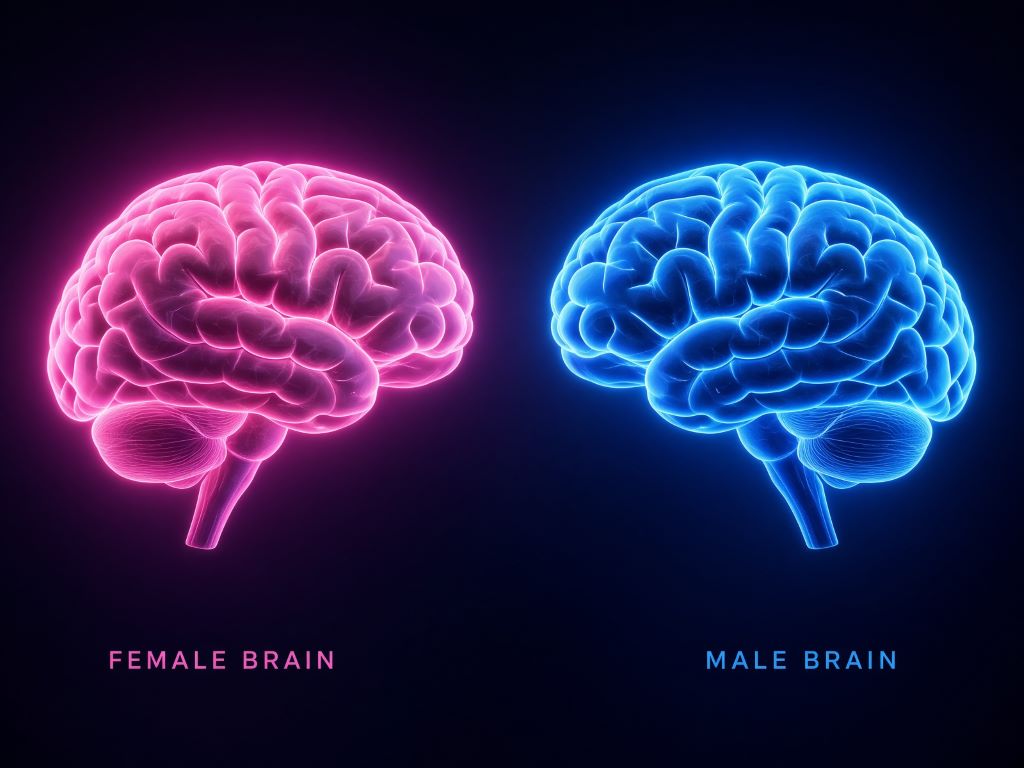
Injury-induced stress cascades through the body by activating immune responses, shifting energy away from less urgent concerns to prioritise healing. In traumatic brain injury, or TBI, the brain, home to the signaling hubs that manage those safety processes, is the site of the incident.
Time is suddenly of the essence. Hormone levels in the blood shift. Some genes prioritise structural support, including the tight seals of the blood-brain barrier, the lining that controls what passes from the bloodstream into the brain. As injury breaks those seals down, immune cells can move in, and they can help or harm.
Which pathways the body activates can support tissue repair or contribute to further damage, influencing the brain’s healing journey.
In a recent Science Advances publication, researchers Sarah Stabenfeldt and Christopher Plaisier outline their study suggesting that patterns of hormone changes and gene activity in the brain differed between males and females after traumatic brain injury.
Stabenfeldt, an assistant vice president and President’s Professor of biomedical engineering, and Plaisier, an associate professor of biomedical engineering, both in the School of Biological and Health Systems Engineering, part of the Ira A. Fulton Schools of Engineering at Arizona State University, say mapping out the affected biological pathways in the brain will advance understanding of how sex-based factors like hormones contribute to the body’s unique injury response.
“Better understanding the drivers of injury with studies such as ours will enable the development of therapeutics and interventions,” Stabenfelt says. “We aim to get the right treatment to the right patient at the right time.”
Tapping into dynamic networks
Hormones sit at the center of a much larger biological network.
“Our hormones do not act alone,” Stabenfeldt says. “The biological networks that control hormone regulation are integrated with almost every other system in the body, meaning sex-based differences have a major influence on our overall biology and how we respond to illness and injury.”
Those whole-body connections come into play long after the initial injury.
“Many people think a TBI starts and ends with the accident, but surviving the initial impact is just the beginning,” Stabenfeldt says. “Damage to key pathways in the brain can trigger(?) secondary damage cascades that may contribute to long-term symptoms and complications for TBI patients.”
After a traumatic brain injury, damage to vital brain pathways can cause swelling, abnormal bleeding and disrupted nutrient delivery, leading to further complications.
Focusing on what matters
The researchers tackled these mechanisms by looking into the cellular and molecular differences in male and female mice after a traumatic brain injury at various time intervals. They documented changes in hormone concentrations and gene expression within the cerebral cortex, along with the expression of genes involved in immune responses and tissue remodeling, including those that maintain the blood-brain barrier.
They observed that female mice exhibited a decrease in progesterone and testosterone, and males displayed a delayed decrease in oestradiol. Signaling changes in those three pathways have an established link to adverse outcomes in brain injury.
“There is strong evidence that TBI affects males and females differently, but we still do not fully understand why,” Plaisier says. “Our study takes a broad look at the biological changes that occur after TBI and identifies connections between changes in hormone levels and biological processes that may help explain these sex differences.”
Thinking long-term
The study gives researchers a new avenue to further understand the body’s early response to traumatic brain injury, revealing how hormone shifts and changes in brain gene activity may work together after an injury. By identifying which processes change, when they change and how those patterns differ between male and female mice, the findings create new opportunities to investigate the biological factors that shape recovery.
That foundation could help researchers identify biological markers that signal how an injury is progressing, determine when particular treatments may be most effective and design preclinical studies that better represent the people those treatments are intended to help.
Future studies will need to determine how those relationships influence recovery, account for factors such as hormonal fluctuations and test whether changing specific pathways improves outcomes.
“Understanding how sex-based biology influences brain trauma is no longer optional – it is essential,” Stabenfeldt says. “Identifying the specific hormonal and molecular networks at play will help us decode why women experience prolonged symptoms compared to men, opening the door to targeted treatments that account for hormonal and biological differences.”
Original written by Hannah Weisman
Source: Arizona State University
