

The partnership supports community-based care while empowering a local nurse entrepreneur to provide quality primary healthcare closer to home
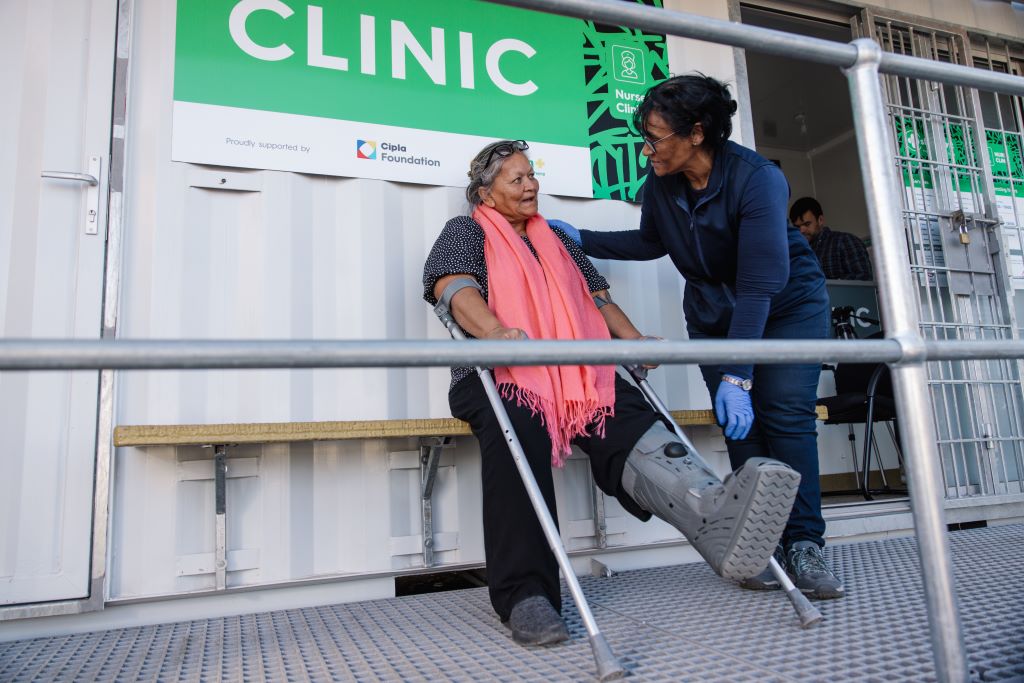
Macassar, Western Cape – Residents of Macassar will now have improved access to affordable, quality primary healthcare close to home following the launch of a new Sha’p Left nurse clinic.
Established through a partnership between Dis-Chem’s Better Tomorrow programme and the Cipla Foundation’s Sha’p Left initiative, the clinic aims to remove everyday barriers to care, including high transport costs, lost working hours and long queues at public health facilities.
Home to approximately 52 400 people across 14 000 households, Macassar is a growing, working-class community. Most residents rely on the local Community Health Centre for primary and maternity care. The new clinic will help ease pressure on this already busy facility while improving access to care for conditions including HIV, tuberculosis, diabetes and hypertension.
Led by experienced Clinical Nurse Practitioner Patricia-Ann Smith, the new fee-for-service practice is fully licensed to dispense medication up to Schedule 4. Patients can therefore be examined, diagnosed and receive the required treatment and prescriptions during a single visit, offering a convenient, cost-effective and dignified alternative for routine primary healthcare.
“Better Tomorrow is about finding practical ways to bring quality care closer to communities,” says Joshila Shiba, Dis-Chem’s Head of Health Equity and Sustainability. “Rather than building every solution from scratch, we partner with experienced organisations that already have proven, community-rooted models. Macassar gives us an invaluable opportunity to measure the real-world impact of this intervention and assess its long-term sustainability.”
From nurse to nursepreneur
At the heart of the clinic, Smith, a veteran healthcare professional with 37 years of nursing experience says the initiative has created an opportunity to turn a lifelong ambition into reality. The Sha’p Left model supports qualified nurses, predominantly women, with the infrastructure, training, compliance support and operational systems needed to establish independent practices.
“I have always wanted to own a healthcare business, but nursing has always been about putting people first and building trust,” says Smith. “Caring for my own community means a great deal to me. Primary healthcare gives us an opportunity to prevent illness, promote healthier choices and improve quality of life. Being able to make quality healthcare more accessible while contributing to my community makes this practice especially meaningful to me.”
A scalable model for primary healthcare
Designed by the Cipla Foundation, the Sha’p Left initiative aims to establish self-sustaining primary healthcare practices that can operate independently of ongoing philanthropic funding. The model is built on the principle that trusted local clinical nurse practitioners are well placed to expand access to primary healthcare in their own communities.
“Affordable, nurse-led clinics have an important role to play in expanding access to quality healthcare in South Africa,” says Paul Miller, CEO of Cipla Africa. “By bringing essential services closer to communities, we can help ease pressure on overburdened public health facilities while empowering qualified nurses to become healthcare providers and entrepreneurs in their own communities.”
For Dis-Chem Better Tomorrow, funding the Sha’p Left Macassar clinic forms part of a broader commitment to strengthening primary and preventative healthcare across South Africa.
“We want to help build and support healthcare models that strengthen the broader primary healthcare system for the long term,” says Shiba. “Macassar is our starting point. Demonstrating real societal health impact by improving access to quality healthcare for more South Africans through our integrated healthcare ecosystem is core to our purpose.”
