

University of Rochester Medicine researchers urge collaborative decision making
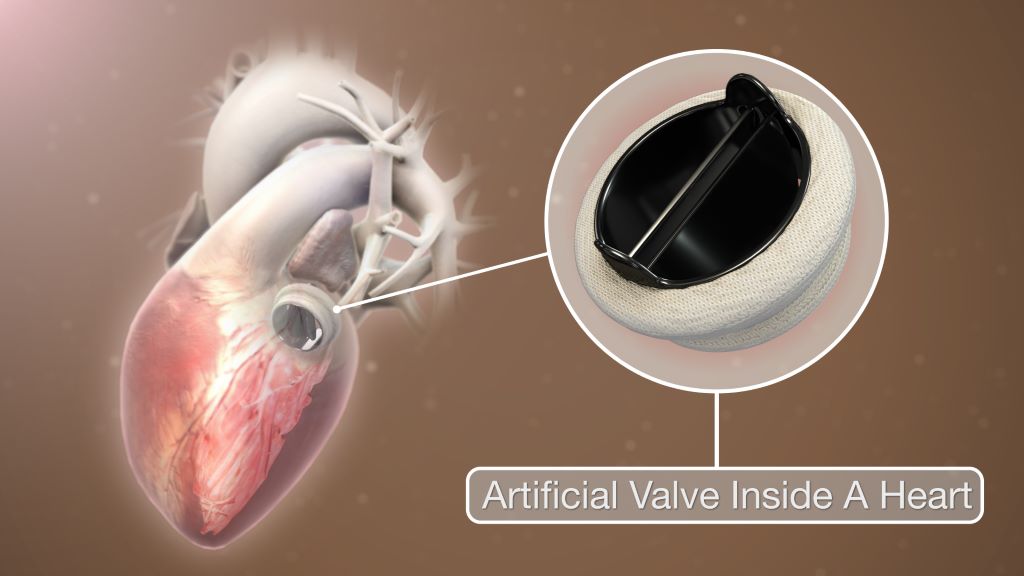
Growing demand for a minimally invasive aortic valve replacement by adults under 65 with aortic stenosis may put many at greater risk for potentially more complicated heart surgeries later, according to University of Rochester Medicine research published in The Annals of Thoracic Surgery.
Scientists recommend patients work with a multidisciplinary heart care team to assess their short- and long-term needs when facing surgery.
The procedure, transcatheter aortic valve replacement (TAVR), is less invasive than open heart surgery, offering a faster recovery. Since its introduction in 2011, TAVR is the recommended alternative for frail adults over 65 who cannot withstand surgical aortic valve replacement (SAVR) and younger adults whose mortality risk is high.
However, analysis of the Vizient Clinical Database of nearly 14 000 aortic stenosis cases between 2018 and 2023 showed nearly half of the lowest risk patients under 65 underwent TAVR despite the recommendation that they undergo SAVR. And SAVR can be performed using less invasive techniques that can reduce recovery times.
“It’s not surprising that people want a ‘quick fix’ that lets them get back to their normal routine. However, TAVR is not without risks,” said Laurent G. Glance, MD, lead author and professor of Anesthesiology and Perioperative Medicine. “The bioprosthetic valve can wear out or leak and lead to additional complicated surgeries later.”
Aortic stenosis is diagnosed when the aortic valve gets thick and narrow, restricting blood flow, forcing the heart to work harder. It causes shortness of breath, fatigue, dizziness and can lead to heart failure.
The TAVR technique delivers the new valve through a catheter in the groin and threaded through the femoral artery into the heart. Once inside, it is placed and expanded inside the failing valve.
Researchers reviewed hospital practice data and risk calculations and concluded “the marked use of TAVR among low-risk younger patients…may not represent the optimal long-term strategy for young patients.”
Explanting and replacing a failed TAVR valve requires SAVR, the open surgical approach, which the younger patients initially aimed to avoid. They face potentially slow and painful recovery and face risk of serious complications such as life-threatening stroke.
Co-author and chief of Cardiac Surgery Peter Knight, MD, said the rapid adoption of TAVR for younger adults has outpaced the data to assess durability of the valve and long-term patient outcomes.
“Careful decision-making is needed and patients should do their homework and talk with their physicians,” Knight said. “You have to look at the short- and long-term needs when making this important choice.”
