

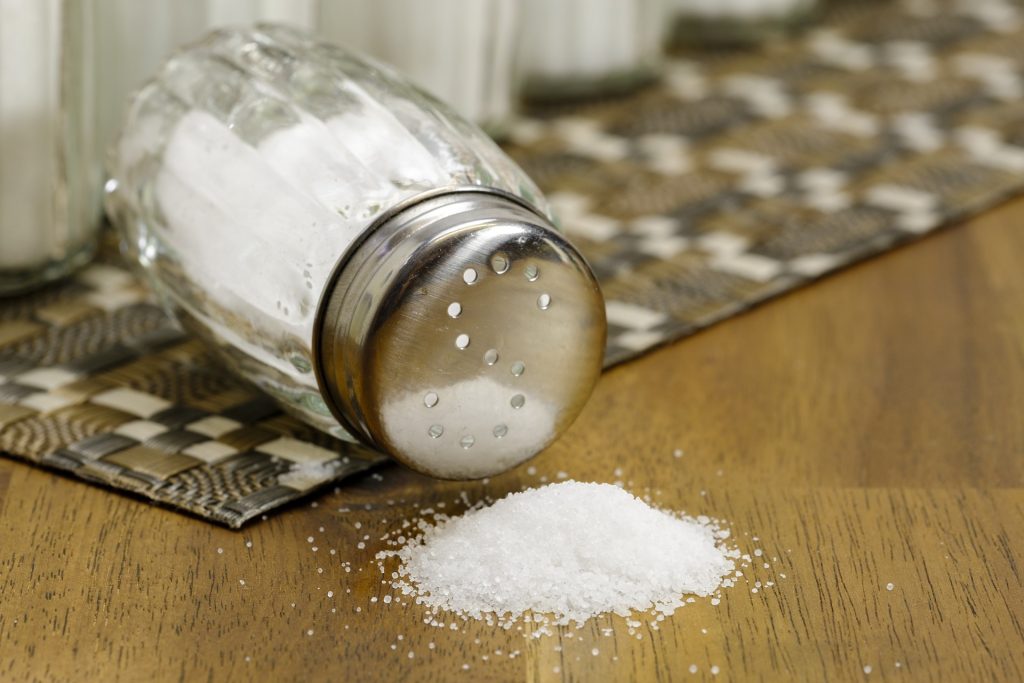
While South Africa was among the first countries to introduce mandatory salt reduction targets in processed foods, health experts warn that hypertension remains a major public health concern. The reason is increasingly clear, the problem is no longer only what is manufactured, but how people eat every day.
As World Salt and Hypertension Awareness Week (4–29 May) approaches, the focus should shift from reformulated products to daily behaviour change. High salt intake causes the body to retain excess fluid, which increases the volume of blood in the system and places greater pressure on the artery walls, directly leading to the development of hypertension.
“While the policy has successfully reduced hidden salt in many staple foods, it has not yet shifted South African taste preferences.,” says Lizeth Kruger, Clinic Executive at Dis-Chem. “We are still reaching for the shaker out of habit, and that’s where the real danger lies.”
Hypertension remains one of South Africa’s leading risk factors for heart disease and stroke, often progressing silently until complications arise. According to the Heart and Stroke Foundation South Africa, more than one in three adults lives with high blood pressure, a ‘silent killer’ that accounts for roughly half of all strokes and 40% of heart attacks in the country.
Kruger says a shift in everyday eating habits could reduce excess salt intake
1. Automatic salt shake
Many people add salt before tasting their food, even when meals have already been seasoned during cooking or processing.
2. Hidden salt in everyday staples
Stock cubes, processed meats, margarine and sauces remain significant sodium sources, especially when used frequently in daily cooking.
3. Convenience meals and takeaways
Ultra-processed foods and fast meals are often high in sodium, with a single serving sometimes approaching or exceeding the recommended daily limit.
4. A conditioned taste for salt
Long-term high-salt diets have shaped taste preferences, making fresh, whole foods seem bland and reinforcing reliance on added seasoning.
5. Unnoticed snack intake
Savoury snacks, biltong and crackers contribute meaningful sodium but are often not counted in daily intake.
Small changes, meaningful impact
Kruger says reducing salt intake is less about strict diets and more about changing repeat behaviours.
“Small, consistent adjustments can make a real difference over time,” she explains.
- Tasting food before adding salt is a simple first step, as many meals are already seasoned. Rinsing canned foods such as beans or corn can also reduce sodium content.
- Flavour can be enhanced using alternatives such as garlic, lemon juice, herbs and black pepper, while checking labels for lower-sodium options helps guide better choices.
A shared responsibility
“Regulation has laid the foundation, but the final step is ours,” Kruger advises. “By becoming more aware of everyday habits, we can reduce the risk of hypertension, stroke and heart disease in our homes.”
