Day: October 28, 2026

Experience, Time and Dye Linked to Better Polyp Detection in IBD Surveillance

Photo by Pixabay

The first UK-wide analysis of bowel screening for patients with inflammatory bowel disease (IBD) has identified opportunities to improve the early detection of cancer.

The study – the largest of its kind globally – found that checks performed by professionals with regular experience, allowing more time for the procedure, and the use of a special dye to improve visibility were each associated with finding small growths called polyps, which may become cancer.

Experts say the findings provide a starting point for measuring and improving care for those with IBD, and support further investigation into whether more consistent pathways and protected time could lead to better patient outcomes.

People with IBD such as Crohn’s disease or ulcerative colitis that affects the large bowel have a higher risk of bowel cancer. Regular endoscopies can find early changes. These are usually scheduled alongside other hospital procedures, which can make consistent care harder to plan.

Researchers, led by the University of Edinburgh, carried out the first national-scale analysis of UK data on the quality of IBD endoscopies to see how the checks are being delivered and what factors are associated with finding polyps, some of which may be precancerous.

The research team analysed data from the National Endoscopy Database, covering approximately 65 per cent of UK endoscopy units. This included almost 16 000 procedures in 2024 by 4669 endoscopists, who perform the tests.

They found that fewer than one in five endoscopists performed the checks at least monthly, yet were responsible for carrying out 57 per cent of procedures.

The study provides the first national evidence linking polyp detection with the experience of the person doing the test, the time allowed and use of dye.

Better evidence could ultimately help people with IBD receive more consistent care and improve the chances of finding important changes early, experts say.

The study team highlights that the database did not include laboratory results for removed polyps, so cannot determine whether the differences led to fewer cancers. Further research is needed to find out which changes improve cancer prevention.

The study is published in the Journal of Crohn’s and Colitis: https://academic.oup.com/ecco-jcc/article-lookup/doi/10.1093/ecco-jcc/jjag126. The UK-wide collaboration involved clinicians and researchers from NHS organisations and universities across all four nations.

The study’s principal investigator, Dr Shahida Din, from the University of Edinburgh’s Institute of Genetics and Cancer, said: “IBD cancer checks are important, but unlike organised bowel cancer screening, they do not have the same protected capacity. A small proportion of endoscopists perform most of these checks, and regular experience, more time and use of dye were associated with finding more polyps. Further research should establish whether more consistent pathways and dedicated time improve detection of precancerous changes and, ultimately, patient outcomes.”

Source: University of Edinburgh

A ‘Sweet Spot’ of Brisk Walking May Prevent Early Death in Sedentary Lifestyles

Fewer daily steps at faster pace or more steps at slower pace may substantially lower risk
Brisker pace for half an hour a day may be sweet spot for those with sedentary lifestyles

Photo by Teona Swift on Unsplash

Fewer daily steps at a faster pace or more steps at a slower pace may both substantially lower the risk of an early death, with a brisker pace for at least 30 minutes a day the potential sweet spot for those with sedentary lifestyles out of choice or necessity, suggests research published online in the British Journal of Sports Medicine.

Current evidence suggests that a higher daily step count is key to preventing an early death, but it’s not clear what role stepping intensity might have or how different combinations of  step counts and intensity might influence this risk, particularly among sedentary adults, explain the researchers.

To explore this further, they analysed data from 103 684 middle aged participants in the UK Biobank  who wore an activity tracker for 7 consecutive days between 2013 and 2015 to monitor the number and intensity of daily steps taken.

Daily step count was divided into 4 categories: :0–5000; 5000–7500; 7500–10 000;and  more than 10 000. Peak-30 cadence was measured, reflecting each person’s fastest sustained stepping rate during their most active half hour of the day.

The number of those dying from any cause or from cardiovascular disease was then tracked up to the end of November 2022.

Some 64,743 participants (average age 61; women 58%) were included in the deaths from any cause analysis; 70,075 participants (average age 62; 63% women) were included in the deaths from cardiovascular disease analysis.

During an average tracking period of around 8 years 1697 people died from any cause and 502 from cardiovascular disease. Different combinations of step count and stepping pace were associated with a lower risk of death.

For example, the risk was substantially lower among those achieving a higher stepping pace (at least 80/minute) but fewer than 5000 daily steps, which was on a par with the risk reduction observed among those clocking up 5000–7500 daily steps but at a lower stepping pace (60/minute),

This suggests “that higher intensity at lower volume can provide health benefits comparable to that of lower intensity but higher volume,” write the researchers.

Maintaining a higher pace for at least 30 minutes/day was associated with a progressively lower risk of death from any cause among those accumulating fewer than 7500 steps/day.

While achieving 7500–10 000 daily steps was associated with the lowest risk of an early death, irrespective of the pace, maintaining a brisker pace for at least 30 minutes every day was also associated with a lower risk of death from any cause, irrespective of the step count..

Similar findings on step count and stepping pace combinations were observed for the risk of a cardiovascular disease death.

This is an observational study, and as such, can’t establish cause and effect. But the findings may be particularly relevant for those who either don’t have the time to accrue an adequate daily step count or whose physical incapacity or environmental restraints make it very difficult for them to do so, suggest the researchers.

“Our findings contribute to the evidence base for step-based approaches targeting both daily step counts and stepping intensity to lower mortality risk, and may inform step-based interventions for middle-aged and older adults, particularly individuals with barriers to increasing daily step counts or stepping intensity,” they conclude.

Source: The BMJ Group

Many Non-drug and Non-surgical Therapies for Low Back Pain are Cost-effective

Interventions like yoga, cognitive therapy, and self-management support were more cost-effective than standard medical advice

Photo by RDNE Stock project

Non-drug and non-surgical treatments for low back pain, including psychological support, exercise and self-management strategies are cost-effective interventions, according to a study published October 27th in the open access journal PLOS Medicine by Manuela Loureiro Ferreira from the George Institute for Global Health, Australia, and colleagues.

Low back pain is the leading cause of disability worldwide, with significant costs to both individuals and healthcare systems. There are pharmacological or surgical interventions – including drug prescriptions, spinal injections and surgery, but non-invasive methods such as cognitive therapy, physical therapy, exercise and yoga or dietary interventions are also available. Understanding which options provide best value for the money is important for determining where to allocate healthcare funding.

To better understand the cost-effectiveness of non-invasive interventions for low back pain, the authors of this study reviewed research studying treatments recommended by the World Health Organization, the United Kingdom’s National Institute for Health and Care Excellence (NICE), and the North American Spine Society. They included 20 studies conducted between 2005 and 2026, with a total of 14,884 participants. Those studies compared non-pharmacological and non-surgical interventions such as yoga, acupuncture, massage, psychological therapy, spinal manipulation, exercise and diet plans to some first contact care or no treatment.  

The authors found that six single therapies – yoga, cognitive behavioural therapy, self-management support, fear reduction education and mindfulness stress reduction, could reduce health care costs and improve outcomes compared with usual care. They also observed that two multi-modal therapies – combining advice and graded activity in the workplace, and diet plus physical activity – were more cost-effective than usual care, at a willingness to pay threshold of £20 000 (R440 000; meaning that costs were below that maximum price, a threshold recommended by the NICE). While all of the studies examined were from high-income countries and there were differences in how cost effectiveness was measured, the authors suggest that improving access to these non-surgical and non-pharmacological treatments could benefit patients with low back pain.

Senior author Prof Manuela Ferreira adds, “Low back pain is the world’s leading cause of disability, but many effective treatments can also save healthcare dollars. Our review found that approaches such as exercise, yoga, acupuncture and psychological support can help people recover while providing good value for money.

“The good news for people with back pain is that some of the most effective treatments are also among the most cost-effective. Investing in evidence-based care such as exercise, physical therapies and psychological support could help more people get better while reducing pressure on health systems.”

Provided by PLOS

Stem Cell Donor Drop-off Is Costing South Africa

By Palesa Mokomele, Head of Community Engagement and Communication at DKMS Africa.

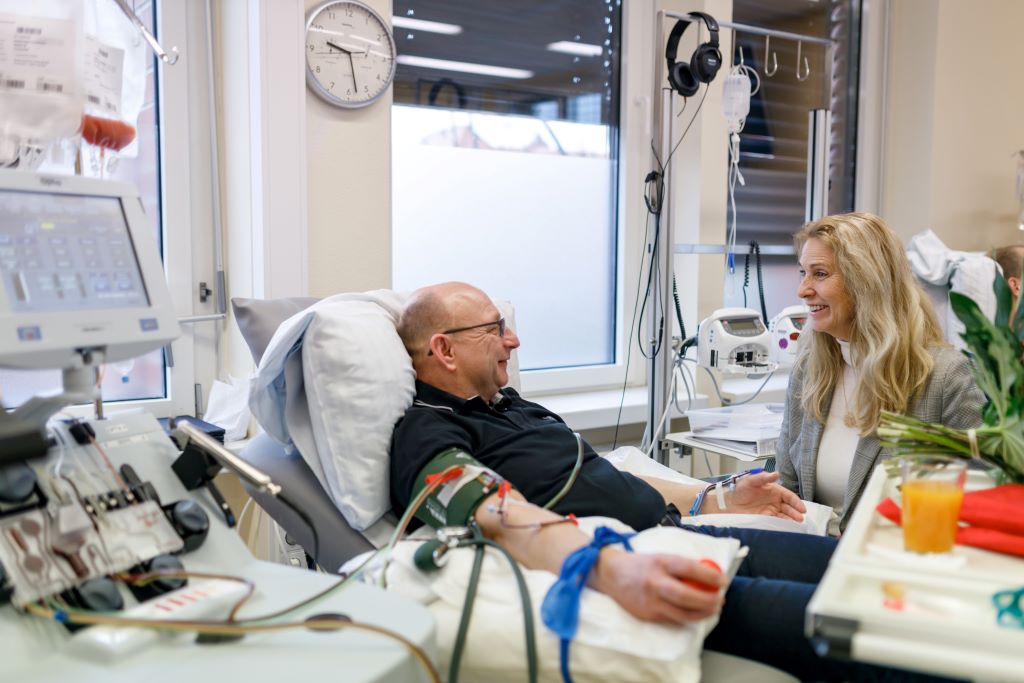
For many blood cancer patients, finding a matching stem cell donor for a transplant is often the biggest hurdle. Yet one of the greatest risks can emerge after a match is found, with some registered donors becoming unavailable when they are needed most, delaying treatment and adding emotional, medical and financial strain for patients and their families. Moreover, the consequences of donor attrition extend well beyond the patient’s household, creating wider costs for healthcare systems, workplaces and the economy.

The costs begin with a longer wait, which carries medical risk. A study of unrelated donor transplants found that a longer confirmatory typing process, the stage at which a matched donor is contacted and retested, affected survival independently of how closely donor and patient were matched. The same research recorded two-year survival of 59% among patients with fully matched donors against 38% among those with a mismatched donor. When the best match drops out, doctors may have to proceed with a less closely matched donor or keep waiting, and neither option is one a family would choose.

The emotional toll tends to be heaviest before the transplant itself. A prospective study following transplant patients found that anxiety was most often elevated in the period before transplant, affecting 29% of patients, a higher rate than in a matched sample of the general population. The people caring for them carry a heavy share as well. Nearly 47% of caregivers reported clinically significant anxiety in the lead-up to transplant, and their distress was linked to poorer physical health and weaker coping.

What families describe to me most often is the uncertainty. Knowing a possible donor exists, but not yet whether that person will go ahead, leaves them unable to plan work, school or care arrangements around a date nobody can give them. Every donor who drops out at that stage stretches the period further, and that strain can feed back into outcomes. In a nationwide study of allogeneic transplant patients, those who had depression before transplant had lower overall survival afterwards than those who did not.

The question of income comes up early too. Between 20% and 50% of blood cancer patients report financial strain from their illness, including lost earnings and diminished savings to cover treatment and travel. A delayed transplant can leave a patient too ill to work for months, with no salary coming in, and the household often loses a second income as well when a parent or partner steps back from work to be at the hospital. That second loss is easy to overlook. Among parents of children newly diagnosed with high-risk Hodgkin lymphoma, researchers measured an average drop of about 9% in how much they could get done while at work, before accounting for any days they took off.

Those losses do not stay inside the household. Lost wages mean less income tax paid, and less money spent in the local economy, and when a patient does not survive, their contribution ends for good. An international study of productivity lost to premature cancer deaths across five major emerging economies found that South Africa had the highest cost per death of the group, at about US$101,000 (roughly R1.7 million). Getting patients to transplant sooner is one of the more practical ways to reduce that loss, and keeping matched donors in the search is a large part of how that happens.

The registry absorbs a cost of its own. Registering a single donor costs about R800. This is money contributed by the people and organisations who support our work because they want patients to have a chance. When a matched donor drops out, the resources invested in registering and maintaining that donor do not translate into a potential transplant opportunity for a patient.

The encouraging part is that attrition can be reduced. In research drawn from 91,479 donor requests at a German registry, donors who took part in initiatives asking them to provide an extra sample or flag periods when they would be unavailable were more than 10 percentage points more likely to be available when a patient needed them. Staying in contact with donors between registration and a match makes a measurable difference to whether they can help when the time comes.

That means treating registration as the start of a relationship that has to be maintained. For donors, it means keeping records up to date and regularly informed. If they have moved, changed numbers or stopped using an email address, they can update details online in just a few minutes. If their health or circumstances have changed in a way that affects whether they could donate, it is vital that they tell the search teams so that this can be planned around it before a patient is desperately waiting.

With more than 200,000 donors on the registry, the transplant team can only work with those who are able and willing to go ahead when they get the call, and every donor who keeps organisations informed brings those two figures closer together.