Day: August 21, 2026

Nearly 70% of the Global Health Workforce Are Women – But Health Worker Shortage Remains
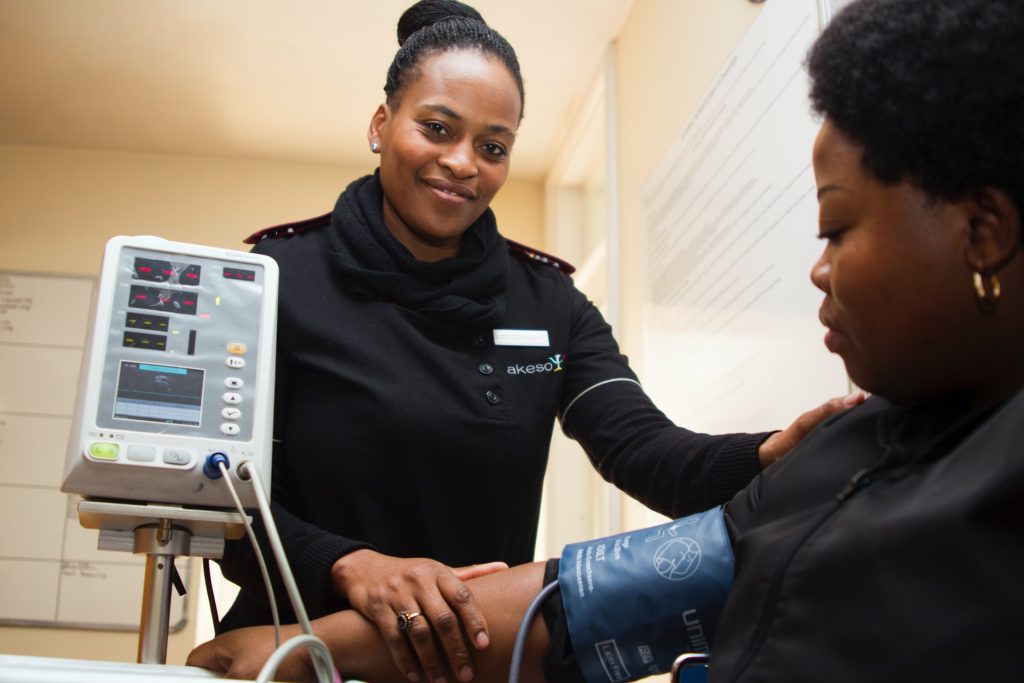
Photo by Hush Naidoo on Unsplash

Women have driven the expansion of the global health workforce over the past three decades, yet substantial workforce shortages remain, according to a new study published in The Lancet Public Health. Researchers estimate that an additional 34.4 million doctors, nurses, midwives, dentists, and pharmacists are needed worldwide to achieve moderate levels of universal health coverage, where people can access essential health services without financial hardship. 

The study found that the global health workforce nearly tripled between 1990 and 2023, growing from 40.9 million to 122.1 million workers. Women accounted for 71.4% of this growth and represented 68.9% of all health workers in 2023. Despite this progress, substantial shortages persist across many regions, particularly South Asia and sub-Saharan Africa, where health systems continue to face some of the world’s lowest workforce densities. 

Based on Global Burden of Disease (GBD) 2023 estimates, this study provides the first global, sex-disaggregated estimates of 20 health worker cadres, or groups of specially trained health personnel such as doctors, nurses, midwives, pharmacists, dentists, and community health workers, across 204 countries and territories from 1990 to 2023, including the first global estimates of community health workers. It also offers the most comprehensive assessment of the global health workforce to date.  

Women have driven global health workforce growth but remain underrepresented in many higher-paid professions. 

Between 1990 and 2023, the global health workforce expanded by more than 81 million workers, including 18.9 million nurses and 8.7 million doctors. Most regions saw substantial growth over this period, although the pace of expansion varied across countries and health professions. 

In 2023, the global health workforce included 122.1 million health workers, including 33.2 million nurses, 15.1 million doctors, 7.6 million community health workers, 6.8 million pharmacists and pharmaceutical assistants, and 6.1 million dentists and dental assistants. Women represented nearly seven in ten health workers worldwide, comprising 80.7% of nurses, 96.0% of midwives, and 89.5% of community health workers, while less than half of doctors were women. Similar patterns were observed across dentistry and pharmacy, where women were more likely to work as assistants than as dentists or pharmacists.  

“Women have transformed the global health workforce over the past three decades, but they continue to be concentrated in professions that generally offer lower pay and fewer opportunities for leadership,” said Megan Knight, lead author of the study and researcher at the Institute for Health Metrics and Evaluation (IHME). “Building stronger health systems will require not only expanding the workforce, but also creating equitable opportunities for career advancement, leadership, and safe, supportive working environments.”

Millions of health workers will be needed to achieve universal health coverage. 

Despite substantial workforce growth, researchers estimate the world would need an additional 34.4 million health workers to achieve a score of 80 out of 100 on the GBD universal health coverage effective coverage index, a benchmark representing moderate levels of universal health coverage. This includes shortages of 23.9 million nurses and midwives, 7.1 million doctors, 1.8 million dentists, and 1.6 million pharmacists. 

Workforce shortages were greatest in South Asia, which would require an additional 2.6 million doctors and 10 million nurses and midwives to reach moderate universal health coverage. Sub-Saharan Africa also faced severe shortages across major health professions, with nursing density of 14.5 per 10 000 population compared with 121.8 per 10 000 in high-income countries. At the country level, nurse density was as low as 3.2 per 10,000 in Chad and 3.3 in Madagascar, compared with 171.7 per 10 000 in Belgium and 161.4 in the United States. 

“Health workers are the foundation of every health system,” said Dr Annie Haakenstad, senior author of the study and Assistant Professor of Health Metrics Sciences at IHME. “Although the global workforce has expanded dramatically, millions more doctors, nurses, midwives, dentists, and pharmacists will be needed to ensure people everywhere can access essential health services. These findings provide countries with minimum thresholds for planning the workforce needed to strengthen health systems and move toward universal health coverage.” 

Meeting global health goals will require sustained investments in the health workforce. 

The study estimates that achieving moderate universal health coverage is associated with minimum workforce densities of 23.8 doctors and 64.5 nurses and midwives per 10 000 people, along with 5.2 dentists and 5.6 pharmacists per 10 000. These minimum benchmarks can help countries identify workforce gaps and plan the investments needed to meet future health needs. 

The estimates also provide a measure of progress toward Sustainable Development Goal (SDG) target 3.c.1, which calls for substantially increasing the recruitment, development, training, and retention of the health workforce, as well as SDG target 3.8 on achieving universal health coverage.  

Closing global workforce gaps will require sustained investments in health worker education, recruitment, retention, and working conditions. Gender-responsive policies, including leadership development, workplace protections, paid parental leave, and flexible work arrangements, can also help support the predominantly female health workforce. Building a well-supported health workforce will be essential to expanding access to care and ensuring health systems are equipped to meet future health challenges.

Source: Institute for Health Metrics and Evaluation

Waist Circumference Raises Mortality Risk in Elderly – Regardless of BMI

Source: Pixabay CC0

In a Journal of the American Geriatrics Society analysis of nationally representative data from 6905 US adults aged 65 or older followed between 2011–2024, higher body mass index (BMI) was associated with lower mortality risk, whereas higher waist circumference, a marker of abdominal obesity, was independently associated with higher mortality risk after accounting for BMI.

Compared with normal weight, overweight males and males with class I and II obesity (BMI of 30 to less than 40 kg/m2) had 46% and 51% lower risks of mortality, respectively. Additionally, a high waist circumference was also associated with a 24% higher mortality risk in males. Similar patterns were observed in females.

When BMI and waist circumference were evaluated together, being overweight was associated with lower mortality risk regardless of waist circumference among males. Class I and II obesity also remined associated with lower mortality risk exclusively among males with elevated waist circumference. In contrast, being underweight, regardless of waist circumference, and having normal BMI with elevated waist circumference were both associated with higher mortality risk in both males and females.

“BMI and waist circumference provide complementary information about health risk in older adults,” said study co-author, Bryan Blissmer, PhD, of the University of Rhode Island. “Our findings suggest that considering both measures together, rather than relying on BMI alone, may improve mortality risk assessment and support more informed clinical decision-making.”

Source: Wiley

Electric Fields Offer New Hope Against Aggressive Brain Cancer

Technique developed for treating Parkinson’s disease also disrupts growth of glioblastoma

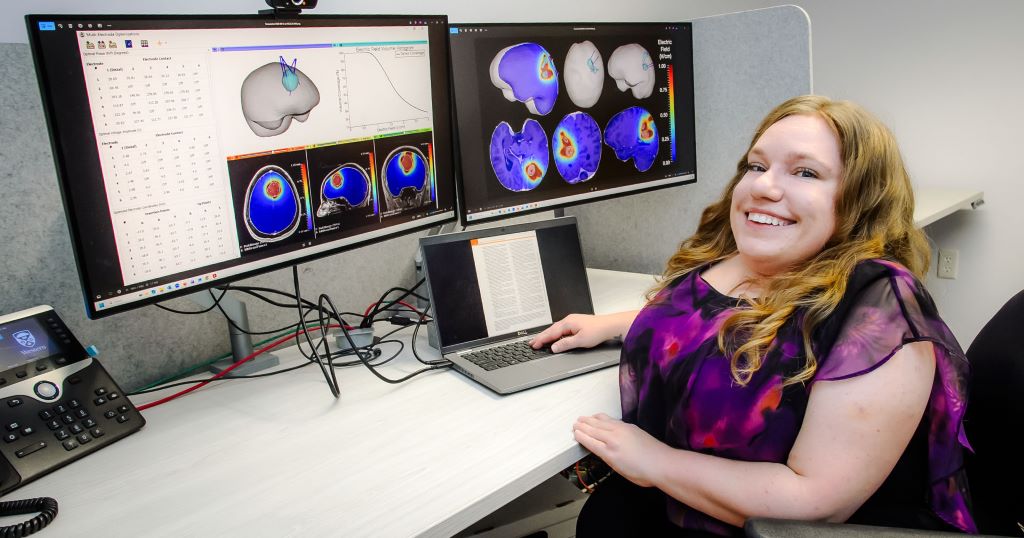
Postdoctoral researcher Erin Iredale, who has worked on intratumoral modulation therapy since her undergraduate degree, hopes the proposed electric fields treatment will one day be used for patients with brain cancer. (Christopher Kindratsky/Western Communications)

More than a decade ago, Dr Matthew Hebb was treating patients with Parkinson’s disease using deep brain stimulation by implanting tiny electrodes into the brain and delivering electrical signals to control tremors. He wondered if the same basic technology could be used against brain cancer.

Hebb, neurosurgery professor at Western University’s Schulich School of Medicine & Dentistry, took tumour samples removed during surgery back to his laboratory, implanted electrodes and stimulated the cancer cells. The tumours responded.

That unexpected observation set in motion years of research into what is now called Intratumoral Modulation Therapy, or IMT – an original approach that uses low-amplitude electric fields to disrupt the growth of glioblastoma, one of the most aggressive and difficult-to-treat brain cancers.

Now, a Western-led research team has taken another step toward potentially bringing the technology from the laboratory to patients.

The latest study, published in Neuro-Oncology Advances, shows that IMT can safely deliver stronger, dynamic electric fields directly to a glioblastoma tumour while significantly slowing brain tumour growth, in an animal model.

The research team, which included Hebb, physics and astronomy professor Eugene Wong, medical biophysics professor Terry Peters, anatomy and cell biology professor Susanne Schmid and postdoctoral researcher Erin Iredale, observed an eight-fold reduction in tumour growth measured through bioluminescence and a five-fold reduction in tumour volume measured by magnetic resonance imaging (MRI) after seven days of treatment.

For Iredale, the first author on the study and has worked on the IMT project since her undergraduate degree, the results represent another important step toward a treatment she hopes could one day help patients.

“It’s so interdisciplinary,” said Iredale. “We need everyone from different fields, with their own expertise, to come together to solve this huge problem in health care.”

Different kind of electrical treatment

Glioblastoma is a devastating cancer that begins in the cells or tissues of the brain. Even with current treatments, including surgery, radiation and chemotherapy, patients diagnosed with the disease have a median survival of just more than a year. One of the challenges is that glioblastoma cells divide rapidly despite aggressive conventional treatments, leading to recurrence mainly near the site of the surgery. IMT takes direct aim at that process.

Rather than using electricity to acutely burn or destroy the tumour, the treatment delivers chronic low-amplitude electric fields that interfere with the way cancer cells divide.

“When we put this electric field on those cells, it prevents them from dividing properly,” said Iredale. “So, they’re kind of stalled in their cell division process.”

The exact biological mechanisms are still being investigated, but the team has repeatedly observed reduced tumour growth when the electric fields are applied.

The idea grew from Hebb’s early experiments and then expanded as physicists and biomedical researchers joined the project. Deep brain stimulation normally operates at frequencies designed to produce a neurological response. For cancer treatment, however, the goal is different.

The researchers increased the frequency so the stimulation could target the tumour without producing unwanted effects in normal brain tissue. The result is a treatment designed to destroy the cancer while leaving the surrounding brain largely undisturbed.

Finding the sweet spot

Iredale joined the IMT project in 2016 as an undergraduate student when she was studying medical physics and applied mathematics. She was drawn to the possibility of combining physics and mathematics with the practical goal of helping patients – an interest that eventually led to a PhD in medical biophysics, where her research focused on developing a treatment-planning system for IMT.

Iredale’s work in the Hebb lab has helped address one of the central challenges of treating a tumour inside the brain: precisely controlling where the electric field goes and how strong it is.

The latest study, done in rats, marks the first time the team used multiple electrodes in a living brain to create a dynamic electric field. Three electrodes were implanted around the tumour. By shifting the phase of the electrical signals delivered by each electrode, the researchers created an electric field that rotates over time.

The approach helps cover the tumour more completely, reducing the possibility of ‘cold spots’ where cancer cells might escape treatment.

“We’re basically triangulating the tumour,” said Iredale.

“We’re using the electrodes to target very specific areas, making sure the electrical stimulation reaches the tumour while delivering the right amount of energy to each spot.”

– Western postdoctoral researcher Erin Iredale

The researchers used computational modelling to determine how the fields would be distributed through the brain and then confirmed those predictions with direct electrical measurements. Importantly, the treatment produced no neurological adverse effects or imaging evidence of brain injury.

From computer models to the clinic

The new treatment-planning system, devised by Iredale, is designed to eventually help physicians personalise IMT for individual patients. A physician could provide a patient’s MRI, and the system would calculate where electrodes should be implanted and what stimulation parameters should be used to provide the necessary tumour coverage.

The system currently relies on traditional computational methods, including an optimisation algorithm developed by Iredale. Artificial intelligence and machine learning could potentially be incorporated in the future.

The research has progressed from studies in cancer cells to animal models, and while further work will be required before the treatment can be tested in people, the team is already developing a prototype with the goal of moving toward a first-in-human clinical trial.

“In five to 10 years, I would hope to see IMT go through an initial clinical trial to test its efficacy against glioblastoma,” said Iredale. “From there, we could start to see it become part of the treatment options available to patients with brain cancer.”

Source: Western University

Chemotherapy-Free Treatment Shows Promise for Some Patients With Metastatic Breast Cancer

Phase 1/2 trial of a targeted treatment regimen showed promising activity and manageable side effects in patients with HR-positive, HER2-positive cancer

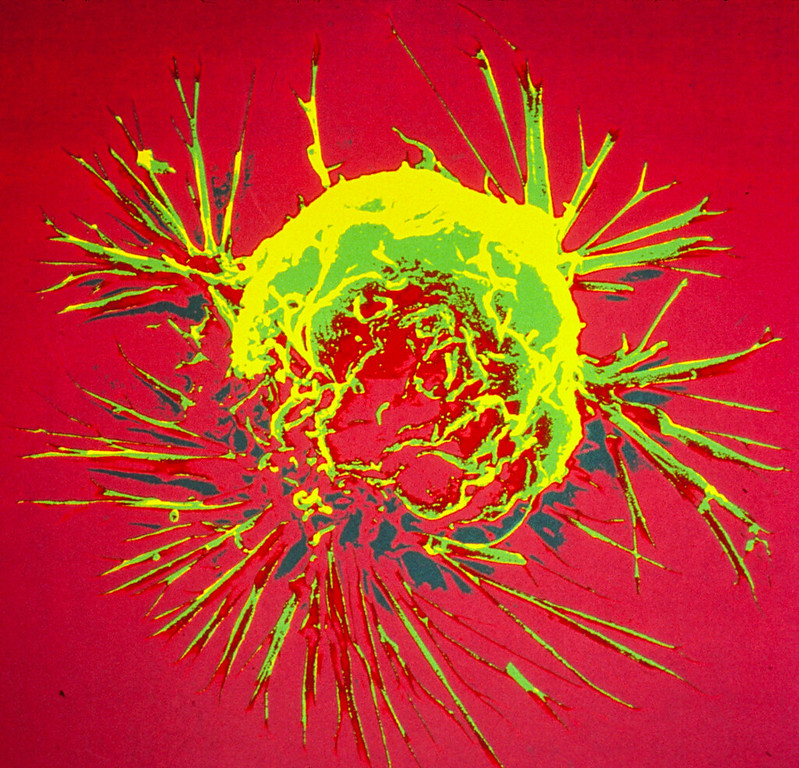
Colourised scanning electron micrograph of a breast cancer cell. Credit: NIH

Researchers at the Icahn School of Medicine at Mount Sinai found that a chemotherapy-free combination of four targeted therapies showed encouraging results in patients with HR-positive, HER2-positive metastatic breast cancer, offering a potential first-line treatment option that may be more convenient for some patients and avoids chemotherapy. 

The findings, published in the Journal of the National Cancer Institute, come from the multicentre phase 1/2 ASPIRE clinical trial, which evaluated anastrozole, palbociclib, trastuzumab, and pertuzumab as first-line treatment for patients with hormone receptor (HR)-positive, HER2-positive metastatic breast cancer. The regimen combines endocrine therapy with medicines that target two key pathways that drive tumour growth, potentially allowing patients to avoid chemotherapy in the initial treatment setting.

“This study demonstrates that a chemotherapy-free treatment approach can produce durable responses while maintaining a manageable safety profile for many patients with this subtype of metastatic breast cancer,” said senior author Amy Tiersten, MD, Professor of Medicine (Hematology and Medical Oncology) and Clinical Director of Breast Medical Oncology at the Icahn School of Medicine at Mount Sinai. “Although these findings need to be confirmed in larger randomised clinical trials, they suggest that some patients may eventually have an effective alternative to chemotherapy as their first treatment.” 

Breast cancer is the most frequently diagnosed cancer in women, and approximately 10 percent of breast cancers are HR-positive and HER2-positive. While current first-line treatments often combine HER2-targeted therapy with chemotherapy, chemotherapy can cause significant short- and long-term side effects that affect patients’ quality of life.  

The ASPIRE trial enrolled patients with previously untreated HR-positive, HER2-positive metastatic breast cancer across five clinical sites affiliated with Mount Sinai, NYU Langone Health, and Columbia University. Researchers first established the optimal dose of palbociclib before evaluating the four-drug combination in 29 patients.  

In the trial, 97 percent of patients experienced clinical benefit during the first six months of treatment. Patients lived a median of nearly 25 months before their disease progressed; median overall survival had not yet been reached at the time of the analysis. After a median follow-up of approximately 39 months, nearly 93 percent of participants were still alive. Several patients also experienced durable responses to treatment, including one who has remained on the regimen for more than six years. 

The treatment’s side effects were consistent with those expected from the medications used. The most common were neutropenia (having low levels of a type of white blood cell called neutrophils in your blood), low white blood cell counts, diarrhea, and anemia. Only one patient discontinued treatment because of side effects, and no treatment-related deaths occurred. 

“The challenge in treating this type of breast cancer is balancing effectiveness with quality of life,” said Rima Patel, MD, Assistant Professor of Medicine (Hematology and Medical Oncology) at the Icahn School of Medicine and first author of the study. “Many patients, particularly older adults or those with other medical conditions, may not be ideal candidates for chemotherapy. A targeted regimen that can be given primarily through oral medication and subcutaneous injection could offer a more convenient option while reducing some of chemotherapy’s burden.” 

Researchers caution that the study was relatively small and did not compare the regimen directly with current standard treatments. Because of those limitations, the findings should be viewed as hypothesis-generating until confirmed in larger randomized trials.  

The investigators are planning additional studies to determine whether the regimen can improve outcomes compared with current standard-of-care treatment. 

Source: Mount Sinai

Most Approved AI Medical Devices Were Not Tested on Patient Outcomes

 Of 1357 devices authorised by the US FDA, only 3 were evaluated on clinical effectiveness 

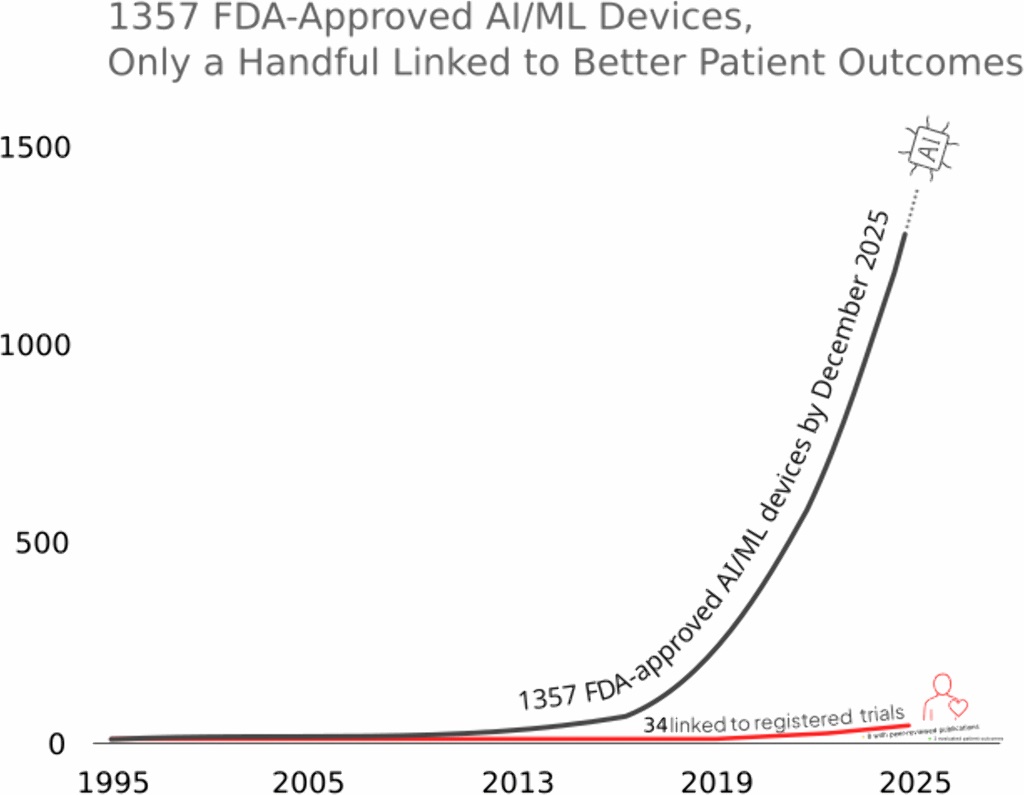
Growth of FDA-cleared AI/ML-enabled medical devices from 1995 to December 2025. Of 1,357 cleared devices, only 34 were linked to registered clinical trials and only 3 were evaluated for patient-centred outcomes. (Fig 1 of the article.), Credit: Abulibdeh R, Cajas Ordóñez SA, Celi LA, Gorijavolu R, Izath N, Markussen Lunde T, 2026, PLOS Digital Health, CC-BY 4.0 (https://creativecommons.org/licenses/by/4.0/)

A new analysis shows that, of 1357 artificial intelligence (AI)-based medical devices authorised by the US Food and Drug Administration (FDA) for use in patient care, only three had been tested on whether they actually improve patients’ health. Rawan Abulibdeh of the University of Toronto, Canada, and colleagues present these findings in the open access journal PLOS Digital Health on August 19, 2026. 

New AI devices increasingly inform clinical care, such as systems that aid surgical planning, calculate cardiovascular risks, and guide interpretation of mammograms and other imaging. In order to be authorised for use in the US, AI devices typically only need to show “substantial equivalence” to an existing authorised device, and developers are not required to demonstrate whether new AI devices help people live healthier lives – with benefits shared equitably across diverse subgroups. 

To deepen understanding of this topic, Abulibdeh and colleagues investigated how all 1357 AI devices authorised by the FDA as of December 5, 2025, had been evaluated in patients prior to authorization. 

They found that only 34 of the devices had been included in registered clinical trials, with results posted for 12 and peer-reviewed manuscripts published for 12. Only 3 devices had been tested on patient-centred outcomes, such as death rates, strokes, hospitalizations, and quality of life. Most studies were conducted in highly resourced healthcare systems, and most excluded key patient subgroups, such as pregnant women, adults over 75, and non-English speakers. 

The researchers suggest that structural barriers such as financial incentives and logistical challenges discourage developers from testing AI devices on patient outcomes, resulting in greater emphasis on speedy development than on rigor. They discuss how this framework could allow new tools to amplify existing disparities in healthcare and how it could lead to patients in low- and middle-income countries becoming inadvertent test populations for under-studied AI devices, as many countries rely on higher-income countries’ authorisation decisions. 

On the basis of their findings, the researchers conclude that existing policies for AI medical device authorization should be redesigned. They propose a novel, three-phase framework that includes demonstration of effectiveness across diverse patient subgroups and healthcare settings.

 The authors add: “We expected the evidence base to be thin, but not this thin. Out of 1357 AI devices the FDA has cleared for use in patient care, only three have been tested on whether patients actually live longer or better. Clearance tells you a device resembles something already on the market. It does not tell you it helps anyone.”

Provided by PLOS