

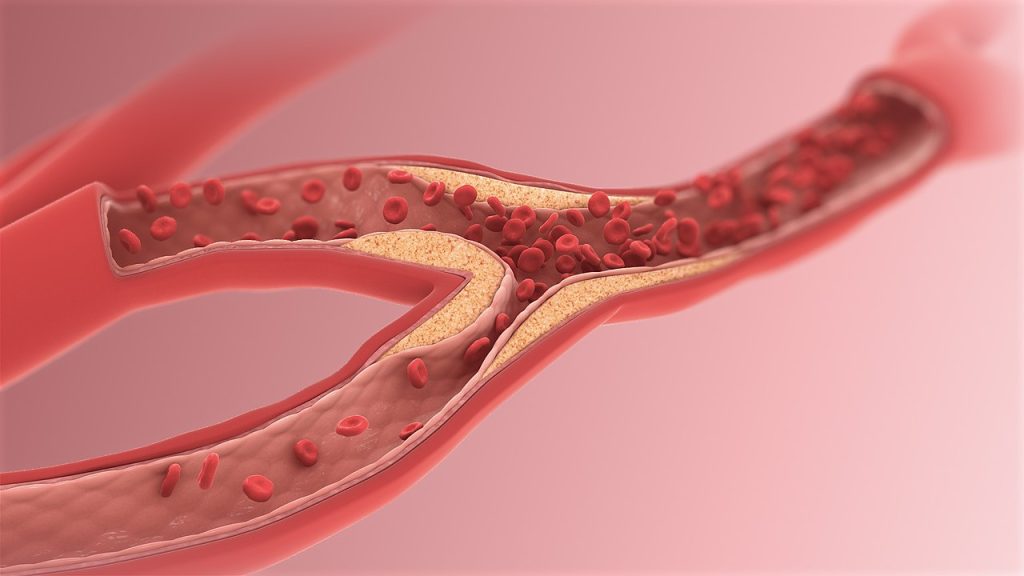
Current clinical guidelines stress that lower LDL cholesterol levels significantly reduce the risk of major cardiac events. Essential strategies for treatment include heart-healthy lifestyle changes and pharmacological interventions using statins, ezetimibe, and PCSK9 inhibitors. Early intervention is vital, as the cumulative exposure to high cholesterol over time – often termed “LDL years” – determines the onset of vascular disease. But a major question has remained as to whether more aggressive lip-lowering targets is worth the potential side effects such as kidney damage.
Now, a new clinical trial published in NEJM provides evidence that an intensive target of less than 55mg/dL is superior for preventing secondary complications. In the Ez-PAVE trial, researchers in South Korea investigated whether this more intensive provided better protection than the conventional goal of less than 70mg/dL. The study found that patients in the intensive group experienced a significant reduction in cardiovascular events over a three-year period. The researchers conclude that their findings support stricter lipid-lowering guidelines, which can safely and effectively improve long-term patient outcomes.
