
Day: March 20, 2026

The Hunt for a New TB Vaccine: Why We Are Now so Close, and Why it Matters
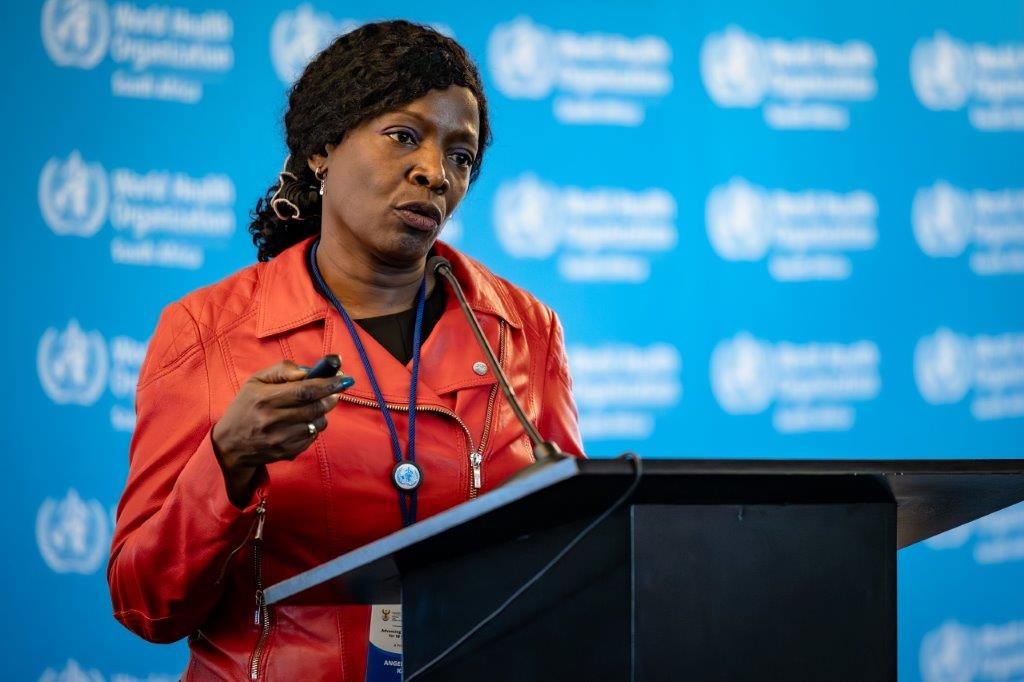
Associate Professor Angelique Kany Kany Luabeya speaks about TB vaccine trials and the introduction of TB vaccines in South Africa. (Photo: Supplied)

By Angelique Kany Kany Luabeya

The only tuberculosis vaccine we have is a century old and offers only limited efficacy in children. With leading South African researchers involved in the pivotal clinical trials of three new tuberculosis vaccine candidates, we are on the verge of a major breakthrough, writes Associate Professor Angelique Kany Kany Luabeya.

My uncle died of abdominal TB a few days ago, after facing repeated challenges in getting an accurate diagnosis. For him, the treatment started much too late. To many in his community, my uncle was a respected teacher, a breadwinner, a pillar of support and strength.

In 2026, why are people still dying from a preventable disease that continues to cause unnecessary deaths and hardship?

Why we urgently need a new TB vaccine should be obvious. For the millions who are sick, and for families living with the catastrophic loss of a loved one, the need is painfully clear.

Prior to the emergence of the SARS-CoV-2 virus, TB was the world’s deadliest infectious disease, killing more than 1.5 million people every year. While COVID-19 has since shown an epidemic downturn, TB’s toll remains devastatingly high.

Globally, an estimated 2 billion people are infected with the Mycobacterium tuberculosis that causes TB in humans. In this state, also known as latent TB infection, they do not have TB symptoms and are non-infectious, but the bacteria remain dormant in their bodies. Of these people, about 5 to 10% will go on to develop active TB when their immune system is no longer able to contain the bacteria. This means that they now have TB disease, sometimes without noticeable symptoms, and risks passing it to others. This could be a family member, a friend, or a stranger who happens to be nearby.

TB bacteria have coexisted with humans for millions of years. There is a cure, but treatment alone is not enough to stop transmission. TB mostly affects countries with limited resources because patients struggle to access care or are unable to complete treatment due to side effects or a lack of food to support the rigorous regimen of drugs they must take to cure them. In addition, the rise of multidrug-resistant tuberculosis is now fueling a global health crisis.

In South Africa, recent data from the World Health Organization’s (WHO) Global TB Report indicate progress, with a 57% reduction in new TB cases since 2015. However, TB mortality is still high and is concentrated mainly in poor and vulnerable communities. According to the WHO, TB still claims over 50 000 lives in South Africa every year. The burden is also unevenly distributed, with some geographic areas affected more than others.

A vaccine which prevents TB

Our hopes are now pinned on developing an efficacious vaccine which prevents people from developing TB disease. WHO modelling suggests that a vaccine which prevents most people with latent TB infection from progressing to active disease would have the most rapid impact on the epidemic in high‑burden countries.

The most urgent priorities for protection would be people living with HIV, healthcare workers at risk of workplace exposure, adolescents and young adults who are driving transmission, as well as those with comorbidities such as diabetes that increase their risk of TB diseases and negatively affect treatment outcomes.

The COVID-19 pandemic proved that when human survival is threatened, the scientific community can respond with breathtaking speed, developing multiple effective vaccines in under a year. Sadly, the urgency and resources allocated to finding an effective TB vaccine do not match the scale of its devastation.

For more than a century (since 1921), we have had only one licensed TB jab, which is the bacillus Calmette-Guérin (BCG) vaccine that is given at birth. Despite its limitations in preventing TB that infects the lungs – the main route of transmission – BCG remains a critical tool because it protects millions of babies from more serious forms of TB that can spread through the blood to the brain. But, clearly, the BCG vaccine is not enough.

Hope is on the horizon though, with several novel TB vaccines now in late-stage clinical trials. New vaccines or drugs are evaluated clinically in humans in steps, or phases, for safety, immunogenicity, and efficacy.

  • The most advanced is M72/AS01(M72 for short), which is an adjuvanted subunit vaccine under development by the Gates Medical Research Institute and GlaxoSmithKline. In a phase 2 trial, this vaccine showed close to 50% efficacy in preventing TB disease in TB-infected people—the first time a vaccine has achieved this level of efficacy. A pivotal phase 3 trial of this vaccine has now completed enrolment of 20 000 volunteers, including 13 000 people in South Africa, with results expected in 2028. Developers typically apply for registration with regulatory authorities after successful phase 3 trials – so this study is the last big hurdle for this vaccine.
  • Another promising candidate is the MTBVAC vaccine, a live, whole, attenuated Mycobacterium tuberculosis vaccine developed by Biofabri, in partnership with the University of Zaragoza and sponsored by the International AIDS Vaccine Initiative. It is in a multi-country phase 2b trial in adults and adolescents and a phase 3 trial in newborns, including in South Africa.
  • BioNTech’s mRNA TB vaccine is also being evaluated in a phase 2a study in South Africa. Funded by BioNTech, this vaccine candidate harnesses mRNA technology, which has proved successful in the COVID-19 response.

Paving the way for acceptance and use

South African researchers are at the forefront of these TB vaccine efforts. Our strengths lie in our robust clinical trial capacity, world-class institutions, commitment to equitable solutions, and regulatory expertise, all of which help accelerate vaccine licensure. As a global policy leader, South Africa co-chairs the Finance and Access Working Group at the WHO TB Vaccine Accelerator Council, advocating for fair distribution and sustainable financing, and has recently co-hosted a vaccine preparedness workshop to position the country for the emergence of late-stage TB vaccines.

But the most important aspect to consider is the vaccine’s acceptability and uptake by a myriad of population groups at risk of TB. We learned from COVID-19 how misinformation can devastate vaccine uptake, leading to unnecessary morbidity and mortality. Confidence in new TB vaccines must be built to maximise impact. The context may be different—TB is an old, well-known enemy that affects people close to us. By involving South African communities in the early stages of vaccine trials, we can ensure their priorities are part of the development agenda.

While we continue to improve TB diagnosis and treatment, the hunt for an effective vaccine continues. After a century of fighting TB with only one vaccine and several antibiotics, we might be on the verge of a breakthrough that could finally shift the trajectory of this ancient and deadly disease.

*Associate Professor Angelique Kany Kany Luabeya is the clinical investigator on the M72 TB vaccine trials being conducted at the South African Tuberculosis Vaccine Initiative based at the University of Cape Town.

Disclosure: The Gates Medical Research Institute mentioned in this article is a non-profit organisation and subsidiary of the Gates Foundation. Spotlight receives funding from the Gates Foundation but is editorially independent – an independence that the editors guard jealously. Spotlight is a member of the South African Press Council.

Note: Spotlight aims to deepen public understanding of important health issues by publishing a variety of views on its opinion pages. The views expressed in this article are not necessarily shared by the Spotlight editors.

Republished from Spotlight under a Creative Commons licence.

Read the original article.
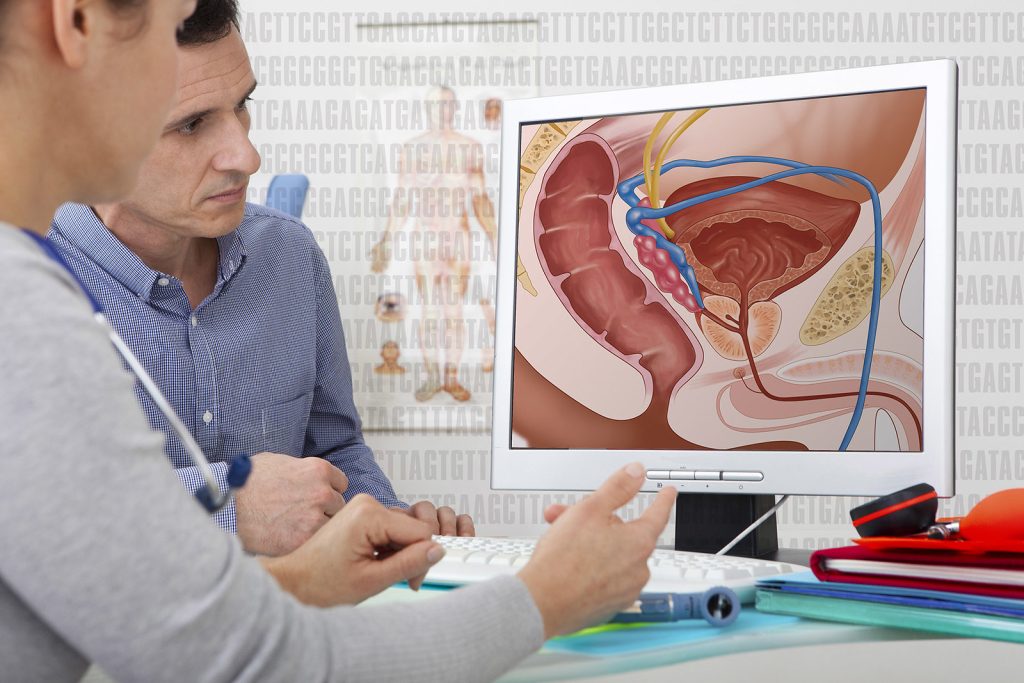
New Trial Tests Lower Dose Treatments for Prostate Cancer

Credit: Darryl Leja National Human Genome Research Institute National Institutes Of Health

A major UK clinical trial co-led by researchers at UCL will test whether lower doses of common hormone therapies can treat advanced prostate cancer while reducing the severe side effects many patients experience.

The ENHANCE trial, jointly funded by Cancer Research UK and Prostate Cancer UK, will recruit 1,500 men with advanced prostate cancer from hospitals across the UK to compare standard and half-dose treatment using four commonly prescribed hormone drugs. UCL is sponsoring the trial and Professor Allan Hackshaw (Director of CRUK & UCL Cancer Trials Centre, UCL Cancer Institute) is joint-lead investigator, alongside Professors Ananya Choudhury and Peter Hoskin at the University of Manchester.

Men diagnosed with advanced prostate cancer, where the disease has spread beyond the prostate, are typically treated with powerful hormone therapies that slow tumour growth. While these drugs can extend life, they can also cause debilitating side effects such as extreme fatigue, hot flushes and high blood pressure, which can make it difficult for some patients to remain on treatment.

Researchers hope the £3.2 million ENHANCE trial will show that lower doses of these drugs can be just as effective while improving patients’ quality of life. The trial has not yet been launched and is awaiting the relevant regulatory and ethics approvals.

Professor Allan Hackshaw said: “Although focus is often on cancer trials to improve survival, we also need to find more tolerable ways of treating cancer without compromising survival. Side effects of cancer therapies matter a lot to patients, especially when they are frequent.

“We believe that several modern cancer drugs can be given at a much lower dose than what they were licensed for. Not only would this improve patient’s quality of life, but healthcare costs would be lower allowing more access especially in countries that cannot afford these drugs at their current high dose. The ENHANCE study can therefore influence clinical practice worldwide.

“Furthermore, Black men are more likely to get prostate cancer, and they too suffer from the same side effects of hormone treatment. They are often under-represented in clinical trials, so the ENHANCE study is a good opportunity to show that they get the same benefits from lowering the treatment dose as other ethnic groups.”

ENHANCE will compare full and half-dose treatment across four hormone therapies widely used for advanced prostate cancer: abiraterone, enzalutamide, darolutamide and apalutamide. If successful, the findings could influence prostate cancer treatment guidelines in the UK and internationally as early as 2030, improving care for thousands of men and reducing costs for the NHS.

Dr Ian Walker, Executive Director of Policy at Cancer Research UK, said: “Thanks to research, there’s been huge progress in prostate cancer treatments. Today, more than 8 in 10 men diagnosed with the disease in the UK will survive for 10 years or more. There’s more that can be done to save even more lives though, and in addition to finding more effective treatments, we need to find kinder ones too. The ENHANCE trial is looking to do just that and could mean that men affected by prostate cancer live not just longer lives but have a better quality of life.”

Dr Matthew Hobbs, Director of Research at Prostate Cancer UK, said: “No man should be forced to compromise between survival and their day-to-day wellbeing. This is a crucial issue for men with prostate cancer. That’s why Prostate Cancer UK is thrilled to be working alongside Cancer Research UK, pooling our resources and expertise to deliver the impact men need by funding this bold new trial that puts men’s wellbeing at its centre.”

Prostate cancer is now the most common cancer in UK men. Around 55 900* men are diagnosed each year. While survival rates have tripled since the 1970s, many men still face difficult side effects from treatment.

Retired solicitor Jonathan Edwards, 80, from Cheshire, experienced severe side effects after starting the hormone-blocking drug enzalutamide following his prostate cancer diagnosis in 2024, but when his nurse reduced the dose, his cancer remained under control and his quality of life improved dramatically.

Jonathan said: “It was such a shock when I was diagnosed. I had several health issues and after many tests was eventually told that I was suffering from prostate cancer and that it had spread beyond the prostate wall to my bones. I was referred to The Christie Hospital for treatment and was prescribed hormone blockers. The side effects made me extremely tired; I was sleeping through the day on and off and I had frequent hot flushes and generally felt weak.

“When the nurse suggested lowering the dose I was not sure what to expect. The difference soon became apparent and I felt normal again. I know that I will stay on the medication for as long as it is effective but, in the meantime, I am able to live a pretty normal life. I now exercise more and do not usually need an afternoon sleep. Happily, my PSA level started to go down until, after a few months, it was undetectable and has so far remained undetectable.

“My life has been transformed by the medication, my energy levels are higher, and I can socialise as normal. Traveling was a problem but now I can plan trips as long as I work around the 12-week cycle of injections and consultations. I am delighted that this trial has the potential to help other men going through the same thing in the future by enabling them to be treated for prostate cancer with their quality of life still largely intact.”

At least 10 per cent of trial participants will be Black men. Historically under-represented in clinical trials, Black men are often treated based on data that may be less applicable to them. Although data shows Black men are more likely to develop prostate cancer, more evidence is needed to understand their risk of aggressive disease and the role of overdiagnosis.

Alongside testing lower doses, the trial will collect tissue, blood and urine samples to identify biomarkers that could help determine which men are most suitable for reduced-dose treatment, shaping more personalised care in the future.

*Based on the average annual number of new cases of prostate cancer (ICD10 C61) diagnosed in the UK in the years 2018-2019, 2021.

Source: University College London

Mechanoreceptors Set off Cascade of Damage Milliseconds After Spinal Trauma

View of the spinal cord. Credit: Scientific Animations CC4.0

Mechanoreceptors are present in the spinal cord from birth, are sensitive to mechanical stimuli, and play an important role in triggering the pathological events that follow trauma. What happens if they are blocked? The extent of the damage decreases. This is the finding of a new study published in The Journal of Physiology and conducted by a team at Scuola Internazionale Superiore di Studi Avanzati (SISSA), led by Professor Giuliano Taccola, with Atiyeh Mohammadshirazi as first author.

Everything happens within the very first milliseconds after the trauma, the scientists explained. It is during this brief time window that these spinal mechanoreceptors become active, triggering an impairment of the electrical signals that underlies normal neural communication. This initial event sets off a cascade of neurotoxic factors known as secondary damage, which amplifies and spreads the original traumatic lesion over the following hours and days.

Understanding the role of these receptors, according to the authors, is important not only for clarifying what happens during spinal shock. As demonstrated in the experiments, when their activity is blocked, the functional damage is also reduced. For this reason, spinal mechanoreceptors may represent a potential target for strategies aimed at reducing the disabling consequences of spinal cord injury.

Physical trauma disrupts electrical signaling

“It is well known that physical trauma to the spinal cord disrupts the flow of electrical signals that underlie the functioning of our nerve fibers. This phenomenon is known as DIP (Depolarizing Injury Potential). It begins almost immediately after trauma and continues propagating the primary damage over the following weeks, progressively worsening the lesion,” explain Atiyeh Mohammadshirazi and Giuliano Taccola. “However, the origins of this phenomenon are not yet fully understood.”

Yet, thanks to experiments carried out using highly sophisticated instrumentation invented by Professor Taccola and John Fischetti, the two scientists say, “we were able to discover something truly new.”

Mechanoreceptors and their role in the spread of damage

Receptors are cellular structures that respond to specific signals. Among them are mechanoreceptors, specialized proteins located on the cell membrane of sensitive cells that act as sensors for mechanical forces such as compression. Mechanoreceptors are found throughout the body, including around the spinal cord and within its central canal. In this environment, according to the SISSA research, they appear to play an important role in the propagation of injury.

The two authors explain, “In the progression of damage, depolarization precedes other well-known events such as the release of neurotoxic agents, and the inflammatory response that ultimately leads to cell death, the transient spinal hypoxia, and the rapid cell neuronal loss in the area of the primary lesion.” In this context, mechanoreceptors seem to contribute to initiating the depolarization process.

Mohammadshirazi and Taccola confirm: “When we blocked their activity in our experiments, we observed that the functional damage was significantly contained and limited.”

A possible avenue for reducing trauma-induced damage

“Our work,” conclude Giuliano Taccola and Carmen Falcone, who contributed to the histological analysis of the study, “explored what happens at the cellular level immediately after spinal trauma. As we explained, these injuries do not only involve the initial mechanical damage; they also trigger a cascade of complex neurotoxic events that amplify and worsen cellular damage and disrupt communication between neurons.”

They conclude: “With our laboratory model experiments, we demonstrated that blocking mechanosensitive receptors can effectively reduce the immediate pathological effects of spinal trauma. Our research is basic research, of course, and practical applications are still far away. Nevertheless, it may open a promising path to explore in the future to reduce spinal shock and the damage that follows trauma.”

Healthcare Under Attack: Why Cybersecurity is now Critical Care

Photo by Nahel Abdul on Unsplash

By Kerissa Varma, Microsoft Chief Security Advisor, Africa

Africa’s healthcare sector is facing a silent emergency. Many healthcare operators, facilities and doctors across Africa already grapple with the challenges of under-resourced environments, an uneven distribution of resources and massive demand for services. Now, healthcare administrators must turn their attention to a relatively new and extremely urgent concern. While doctors fight to save lives, cybercriminals are infiltrating hospitals, laboratories, and clinics, turning life-saving environments into digital battlegrounds.

A growing epidemic

World Health Organization director-general Tedros Adhanom Ghebreyesus noted that the digital transformation of healthcare, combined with the high value of health data, has made the sector a prime target for cybercriminals, commenting that “At best, these attacks cause disruption and financial loss. At worst, they undermine trust in the health systems on which people depend, and even cause patient harm and death.”

Recent attacks have exposed the fragility of Africa’s medical infrastructure. In May 2025, Mediclinic Southern Africa was hit by a cyber extortion attack, compromising sensitive HR data. Later in 2025, Lancet Laboratories faced a regulatory penalty for failing to notify patients about data breaches under South Africa’s POPIA law, while a ransomware strike on the National Health Laboratory Service disrupted blood test processing nationwide, delaying critical care for millions.

M-Tiba, a Kenyan digital health platform managed by CarePay and backed by Safaricom, suffered a significant cyberattack and data breach in late 2025, while earlier this year Pharmacie.ma, a Moroccan pharmaceutical platform, was reportedly the target of an alleged data leak incident that allegedly involved the unauthorised export of a customer database. And recent research indicates that Nigeria’s private healthcare sector is now one of the most targeted on the African continent, with attacks increasing at an alarming rate.

Many incidents also go unreported, as hospitals and healthcare facilities rarely disclose them publicly, yet these incidents are not isolated, with ransomware dominating the threat landscape. Africa’s healthcare sector is heavily targeted by cybercriminals, with healthcare organisations facing an average of 3575 weekly attacks in 2025, a 38% surge from the previous year, with encryption of patient data, temporary loss of access to hospital systems and the risk of data appearing on the dark web cited as potential impacts.

Why healthcare is a prime target

The healthcare industry in Africa, particularly in the public sector, is working with legacy systems, fragmented infrastructure, and underfunded IT teams, all of which combine to make the sector an easy target for unscrupulous bad actors.

Many medical institutions are adopting open-source AI tools for diagnostics and patient management. While cost-effective, these platforms often lack enterprise-grade security, leaving sensitive data exposed. Combined with fragmented storage of paper and electronic patient records – often unencrypted and scattered across multiple systems – the risk of breaches multiplies.

Hospitals and healthcare facilities cannot afford downtime. Every minute offline risks lives, making them more likely to pay ransoms in an attempt to regain control of their systems. Cyber insurers  indicate that in 2 of 5 cases of a ransom being paid, data and operations still cannot be recovered. Additionally, in instances where some or all of the seized data is recovered after paying a ransom, the attacker goes on to request further payments.

Medical records are also a premium target for cybercriminals. In the USA, researchers found that patient records, insurance details, and research data fetch premium prices on the dark web – up to 10 times higher than financial data, according to cybersecurity analysts. A single stolen medical record can sell for $260–$310, compared to $30–$50 for a credit card, because unlike credit cards, medical records never expire and medical information cannot be easily changed, making it useful for years. Medical records frequently include personal identifiers, insurance details, and sometimes biometric data, enabling identity theft and fraud, while criminals use medical data for fake insurance claims, prescription fraud, and targeted scams. Microsoft believes cybersecurity needs to be embedded into every technology implementation. This should be a key priority, especially with sensitive medical data and operations.

How healthcare can use modern technology safely

As Africa’s healthcare systems digitise and embrace AI, protecting the digital lifeline must become as critical as protecting the physical one. Key steps can secure healthcare organisations and facilities like laboratories and diagnostic services’ systems.

Include cybersecurity in your resilience planning

Medical professionals and healthcare facilities often prioritise the resilience of physical capabilities. Power backups, multiple devices should equipment fail, and a standby roster in the event of a practitioner being unavailable are all practices that save lives. Equally cybersecurity and safeguarding online systems needs to be built into the overall resilience planning of medical facilities and services.

Investing in cybersecurity technology that can quickly identify and contain attacker activity before it leads to system downtime or data theft can save lives. Having a response plan that is practiced and maintained in the event of a cyber breach and ensuring strong data backups could mean the difference between a total failure of health services or a minor incident. Ensuring incident response plans are aligned with local compliance laws such as South Africa’s POPIA, and Kenya and Nigeria’s Data Protection Acts is critical for healthcare providers to meet both their resilience and compliance objectives.

Prepare for AI-driven attacks that are going to increase attacker speed and success

Threat actors are increasingly exploiting the interconnectedness of modern software ecosystems and operational structures to conduct malicious activity, so regular auditing of third-party integrations, especially those involving AI or cloud services, is critical.

Adversaries are using AI to scale and tailor operations, with AI-driven phishing being 4.5x more effective than traditional phishing. However, in equal measure, AI is transforming cyber defence – it automates response and containment, detects threats faster and more accurately, and identifies detection gaps and adapts to attacker behaviour. Healthcare organisations should invest in AI-driven threat detection for faster response and anomaly detection and must also take steps to secure AI models and data pipelines by implementing robust access controls, vulnerability scanning, and regular patching for open-source tools.

Remote and wider access to patient records requires strong identity practices

As both patients and medical professionals start accessing patient records digitally, strong means of identification, verification and authentication are critical. The Microsoft Digital Defense Report 2025 notes that the abuse of valid accounts is a frequent occurrence, with malicious actors gaining access to user credentials (usernames and passwords) and using them to infiltrate systems without triggering traditional security alerts. Therefore, organisations must deploy phishing-resistant multifactor authentication (MFA) and conditional access to strengthen user defences.

Invest in people and skills

People are at the heart of robust cybersecurity measures, so it is vital to train staff against common tactics such as phishing, which is the most common entry point for attackers, and apply role-based access controls for both clinical and research data to prevent privilege misuse.

Cybersecurity is no longer an IT issue – it’s a patient safety issue. Healthcare services and providers must treat digital resilience with the same urgency as infection control. By investing in comprehensive cybersecurity strategies and leveraging AI-powered defences, Africa’s healthcare sector can position itself as a crucial front line against emerging threats and help build stronger, more resilient digital ecosystems.

High Meat Intake Linked to Lower Dementia Risk in APOE4

Photo by Jose Ignacio Pompe on Unsplash

Older people with a genetic risk of Alzheimer’s disease did not experience the expected increase in cognitive decline and dementia risk if they consumed relatively large amounts of meat. This is shown in a new study from Karolinska Institutet published in JAMA Network Open. The results may contribute to the development of more individually tailored dietary advice.

APOE is a gene that affects the risk of Alzheimer’s disease. In Sweden, approximately 30 per cent of the population are carriers of the gene combinations APOE 3/4 or APOE 4/4. Among people with Alzheimer’s disease, those with these genotypes account for nearly 70 per cent.

When the Swedish Food Agency presented an overview of research on the link between diet and dementia last year, more research was requested to assess a possible link between meat consumption and the development of dementia.

‘This study tested the hypothesis that people with APOE 3/4 and 4/4 would have a reduced risk of cognitive decline and dementia with higher meat intake, based on the fact that APOE4 is the evolutionarily oldest variant of the APOE gene and may have arisen during a period when our evolutionary ancestors ate a more animal-based diet,’ says first author Jakob Norgren, researcher at the Department of Neurobiology, Care Sciences and Society, Karolinska Institutet.

The study followed more than 2100 participants in the Swedish National Study on Aging and Care, Kungsholmen (SNAC-K) for up to 15 years. All were aged 60 or older and had no diagnosis of dementia at the start of the study. The association between self-reported diet and cognitive health measures was analysed, adjusting for age, sex, education and lifestyle factors.

Twice the risk of dementia

At lower meat intake, the group with APOE 3/4 and 4/4 had more than twice the risk of dementia than people without these gene variants. However, the increased risk of cognitive decline and dementia in the risk groups was not seen in the fifth of participants who consumed the most meat. Their median consumption is estimated at approximately 870 grams of meat per week, standardised to a daily energy intake of 2,000 calories.

‘Those who ate more meat overall had significantly slower cognitive decline and a lower risk of dementia, but only if they had the APOE 3/4 or 4/4 gene variants,’ says Jakob Norgren. He continues: 

‘There is a lack of dietary research into brain health, and our findings suggest that conventional dietary advice may be unfavourable to a genetically defined subgroup of the population. For those who are aware that they belong to this genetic risk group, the findings offer hope; the risk may be modifiable through lifestyle changes. ‘

The study also shows that the type of meat is important.

‘A lower proportion of processed meat in total meat consumption was associated with a lower risk of dementia regardless of APOE genotype,’ says Sara Garcia-Ptacek, assistant professor at the same department, who together with senior lecturer Erika J Laukka is the study’s last author.

The findings also extend beyond brain health. In a follow-up analysis, the researchers observed a significant reduction in all-cause-mortality in carriers of APOE 3/4 and 4/4 with higher consumption of unprocessed meat.

However, the study is observational and needs to be followed up with intervention studies that can better demonstrate causal relationships.

‘Clinical trials are now needed to develop dietary recommendations tailored to APOE genotype,’ says Jakob Norgren. He continues:

‘Since the prevalence of APOE4 is about twice as high in the Nordic countries as in the Mediterranean countries, we are particularly well suited to conduct research on tailored dietary recommendations for this risk group.’

The research was funded by, among others, the Swedish Alzheimer’s Foundation, the Swedish Dementia Foundation, the Emil and Wera Cornell Foundation, the Leif Lundblad family and other philanthropists, the Swedish Research Council and FORTE. The researchers state that they have no related conflicts of interest.

APOE Gene Facts:

Apolipoprotein E plays a central role in the transport of cholesterol and fats in the brain and blood. The protein is encoded by the APOE gene, which exists in three main variants: epsilon 2, 3 and 4. These variants affect the risk of developing Alzheimer’s disease and cardiovascular disease. Each person inherits two APOE genes, one from each parent, giving six possible combinations (genotypes): 2/2, 2/3, 2/4, 3/3, 3/4 and 4/4.

Compared to the most common genotype 3/3, one 4 variant increases the risk of Alzheimer’s disease by about three to four times and two 4 variants by about ten to fifteen times, while the 2 variant is associated with a lower risk. However, the increase in risk varies between different ethnic groups.

Source: Belloy et al., JAMA Neurology, 2023

Source: Karolinska Institutet

Closing the Gap on Eye Care Through Early Detection this World Optometry Week

Uneven access to optometry services in South Africa puts pressure on prevention, but collaboration and technology are helping shift the dial.

Photo by Hush Naidoo Jade Photography on Unsplash

Access to good eye care in South Africa remains uneven, resulting in many conditions being diagnosed too late. World Optometry Week, observed from 22 to 28 March, shines a light on this reality, where one in 10 South Africans suffers from some form of vision loss, highlighting the importance of eye health and the role early detection plays in preventing avoidable vision loss.

This challenge is exacerbated by the fact that, while there are approximately 4 200 registered optometrists in South Africa, only a small proportion practise in the public sector. This limits access to care for many communities and delays diagnosis, particularly in under-resourced areas. As a result, prevention remains one of the most important, yet underutilised, tools in protecting eye health.

“The reality is that many serious eye conditions develop without noticeable symptoms early on,” says Dr Themba Hadebe, Clinical Executive at Bonitas. “By the time vision is affected, the condition may already be advanced. Regular eye tests are critical in detecting issues early and preventing avoidable vision loss.”

This year’s World Optometry Week theme, “A Shared Vision: Collaboration in Global Eye Care”, underscores the need for a coordinated approach to improve access, strengthen prevention and enable early diagnosis. This is one way to ease pressure on the broader healthcare system, since identifying conditions earlier reduces the likelihood of more complex interventions later, benefiting both patients and providers.

Why early detection matters

Conditions linked to chronic illnesses, particularly diabetes, remain a significant contributor to vision loss in South Africa. Diabetic retinopathy is among the leading causes of blindness in working-age adults, yet it often develops without pain or early warning signs.

Advances in optometric technology are beginning to shift how the risks of permanent damage are identified and managed. Developments highlighted by the American Optometric Association point to a growing role for AI-assisted diagnostics and enhanced imaging in improving both the speed and accuracy of screening. These tools support clinicians by flagging potential abnormalities during routine eye tests, enabling earlier referral for further assessment where needed.

Within this context, collaboration between medical schemes and provider networks plays a role in strengthening preventative care. Through its partnership with PPN, Bonitas provides members with access to diabetic retinopathy screening as part of the eye testing process at participating network practices.

The screening process uses AI-assisted technology to evaluate retinal images in real time, flagging any irregularities that could indicate early-stage disease. This allows clinicians to identify potential issues ranging from diabetic retinopathy to glaucoma or macular degeneration before they progress to more serious stages. Patients who require further assessment are referred for secondary care, ensuring timely intervention and reducing the risk of irreversible vision loss.

“This approach extends the reach of early detection by combining advanced technology with coordinated care and helps make the most of the limited number of specialists available,” says Hadebe. “Spotting problems early dramatically improves outcomes while reducing pressure on our healthcare system. In practice, it means a member could walk into a routine check-up and leave with peace of mind, or if something is flagged, a clear path to treatment.”

As World Optometry Week highlights, awareness must translate into action. In a healthcare environment where access is not equal, regular eye tests, particularly for those at higher risk, remain essential to safeguarding vision and improving long-term health outcomes.