Day: February 4, 2026

Potential New Treatment for Sepsis Shows Promise in Trial

Griffith University researchers may have unlocked the secret to treating sepsis, with a Phase II clinical trial in China successfully concluding with promising results.

Photo by Alex Fedini on Pixabay

Griffith University researchers may have unlocked the secret to treating sepsis, with a Phase II clinical trial in China successfully concluding with promising results. The sepsis drug candidate, a carbohydrate-based drug called STC3141, was co-developed by Distinguished Professor Mark von Itzstein AO and his team from Griffith’s Institute for Biomedicine and Glycomics, and Professor Christopher Parish and his team at The Australian National University.

“The trial met the key endpoints to indicate the drug candidate was successful in reducing sepsis in humans,” Professor von Itzstein said.

STC3141 was administered as an infusion via a cannula and counteracted a significant biological molecule release phenomenon which occurred in the body during the course of sepsis.

The small-molecule experimental drug was a carbohydrate-based molecule and could treat sepsis by reversing organ damage.

Sepsis was known to affect millions of hospitalised patients across the world each year and occurred when the body’s immune response to an infection attacked and injured its own tissues and organs.

“When sepsis is not recognised early and managed promptly, it can lead to septic shock, multiple organ failure and death,” Distinguished Professor von Itzstein said.

The trial, conducted by Grand Pharmaceutical Group Limited (Grand Pharma), involved 180 patients with sepsis, one of the leading causes of death and long-term disability worldwide.

Currently, there is no specific anti-sepsis therapy available, and sepsis is considered a clinical unmet need.

Professor von Itzstein said Grand Pharma would now look to progress to a Phase III trial to continue testing the efficacy of the novel treatment.

“It’s hoped we could see the treatment reach the market in a handful years, potentially saving millions of lives,” he said.

Executive Director of the Institute for Biomedicine and Glycomics, Professor Paul Clarke, said: “I am thrilled to see the results of the trial which ultimately aims to save lives.”

“The Institute and its researchers collectively work on translational research to deliver real and immediate impacts both in Australia, and globally to transform lives.”

Source: Griffith University

Strong Evidence for Effectiveness of Metastasis-directed Radiotherapy in Prostate Cancer

Photo by Jo McNamara

Metastasis-directed therapy (MDT) significantly improved outcomes in patients with oligometastatic prostate cancer, according to a new study from researchers at The University of Texas MD Anderson Cancer Center published today in Lancet Oncology.

The study is a first-of-its-kind meta-analysis of individual patients across all available randomised clinical trials evaluating the addition of metastasis-directed radiation therapy to standard-of-care treatment.

According to corresponding author Chad Tang, MD, associate professor of Genitourinary Radiation Oncology, gathering level one evidence of the benefits of MDT in this cancer type has been a challenge due to several factors. Most significant among them are that only a small number of patients have oligometastatic cancer – meaning they have multiple metastases but not enough to be considered widely metastatic – and the relative indolence of oligometastatic disease.

“If we can identify and treat this disease in the narrow window before it spreads too far, we know that patient outcomes are significantly better. But gathering this data is difficult,” Tang said. “By bringing together all available patient data from randomized clinical trials, we have provided the best evidence to date that MDT improves patient outcomes.”

What is MDT and what is the significance of this study on oligometastatic prostate cancer?

Broadly, MDT can include multiple treatment approaches. In this setting, the most common form of MDT is radiation therapy, which targets metastases at a stage when cancer has begun to spread but hasn’t yet spread widely. This approach potentially brings several benefits to patients, such as delaying the time to progression and limiting the need for more aggressive therapies that will further impact quality of life.

The most common form of MDT is stereotactic body radiation therapy (SBRT), a type of very precise radiation therapy. In previous studies, like the Phase II EXTEND trial presented in 2024, MDT significantly improved progression-free survival (PFS). 

These and similar findings have led to widespread adoption of MDT in the oligometastatic setting, despite the lack of level one evidence.

To try and address that lack of data, researchers from several institutions created a global consortium, known as X-MET, to gather the data from all randomized trials for analysis at MD Anderson. Individual patient data from seven trials were ultimately included in this meta-analysis, known as WOLVERINE.

What were the results of the study?

This study, which included 574 men, showed a significant benefit for the patients receiving the MDT arm in PFS, radiographic PFS, and castration resistance-free survival.

Patients in the MDT arm gained a median of 7.6 months before disease progression, 4.9 months before radiographic disease progression, and 2.5 months before developing castration-resistance disease, compared to patients receiving standard of care alone. These findings were consistent across the individual trials and in the aggregated data.

Additionally, there were no significant differences in safety between the treatment arms. No grade five toxicities were observed in either arm, and any adverse effects above grade two were similar between the two arms.

“We hope that this dataset will lay the groundwork for future Phase III trials, which hopefully will show an overall survival benefit for these patients,” Tang said. “However, what this data does already show is the best evidence to date that MDT significantly benefits patients without adding any notable safety risks.”

Source: The University of Texas MD Anderson Cancer Center

AI Treatment Advice Diverges with Physicians’ in Late Stage HCC

LLMs tended to prioritise tumour-related factors whereas physicians prioritise liver function when providing treatment recommendations

Photo by National Cancer Institute on Unsplash

Large language models (LLM) can generate treatment recommendations for straightforward cases of hepatocellular carcinoma (HCC) that align with clinical guidelines but fall short in more complex cases, according to a new study by Ji Won Han from The Catholic University of Korea and colleagues published January 13th in the open-access journal PLOS Medicine.

Choosing the most appropriate treatment for patients with liver cancer is complicated. While international treatment guidelines provide recommendations, clinicians must tailor their treatment choice based on cancer stage and liver function as well as other factors such as comorbidities.

To assess whether LLMs can provide treatment recommendations for hepatocellular carcinoma (HCC) that reflect real-world clinical practice, researchers compared suggestions generated by three LLMs (ChatGPT, Gemini, and Claude) with actual treatments received by more than 13,000 newly diagnosed patients with HCC in South Korea.

They found that, in patients with early-stage HCC, higher agreement between LLM recommendations and actual treatments was associated with improved survival. The inverse was seen in patients with advanced-stage disease. Higher agreement between LLM treatment recommendations and actual practice was associated with worse survival. LLMs placed greater emphasis on tumor factors, such as tumor size and number of tumors, while physicians prioritized liver function.

Overall, the findings suggest that LLMs may help to support straightforward treatment decisions, particularly in early-stage disease, but are not presently suitable for guiding care decisions for more complex cases that require nuanced clinical judgment. Regardless of stage, LLM advice should be used with caution and considered as a supplement to clinical expertise.

The authors add, “Our study shows that large language models can help support treatment decisions for early-stage liver cancer, but their performance is more limited in advanced disease. This highlights the importance of using LLMs as a complement to, rather than a replacement for, clinical expertise.”

Provided by PLOS

Research Finds Protein Behind Radiotherapy-induced Skin Damage

The protein Dickkopf 3 plays a key role in the development of radiation-induced fibroses – and could be a promising target for novel therapies

Picture by Macrovector on Freepik

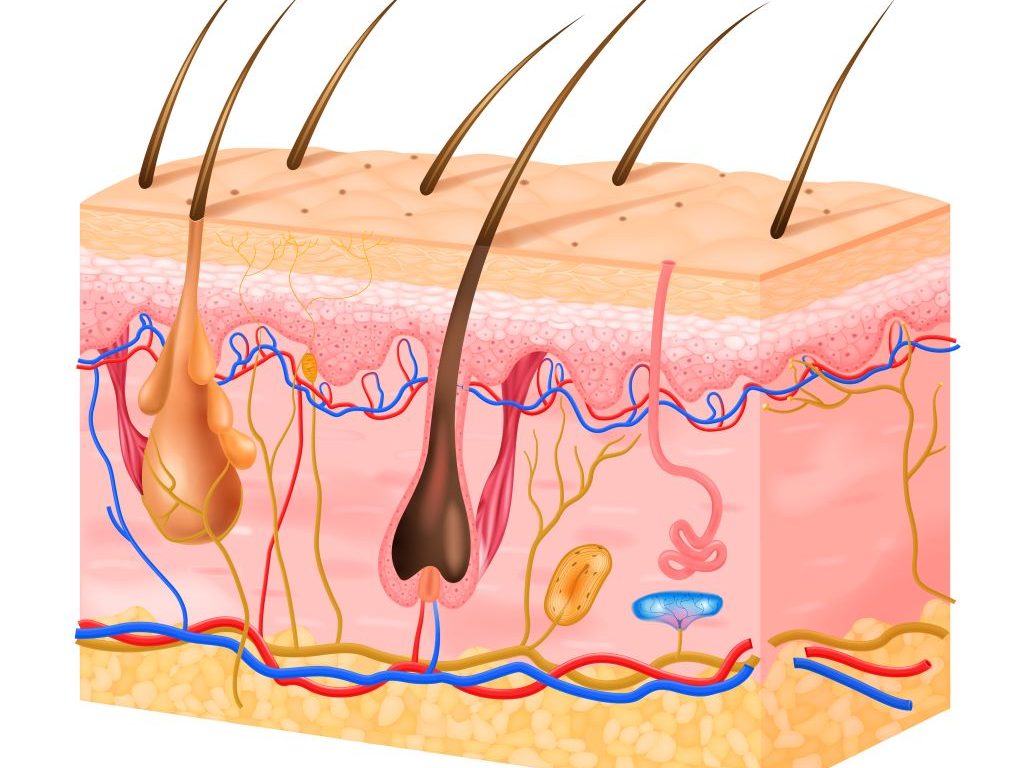
Radiotherapy is one of the main treatment forms for cancer. Among its most common side effects is skin damage, right up to chronic inflammations and fibroses. At present, such long-term damage can only be treated symptomatically and leads to thickened, painful, or sensitive skin for months to years after the radiation treatment. A team led by LMU immunologist Professor Peter Nelson (LMU University Hospital) and Roger Sandhoff and Peter E. Huber from the German Cancer Research Center (DKFZ) has identified a protein called Dickkopf 3 (DKK3) as a main cause of long-term skin damage after radiotherapy – a decisive step for the development of novel, more targeted therapy options.

The results were published in Signal Transduction and Targeted Therapy.

By investigating mouse models and human cells and tissue samples, the researchers demonstrated that DKK3 is activated after radiotherapy in a certain group of skin cells that are responsible for skin renewal. This activity triggers a chain reaction which promotes inflammations and the formation of scar-like tissue and leads to chronic skin damage. The key findings were driven by the work of LMU students, Li Li and Khuram Shehzad. Their efforts were essential in identifying DKK3 as the critical molecular mediator and in establishing the mechanistic framework presented in the paper. “We also observed similar processes in the kidney,” says Nelson. “This indicates that the activation of DKK3 is a fundamental mechanism that promotes fibrosis in various tissues.”

According to the researchers, these findings underscore that DKK3 represents a promising new treatment target. “Drugs that block DKK3 could one day help prevent or reduce long-term skin damage after radiotherapy and thus improve the quality of life of cancer patients and survivors,” says Nelson. The researchers are currently investigating, moreover, whether this approach could also contribute to the prevention of scar formation in other organs.

Source: Ludwig Maximilian University of Munich

New Monthly Infusion Could Replace Daily Immunosuppressants for Kidney Transplants

Monthly infusion could replace daily drug regimen with a less toxic treatment that improves renal function.

Photo by Robina Weermeijer on Unsplash

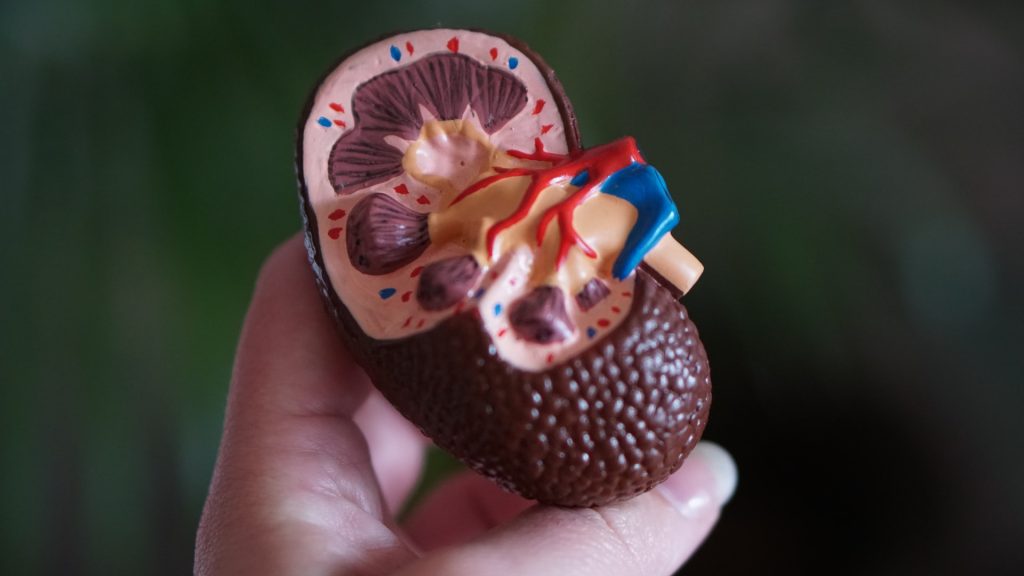
Anew study offers hope that kidney transplant patients could one day have a monthly treatment instead of multiple pills every day. The new treatment also may reduce side effects and increase the lifespan of the donor organ.

Currently, patients who have had a kidney transplant must take a cocktail of pills every day for the rest of their lives. These standard immunosuppressants prevent the immune system from attacking the new organ, but over time may damage kidney function and become less effective.

Plus, standard immunosuppressants are also lead to diabetes, hypertension, high cholesterol, and weight gain that can lead to transplant patients skipping doses, noted the study’s first author Flavio Vincenti, MD, professor of medicine and surgery in the Division of Nephrology at UC San Francisco. Other side effects include fatigue, muscle weakness, sexual dysfunction, hair loss, and sleeplessness.

Patients showed improvement

In the phase 2 pilot study, 23 patients received infusions of belatacept and dazodalibep, proteins that disrupt the immune system’s attack on the new organ but that do not affect non-immune cells the way standard treatment does.

Kidney function improved in all patients who completed the study and was similar for those who experienced organ rejection. No patient experienced rejection due to antibodies produced by the immune system, which is a major cause of transplant failure. Results were published Feb. 3 in the American Journal of Transplantation.

“We would hope to see better medication compliance with the new regimen since it does not involve taking multiple medications every day,” Vincenti said.

Study patients received standard immunosuppressants at first, but these were discontinued by day 28 in favour of the infusions for the remainder of the 48-week study.

Two of the first three patients experienced organ rejection, which was effectively treated and the rejection reversed. Drug frequency and dosing were revised in response for the remaining patients, 13 of whom completed the study. Seven patients withdrew due to acute kidney rejection, side effects, or for unspecified reasons.

The next phase of the study will determine if these early findings are replicated in a large patient pool, said senior author Allan D. Kirk, MD, PhD, professor of surgery at Duke University School of Medicine.

“We hope that most patients can be spared the toxic effects of immunosuppressants, which would be reserved for those with certain high-risk factors,” said Kirk.

Source: University of California San Francisco