Year: 2023

Plant Compound could Prove to be a Potent Tool against Candida

Photo by CDC on Unsplash

A new study published in the journal ACS Infectious Diseases has found that a natural compound found in many plants inhibits the growth of drug-resistant Candida fungi – including its most virulent species, Candida auris, an emerging global health threat.

Led by Emory University researchers, the study used in vitro experiments that showed that the natural compound, a water-soluble tannin known as PGG, blocks 90% of the growth in four different species of Candida fungi. The researchers also discovered the mechanism by which PGG inhibits the growth: It grabs up iron molecules, essentially starving the fungi of an essential nutrient.

By starving the fungi rather than attacking it, the PGG mechanism does not promote the development of further drug resistance, unlike existing antifungal medications. In vitro testing also showed minimal toxicity of PGG to human cells.

“Drug-resistant fungal infections are a growing healthcare problem but there are few new antifungals in the drug-development pipeline,” says Cassandra Quave, senior author of the study and assistant professor at Emory University. “Our findings open a new potential approach to deal with these infections, including those caused by deadly Candida auris.”

C. auris is often multidrug-resistant and has a high mortality rate, leading the Centers for Disease Control and Prevention (CDC) to label it a serious global health threat.

“It’s a really bad bug,” says Lewis Marquez, first author of the study and a graduate student in Emory’s molecular systems and pharmacology programme. “Between 30 to 60% of the people who get infected with C. auris end up dying.”

An emerging threat

Some species of Candida, a yeast commonly found on the skin or in the digestive tract, can cause infection, which can be invasive and life-threatening. Immunocompromised people, including many hospital patients, are most at risk for invasive Candida infections, which are rapidly evolving drug resistance.

In 2007, the new Candida species, C. auris, emerged in a hospital patient in Japan. Since then, C. auris has caused health care-associated outbreaks in more than a dozen countries around the world with more than 3000 clinical cases reported in the United States alone.

A ‘natural’ approach to drug discovery

Quave is an ethnobotanist, studying how traditional people have used plants for medicine to search for promising new candidates for modern-day drugs. Her lab curates the Quave Natural Product Library, which contains 2500 botanical and fungal natural products extracted from 750 species collected at sites around the world.

“We’re not taking a random approach to identify potential new antimicrobials,” Quave says. “Focusing on plants used in traditional medicines allows us to hone in quickly on bioactive molecules.”

Previously, the Quave lab had found that the berries of the Brazilian peppertree, a plant used by traditional healers in the Amazon for centuries to treat skin infections and some other ailments, contains a flavone-rich compound that disarms drug-resistant staph bacteria. They had also found that the leaves of the Brazilian peppertree contain PGG, a compound that has shown antibacterial, anticancer and antiviral activities in previous research.

A 2020 study by the Quave lab, for instance, found that PGG inhibited growth of Carbapenem-resistant Acinetobacter baumannii, a bacterium that infects humans and is categorised as one of five urgent threats by the CDC.

The Brazilian peppertree is a member of the poison ivy family. “PGG has popped up repeatedly in our laboratory screens of plant compounds from members of this plant family,” Quave says. “It makes sense that these plants, which thrive in really wet environments, would contain molecules to fight a range of pathogens.”

Experimental results

The Quave lab decided to test whether PGG would show antifungal activity against Candida.

In vitro experiments demonstrated that PGG blocked around 90% of the growth in 12 strains from four species of CandidaC. albicans, multidrug-resistant C. auris and two other multidrug-resistant non-albicans Candida species.

PGG is a large molecule known for its iron-binding properties. The researchers tested the role of this characteristic in the antifungal activity.

“Each PGG molecule can bind up to five iron molecules,” Marquez explains. “When we added more iron to a dish, beyond the sequestering capacity of the PGG molecules, the fungi once again grew normally.”

Dish experiments also showed that PGG was well-tolerated by human kidney, liver and epithelial cells.

“Iron in human cells is generally not free iron,” Marquez says. “It is usually bound to a protein or is sequestered inside enzymes.”

A potential topical treatment

Previous animal studies on PGG have found that the molecule is metabolised quickly and removed from the body. Instead of an internal therapy, the researchers are investigating its potential efficacy as a topical antifungal.

“If a Candida infection breaks out on the skin of a patient where a catheter or other medical instrument is implanted, a topical antifungal might prevent the infection from spreading and entering into the body,” Marquez says.

The researchers will bext test PGG as a topical treatment for fungal skin infections in mice.

Meanwhile, Quave and Marquez have applied for a provisional patent for the use of PGG for the mitigation of fungal infections.

“These are still early days in the research, but another idea that we’re interested in pursuing is the potential use of PGG as a broad-spectrum microbial,” Quave says. “Many infections from acute injuries, such as battlefield wounds, tend to be polymicrobial so PGG could perhaps make a useful topical treatment in these cases.”

Source: Emory University

Why Tumours so Often Metastasise to the Spine

The vertebral bones that constitute the spine are derived from a distinct type of stem cell that secretes a protein favouring tumour metastases, according to a study led by researchers at Weill Cornell Medicine. The discovery, published in Nature, opens up a new line of research on spinal disorders and helps explain why solid tumours so often spread to the spine, and could lead to new orthopaedic and cancer treatments.

Vertebral bone was found to be derived from a stem cell that is different from other bone-making stem cells. Using bone-like “organoids” made from vertebral stem cells, they showed that the known tendency of tumours to spread to the spine rather than long bones is due largely to a protein called MFGE8, secreted by these stem cells.

“We suspect that many bone diseases preferentially involving the spine are attributable to the distinct properties of vertebral bone stem cells,” said study senior author Dr Matthew Greenblatt.

In recent years, Dr Greenblatt and other scientists have found that different types of bone are derived from different types of bone stem cells. Since vertebrae develop along a different pathway early in life, and also appear to have had a distinct evolutionary trajectory, Dr Greenblatt and his team hypothesised that a distinct vertebral stem cell probably exists.

The researchers started out by isolating what are broadly known as skeletal stem cells, which give rise to all bone and cartilage, from different bones in lab mice based on known surface protein markers of such cells. They then analysed gene activity in these cells to see if they could find a distinct pattern for the ones associated with vertebral bone.

This effort yielded two key findings. The first was a new and more accurate surface-marker-based definition of skeletal stem cells as a whole. This new definition excluded a set of cells that are not stem cells that had been included in the old stem cell definition, thus clouding some prior research in this area.

The second finding was that skeletal stem cells from different bones do indeed vary systematically in their gene activity. From this analysis, the team identified a distinct set of markers for vertebral stem cells, and confirmed these cells’ functional roles to form spinal bone in further experiments in mice and in lab-dish cell culture systems.

The researchers next investigated the phenomenon of the spine’s relative attraction for tumour metastases, including breast, prostate and lung tumours, compared to other types of bone. The traditional theory, dating to the 1940s, is that this “spinal tropism” relates to patterns of blood flow that preferentially convey metastases to the spine versus long bones. But when the researchers reproduced the spinal tropism phenomenon in animal models, they found evidence that blood flow isn’t the explanation, finding instead a clue pointing to vertebral stem cells as the possible culprits.

“We observed that the site of initial seeding of metastatic tumour cells was predominantly in an area of marrow where vertebral stem cells and their progeny cells would be located,” said study first author Dr Jun Sun, a postdoctoral researcher in the Greenblatt laboratory.

Subsequently, the team found that removing vertebral stem cells eliminated the difference in metastasis rates between spine bones and long bones. Ultimately, they determined that MFGE8, a protein secreted in higher amounts by vertebral compared to long bone stem cells, is a major contributor to spinal tropism. To confirm the relevance of the findings in humans, the team collaborated with investigators at Hospital for Special Surgery to identify the human counterparts of the mouse vertebral stem cells and characterise their properties.

The researchers are now exploring methods for blocking MFGE8 to reduce the risk of spinal metastasis in cancer patients. More generally, said Dr Greenblatt, they are studying how the distinctive properties of vertebral stem cells contribute to spinal disorders.

“There’s a subdiscipline in orthopaedics called spinal orthopaedics, and we think that most of the conditions in that clinical category have to do with this stem cell we’ve just identified,” Dr Greenblatt said.

Source: Weill Cornell Medicine

New Research Points to Clot Lysis Protein for Cholesterol Control

Source: Wikimedia CC0

While high levels of low-density lipoprotein (LDL) can be reduced by drugs such as statins, reducing the risk of myocardial infarction and stroke, risk still remains in the form of other cholesterols. New research published in the journal Science describes how manipulating a protein involved in blood clot lysis could help bring cholesterol levels even more under control.

Heart disease remains a leading cause of death worldwide, despite advances in cholesterol-lowering medication such as proprotein convertase subtilisin-kexin type 9 inhibitors, which were approved by the FDA in 2015. One clinical trial following patients taking proprotein convertase subtilisin-kexin type 9 inhibitors demonstrated a benefit while also revealing an opportunity for improvement as the absolute risk reduction was considered modest at 1.5%.

“It is clear that there is more going on than just what statins and these newer inhibitor drugs can control,” says Ze Zheng, MBBS, PhD, MCW assistant professor of medicine. “More therapies are needed, and to get them we need to know more about other sources of risk for heart disease, especially heart attacks and strokes.”

So-called “bad cholesterol” is carried by apolipoprotein B (apoB) which forms well-structured particles with lipids and proteins. These particles serve as stable vehicles for transporting lipids such as cholesterol in the bloodstream. These lipid-rich particles mostly include very-low-density lipoprotein (VLDL) and low-density lipoprotein (LDL). Current cholesterol-lowering reduce mainly LDL levels, which though important to control, is not the only risk factor for heart disease. In fact, the other lipoproteins in the same group as LDL are not reduced by much with available treatments. Dr Zheng and her team are investigating how to reduce levels of other members of this family of lipoproteins, especially VLDL.

“With my background in lipid metabolism, I found myself consistently checking lipid levels even during studies regarding blood clot lysis and how an impairment in the body’s ability to remove blood clots affects the risk of blood vessel blockages,” Dr Zheng adds. “I was just naturally curious about it, and I noticed that a protein I was studying may have an effect on the amount of circulating cholesterol.”

In prior research, Dr Zheng has helped define a new cellular source of this protein, tissue-type plasminogen activator (tPA), and its role in breaking down blood clots and preventing blood vessel blockages. To understand its potential influence on cholesterol levels, her team used a gene-editing technique to stop liver cells from producing tPA in mice prone to blood vessel plaque formation. The scientists found that the mice developed increased lipoprotein-cholesterol in this experiment, and then validated the findings in follow-up studies using human liver cells and a type of rat liver cell known to produce VLDL in a way similar to human liver cells. With these and other experimental results, Dr Zheng and her team have demonstrated a new, important role that liver tPA influences blood cholesterol levels while underscoring a meaningful connection between the liver, heart and blood vessels.

“After defining this new role for tPA, we turned our attention to the question of how it changes blood cholesterol levels,” notes Wen Dai, MD, research scientist, Versiti Blood Research Institute.

The liver contributes to the majority of the “bad” apoB-lipoproteins by making VLDL. The team focused on whether and how tPA impacts the process of VLDL assembly in the liver. Microsomal triglyceride transfer protein (MTP) is required for the assembly of VLDL due to its role carrying lipids to the apoB. The scientists determined that tPA binds with the apoB protein in the same place as MTP. The more tPA is present, the fewer opportunities MTP has to connect with apoB and catalyse the creation of new VLDL. Essentially, MTP tries to pass a cholesterol to apoB, but tPA interferes with this pocess.

“Based on our prior research, we knew it also was critical to look at tPA’s primary inhibitor,” Dr. Zheng says.

Plasminogen activator inhibitor-1 (PAI-1) is known to block the activity of tPA. Scientists also have found a correlation between PAI-1 levels in blood and the development of disease due to plaque formation and blockages in blood vessels. The team found that higher levels of PAI-1 reduced the ability of tPA to bind with apoB proteins, rendering tPA less effective at competing with MTP to prevent VLDL production. Returning to the biological gridiron, PAI-1 might be a decoy receiver that distracts tPA until MTP connects with apoB for a big gain. The team studied this interaction in human subjects with a naturally occurring mutation in the gene carrying the code for PAI-1. The researchers found that these individuals, as predicted, had higher tPA levels and lower LDL and VLDL levels than individuals from the same community who did not have the same mutation.

“We are investigating therapeutic strategies based on these findings regarding tPA, MTP and PAI-1,” Dr Zheng notes. “I think we may be able to reduce the residual cardiovascular risk that has persisted even as treatment has advanced.”

Source: Medical College of Wisconsin

Finding the Right Treatment for Controlling Parkinson’s Symptoms

Photo by JD Mason on Unsplash

Finding the right medication regimen to treat Parkinson’s disease (PD) is a complex healthcare challenge. Wearable health trackers provide detailed information on patients’ symptoms, but this complex data is difficult to turn into useful treatment insights. Now, new research in the INFORMS journal Management Science shows that combining wearable health tracker data with state-of-the-art algorithms results in promising treatment strategies that could improve PD patients’ outcomes.

“Our model identified a Parkinson’s disease medication strategy: Frequent dosing of a slow-release medication formulation that would benefit almost all patients,” says Matt Baucum of Florida State University, one of the study authors.

“In fact, our model uses wearable sensors to predict that patients would spend almost twice as long each day (82% longer) with well-managed symptoms under our recommended medication strategy, compared with their existing medication regimens.”

The paper suggests the resulting models can offer novel clinical insights and medication strategies that can potentially democratise access to improved care.

“Our research suggests that combining rich data from wearable health trackers with the pattern-discovery capabilities of machine learning can uncover treatment strategies that otherwise might have gone underutilized,” says Anahita Khojandi, study co-author from the University of Tennessee, Knoxville.

“The algorithms we developed can even be used to predict patients who might benefit from more advanced PD therapies, which really highlights their ability to extract the maximum value from wearable data.”

Baucum and Khojandi, alongside fellow authors Dr Rama Vasudevan of Oak Ridge National Laboratory and Dr Ritesh Ramdhani a neurologist at Hofstra/ Northwell, emphasise that this work is ground-breaking for PD patients who may experience improved symptom control through continuous sensor monitoring and a novel AI approach.

Source: Institute for Operations Research and the Management Sciences

Brain Haemorrhage Risk Factor could be Transmissible via Blood Transfusion

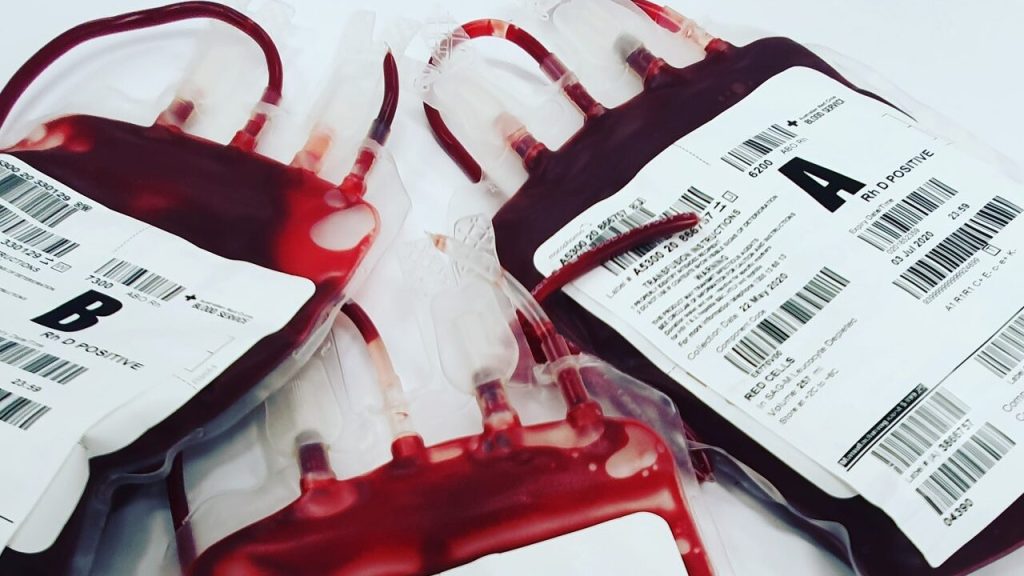
A major study led by researchers at Karolinska Institutet suggests that a possible cause of spontaneous brain haemorrhage could be transmitted via blood transfusion. At the same time, it is very unlikely that anyone should suffer a brain haemorrhage after receiving donated blood, according to the study findings which are published in JAMA.

A common cause of spontaneous, recurring brain haemorrhages is the vascular disease cerebral amyloid angiopathy (CAA), in which proteins accumulate along the small blood vessels of the brain. Several studies have shown that CAA can be transferred from one individual to another through neurosurgery and probably via treatment using a certain type of growth hormone.

Few affected individuals

This new study led by researchers from Karolinska Institutet shows that patients who have received blood from donors who later suffered recurring brain haemorrhages are more than twice as likely to suffer a brain haemorrhage themselves.

The findings suggest that some factor that can give rise to spontaneous brain haemorrhages can be spread through blood transfusion. However, as only 0.1% of the donors in the study subsequently suffered recurring brain haemorrhages there were consequently only a few affected patients.

“Blood transfusions are relatively common, which makes possible negative effects an important public health issue,” says the study’s last author Gustaf Edgren, researcher at the Department of Medicine, Karolinska Institutet (Solna) and specialist physician at Södersjukhuset. “However, in this case, it’s very unlikely that you’d suffer a brain haemorrhage from something transmitted through a transfusion.”

CAA could be transmissible

According to the researchers, the most important implication of the study is instead that it adds further support to the hypothesis that CAA can be transmitted between individuals, which, if true, can have consequences in several fields.

The study drew on the data of more than a million patients the Swedish-Danish transfusion database SCANDAT, which contains data on blood donors and patients receiving a transfusion from the 1970s onwards. The primary analyses were conducted in Sweden and then repeated with the Danish data, with almost identical results.

Confirmation needed

The researchers now hope to corroborate the hypothesis that the link between brain haemorrhage and blood transfusion concerns CAA. They will therefore be examining samples from the Danish Blood Donor Study biobank to see if they can identify aberrant proteins associated with the disease.

The plan is also to obtain CAT and MR scans from the affected donors and patients to see if they might also be able to support the hypothesis.

“This study does not demonstrate causality, so the observed increase in risk could depend on other factors,” says the study’s first author Jingcheng Zhao from Dr Edgren’s group at Karolinska Institutet. “More research is needed to confirm our findings and understand the potential underlying mechanism.”

Source: Karolinska Institutet

Healthcare Industry Embracing Digital Disruption to Improve Physical Care

Photo by Tima Miroshnichenko on Pexels

The healthcare industry is in the midst of a digital revolution. We are witnessing a growth in healthcare consumerism, where patients and consumers are more active and engaged, keen to track their own health and are more understanding of their body. Digital therapeutics are emerging and disruptive technologies that overcome the limitations of place, time, and availability of healthcare resources in South Africa.

Digital therapeutics is the key to shifting from reactive healthcare to proactive holistic care. By leveraging technologies such as artificial intelligence/machine learning (AI/ML), augmented reality/virtual reality (AR/VR), m-health applications, and gamified platforms, these software driven intelligent solutions empower patients and healthcare providers with high-quality, safe, and effective data based interventions. 

Christo Groenewald, CEO of CompuGroup Medical South Africa, a MedTech company that has spent over 20 years researching and providing tools doctors, dentists and medical professionals worldwide, has identified two key stages during the interaction between a patient and the healthcare professional, where digital platforms can build a more efficient relationship.    

STEP ONE:  Keeping accurate records

From the first call or appointment, preferably through an online booking system, being able to quickly capture data and access these records saves time and helps gain a deeper understanding of the patient’s experience. This also helps practitioners make informed decisions about the necessary treatment.  

Clinical documentation can effortlessly be facilitated through the employment of systems such as SOAP (subjective, objective, assessment, and plan) or SINSS (severity, irritability, nature, stage, and stability) model, further complemented by user-friendly aids for methodical body chart completion.

Should a referral be necessary, the uniformity of the anatomy chart and notes make it easy for colleagues to understand the consulting history and it can be shared with the patient on request or their medical aid. 

STEP TWO:  Real time imaging

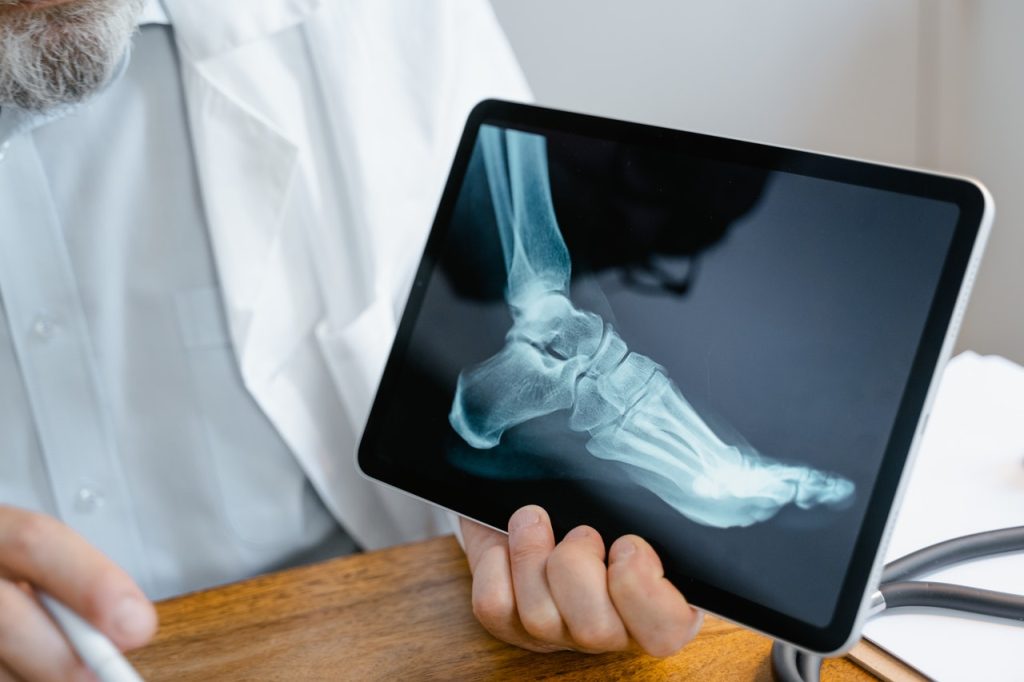
The future of medicine must include integration with diagnostic imaging, which currently often involves multiple departments and hard copies such as x-rays and scans. One digital therapeutics feature that is gaining popularity, especially in sports medicine, is the capacity to visually map pain and musculoskeletal concerns on an interactive 360-degree model of the human body, enhancing diagnostic precision and patient comprehension.

This visual system also helps with virtual consulting, requesting blood work from the labs or writing e-scripts, which is increasingly being done and recorded remotely.

Software programmes, such as Practice Perfect by CGM, are now trusted for their capability to easily capture comprehensive medical and treatment histories right at the point of care. This sleek approach facilitates efficient tracking of patient rehabilitation, fitness progress, and treatment responses. The ability to merge personal and clinical data in real time, paints a portrait of each patient’s physical health, empowering accurate diagnoses, prognosis and subsequent follow-ups. 

Constantly evolving

Top multinational MedTech companies have invested heavily in the development and advancement of their platforms so that they can be used to predict and manage a patient’s future health rather than reacting to symptoms. This will help reduce the disease burden and be a cost saving for insurance providers and private and public health sectors and empower patients to take control of their physical wellbeing. 

Dr Roberto Beffa, a Cape Town based chiropractor states that “As a loyal customer of CGM for more than a decade, I can confidently say that their Perfect Pair solution has truly helped shape my practice. The seamless integration of clinical notes and billing information in one user-friendly platform has transformed our operations, making the flow from clinical documentation to billing a breeze. Thanks to this efficient system, I can now dedicate more time to what I am truly passionate about – providing exceptional care to my patients”.

For more information about CGM’s Perfect Pair, which is a combination of Practice Perfect plus the powerful billing engine for physical health practitioners, CGM MEDEDI, visit www.cgm.com/za.

Turmeric as Effective as Omeprazole for Treating Dyspepsia, Comparative Study Suggests

Source: Pixabay cc0

A natural compound found in the culinary spice turmeric may be as effective as the proton pump inhibitor (PPI) omeprazole for treating indigestion symptoms, suggests the first study of its kind, published online in the journal BMJ Evidence-Based Medicine.

Turmeric is derived from the root of the Curcuma longa plant. The spice contains a naturally active compound called curcumin thought to have anti-inflammatory and antimicrobial properties, and has long been used as a medicinal remedy, including for the treatment of indigestion, in South East Asia. 

But it’s not clear how well it compares with conventional drugs for this indication, largely because there have been no head to head studies.

The researchers therefore randomly assigned 206 patients aged 18–70 with recurrent upset stomach (functional dyspepsia) of unknown cause, recruited from hospitals in Thailand between 2019 and 2021, to one of three treatment groups for a period of 28 days.

These were: turmeric (two large 250mg capsules of curcumin 4 times a day) and one small dummy capsule; omeprazole (one small 20mg capsule daily and two large dummy capsules 4 times a day; and turmeric plus omeprazole.

PPIs such as omeprazole are used to treat functional dyspepsia, the symptoms of which include postprandial fullness, early satiety, and pain and/or epigastric pain.

But long term use of PPIs has been linked to increased fracture risk, micronutrient deficiencies, and a heightened risk of infections, note the researchers.

Of the 206 patients enrolled, 151 completed the study, with 20 in the curcumin group;19 in the omeprazole group; and 16 in the combined treatment group, dropping out. 

Patients in all three groups had similar clinical characteristics and indigestion scores, as assessed by the Severity of Dyspepsia Assessment score or SODA, at the start of the trial. Patients were reassessed after 28 days and then again after 56 days.

SODA scores indicated significant reductions in symptom severity by day 28 for pain (−4.83, –5.46 and −6.22) and other symptoms (−2.22, –2.32, and −2.31) for those in the combined, curcumin alone, and omeprazole alone groups, respectively. 

These improvements were even stronger after 56 days for pain (−7.19, –8.07 and −8.85, respectively) and other symptoms (−4.09, –4.12 and −3.71, respectively). 

SODA also captures satisfaction scores: these scarcely changed over time among the curcumin users, which might possibly be related to its taste and/or smell, suggest the researchers.

No serious side effects were reported, although liver function tests indicated some level of deterioration among curcumin users carrying excess weight, note the researchers.

They acknowledge the small size of the study, as well as several other limitations, including the short intervention period and lack of long-term monitoring data. Further larger, long term studies are needed, they say.

Nevertheless, they conclude: “This multicentre randomised controlled trial provides highly reliable evidence for the treatment of functional dyspepsia,” adding that “the new findings from our study may justify considering curcumin in clinical practice.”

Source: EurekAlert!

Antidepressants Improve Recall but Still Reduce Bad Memories

Photo by Alex Green on Pexels

New research from Rice University finds that antidepressants may actually reduce negative memories in individuals suffering from depression while improving overall memory function. The study, appearing in Frontiers in Human Neuroscience, examines how antidepressant use in depressed individuals affects memories, both good and bad.

Stephanie Leal, an assistant professor of psychological sciences, is the study’s lead author. She said the study’s main finding about the link between antidepressants and memories was an important one, because there is still much to be learned about how these drugs work.

“While antidepressants have been around since the 1950s, we still don’t really know how they work,” Leal said. “They only work about 50% of the time, and users often have to go through multiple types of antidepressants to get to a place where they actually feel like the drugs are beneficial. We don’t fully understand how these drugs reduce depressive symptoms and why they are so often ineffective. That’s a big problem.”

The study’s results suggest that antidepressants, when effective, can shift memory dynamics toward healthy function, Leal said.

“How antidepressants affect cognition is a hugely understudied area of research,” she said. “By measuring how antidepressants impact memory, we can use this information to better select treatments depending on people’s symptoms of depression.”

The study included 48 participants ages 18–35. All individuals were surveyed and had been actively taking antidepressants (regardless of the type of antidepressant and diagnosis) for at least one month prior to participation in the study. Researchers are conducting a follow-up study is to examine how the brain responds to antidepressants.

Source: Rice University

Redo Transcatheter Procedure is a Reasonable Treatment for Select Patients

Photo by Natanael Melchor on Unsplash

Cedars-Sinai investigators have shown that redo transcatheter aortic valve replacement (TAVR) procedures are both safe and effective when compared with situations in which patients with similar risk profiles undergo the same procedure for the first time.

The novel findings, which appear in The Lancet, are significant because recent randomised clinical trials have shown that TAVR is a meaningful treatment option for both younger and lower-risk surgical patients.

“We now know that redo TAVR with balloon-expandable valves may be a reasonable treatment for failed TAVR procedures in select patients,” said Raj Makkar, MD, Cedars-Sinai’s vice president of Cardiovascular Innovation and Intervention and the study’s senior author. “This is increasingly important, as the patients treated with TAVR are younger than they were a decade ago, meaning they will likely need a repeat procedure at some point in their lifetime.”

At both the 30-day post-procedure mark and at one year, Makkar’s team found no difference between redo TAVR or first-time TAVR in terms of death or stroke rates.  

“Our findings also suggest that redo TAVR was associated with a significant improvement in quality of life,” said Makkar, who is also the associate director of the Smidt Heart Institute at Cedars-Sinai, director of the Interventional Cardiology Division in the Department of Cardiology, and the Stephen R. Corday, MD, Chair in Interventional Cardiology.

Transcatheter aortic valve replacement is a procedure that replaces a diseased aortic valve with a man-made valve. The procedure is now the standard treatment for patients with symptomatic severe aortic valve stenosis (narrowing of the artery).

The research team accessed a national database of all consecutive patients undergoing commercial TAVR in the US. Among the 350 591 patients who underwent TAVR between November 2011 and December 2022, 1320 individuals required redo procedures. The patients who underwent a repeat procedure had a mean age of 78 years old. About 58% were male and 42% female. 

“Fixing damaged valves is something in which we excel at the Smidt Heart Institute,” said Eduardo Marbán, MD, PhD, professor and executive director of the Smidt Heart Institute. “Our finding that TAVR can be redone safely is yet another step in establishing this as the default technology for aortic valve disease.”

Interventionalists in the Smidt Heart Institute at Cedars-Sinai have successfully completed more than 6000 minimally invasive transcatheter aortic valve replacements to date, with more than 650 performed in fiscal year 2022.

Source: Cedars-Sinai

RSV Easier to Inactivate than Many Other Viruses

Photo by Andrea Piacquadio on Unsplash

Every year, respiratory syncytial viruses (RSV) cause countless respiratory infections worldwide. For infants, young children and people with pre-existing conditions, the virus can be life-threatening and so clinicians are always on the look-out for ways to reduce infections. New research published in the Journal of Hospital Infection shows that, when used correctly, alcohol-based hand sanitisers and commercially available surface disinfectants provide good protection against transmission of the virus via surfaces.

Some viruses are known to remain infectious for a long time on surfaces. To determine this period for RSV, the Ruhr-University Bochum virology team examined how long the virus persists on stainless steel plates at room temperature. “Even though the amount of infectious virus decreased over time, we still detected infectious viral particles after seven days,” says Dr Toni Luise Meister. “In hospitals and medical practices in particular, it is therefore essential to disinfect surfaces on a regular basis.” Five surface disinfectants containing alcohol, aldehyde and hydrogen peroxide were tested and found to effectively inactivate the virus on surfaces.

RSV is easier to inactivate than some other viruses

Hand sanitisers recommended by the WHO also showed the desired effect. “An alcohol content of 30 percent was sufficient: we no longer detected any infectious virus after hand disinfection,” said Toni Luise Meister. RSV is thus easier to render harmless than some other viruses, such as mpox (formerly monkeypox) virus or hepatitis B virus.

Still, most infections with RSV are transmitted from one person to another, via airborne droplets. The risk of contracting the virus from an infected person decreases if that person rinses their mouth for 30 seconds with a commercial mouthwash. The lab tests showed that three mouthwashes for adults and three of four mouthwashes designed specifically for children reduced the amount of virus in the sample to below detectable levels.

“If we assume that these results from the lab can be transferred to everyday life, we are not at the mercy of seasonal flu and common cold, but can actively prevent infection,” concludes Toni Luise Meister. “In addition to disinfection, people should wash their hands regularly, maintain a proper sneezing and coughing etiquette, and keep their distance from others when they’re experiencing any symptoms.”

Source: Ruhr-University Bochum