A Journal of Personality-published study across three countries discovered people who prioritised achievement over enjoyment were less happy on the next day. Whereas those who aimed for freedom said they had a 13% increase in well-being, recording better sleep quality and life satisfaction.
And participants who tried to relax and follow their hobbies recorded an average well-being boost of 8% and a 10% drop in stress and anxiety.
Dr Paul Hanel from the University of Essex worked with colleagues at the University of Bath on the study, which explored for the first time how following various values impacts happiness. “We all know the old saying ‘All work and no play makes Jack a dull boy’ and this study shows it might actually be true,” Dr Hanel said. “There is no benefit to well-being in prioritising achievement over fun and autonomy.
“This research shows that there are real benefits to having a balanced life and taking time to focus on enjoying ourselves and following individual goals. Ironically by doing this, people could in fact be more successful as they will be more relaxed, happier and satisfied.”
The study, called Value Fulfilment and Well-being: Clarifying Directions Over Time, examined more than 180 people in India, Turkey and the UK.
They filled in a diary across nine days and recorded how following different values affected them.
Interestingly all nationalities reported the same results with the following of ‘hedonism’ and ‘self-direction’ values leading to increased happiness.
‘Achievement’ and ‘conformity’ values had no impact on happiness whatsoever.
However, the researchers believe achievement could impact on happiness when linked to job satisfaction or the amount of days worked.
Professor Greg Maio, University of Bath, said: “This multination project was an exciting foray into questions about how values affect well-being in day-to-day life.
“People often spend most of their days working hard for their daily income, studies, and careers.
“Against this backdrop, where achievement-oriented values have ring-fenced a great portion of our time, we found that it helps to value freedom and other values just enough to bring in balance and recovery.
“In the future, it will be interesting to consider how this pattern interacts with relevant traits, such as conscientiousness, and situational contexts, such as type of employment.”
It is hoped the research will now influence mental health provision and influence therapeutic give to clients.
Dr Hanel added: “Our research further shows that it might be more important to focus on increasing happiness rather than reducing anxiety and stress, which is of course also important, just not as much.”
Paediatric medicines often come in a sweetened liquid form for compliance in ingesting it, but if it’s too palatable, a child may empty an entire bottle and poison themselves. But children can perceive taste in different ways. A new study published in the International Journal of Molecular Sciences uncovers genetic variations in how sweetness of medicine is perceived, with adult participants of African descent finding it than those of European descent.
A multidisciplinary research group specialising in paediatrics, genetics, and psychophysics, co-led by Julie A. Mennella, PhD, Principal Investigator at the Monell Chemical Senses Center, has identified wide variation in the sensory perception of a paediatric formulation of ibuprofen. Some were tied to genetic ancestry, and some were not. These findings indicate that a range of factors come into play in determining how a medicine tastes to an individual. Their work is the first in a series of studies funded by the National Institutes of Health to look at variation in the taste of medicines.
“Taste is personal and determining how individuals differ and why is critical to understanding medication adherence and personal risks,” said Mennella. Bitter taste and irritating sensations in the throat are the top reasons for non-compliance, as a child (or adult) is less likely to ingest a medicine that is unpleasant (or tastes bad). However, if a child finds the medicine bottle uncapped and finds it tastes sweet like candy, they may ingest too much. Discovering how individuals differ in sensory perception is especially key when it comes to liquid ibuprofen, which accounts for many unintentional poison exposures among children younger than six years old in the US, according to the US Poison Centers.
“Sweetening medicines like ibuprofen is a delicate balance between having it taste good enough that kids take it, but bitter enough that, should they get unguarded access to it, it’s irritating enough that they stop drinking it and don’t poison themselves,” said Mennella. “We found genetic markers, both ancestry-related and independent of it, that could predict if someone would find a medication irritating or pleasantly sweet. If we get to the point of tailor-making medications in the future, knowing these associations could help us design taste specifically for each child in the not-so-distant future.”
The study included 154 adult panellists from Philadelphia, who represented the diversity of their city. According to a genome-wide association study, 63 had African ancestry, 51 European, 13 South Asian, seven East Asian, and seven American. They underwent training in sensory methods and then rated the sweetness, irritation, bitterness, and palatability of a paediatric formulation of a berry-flavoured ibuprofen after swallowing, and also after just tasting it without swallowing.
Researchers found that panellists of African genetic ancestry had fewer chemaesthetic sensations such as tingling or an urge to cough, rated the medicine as tasting sweeter and more palatable than those of European genetic ancestry. Researchers also found a novel association between the TRPA1rs1198875 genetic variation and tingling sensations, independent of ancestry. This is significant as TRPA1 is a family of neuron receptors that are involved in sensory neural response to a variety of chemical irritants found in foodstuff and other medicines.
Discovering both an ancestry-related link and non-ancestry-related genetic variation to taste and irritation perception shows that who perceives a medicine as palatable or not is a complicated picture and must consider a variety of factors.
This first study was conducted with adults because the sensory measures were complex and included several hour-long test sessions. That does not mean future tests should not include children, Mennella said, adding that this is just the first in a line of studies on the taste of paediatric medicines and methods need to be developed to measure sensory irritation in children. “This is a small study, but it is the first step in showing how research on diverse populations is needed to be able to unravel the genetic, cultural, dietary, and developmental paths that underlie medicine adherence and also risk for poisoning,” said Mennella. “It’s looking at both sides of the same, very important coin.”
Findings from this research will affect how sensory tests can be designed in the future. Since participants did both swallow and sip-and-spit tests, the team was able to determine that just tasting medicine allowed predictions and perceptions after swallowing, which could simplify future studies in different age groups. Other studies as part of this National Institutes of Health grant are ongoing, including determining the variation and acceptance of medicines in children.
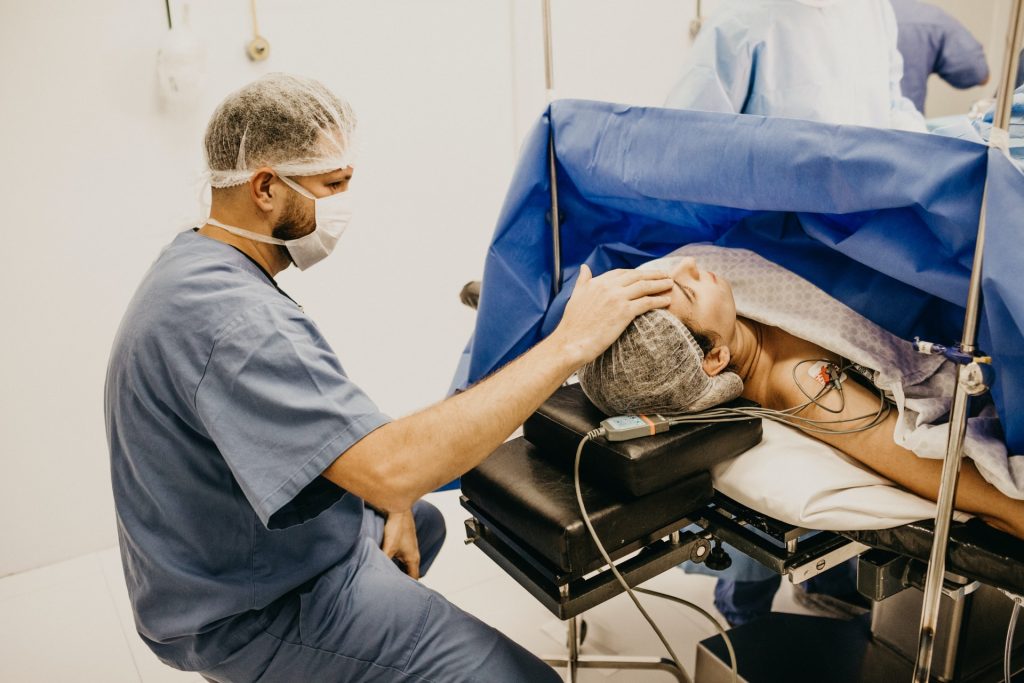
A study led by Columbia University obstetricians has shown that a new intrauterine device can rapidly control postpartum haemorrhage, a major cause of severe maternal morbidity and death, in real-world situations.
“Our findings show that the device is an important new tool in managing postpartum bleeding,” says Dena Goffman, MD, professor of obstetrics and gynaecology at Columbia University and senior author of the study, which is published in the journal Obstetrics & Gynecology.
“We had previously shown that the device worked well with patients who were experiencing relatively minor bleeding, so it’s really reassuring to see that the device worked almost as well among a wider range of patients and when used by many different doctors.”
Overall, the device succeeded in controlling haemorrhage in 93% of vaginal deliveries and 84% of caesarean deliveries.
Major cause of severe maternal morbidity and death
Shortly after birth and delivery of the placenta, the uterus contracts and closes off the blood vessels that nourished the placenta. Failure of the uterus to contract after delivery can result in prolonged and excessive blood loss, which may necessitate blood transfusions, ICU admission, or surgery to try to stop the bleeding and, if needed, removal of the uterus.
“Less than 10% of people who give birth will have excessive postpartum bleeding, but when it happens, it can get really serious really fast,” says Goffman, who co-authored the most recent guidelines from the American College of Obstetrics and Gynecology for the treatment of postpartum haemorrhage.
Current treatment options not ideal for all patients
To stop excessive bleeding, clinicians usually start by manually stimulating the uterus and giving medications that help the uterus contract, but some of these drugs are not safe for patients with hypertension or asthma. When medication fails or isn’t an option, patients may be treated with a balloon-like tamponade device that is inserted into the uterus and controls bleeding by placing pressure on the uterine wall.
Balloon tamponade devices have a high success rate, but this treatment has an impact on the patient and family experience. “The balloon often stays in the uterus for 12 to 24 hours until the uterus is well-contracted, and during that time the patient can’t sit up in bed, can’t walk around, can’t easily care for the baby,” Goffman says.
New device approved in 2020
In 2020, the FDA approved a new intrauterine device to control postpartum bleeding that uses low-level suction to promote uterine contractions.
“With postpartum haemorrhage being one of the most preventable causes of maternal morbidity and mortality, practice-changing innovation was needed to better equip our teams and care for our patients,” says Mary D’Alton, MD, chair of the Department of Obstetrics & Gynecology at Columbia University Vagelos College of Physicians and Surgeons and national leader of the clinical trial that first tested the safety and efficacy of the device.
In that initial trial, which led to FDA approval, the device controlled bleeding in a median of 3 minutes among 106 patients experiencing relatively minor blood loss after childbirth and was removed about 3 hours after insertion. Most patients in the trial delivered vaginally. The trial also excluded patients with preterm births < 34 weeks.
Highly effective in real-world conditions
The current study, which included more than 800 patients giving birth at 16 hospitals, was designed to study the effectiveness of the new device outside of a controlled clinical trial. One third of the patients in the new study had a caesarean, and 50 patients had a preterm birth < 34 weeks.
Median blood loss volume before device insertion was also higher in the new study, reflecting a greater range in blood loss, with some patients losing substantial amounts of blood (up to 3000mL). Most patients had been treated with medications to manage postpartum bleeding prior to device insertion.
Treatment with the new device was successful in 93% of patients who had a vaginal birth and 84% of patients who had a caesarean birth (similar to efficacy with intrauterine balloon devices). For most patients, the device brought bleeding under control in five minutes. Treatment success rates were higher in patients with less blood loss prior to device insertion.
Next steps
The researchers say that early recognition of postpartum hemorrhage and timely intervention are crucial in managing the condition and preventing potentially life-threatening complications.
“Postpartum haemorrhage is a treatable condition,” Goffman says. “Delivery teams need to be attuned to recognising it quickly and managing it in a seamless and sequential manner before a patient experiences significant blood loss.”
Additional studies comparing the new device with other treatments for postpartum haemorrhage are being planned to determine if using the device earlier produces better outcomes.
“Until we have more data, we’re using the new intrauterine device after medications have been tried,” Goffman says. “But for patients with underlying conditions who cannot be treated with one or more of our available medications, the device is a critically important tool to have.”
Researchers have discovered a new intestinal bacterim that feeds exclusively on taurine and produces the foul-smelling gas hydrogen sulfide. The results, currently published in Nature Communications, show that Taurinivorans muris protects against Klebsiella and Salmonella, two important pathogens.
Chemical warfare in the gut
One of the ways the gut microbiome helps regulated health is in contributing to the levels of hydrogen sulfide – the toxic gas responsible for foul-smelling farts. Having small amounts of hydrogen sulfide in the gut is a good thing; in fact, it’s essential for a number of physiological processes, and can even protect against pathogens. Hydrogen sulfide-producing microbes in the gut may help “choke out” oxygen-dependent pathogens such as Klebsiella, making it harder for them to colonise. However, excessive levels can have negative consequences and have been associated with gut inflammation and damage to the intestinal lining.
Taurine plays yet another a role
The bacterium Bilophila wadsworthia is one of the most important taurine utilizers in humans. In the current study, researchers led by Alexander Loy at CeMESS, the Centre for Microbiology and Environmental Systems Science of the University of Vienna, have discovered a new genus of hydrogen sulfide-producing bacteria in the mouse intestine. “The bacterium we described has a rather unbalanced diet,” explains Loy, “it specialises in consuming taurine.” Taurine is a semi-essential amino acid, synthesised in small amounts in the liver but mostly obtained through the diet – especially meat, dairy and seafood.
Like hydrogen sulfide, taurine is implicated in a plethora of physiological processes. Recent studies have found a link between taurine and healthy ageing – it seems this nutrient may stave away age-related disease. In light of these findings, the discovery of a new gut microbe that feeds exclusively on taurine (aptly named Taurinivorans muris) is another piece of an exciting puzzle. “By isolating the first taurine degrader in the mouse gut, we’re one step closer to understanding how these gut microbes mediate animal and human health” explains Huimin Ye, lead author of the study.
To access sufficient taurine in the gut, however, Taurinivorans muris needs the help of other gut microbes to release it from bile acids. Taurine-containing bile acids are produced in the liver and are increasingly released into the intestine during a high-fat diet to help our body digest fats. The activities of the bacteria in the intestine in turn influence the bile acid metabolism in the liver. The results of the Viennese researchers therefore also contribute to a better understanding of these complex interactions in bile acid metabolism, which has an impact on processes and diseases throughout the body.
Taurine-degrading microbes choke out pathogens
One of the most important functions of the symbiotic microbes in the gut is to defend against pathogens. The microbiome has a versatile arsenal of protective mechanisms – and utilising taurine to create hydrogen sulfide is one of them. “Hydrogen sulfide may suppress the oxygen-dependent metabolism of some pathogens,” explains Ye. In the present study, the researchers found that Taurinivorans muris has a protective role against Klebsiella and Salmonella, two important gut pathogens. “The protective mechanism of Taurinivorans muris against pathogens may be via hydrogen sulfide but is essentially not yet fully understood” adds Alexander Loy. Taurine is one of the most important sources of hydrogen sulfide production in the gut. The study thus generates basic knowledge on the physiological interactions between the different gut microbes and their hosts, which is necessary to develop new microbiome-based therapies.
In a new study published in Pediatrics, researchers investigated the characteristics and trends of out-of-hospital attention-deficit/hyperactivity disorder (ADHD) medication errors among children and teenagers reported to US poison centres from 2000 through 2021. Their results showed that the number of medication errors increased by nearly 300%, with over half resulting from an accidental double dosage.
ADHD is among the most common paediatric neurodevelopmental disorders. In 2019, nearly 10% of children in the US had a diagnosis of ADHD, roughly half of whom currently have a prescription for ADHD medication.
According to the study by at the Center for Injury Research and Policy and Central Ohio Poison Center at Nationwide Children’s Hospital, the annual number of ADHD-related medication errors increased 299% from 2000 to 2021. During the study period, there were 87 691 medication error cases involving ADHD medications as the primary substance among this age group reported to poison centres, yielding an average of 3985 individuals annually. In 2021 alone, 5235 medication errors were reported. The overall trend was driven by males, accounting for 76% of the medication errors and by the 6–12-year-old age group, accounting for 67% of the errors. Approximately 93% of exposures occurred in the home.
Among medication errors involving ADHD medications as the primary substance, the most common scenarios were:
“The increase in the reported number of medication errors is consistent with the findings of other studies reporting an increase in the diagnosis of ADHD among US children during the past two decades, which is likely associated with an increase in the use of ADHD medications,” said Natalie Rine, PharmD, co-author of the study and director of the Central Ohio Poison Center at Nationwide Children’s Hospital.
In 83% of cases, the individual did not receive treatment in a health care facility; however, 2.3% of cases resulted in admission to a health care facility, including 0.8% to a critical care unit. In addition, 4.2% of cases were associated with a serious medical outcome. Some children experienced agitation, tremors, seizures, and changes in mental status. Children under age 6 were twice as likely to experience a serious medical outcome and were more than three times as likely to be admitted to a health care facility than 6–19-year-olds.
“Because ADHD medication errors are preventable, more attention should be given to patient and caregiver education and development of improved child-resistant medication dispensing and tracking systems,” said Gary Smith, MD, DrPH, senior author of the study and director of the Center for Injury Research and Policy at Nationwide Children’s Hospital. “Another strategy may be a transition from pill bottles to unit-dose packaging, like blister packs, which may aid in remembering whether a medication has already been taken or given.”
Although prevention efforts should focus on the home setting additional attention should be given to schools and other settings where children and adolescents spend time and receive medication.
Despite strenuous control efforts, hospital-acquired infections still occur – the most common of which is caused by the bacterium Clostridioides difficile, which creates lingering spores and resists alcohol-based hand sanitisers. Surprising findings from a new study in Nature Medicine suggest that the burden of C. diff infection may be less a matter of hospital transmission and more a result of characteristics associated with the patients themselves.
The study team, led by Evan Snitkin, PhD; Vincent Young, MD, PhD; and Mary Hayden, MD, leveraged ongoing epidemiological studies focused on hospital-acquired infections that enabled them to analyse daily faecal samples from every patient within the intensive care unit at Rush University Medical Center over a nine-month period.
Arianna Miles-Jay, a postdoctoral fellow in Dr Snitkin’s lab, analysed 1141 eligible patients, and found that a little over 9% were colonised with C. diff. Using whole genome sequencing at U-M of 425 C. difficile strains isolated from nearly 4000 faecal specimens, she compared the strains to each other to analyse spread. But she found that, based on the genomics, there was very little transmission.
Essentially, there was very little evidence that the strains of C. diff from one patient to the next were the same, which would imply in-hospital acquisition. In fact, there were only six genomically supported transmissions over the study period. Instead, people who were already colonised were at greater risk of transitioning to infection.
“Something happened to these patients that we still don’t understand to trigger the transition from C. diff hanging out in the gut to the organism causing diarrhoea and the other complications resulting from infection,” said Snitkin.
Hayden notes this doesn’t mean hospital infection prevention measures are not needed. In fact, the measures in place in the Rush ICU at the time of the study – high rates of compliance with hand hygiene among healthcare personnel, routine environmental disinfection with an agent active against C. diff, and single patient rooms were likely responsible for the low transmission rate. The current study highlights, though that more steps are needed to identify patients who are colonised and try to prevent infection in them.
Where did the C. diff come from? “They are sort of all around us,” said Young. “C. diff creates spores, which are quite resistant to environmental stresses including exposure to oxygen and dehydration…for example, they are impervious to alcohol-based hand sanitiser.”
However, only about 5% of the population outside of a healthcare setting has C. diff in their gut – where it typically causes no issues.
“We need to figure out ways to prevent patients from developing an infection when we give them tube feedings, antibiotics, proton pump inhibitors – all things which predispose people to getting an actual infection with C. diff that causes damage to the intestines or worse,” said Young.
The team next hopes to build on work on AI prediction for patients at risk of C. diff infection to identify patients more likely to be colonised and who could benefit from more focused intervention.
Said Snitkin, “A lot of resources are put into gaining further improvements in preventing the spread of infections, when there is increasing support to redirect some of these resources to optimise the use of antibiotics and identify other triggers that lead patients harbouring C. diff and other healthcare pathogens to develop serious infections.”
Graduates and third year students are encouraged to apply for the new Postgraduate Diploma to drive business ownership and job creation.
The University of the Witwatersrand (Wits) announced its Postgraduate Diploma in Innovation and Entrepreneurship. The diploma aims for graduates and third-year students in engineering, science, and health sciences to become catalysts for business ownership and job creation. Apply for the PG Dip in Innovation and Entrepreneurship before 30 November 2023.
Professor Christo Doherty, the course coordinator says: “We particularly encourage candidates who are contemplating pursuing a Master’s or PhD in any of these fields, so they can embark on advanced degrees armed with the knowledge of how to commercialise their research. Graduates of this programme will have a wealth of career opportunities. Equipped with the aptitude and mindset for innovation and creation, they represent the future generation of entrepreneurs and job creators. They will not merely seek jobs; they will create them.”
The programme was developed and is led by the Wits Innovation Centre, and will bridge the gap between academic research and real-world innovation. It will empower students to translate their research into tangible solutions that drive meaningful change in society. The Diploma seeks to harness the entrepreneurial spirit of young scientists and engineers to ensure that their research outcomes do not languish on dusty shelves but ignite the flames of practical application. Professor Nithaya Chetty, the Dean of the Wits Faculty of Science says: “South African universities must now give attention to both discovery research and innovation. This is a novel diploma that will combine collaborative teaching and learning to fast-track researchers into careers as innovators and entrepreneurs”.
The PGDip in Innovation and Entrepreneurship is a multi-faculty initiative characterised by a hands-on approach, with a year-long research project at its core. Students will collaborate closely with an interdisciplinary team of lecturers, gaining invaluable insights and guidance throughout their journey. The curriculum covers critical subjects such as The Fundamentals of Business for Innovators, Innovation and the Commercialization of Research, Creating Ventures for Innovators, and Applying Design Thinking to Innovation. The programme’s objective is to expedite the transformation of students’ research and ideas into commercially viable endeavours or solutions with significant societal impact.
From 2025, the programme will expand to include humanities, commerce and other faculties.
The percentage of people living with HIV receiving a three to six-month supply of ARVs at a time in the Free State has dropped from 13% last year to 3% this year, making the province the worst performer in multi-month dispensing of ARVs in the country. This while in Mpumalanga, 64% of people living with HIV receive a three to six-month refill as per national guidelines.
This is according to the latest figures from community-led clinic monitoring group, Ritshidze. In its third Free State report, released on 30 August, the group notes several challenges faced by people living with HIV, key populations that include men who have sex with men and sex workers, among others, and other public healthcare users in the province. Among these are a lack of multi-month dispensing of ARVs and long waiting times at clinics, two factors that can make it harder to take treatment as prescribed.
The report notes that multi-month dispensing often allows people living with HIV to collect their treatment at pick-up points situated at healthcare facilities or externally in the community, making it quicker and easier to collect ARVs. Yet the monitoring data shows that 41% of people using facility pick-up points said they still have to collect files, take vitals, and see a clinician before getting their parcel, which adds to unnecessary delays. “Overall, these shortcomings contribute to slow progress towards getting everyone to start and stay on HIV treatment,” the report states.
Monitoring for the new report was done in April and May this year at 21 facilities and included interviews with 1 095 public healthcare users across four districts in the province. Of the public healthcare users interviewed, 47% (516) were people living with HIV (PLHIV) and 16% (180) were younger than 25.
The recommendations
The report stresses that multi-month dispensing of antiretroviral treatment is just one of several ways to help reduce the burden on the healthcare system, and to reduce the pressure manifesting in long waiting times, overcrowded clinics, and overworked clinic staff. Ritshidze recommends – as it did in its two previous Free State reports – that “the department extends and implements refills up to three months by end of December 2023, and six months by end of September 2024”. It is also recommended that the department, “Ensures that all people living with HIV are offered a range of repeat prescription collection strategy options”, “that facility pick-up points are one-stop very quick ART collection-only, that clinic visits are under 30 minutes and there is no need to go to the clinic registry, collect folders, and to see a clinician.
“Multi-month dispensing and repeat prescription collection strategies can simplify and adapt HIV services across the cascade in ways that both serve the needs of people living with HIV better and reduce unnecessary burdens on the health system,” the report notes.
As people living with HIV often report that healthcare workers send them to the back of the queue when they miss appointments, Ritshidze recommends that staff acknowledge and understand the importance of ART continuity, that it is normal to miss appointments, and that no person living with HIV should be sent to the back of the queue if they miss an appointment as per the welcome back campaign strategy. Ritshidze also recommends that clinics must not require transfer letters to restart or continue with ART and any reports where treatment is delayed by healthcare workers requiring a transfer letter should be urgently investigated and disciplinary action taken where appropriate.
The value of multi-month dispensing
The value of multi-month dispensing is well established. Study findings on the HIV programme in Ethiopia released in May this year, for example, stressed that multi-month dispensing of antiretroviral therapy is “an integral component of differentiated HIV service delivery for people living with HIV”. Ethiopia was the first African country to implement six-month dispensing at scale.
The benefits cited by study participants included “time and cost-savings, fewer work disruptions, reduced stigma due to fewer clinic visits, better medication adherence, and improved overall health”. The perceived health system-level benefits included “improved quality of care, decongested facilities, reduced provider workloads, and improved record-keeping”.
According to Clinical Director at the Southern African HIV Clinicians Society, Camilla Wattrus, requiring people to visit healthcare facilities monthly to collect routine medication, can place a huge strain on the available resources in these facilities.
“Multi-month dispensing for eligible, stable patients on chronic medications, including ARVs can help to alleviate some of this burden, easing up the staff’s available time towards those with acute conditions and unstable patients, says Wattrus.
She says multi-month dispensing is also one way to increase access for stable patients to their medication by reducing potential adherence barriers leading to poor health and loss of income due to transport costs and time away from work – all factors identified by Ritshidze through its monitoring. External pick-up points can also help alleviate congestion at facilities and reduce waiting times.
When asked what the Free State health department can do to improve its performance on multi-month dispensing, Wattrus says establishing clear eligibility criteria will work because not all patients may be suitable. She says that patient education is vital so that they understand the importance of adherence.
“Knowing how to take and store medication, knowing where and when to collect medication, when to return for appointments, and understanding that they can return to the facility at any time they feel unwell or in the case of an emergency is very important. Adequate supply chain management to ensure an uninterrupted supply of medication along with accurate record-keeping and communication is vital,” she says. “Pharmacists, prescribers, and other staff members involved must also be adequately trained on how to deliver multi-month dispensing.”
Wattrus says in order for the Free State to do well, there needs to be an improved supply chain management system, adequate training for all involved staff, and a well-functioning pick-up point system implemented.
The reality on the ground
However, founder of the lesbian, gay, bisexual, and transgender (LGBT) organisation, Free State Rainbow Seeds, Thabiso Chaka says the Free State can do better in expanding external pickup points. “Once a person has shown interest and is also adhering to their medication, it is a bonus to say now you don’t have to come to the facility every month and every day. You can come after every three to six months. “I believe it is a good strategy to ensure that people adhere to their treatment. The reason why the Free State is doing poorly is because there is also not enough treatment viral load literacy and this creates a serious challenge and the level of care is often compromised because facilities are congested,” says Chaka.
“As the Free State Rainbow seed, we also want to become a CCMD point where we can be able to issue three to six months because by so doing our people will be comfortable.” CCMD (Central Chronic Medicines Dispensing and Distribution) is a government programme that enables stable patients to collect chronic medicines dispensed centrally from designated pick-up points. Chaka says multi-month dispensing of ARVs “is a good approach to limit issues of defaulting because the stigma attached to HIV-positive people is still there”.
According to Judy Mokoena from the Treatment Action Campaign (TAC) in the Free State, there are many reasons why the provincial department is struggling with multi-month dispensing of ARVs.
“The first one is that most facility managers and pharmacists order medication too late. Another reason is that they do not have an actual database of people living with HIV who come to their facilities. What I have noticed is that most people in the province still receive their medication inside the facilities. As TAC, we have been emphasising the issue of giving patients a supply of three to six months, but they are failing dismally,” she says. “Every year we ask the same questions when it comes to the multi-month dispensing, but there has not been a clear answer from government.”
“ARV shortage and ARV theft also play a role and could be another reason why the government is struggling to provide three to six months’ supply,” says Mokoena. “In the past, we have had challenges of stockouts in the Free State.”
Bystanders are less likely to give cardiopulmonary resuscitation (CPR) to women than men, particularly if the emergency takes place in a public area, according to research presented at the European Emergency Medicine Congress. The study also shows that in private locations older people, especially older men, are less likely to receive CPR.
The researchers say that CPR saves lives and urge people to learn how to perform CPR and to give it without hesitation to anyone who needs it, regardless of gender, age or location.
The research was presented by Dr Sylvie Cossette, a PhD nurse researcher at the Montreal Heart Institute research center, Canada. She conducted the research with Dr Alexis Cournoyer, an emergency medicine physician and researcher at the Hôpital du Sacré-Coeur de Montréal, Canada.
Dr Cournoyer said: “In an emergency when someone is unconscious and not breathing properly, in addition to calling an ambulance, bystanders should give CPR. This will give the patient a much better chance of survival and recovery.”
Dr Cossette added: “We carried out this study to try to uncover factors that might discourage people from delivering CPR, including any factors that might deter people from giving CPR to a woman.”
The researchers used data from records of cardiac arrests that happened outside of hospital in Canada and the US between 2005 and 2015, including a total of 39 391 patients, average age 67. They looked at whether or not a bystander performed CPR, where the emergency took place, and the age and gender of the patient.
They found that only around half of patients received CPR from a bystander (54%). Overall, women were slightly less likely to be given CPR (52% of women compared to 55% of men).
However, when the researchers looked only at cardiac arrests that happened in a public place, such as the street, the difference was greater (61% of women compared to 68% of men). These lower rates of CPR in public were found in women regardless of their age.
When the researchers looked at cardiac arrests that happened in a private setting, such as a home, the data indicated that with every ten-year increase in age, men were around 9% less likely to be given CPR during a cardiac arrest. For women having a cardiac arrest in a private setting the chances of receiving CPR were around 3% lower with every ten-year increase in age.
Dr Cournoyer said: “Our study shows that women experiencing a cardiac arrest are less likely to get the CPR they need compared to men, especially if the emergency happens in public. We don’t know why this is the case. It could be that people are worried about hurting or touching women, or that they think a woman is less likely to be having a cardiac arrest. We wondered if this imbalance would be even worse in younger women, because bystanders may worry even more about physical contact without consent, but this was not the case.”
Dr Cossette said: “We would like to study this issue in greater detail to understand what lies behind the difference. This could help us make sure that anyone who needs CPR gets it, regardless of gender, age or location.”
In Nature Nanotechnology, researchers report a new way to target and kill cancer cells in glioblastomas, hard-to-treat brain tumours, using electrically charged molecules to trigger self-destruction, that could be developed into a spray treatment used during surgery.
Researchers from the University of Nottingham found a new way to harness the extraordinary capabilities of bio-nanoantennae: gold nanoparticles intricately coated with specialised redox active molecules to induce apoptosis, in cancer cells on electrical stimulation.
The research focuses on patient-derived glioblastoma cells, an elusive and formidable form of brain cancer that has long evaded effective treatment. The five-year survival rate for glioblastoma is only 6.8% and the estimated average length of survival is about only 8 months from diagnosis.
The bio-nanoantennae were able to specifically target glioblastoma cells, leaving healthy cells unscathed. This unprecedented level of precision opens up new possibilities for developing treatment for glioblastoma during surgical resection of the tumour, when the bio-nanoantennae would be sprayed or injected.
The researchers, which included experts from the Schools of Engineering, Physics and Medicine have now established what is thought to be the first ‘quantum therapeutic’, which taps into the potential of quantum signalling to combat cancer.
Dr Frankie Rawson led the research and explains: “The team showed that cancer cells succumb to the intricate dance of electrons, orchestrated by the enchanting world of quantum biology. With the advent of bio-nanoantennae, this vision of real-world quantum therapies edge closer to reality. By precisely modulating quantum biological electron tunnelling, these ingenious nanoparticles create a symphony of electrical signals that trigger the cancer cells’ natural self-destruction mechanism.”
The team has now secured MRC impact acceleratory funding, have filed patent, to begin translating the technology to this eventual clinical application. Further rigorous research and validation are essential to ensure the safety and effectiveness of bio-nanoantennae for human use.
Dr Ruman Rahman from the School of Medicine and co-author of the study, adds: “Treating glioblastoma tumours has long presented challenges for clinicians and prognosis for patients is still poor, which is why any research showing the promise of a new effective treatment is hugely exciting. This research has shown the possibilities presented by quantum therapeutics as a new technology to communicate with biology. The fusion of quantum bioelectronics and medicine brings us one step closer to a new treatment paradigm for disease.”