Year: 2022

Milk Risky for CVD Patients – but Perhaps not Cheese

Source: Pixabay CC0

For people with established cardiovascular disease (CVD), consuming more dairy products was linked to worse health outcomes, according to a study in the European Journal of Preventive Cardiology. However, the type of dairy product appeared to make a difference, with the outcomes for cheese remaining unclear.

In patients with stable angina, significant associations with stroke, cardiovascular mortality, and all-cause mortality were seen with increasing daily intakes of total dairy and milk over follow-up of 5 to 14 years.

While acute myocardial infarction (MI) had no clear linear relationship with total dairy intake or milk consumption, a risk increase was seen for butter consumption of more than 2g per 1000kcal of daily intake.

Data were also inconclusive when it came to cheese consumption and CVD risk, with no significant associations between greater cheese consumption with acute MI, stroke, CVD mortality, or all-cause mortality.

Thus, the study draws a more complicated picture of dairy’s risks that supports other observational data suggesting that different dairy products may have different effects. “We can speculate that at least part of the differential associations seen for milk, butter, and cheese may be because cheese contains intact MFGM [milk fat globule membrane], while milk and butter does [sic] not,” the researchers wrote.

Dairy is “probably harmful” overall, the verdict on cheese is unclear, and some of the fermented dairy products may be less dangerous if dairy is to be consumed at all, commented Andrew Freeman, MD, a cardiologist at National Jewish Health in Denver, who was not involved with the study.

Even without a randomised trial, Dr Freeman said in an interview, “there’s enough signal in the noise to draw the conclusion that higher-fat dairy products, the number one source of saturated fat in our diet, are probably not going to be helpful to human health, and heart health in particular.”

He nevertheless cautioned that there may be worldwide variation in the effects of dairy products, which may be different between countries that place more restrictions on raising cattle with chemicals such as growth hormones.

Nevertheless, the global PURE study of people around the world consistently found the best outcomes from eating a balanced diet including lots of fruits and vegetables and a modest amount of dairy, unprocessed red meat, and nuts and legumes. The PURE investigators had also reported that at least two servings of dairy per day was linked with less CVD and mortality, compared with no dairy.

“Dairy is a heterogenous food group with divergent health effects and dairy products should therefore be investigated individually,” the researchers maintained.

Their data was drawn from 1929 patients with stable angina (80% men, mean age 62 years) from the Western Norway B Vitamin Intervention Trial.

All had undergone coronary angiography due to suspected coronary artery disease or aortic stenosis in 1999–2004. Use of preventive medications was high and included aspirin (90%), statins (90%), and beta-blockers (77%).

Participants self-reported dietary habits on a food frequency questionnaire. Average dairy intake was 169g/1000 kcal; mostly milk (133g/1000 kcal).

Bias and confounding were possible due to the observational nature of the study: people who ate more dairy already tended to eat less meat, vegetables, fruit and berries, fish, and potatoes. These individuals also got more calories from protein and less from fats (except saturated fats).

Further limitations include the lack of additional dietary evaluations over years of follow-up and the potential for participants to mischaracterize their diets on a survey.

Source: MedPage Today

A Theory Behind Autoimmunity in Type 1 Diabetes

A 3D map of the islets in the human pancreas. Source: Wikimedia

The autoimmune destruction of the pancreatic beta-cells in type 1 diabetes (T1D) has been studied extensively, yet the mystery of what causes autoimmunity is unknown. In a new study, researchers present a testable hypothesis to explain the initiation of autoimmunity – which, if validated, this would allow early detection and possible prevention of T1D in susceptible individuals. This hypothesis is discussed in the journal Diabetes.

“Previous studies have focused on the triggers, genes and proteins that differentiate individuals with T1D from those without diabetes with a focus on the b-cell (b-cells create antibodies) as a target of immune destruction and blood glucose as the main abnormality. Our focus is on metabolic communication as an early instigator with the b-cell as an active participant together with the immune cells,” explained corresponding author Barbara Corkey, PhD, professor at Boston University School of Medicine.

Prof Corkey’s research led her to hypothesise that autoimmunity induction results from one or more major inflammatory events in individuals with susceptible human leukocyte antigens phenotypes plus elevated sensitivity to cytokines and free fatty acids (FFA).

“Illnesses or environmental agents that dramatically increase cytokine production and/or elevate FFA initiate autoimmune destruction in individuals with specific genetic features. Thus, early prevention should be aimed at decreasing elevated lipids and diminishing excessive simultaneous elevation of cytokines or cytokine- and lipid-induced immune cell proliferation,” she said.

Prof Corkey believes that the characteristics that make individuals susceptible to autoimmune destruction could also apply to other autoimmune diseases such as toxic shock syndrome and possibly long COVID.

Source: Boston University School of Medicine

New Guideline to Tackle Incorrect Penicillin Allergy Labelling

Photo by MedicAlert UK on Unsplash

A new guideline published in Clinical & Experimental Allergy will help non-allergist clinicians evaluate and test patients for potential penicillin allergies.

Penicillin allergy labels are carried by 5.6% of the general population, with a seemingly higher incidence in hospitalised patients. About 95% of penicillin allergy labels are incorrect when tested.

Over the past 10 years, the clinical ramifications of a label of ‘penicillin allergy’ have been clearly defined. A diagnosis of penicillin allergy increases the risk of MRSA, Clostriodes difficile or VRE infections and death; presumably through increased use of alternatives to beta-lactam antibiotics. It also increases the duration of hospital admissions and has significant implications for the cost of health care. Several studies have shown the healthcare costs of the label and the economic benefits of removing incorrect labels.

Despite widespread evidence of its harms, resources are not available in the NHS for penicillin allergy testing, prompting the development of this guideline.

The guideline was developed by the Standards of Care Committee of the British Society for Allergy and Clinical Immunology (BSACI) along with a committee of experts and key stakeholders.

The aim of this guideline is to provide a framework for the set-up and delivery of penicillin allergy de-labelling services by non-allergists by using drug provocation testing. The intended users are non-allergists with an interest in clarifying the penicillin allergy status of their patients. The target population is adult and children with an untested label of penicillin allergy. 

There are separate recommendations for adults and children within the guideline.

“The intended users are non-allergists with an interest in clarifying the penicillin allergy status of their patients. The guideline details appropriate patient selection, risk stratification, minimum safety standards, conduct of a drug provocation test, and the degree of oversight required from allergy or immunology specialists,” the authors wrote. “The guideline will be reviewed 5 years from original publication date.”

Source: Wiley

Protecting the Lungs from Neutrophil Overactivation

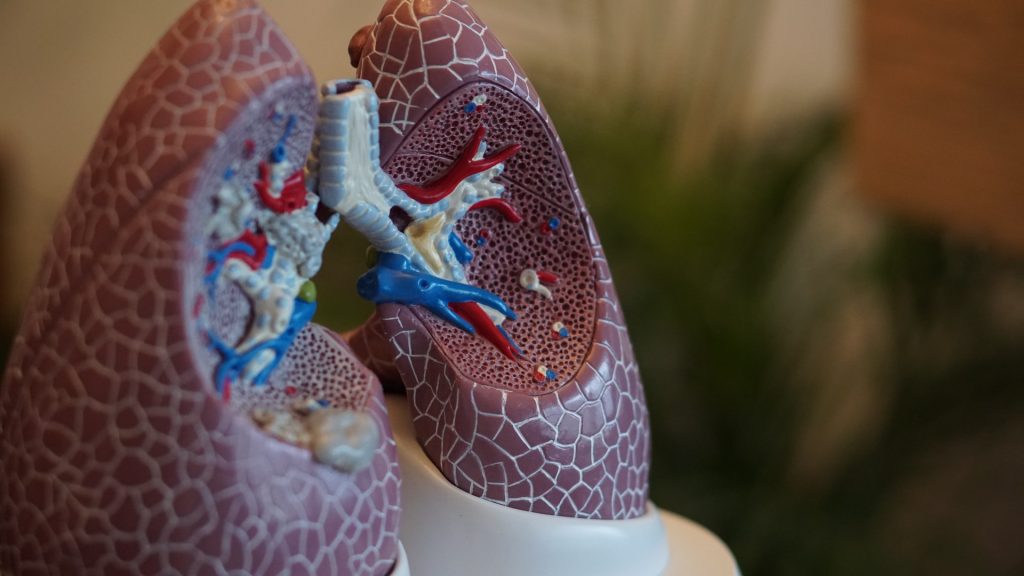
Anatomical model of lungs
Photo by Robina Weermeijer on Unsplash

Neutrophils are the body’s first line of defence against infection, which can be activated when foreign pathogens stress the body. When overactivated, neutrophils can damage the body’s own tissues. Lung tissue is saturated with blood vessels, making them very susceptible to neutrophil attacks. If severe enough, acute lung injuries can lead to acute respiratory distress syndrome (ARDS), the leading cause of death due to COVID.

Reporting in JCI Insight, Cold Spring Harbor Laboratory (CSHL) researchers have found a drug candidate that can prevent lethal lung inflammation in mice by inhibiting a protein called PTP1B. Their discovery may help develop better treatments for severe inflammatory conditions like sepsis and COVID.

“When you think about COVID, acute lung injury and ARDS underlie the fatal aspects of the disease,” leader researcher Nicholas Tonks, professor of cancer research says. “And so, when the pandemic took hold, we were wondering whether there was anything we could do to help, to provide an understanding of this aspect of the disease and suggest ways it could be treated.”

Tonks’ graduate student Dongyan Song investigated whether using a PTP1B inhibitor drug candidate could dampen the lethal consequences of overactive neutrophils in mice. She found that pretreating mice with the PTP1B inhibitor reduced lung tissue damage. When untreated, less than half of the mice survived acute lung injuries and ARDS. But when pretreated, they all survived.

The researchers exploited a natural process, called neutrophil aging, that the body uses to control the immune cell’s lifespan. As they age, neutrophils become less dangerous. Tonks’ team discovered PTP1B inhibition speeds up neutrophil aging. “An aged neutrophil is like a soldier without a weapon,” Song explains. “So regardless of how many neutrophils flood an area, they won’t be able to do serious damage.”

Going forward, he and Song are working to increase the understanding of how PTP1B inhibitors affect the immune system. Tonks hopes his lab’s continued research leads to new treatments and preventative measures for various inflammatory diseases.

Tonks’ lab studies signal transduction, the process that controls how cells respond to signals from their environment. In particular, they focus on the PTP protein family, which Tonks discovered over 30 years ago. Since then, he’s sought to develop small molecule drug candidates that target these proteins, which can provide new approaches for treating major human diseases including cancer and metabolic and neurodegenerative diseases.

Source: Cold Spring Harbor Laboratory

Newly Found COVID-like Virus in Bats is Vaccine Resistant

Researchers have found that a recently discovered virus in a Russian bat that is similar to SARS-CoV-2 may be able to infect humans and, if it were to spillover, is resistant to current vaccines.

Reporting in PLOS Pathogens, researchers discovered that spike proteins from the bat virus, named Khosta-2, can infect human cells and is resistant to both the monoclonal antibodies and serum from individuals vaccinated for SARS-CoV-2. Both Khosta-2 and SARS- CoV-2 belong to the same sub-category of coronaviruses known as sarbecoviruses.

“Our research further demonstrates that sarbecoviruses circulating in wildlife outside of Asia – even in places like western Russia where the Khosta-2 virus was found – also pose a threat to global health and ongoing vaccine campaigns against SARS-CoV-2,” said Michael Letko, WSU virologist and corresponding author of the study.

Letko said the discovery of Khosta-2 highlights the need to develop universal vaccines to protect against sarbecoviruses in general, rather than just against known variants of SARS-CoV-2. 

“Right now, there are groups trying to come up with a vaccine that doesn’t just protect against the next variant of SARS-2 but actually protects us against the sarbecoviruses in general,” Letko said. “Unfortunately, many of our current vaccines are designed to specific viruses we know infect human cells or those that seem to pose the biggest risk to infect us. But that is a list that’s everchanging. We need to broaden the design of these vaccines to protect against all sarbecoviruses.”

While hundreds of sarbecoviruses have been discovered in recent years, predominantly in bats in Asia, the majority are not capable of infecting human cells. The Khosta-1 and Khosta-2 viruses were discovered in Russian bats in late 2020, and it initially appeared they were not a threat to humans.

“Genetically, these weird Russian viruses looked like some of the others that had been discovered elsewhere around the world, but because they did not look like SARS-CoV-2, no one thought they were really anything to get too excited about,” Letko said. “But when we looked at them more, we were really surprised to find they could infect human cells. That changes a little bit of our understanding of these viruses, where they come from and what regions are concerning.”

Letko teamed with a pair of researchers in Washington State University’s to study the two newly discovered viruses. They determined Khosta-1 posed low risk to humans, but Khosta-2 demonstrated some troubling traits.

The team found that like SARS-CoV-2, Khosta-2 can use its spike protein to infect cells by attaching to a receptor protein, called angiotensin converting enzyme 2 (ACE2), found throughout human cells. They next set out to determine if current vaccines protect against the new virus.

Using serum derived from COVID-vaccinated human populations, the team saw that Khosta-2 was not neutralised by current vaccines. They also tested serum from people who were infected with the omicron variant, but the antibodies, too, were ineffective.

Fortunately, Letko said the new virus is lacking some of the genes believed to be involved in pathogenesis in humans. There is a risk, however, of Khosta-2 recombining with a second virus like SARS-CoV-2.

“When you see SARS-2 has this ability to spill back from humans and into wildlife, and then there are other viruses like Khosta-2 waiting in those animals with these properties we really don’t want them to have, it sets up this scenario where you keep rolling the dice until they combine to make a potentially riskier virus,” Letko said.

Source: Washington State University

Harnessing Metals to Fight Fungal Infections

Source: NCI

Even as new, drug-resistant fungal strains are being detected, the development of new antifungal drugs has reached a virtual standstill in recent years. Today, only around a dozen clinical trials are underway with new active agents for the treatment of fungal infections. A new drug discovery effort, reported in JACS Au, has identified a range of metal compounds that are highly effective as antifungals, but mistrust around using metals in drugs remains.

“In comparison with more than a thousand cancer drugs that are currently being tested on human subjects, this is an exceptionally small number,” explains Dr Angelo Frei of the Department of Chemistry, Biochemistry and Pharmacy at the University of Bern, lead author of the study.

To encourage the development of anti-fungal and antibacterial agents, researchers at the University of Queensland in Australia have founded the Community for Open Antimicrobial Drug Discovery, or CO-ADD. The ambitious goal of the initiative is to find new antimicrobial active agents by offering chemists worldwide the opportunity to test any chemical compound against bacteria and fungi at no cost. As Frei explains, the initial focus of CO-ADD has been on “organic” molecules, which mainly consist of the elements of carbon, hydrogen, oxygen and nitrogen, and do not contain any metals.

However, Frei, who is trying to develop new metal-based antibiotics with his research group at the University of Bern, has found that over 1000 of the more than 300 000 compounds tested by CO-ADD contained metals. “For most folks, when used in connection with the word ‘people’, the word metal triggers a feeling of unease. The opinion that metals are fundamentally harmful to us is widespread. However, this is only partially true. The decisive factor is which metal is used and in which form,” explains Frei, who is responsible for all the metal compounds in the CO-ADD database.

In their new study, the researchers turned their attention to the metal compounds which showed activity against fungal infections. Here, 21 highly-active metal compounds were tested against various resistant fungal strains. These contained the metals cobalt, nickel, rhodium, palladium, silver, europium, iridium, platinum, molybdenum and gold. “Many of the metal compounds demonstrated a good activity against all fungal strains and were up to 30 000 times more active against fungi than against human cells,” explains Frei. The most active compounds were then tested in a model organism, the larvae of the wax moth. The researchers observed that just one of the eleven tested metal compounds showed signs of toxicity, while the others were well tolerated by the larvae. In the next step, some metal compounds were tested in an infection model, and one compound was effective in reducing the fungal infection in larvae.

Considerable potential for broad application

Metal compounds are not new to the world of medicine: Cisplatin, for example, which contains platinum, is one of the most widely used anti-cancer drugs. Despite this, there is a long way to go before new antimicrobial drugs that contain metals can be approved. “Our hope is that our work will improve the reputation of metals in medical applications and motivate other research groups to further explore this large but relatively unexplored field,” says Frei. “If we exploit the full potential of the periodic table, we may be able to prevent a future where we don’t have any effective antibiotics and active agents to prevent and treat fungal infections.”

Source: University of Bern

More Older Adults Should Monitor Blood Pressure at Home

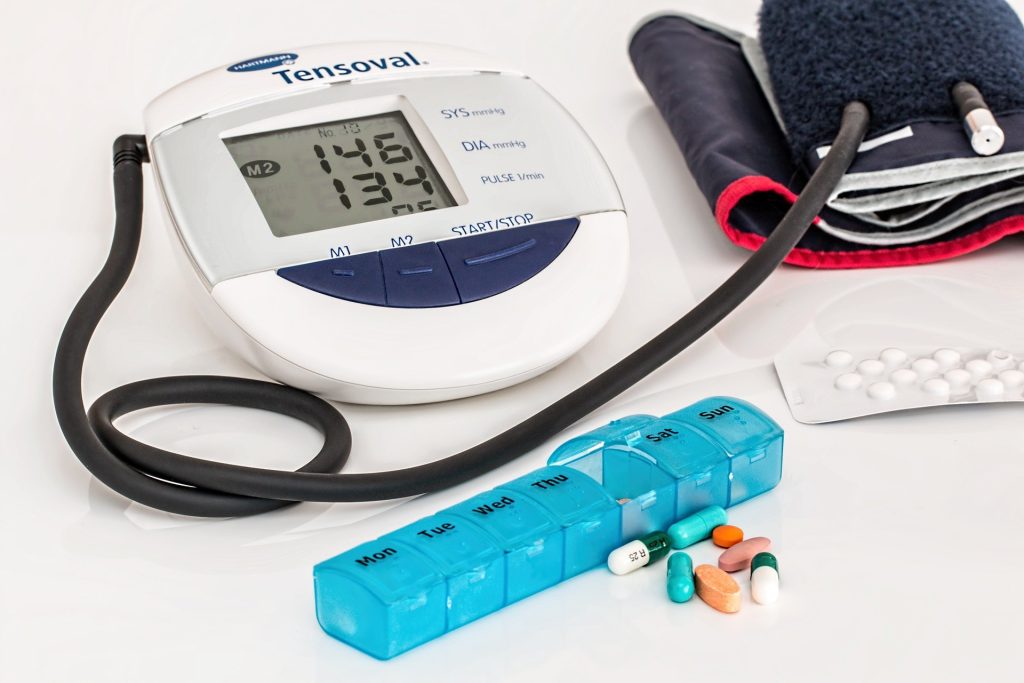
Blood pressure cuff
BP cuff for home monitoring, Source: Pixabay

Only 48% of people age 50 to 80 taking blood pressure medications or have a health condition affected by hypertension regularly check their blood pressure at home or other places, found a new study published in JAMA Network Open.

A somewhat higher number (62%) say a health care provider encouraged them to perform such checks. Poll respondents whose providers had recommended they check their blood pressure at home were three and a half times more likely to do so than those who didn’t recall getting such a recommendation.

The findings underscore the importance of exploring the reasons why at-risk patients aren’t checking their blood pressure, and why providers aren’t recommending they check — as well as finding ways to prompt more people with these health conditions to check their blood pressure regularly. This could play an important role in helping patients live longer and maintain heart and brain health, the study’s authors say.

Past research has shown that regular home monitoring can help with blood pressure control, and that better control can mean reduced risk of death; of cardiovascular events including strokes and heart attacks; and of cognitive impairment and dementia.

A team from Michigan Medicine, the University of Michigan’s academic medical centre, conducted the research. The data come from the National Poll on Healthy Aging and build on a report issued last year.

The poll, based at the U-M Institute for Healthcare Policy and Innovation and supported by Michigan Medicine and AARP, asked adults aged 50 to 80 about their chronic health conditions, blood pressure monitoring outside of clinic settings, and interactions with health providers about blood pressure. Study authors Mellanie V. Springer, M.D., M.S., of the Michigan Medicine Department of Neurology, and Deborah Levine, M.D., M.P.H., of the Department of Internal Medicine, worked with the NPHA team to develop the poll questions and analyze the findings.

The data in the new paper come from the 1,247 respondents who said they were either taking a medication to control their blood pressure or had a chronic health condition that requires blood pressure control — specifically, a history of stroke, coronary heart disease, congestive heart failure, diabetes, chronic kidney disease or hypertension.

Of them, 55% said they own a blood pressure monitor, though some said they don’t ever use it. Among those who do use it, there was wide variation in how often they checked their pressure — and only about half said they share their readings with a health provider. But those who own a monitor were more than 10 times more likely to check their blood pressure outside of health care settings than those who don’t own one.

The authors note that blood pressure monitoring is associated with lower blood pressure and is cost-effective. They say that the results suggest that protocols should be developed to educate patients about the importance of self blood pressure monitoring and sharing readings with clinicians.

Source: Michigan Medicine – University of Michigan

Cortisol Levels may Predict Addiction Recovery Success

Depression, young man
Source: Andrew Neel on Unsplash

A new study found that lower initial cortisol levels may serve as a predictor for retention in treatment programs for substance use disorder.

The prospective observational study examined the salivary cortisol, stress exposure, adverse childhood experiences (ACEs) and treatment retention of males enrolled in abstinence-based, residential alcohol and drug recovery programs. Their findings were published last month in Alcoholism: Clinical and Experimental Research.

Cortisol levels reflect a physiological response to stress. In this case, researchers found that participants who remained in the treatment program less than 90 days had significantly higher initial cortisol levels than those who remained in the program longer than 90 days. Further, a Cox proportional hazards model indicated that elevated salivary cortisol, marital/relationship status and ACEs score correlated significantly with hazards of discontinuing the program early.

“Our hope is that these findings will lead to cortisol as a biomarker that can help clinicians determine which individuals might need a more intensive therapeutic approach,” said Todd H. Davies, Ph.D., associate director of research and development at the Joan C. Edwards School of Medicine and corresponding author on the study.

In collaboration with Recovery Point, the researchers have a larger follow-up study underway that seeks to identify the clinical significant levels of cortisol. This expanded study also includes a more representative population and examine the hormone oxytocin.

Source: Marshall University Joan C. Edwards School of Medicine

Switch to Tenecteplase for Ischaemic Strokes Improves Outcomes and Lowers Costs

Credit: American Heart Association

A newer, faster-administration clot-busting drug called tenecteplase outperforms the traditional treatment for ischaemic strokes in several key areas, including better health outcomes and lower costs, according to a new study published in the journal Stroke.

The 15-month study was led by a team of neurologists at Dell Medical School at The University of Texas at Austin.

“The Dell Med Neurology Stroke Program was one of the first in the United States to make this change,” said Steven Warach, MD, lead author of the study . “Based on even the earliest results from this study, other experts across the country were convinced and made the switch from alteplase to tenecteplase at their own stroke centres, including at Ascension hospitals nationwide.” 

The vast majority of strokes of the 800 000 strokes in the US (about 87%) each year are ischaemic.

Both tenecteplase and alteplase are federally approved for use in dissolving clots in blocked heart arteries. But the newer drug tenecteplase is also being used by clinicians, off-label, to treat ischaemic strokes, because clinical trials in stroke suggest that it may be at least as good as alteplase and it is easier to administer. Tenecteplase is administered by a single five- to 10-second intravenous injection. The researchers compared its performance with the standard drug for stroke, alteplase, which is injected over 60 minutes.

“When it comes to treating patients with a stroke, every second matters,” said Warach, who is also a professor of neurology at Dell Med. “The shorter preparation and injection time with tenecteplase not only eliminates a lot of dosing errors related to alteplase, but it’s also more efficient. We were able to deliver the clot-busting medicine more quickly after patients arrived in the emergency department, and for patients who needed to be transferred to another hospital for more advanced care after receiving the clot buster, we were able to initiate the transfer sooner in those treated with tenecteplase.”

For patients who come into the emergency department after a stroke, Warach’s study found that the “door-to-needle” time (from patients’ arrival to treatment) was on average six minutes quicker with tenecteplase. And for patients who also required a thrombectomy, the surgical removal of a blood clot causing the stroke, tenecteplase slashed to the time to transferring the patient to a thrombectomy-capable stroke centre by 25 minutes.

Researchers also saw improvements in clinical outcomes for patients given tenecteplase, including:

  • A 5% increase in patients who were able to walk independently at time of hospital discharge to home.
  • A 4% decrease in occurrences of bad events such as brain haemorrhages, discharge to hospice care or death.

The third major improvement: cost. The research team found that tenecteplase treatment cost the hospitals about US$ 2500 less than alteplase per patient.

Source: EurekAlert!

Is COVID Really Causing New-onset Type 1 Diabetes in Young People?

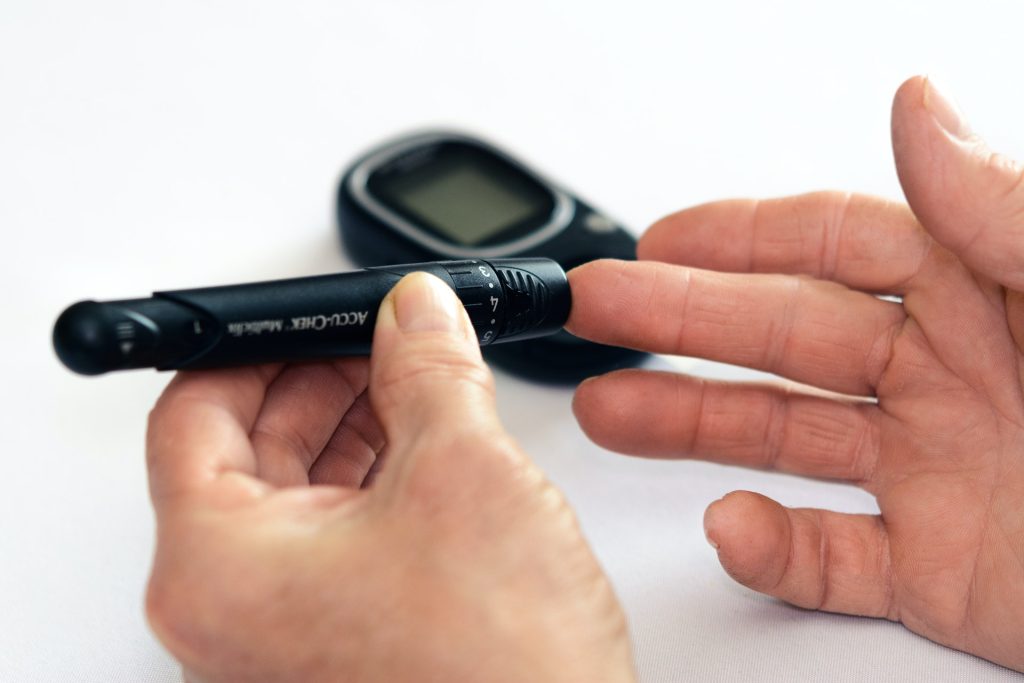
Diabetes - person measures blood glucose
Photo by Photomix Company from Pexels

New research on Scottish data has found SARS-CoV-2 infection is linked to an increased incidence of new-onset type 1 diabetes in under-35s – but only in the first month after infection, likely due to increased testing as well as COVID bringing forward the progression of diabetes.

The study, presented at this year’s European Association for the Study of Diabetes (EASD) Annual Meeting, linked data on COVID tests results to the Scottish diabetes register for the period between March 2020 and November 2021, and tested whether this period of COVID infection was associated with an increased risk of diabetes.

“Our findings call into question whether a direct association between COVID and new-onset type 1 diabetes in adults and children exists”, says co-lead author Professor Helen Colhoun from Public Health Scotland and the University of Edinburgh, Scotland. “One recent report by researchers at the US Centers for Disease Control and Prevention (CDC), analysing two large insurance-claim databases of those under age 18, found that children with COVID were 2.5 times as likely to be diagnosed with diabetes over a month after infection than those who were never infected. If replicated, this is going to create a large number of people with newly diagnosed diabetes and might also alter the risk–benefit balance for COVID vaccination in young children. Importantly, we did not confirm that finding.”

In type 1 diabetes, which usually appears during childhood or adolescence, the immune system attacks insulin-producing cells, but it is not known why. One theory is that the immune system may be triggered by a viral infection and then accidentally also attacks insulin-producing cells. It has also been suggested that viral infections may increase the rate of progression of type 1 diabetes in people who still have normal blood sugar levels.

In this study, Prof Colhoun and colleagues linked individual-level data on PCR-confirmed SARS-CoV-2 infections from the Electronic Communication of Surveillance Database, which captures all PCR tests for COVID-19 nationally, with precise dates of all new type 1 diabetes diagnoses from the national register in Scotland (that is updated daily).

During the study period a confirmatory PCR test was mandatory for all those with a positive lateral flow test.

The important aspect of this study is the exact dates of diabetes diagnosis were available, unlike in some earlier studies, ensuring that the time sequence of COVID and type 1 diabetes could be established.

Between March 2020 and November 2021, a total of 365 080 children and adults had at least one detected SARS-CoV-2 infection, and 1074 were diagnosed with type 1 diabetes.

The analysis found no association between SARS-CoV-2 infection and new-onset type 1 diabetes 30 days or more after infection, or in those aged younger than 16 years, contrary to several previously reported studies.

However, the researchers did find that children and adults with a first positive SARS-CoV-2 test were 2.5 times as likely to be diagnosed with diabetes within 30 days of infection compared to those who did not have a previous registered infection; this risk was more than three times higher in those younger than 16 years.

But the authors stress strong arguments against a causal effect of COVID underlying this association.

Further analyses investigating the pattern of COVID- testing in relation to type 1 diabetes diagnosis found an increased frequency of SARS-CoV-2 testing in the days before and after diabetes presentation, for both negative and positive results. This suggests, says the authors, that the association may partly be explained by higher detection of infection at this time.

The authors also note that the average time from the onset of type 1 diabetes symptoms to diagnosis under 16s in England is around 25 days. So, it is likely that many of those who tested positive for COVID-19 within 30 days of a diabetes diagnosis already had type 1 diabetes at the time of infection.

No link was found between between COVID vaccination status and new-onset type 1 diabetes in adults (few children were vaccinated during the study period), providing further evidence against a causal effect of SARS-CoV-2 infection on the development of diabetes.

The researchers also looked at trends in type 1 diabetes incidence in Scottish children aged 0–14 years before and during the pandemic, finding that the incidence in 2020–2021 was around 20% higher than the 7-year average for 2015–2021.

However, they point out that based on estimates from England, the time course of the increase in diabetes incidence in those aged 0–14 years predated most of the cumulative incidence of SARS-CoV-2 infection in this age group (June 2021 onwards), suggesting no causal link between COVID and rates of diabetes.

“Our findings show that causes other than COVID infection itself need to be considered in relation to the increased incidence of type 1 diabetes”, said co-lead author Professor Paul McKeigue from Public Health Scotland and the University of Edinburgh, Scotland. “We need to consider what has happened regarding the spread of viruses such as enteroviruses during the pandemic, and whether there are any other environmental factors, such as sunlight exposure and vitamin D levels, that might have altered during lockdown that might also be relevant.”

The authors note that although their study was large, further analyses with more recent data is needed, and that the delay in mass testing meant many COVID cases in the young went undetected.

Source: EurekAlert!