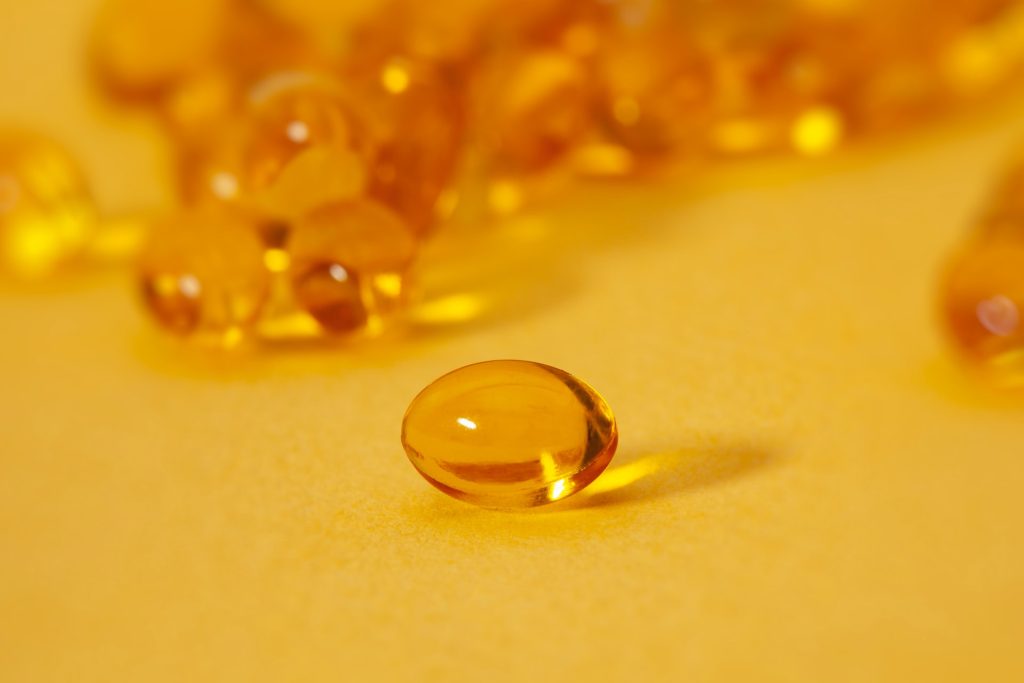
Vitamin D supplementation does not have beneficial effects on muscle function, strength, or mass, according to a new meta-analysis, and may even have detrimental effects on muscle strength in people with normal levels of the vitamin.
Vitamin Ddeficiency, causes a generalised decrease in bone mineral density, resulting in osteopenia and osteoporosis. In young children who have little mineral in their skeleton, this defect results in a variety of skeletal deformities classically known as rickets. It is also believed to cause muscle weakness; affected children have difficulty in standing and walking, whereas the elderly have increasing sway and more frequent falls,thereby increasing their risk of fracture.
The analysis, which is published in the Journal of Bone and Mineral Research, included 54 trials involving 8747 individuals. Overall, no benefits of vitamin D over placebo were observed for improving muscle health. On the contrary, vitamin D appeared to have detrimental effects in terms of increased time spent performing what’s called the Timed Up and Go test, a decrease in maximum strength at knee flexion, and a tendency towards a reduced score of the Short Physical Performance Battery.
“Care should be taken recommending vitamin D supplementation to improve muscle strength and function in people with normal or only slightly impaired vitamin D status,” said lead author Lise Sofie Bislev, MD, PhD, of Aarhus University Hospital, in Denmark. “We need to study further whether it may benefit muscles in those with severe vitamin D deficiency, however.”
A new study conducted by the Azrieli Faculty of Medicine of Bar-Ilan University and its affiliate Galilee Medical Center (GMC) is one of the first to show that vitamin D deficiency before infection is associated with increased COVID severity and mortality. The study is available on the medRxiv preprint server, awaiting peer review.
Vitamin D has attracted attention in prevention of severe COVID as its levels are known to be related to risks of influenza and respiratory tract infections. It also has direct antiviral effects primarily against enveloped viruses, which include coronaviruses.
Previous studies that examined the link between vitamin D levels and SARS-CoV-2 infection had mixed results. Most measured vitamin D levels once patients were already sick, making interpretation of the results difficult. The new study assessed this correlation using low levels of vitamin D measured prior to infection and also focused on disease severity.
The researchers searched for vitamin D levels measured 14 to 730 days prior to positive PCR tests in the records of individuals admitted between April 2020 and February 2021 to GMC in Nahariya, Israel.
Of 1176 patients admitted, 253 had vitamin D levels recorded prior to COVID infection. Compared to mildly or moderately diseased patients, those with severe or critical COVID disease were more likely to have severe pre-infection vitamin D deficiency with levels less than 20 ng/mL.
“This study can highlight the risks of vitamin D deficiency in terms of COVID-19,” said Dr Amiel Dror, of GMC and the Azrieli Faculty of Medicine of Bar-Ilan University, who led the study. “Vitamin D is often associated with bone health. We’ve shown that it may also play an important role in other disease processes, such as infection.”
Prof Michael Edelstein, of the Azrieli Faculty of Medicine of Bar-Ilan University said, “It is still unclear why certain individuals suffer severe consequences of COVID-19 infection while others don’t. Our finding adds a new dimension to solving this lingering puzzle. In Israel, where vitamin D deficiency is common in certain population groups, this finding is particularly important.”
The authors said that the link between low pre-infection vitamin D levels and severe COVID does not necessarily imply that giving vitamin D to COVID patients will decrease the risk of severe disease. However, it does highlight the need to better manage vitamin D deficiency.
The human body needs adequate sunshine exposure to synthesise vitamin D, otherwise it must be supplied by supplements. Photo by Anders Jildén on Unsplash
Vitamin D deficiency enhances the craving for and effects of opioids, potentially worsening addiction risk, according to a new study.
These findings by researchers at Massachusetts General Hospital (MGH), published in Science Advances, suggest that the opioid crisis could partly be addressed by treating the common problem of vitamin D deficiency with inexpensive supplements.
In 2007, David E. Fisher, MD, PhD, director of the Mass General Cancer Center’s Melanoma Program and director of MGH’s Cutaneous Biology Research Center (CBRC) and his team found something unexpected: UVB ray exposure causes the skin to produce endorphin, which is chemically related to morphine, heroin and other opioids, which all activate the same receptors in the brain. Further research found that UV exposure raises endorphin levels in mice, which then display behaviour consistent with opioid addiction.
Endorphin induces a sense of mild euphoria. Research has suggested that some people develop urges to sunbathe and visit tanning salons that mirror the behaviours of opioid addicts. Dr Fisher and colleagues speculated that people may seek out UVB for the endorphin rush. But that suggests a major contradiction. “Why would we evolve to be behaviourally drawn towards the most common carcinogen that exists?” asked Dr Fisher.
Dr Fisher believes that the only explanation for why humans and other animals seek out the sun is that UV radiation exposure is necessary for production of vitamin D. One of vitamin D’s functions is promoting the uptake of calcium, essential for building bone. As humans migrated north during prehistoric times, they must have developed some kind of compulsion to venture outside of caves and on dark days, otherwise the vitamin D level would have debilitated them, especially the children.
This theory led Fisher and colleagues to hypothesise that sun seeking is driven by counteracting vitamin D deficiency for survival, and that vitamin D deficiency might also make the body more sensitive to the effects of opioids, potentially contributing to addiction. “Our goal in this study was to understand the relationship between vitamin D signaling in the body and UV-seeking and opioid-seeking behaviors,” says lead author Lajos V. Kemény, MD, PhD, a postdoctoral research fellow in Dermatology at MGH.
The researchers addressed the question from dual perspectives. One study arm compared normal laboratory mice with mice that were deficient in vitamin D (either through special breeding or by removing vitamin D from their diets). “We found that modulating vitamin D levels changes multiple addictive behaviours to both UV and opioids,” said Kemény. Importantly, when the mice were conditioned with modest doses of morphine, the vitamin D deficient mice continued seeking out the drug, more than the normal mice. Mice with low vitamin D levels were far more likely to develop morphine withdrawal symptoms.
The study also found that morphine relieved pain more effectively in mice with vitamin D deficiency – an exaggerated opioid response in these mice, and possibly concerning if it’s also true in humans, said Dr Fisher. For example, a surgery patient receiving morphine for pain control after the operation, and if they are deficient in vitamin D, the euphoric effects of morphine could be exaggerated, said Dr Fisher, “and that person is more likely to become addicted.”
This data suggesting vitamin D deficiency increases addictive behaviour was bolstered by analyses of human health records. One showed that, compared to those with normal levels, patients with modestly low vitamin D levels were 50 per cent more likely to use opioids, while patients who had severe vitamin D deficiency were 90 percent more likely. Another analysis found that patients with opioid use disorder (OUD) were more likely to be deficient in vitamin D.
Back in the lab, one of the study’s other critical findings could have significant implications, said Dr Fisher. “When we corrected vitamin D levels in the deficient mice, their opioid responses reversed and returned to normal,” he says. In humans, vitamin D deficiency is widespread, but is safely and easily treated with low-cost dietary supplements, notes Fisher. While more research is needed, he believes that treating vitamin D deficiency may be a new way to reduce the risk for OUD and bolster existing treatments for the disorder. “Our results suggest that we may have an opportunity in the public health arena to influence the opioid epidemic,” says Fisher.
Supplementation Scientists have estimated that supplementing the over-50 population in Germany with sufficient vitamin D would save 30 000 lives which would otherwise be lost to cancer, gaining some 300 000 extra years of life, all while reducing healthcare costs.
Vitamin D is created in the body through the interaction of UV-B radiation with dehydrocholesterol, which is produced in the skin, into vitamin D3 (cholecalciferol). In many countries, populations have chronically low vitamin D levels due to more time being spent indoors. Vitamin D supplementation is associated with the prevention and treatment of nutritional rickets and osteomalacia, but it is important for other aspects of health such as prevention of respiratory tract infections and asthma. In countries such as Germany, low sunlight levels for much of the year combined with more time spent indoors results in much of the population having inadequate vitamin D levels.
Three large meta-analyses had indicated that mortality due to cancer is reduced by 13% with vitamin D supplementation.
“In many countries around the world, the age-adjusted rate of cancer mortality has fortunately declined over the past decade,” said Hermann Brenner, epidemiologist at the German Cancer Research Centre (DKFZ). However, given the often considerable costs of many new cancer drugs, this success has often come at a high price. Vitamin D, on the other hand, is comparatively inexpensive in the usual daily doses.”
To get their figures, the scientists used a daily administration of 1000 international units of vitamin D, costing 25 Euros per person per year. Since about 36 million people over the age of 50 live in Germany, this results in an annual cost of 900 million Euros.
The researchers calculated the number of years lost to cancer death, and also did not account for testing of vitamin D levels, as the proposed 1000 international units were far short of an overdose danger. The study estimated that if the entire German population over the age 50 were given sufficient supplements to achieve the recommended levels of vitamin D, 30 000 cancers deaths annually would be prevented.
“In view of the potentially significant positive effects on cancer mortality – additionally combined with a possible cost-saving – we should look for new ways to reduce the widespread vitamin D deficiency in the elderly population in Germany. In some countries, foods have even been enriched with vitamin D for many years – for example, in Finland, where cancer mortality rates are about 20 percent lower than in Germany. Not to mention that there is mounting evidence of other positive health effects of adequate vitamin D supply, such as in lung disease mortality rates,” said Brenner, adding, “Finally, we consider vitamin D supplementation so safe that we even recommend it for newborn babies to develop healthy bones.”
Spending about 12 minutes two to three times a week in the sun, with face, hands and parts of the arms and legs all uncovered and without sunscreen is sufficient to provide enough vitamin D.
Journal information: Niedermaier, T., et al. (2021) Vitamin D supplementation to the older adult population in Germany has the cost‐saving potential of preventing almost 30,000 cancer deaths per year. Molecular Oncology. doi.org/10.1002/1878-0261.12924.