

Sweetened Drinks Linked to Higher Atrial Fibrillation Risk
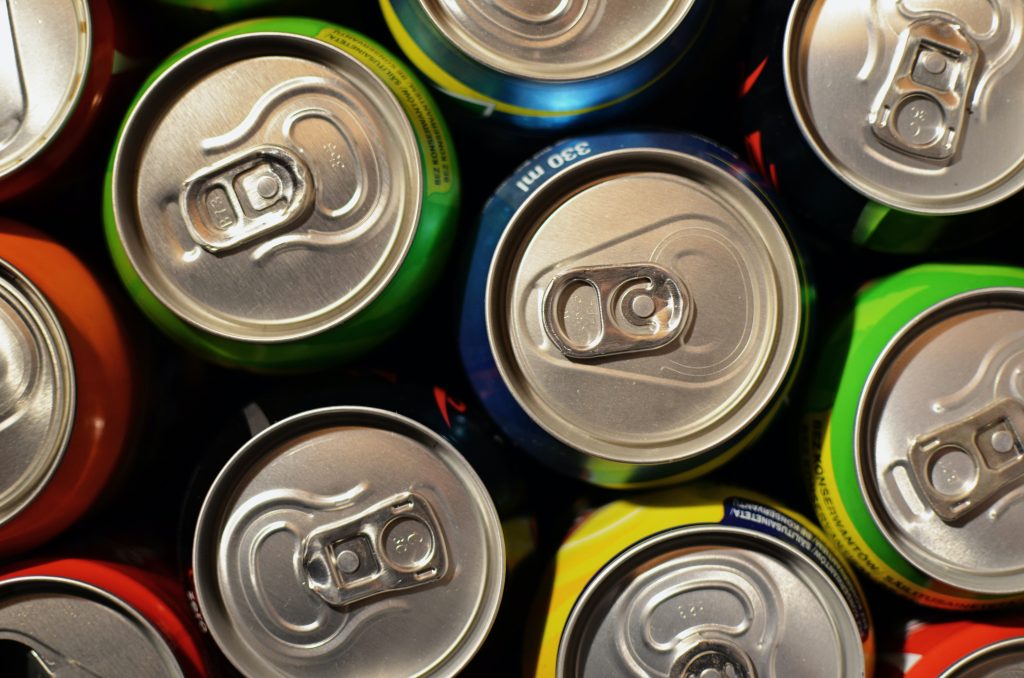
An analysis of UK Biokank data showed that adults who reported drinking two litres or more of sugar- or artificially sweetened drinks per week had a higher risk of atrial fibrillation compared with adults who drank fewer such beverages, according to new research published in Circulation: Arrhythmia and Electrophysiology, a peer-reviewed journal of the American Heart Association.
The study also found that drinking one litre or less per week of pure, unsweetened juice, such as orange or vegetable juice, was associated with a lower risk of atrial fibrillation (AFib). However, the study could not confirm whether the sweetened drinks caused AFib, yet the association remained after accounting for a person’s genetic susceptibility to the condition.
Consuming sweetened drinks has been linked to Type 2 diabetes and obesity in previous research. This large study of health data in the UK Biobank is among the first to assess a possible link between sugar- or artificially sweetened beverages and AFib.
“Our study’s findings cannot definitively conclude that one beverage poses more health risk than another due to the complexity of our diets and because some people may drink more than one type of beverage,” said lead study author Ningjian Wang, MD, PhD, a researcher at the Shanghai Ninth People’s Hospital and Shanghai Jiao Tong University School of Medicine in Shanghai, China. “However, based on these findings, we recommend that people reduce or even avoid artificially sweetened and sugar-sweetened beverages whenever possible. Do not take it for granted that drinking low-sugar and low-calorie artificially sweetened beverages is healthy, it may pose potential health risks.”
The researchers reviewed data from dietary questionnaires and genetic data for more than 200 000 adults free of AFib at the time they enrolled in the UK Biobank, between 2006 and 2010. During the nearly 10-year follow-up period, there were 9362 cases of AFib among the study participants.
The analysis found:Compared to people who did not consume any sweetened drinks, there was a 20% increased risk of atrial fibrillation among people who said they drank more than 2 litres per week of artificially sweetened beverages; and a 10% increased risk among participants who reported drinking 2 litres per week or more of sugar-sweetened beverages.
People reporting 1 litre or less of pure fruit juice each week had an 8% lower risk of atrial fibrillation.
Participants who consumed more artificially sweetened beverages were more likely to be female, younger, have a higher body mass index and a higher prevalence of Type 2 diabetes.
Participants who consumed more sugar-sweetened beverages were more likely to be male, younger, have a higher body mass index, a higher prevalence of heart disease and lower socioeconomic status.
Those who drank sugar-sweetened beverages and pure juice were more likely to have a higher intake of total sugar than those who drank artificially sweetened drinks.
Smoking may have also affected risk, with smokers who drank more than two litres per week of sugar-sweetened beverages having a 31% higher risk of AFib, whereas no significant increase risk was noted for former smokers or people who never smoked.
“These novel findings on the relationships among atrial fibrillation risk and sugar- and artificially sweetened beverages and pure juice may prompt the development of new prevention strategies by considering decreasing sweetened drinks to help improve heart health,” Wang said.
Researchers also evaluated whether a genetic susceptibility to AFib was a factor in the association with sweetened beverages. The analysis found the AFib risk was high with the consumption of more than 2 litres of artificially sweetened drinks per week regardless of genetic susceptibility.
Source: American Heart Association
