More Stem Cell Donors Needed to Increase the Aplastic Anaemia Survival Rate
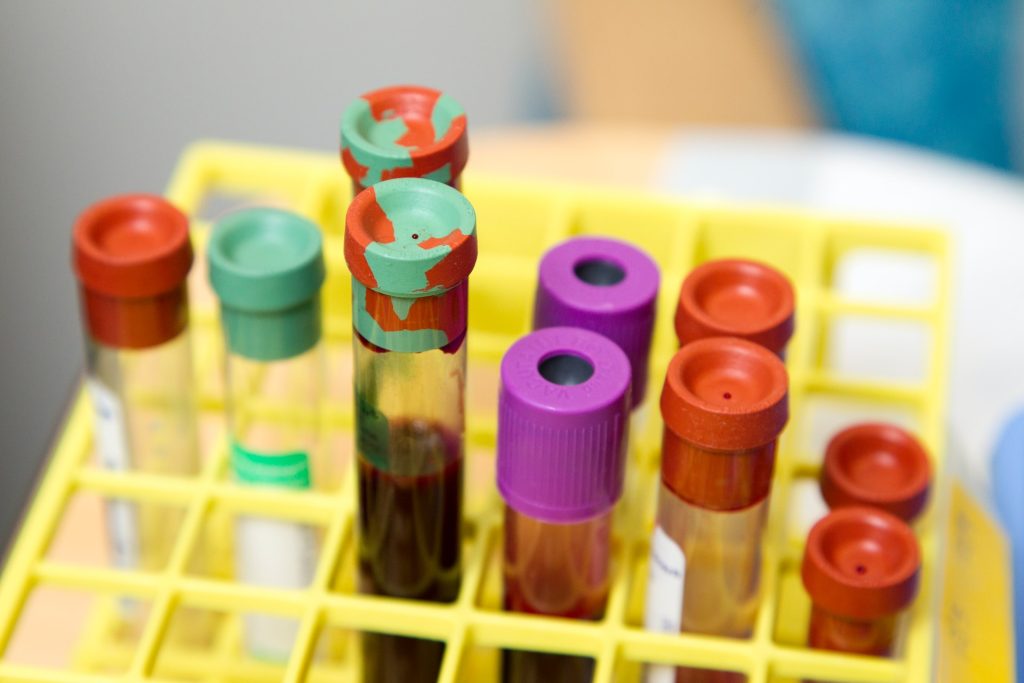
Despite being one of the rarest blood disorders, Aplastic Anaemia is one of the deadliest, with about 70% of patients having a life expectancy of only one year if untreated.
Among the treatment options available, stem cell transplants offer hope, boasting a 96% survival rate that increases to 100% in children and adults under 40. Unfortunately, however, there are only 76 019 donors on the South African registry, meaning that the chances of Aplastic Anaemia patients finding a suitable match are slim.
“The chances are even slimmer for Black Aplastic Anaemia patients as only 33% of the registry is comprised of Black donors,” says Palesa Mokomele, Head of Community Engagement and Communications at DKMS Africa, who explains that a patient’s best chance of a match comes from within their own ethnic group.
Currently, the non-profit organisation is trying to find matching donors for at least seven South African Aplastic Anaemia patients between the ages of seven and 36. Some of these patients, like 21-year-old Kholiwe, have been on the waiting list since as far back as 2020.
During her matric year, she started experiencing symptoms and after being rushed to the hospital following a fainting spell, received the shocking diagnosis. Compounding the situation for the aspiring drama student was the withdrawal of support from her family, leaving her all alone to cope emotionally and financially with the disease. As she waits for a matching donor to be found, Kholiwe now has the challenge of finding permanent employment while simultaneously undergoing medical treatments to keep her alive. Despite these hardships, she remains hopeful about finding a matching stem cell donor. “Kholiwe’s future, and those of other Aplastic Anaemia patients, depends on this,” says Mokomele.
Explaining what Aplastic Anaemia is, she shares that, based on information gathered by DKMS Africa in conjunction with BLOODSA, the condition occurs when our bone marrow stops making enough blood cells. “This can lead to anaemia, a weak immune system, and an increased risk of bleeding and bruising.”
As for the cause of Aplastic Anaemia, Mokomele points out that this is due to bone marrow damage. “While some people are born with compromised bone marrow, others develop this as a consequence of pregnancy, genetic disorders, certain medicines or chemicals, an overactive immune system or viral infections such as HIV and Hepatitis.”
In light of Aplastic Anaemia Awareness Day on 4 March, she encourages all South Africans to familiarise themselves with the symptoms. “These include tiredness; feeling weak; pale skin and tongue; bruising and bleeding easily; rapid heartbeat; trouble breathing; frequent infections; headaches and dizziness.”
Similarly, 10-year-old Mesuli’s experience highlights the challenges faced by Aplastic Anaemia patients and their families. His journey began with drastic weight loss and constant fatigue. The once energetic and always bubbly little boy grew weak and started having severe nose bleeds. That’s when his aunt Nonhle, who is caring for him following the passing of his mother, consulted a doctor. With his illness forcing him to leave school, Mesuli’s new reality consists of going to the hospital every Wednesday for a blood transfusion.
“It hurts to see him in pain because it hurts me too. All I want is for him to grow and live out his dreams. I am begging each South African to think of Mesuli, spread the word and get your family and friends registered to help save the life of my boy. His life hangs in the hands of a perfect stranger,” pleads Nonhle.
Mesuli hopes to one day become a doctor and save lives, the same way he hopes his life will be saved.
“Bearing Aplastic Anaemia Awareness Day in mind, we encourage South Africans to pay close attention to their health and that of their loved ones, especially as the rarity of the disease does not diminish its severity. But, more importantly, we need those who are healthy to register as stem cell donors and save the lives of patients with this deadly disease,” concludes Mokomele.
Register today at https://www.dkms-africa.org/register-now
For more information, contact DKMS Africa on 0800 12 10 82.