
Tag: pregnancy loss

Africa’s Hidden Stillbirth Crisis: New Report Exposes Major Policy and Data Gaps

Mary Kinney, University of Cape Town

Photo by ManuelTheLensman on Unsplash

Nearly one million babies are stillborn in Africa every year. Behind every stillbirth is a mother, a family and a story left untold. Most of these are preventable, many unrecorded, and too often invisible. Each number hides a moment of heartbreak, and every uncounted loss represents a missed opportunity to learn and to act.

As a public health researcher specialising in maternal and newborn health, I have spent the past two decades working on strengthening health systems and quality of care across Africa. My research has focused on understanding how health systems can prevent stillbirths and provide respectful, people-centred care for women and newborns. Most recently, I was part of the team that led a new report called Improving Stillbirth Data Recording, Collection and Reporting in Africa. It is the first continent-wide assessment of how African countries record and use stillbirth data.

The study, conducted jointly by the Africa Centres for Disease Control and Prevention, the University of Cape Town, the London School of Hygiene & Tropical Medicine and the United Nations Children’s Fund, surveyed all 55 African Union member states between 2022 and 2024, with 33 countries responding.

The burden of stillbirths in Africa is staggering. Africa accounts for half of all stillbirths globally, with nearly eight times higher rates than in Europe. Even stillbirths that happen in health facilities may never make it into official statistics despite every maternity registry documenting this birth outcome.

Part of the challenge is that there are multiple data systems for capturing births and deaths, including stillbirths, like routine health information systems, civil registration and other surveillance systems. But these systems often don’t speak to each other either within countries or between countries. This data gap hides both the true burden and the preventable causes.

Despite advances in several countries to prevent stillbirths, large gaps remain, especially on data systems. Only a handful of African countries routinely report stillbirth data to the UN, and many rely on outdated or incomplete records. Without reliable, comparable data, countries cannot fully understand where and why stillbirths occur or which interventions save lives.

Strengthening stillbirth data is not just about numbers; it is about visibility, accountability and change. When countries count every stillbirth and use the data for health system improvement, they can strengthen care at birth for mothers and newborns and give every child a fair start in life.

Findings

The report was based on a regional survey of ministries of health. This was followed by document reviews and expert consultations to assess national systems, policies and practices for stillbirth reporting and review.

The report reveals that 60% of African countries have national and sub-national committees responsible for collecting and using stillbirth data, which produce national reports to respective health ministries. But data use remains limited. Capacity gaps, fragmented systems and insufficient funding prevents many countries from translating information into action.

To guide investment and accountability, the report categorises countries into three readiness levels:

  1. Mature systems needing strengthening, such as Kenya, Rwanda and Uganda. These countries have consistent data flows but need more analysis and use.
  2. Partial systems requiring support, where reporting mechanisms exist but are not systematically implemented, like Ghana, Malawi and Tanzania.
  3. Foundational systems still being built, including fragile or conflict-affected countries like South Sudan and Somalia. Here, policies and structures for data collection and use remain absent.

The findings show both progress and persistent gaps. Two-thirds of African countries now include stillbirths in their national health strategies, and more than half have set reduction targets. Nearly all countries report that they routinely record stillbirths through their health sectors using standard forms and definitions, yet these definitions vary widely. Most systems depend on data reported from health facilities. But the lack of integration between health, civil registration and other data systems means that countless losses never enter national statistics.

For example, if a woman delivers at home alone in Mozambique and the baby is stillborn, the loss is only known to the family and community. Without a facility register entry or civil registration notification, the death never reaches district or national statistics. Even when a stillbirth occurs in a health centre, the health worker may log it in a facility register but not report it to the civil registration system. This means the loss of the baby remains invisible in official data.

What this means

Stillbirths are a sensitive measure of how health systems are performing. They reflect whether women can access timely, quality care during pregnancy and at birth. But unlike maternal deaths, which are often a benchmark for health system strength, stillbirths remain largely absent from accountability frameworks.

Their causes, like untreated infections, complications during labour, or delays in accessing emergency caesarean sections, are often preventable. The same interventions that prevent a stillbirth also reduce maternal deaths. These improve newborn survival, and lay the foundation for better health and development outcomes in early childhood.

Accurate data on stillbirths can guide clinical care and direct scarce resources to where they are needed most. When data systems are strong, leaders can identify where and why stillbirths occur, track progress and make informed decisions to prevent future tragedies.

The analysis also highlights promising signs of momentum. Over two-thirds of countries now reference stillbirths in national health plans, an important marker of growing political attention. Several countries are moving from isolated data collection to more coordinated, system-wide approaches. This progress shows that change is possible when stillbirths are integrated into national health information systems and supported by investment in workforce capacity, supervision and data quality.

What’s needed

Africa has the knowledge, evidence and experience to make change happen.

The report calls for harmonised definitions, national targets and stronger connections and data use between the different data sources within and across African countries. Above all, it calls for collective leadership and investment to turn information into impact, so that every stillbirth is counted, every death review leads to learning and no parent grieves alone.

The author acknowledges and appreciates the partners involved in developing the report and the support from the Global Surgery Division at UCT.

Mary Kinney, Senior Lecturer with the Global Surgery Division, University of Cape Town

This article is republished from The Conversation under a Creative Commons license. Read the original article.

New Treatment for Pregnancy Loss Caused by Specific Autoantibody

Photo by SHVETS production

Amongst women who experience recurrent pregnancy loss, around 20% test positive for a specific autoantibody. A Kobe University-led research team now found a treatment using either of two common drugs that drastically increases these women’s chances of carrying to full-term without complications, reporting their findings in Frontiers in Immunology.

Recurrent pregnancy loss is a condition of women who have lost two or more pregnancies for non-obvious reasons. Kobe University obstetrician Tanimura Kenji and his team have previously found that in 20% of these women, they can detect a specific antibody in their blood that targets their own bodies: anti-β2-glycoprotein I/HLA-DR autoantibodies.

Tanimura explains: “There is no known treatment for this particular condition, but the antibodies have a similar target to those that play a role in a different condition that has an established treatment.” Therefore, he wanted to test whether that treatment also works in the cases with the newly discovered antibody.

Tanimura enlisted the help of obstetricians across five hospitals in Japan and over the course of two years analysed the blood of consenting women suffering from recurrent pregnancy loss for the antibodies. If any of these women got pregnant during this time frame, their doctors would offer treatment options also containing those drugs that are effective against the chemically similar condition, specifically, low-dose aspirin or heparin. The research team then observed how many of the women who included these drugs in their treatment had full-term live births or pregnancy complications and compared that to the pregnancy outcomes in women who did not take either of the two drugs.

They report that women who received the treatment were much more likely to have live births (87% did) compared to the ones without treatment (of which only 50% had live births). In addition, amongst the live births, the treatment reduced the likelihood of complications from 50% to 6%. “The sample size was rather small (39 women received the treatment and 8 did not), but the results still clearly show that a treatment with low-dose aspirin or heparin is very effective in preventing pregnancy loss or complications also in women who have these newly discovered self-targeting antibodies,” summarises Tanimura.

Many women who tested positive for the newly discovered self-targeting antibodies also tested positive for the previously known ones. However, the Kobe University-led team found that women who only had the newly discovered antibodies and who received the treatment were even more likely to have a live birth (93%) and, amongst these, none had pregnancy complications.

Looking ahead, Tanimura says: “The newly discovered self-targeting antibody has been demonstrated to be involved also in infertility and recurrent implantation failure, as well as a risk factor for arterial thrombosis in women with systemic rheumatic diseases. I therefore expect that studies about the effectivity of the treatment against a broader range of conditions might produce encouraging results.”

Source: Kobe University

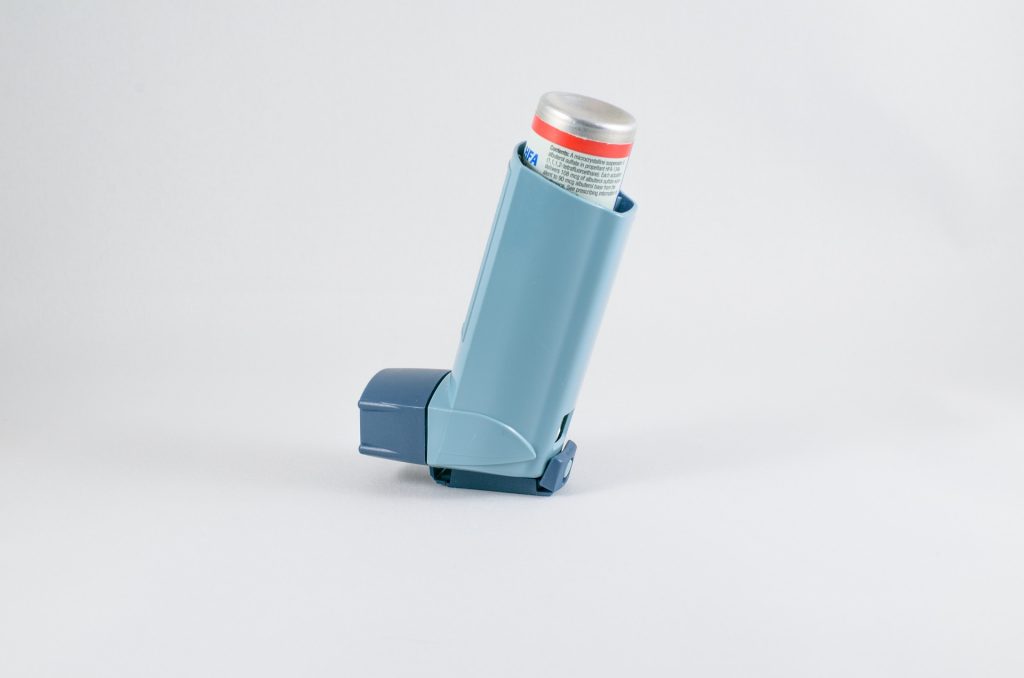
Higher Odds of Miscarriage, Needing Fertility Treatment for Women with Asthma

Credit: Pixabay CC0

Women who are being treated for asthma are more likely to miscarry and need fertility treatment to get pregnant, according to a large study presented at the European Respiratory Society (ERS) Congress in Vienna, Austria. The study also suggests that most women with asthma are able to have babies.

The study was presented by Dr Anne Vejen Hansen from the department of respiratory medicine at Copenhagen University Hospital, Denmark.

She said: “Asthma is common in women of reproductive age. Previous studies have shown that it takes women with asthma longer to get pregnant than those without asthma when undergoing fertility treatment, and that asthmatic women who succeed in getting pregnant have more often had fertility treatment than non-asthmatic women. But most existing studies are on women who have actually got pregnant, so we wanted to examine fertility outcomes on a national scale, to also include those that might not become pregnant at all.”

The team analysed reproductive outcomes for all Danish women born from 1976 to 1999, following them from 1994 to 2017. In total, 769,880 women were included and followed; anyone who took anti-asthma medication on a regular basis was classified as asthmatic.

They found that women with asthma experienced a higher degree of foetal loss compared to women without asthma (17.0% vs. 15.7%) and more use of fertility treatment (5.6% vs. 5.0%). However, the proportion who subsequently gave birth was 77% in women with and without asthma, suggesting that asthma does not seem to affect the number of live births.

Dr Vejen Hansen said: “We found that women fulfilling the definition of asthma had a higher rate of foetal loss and an increased use of fertility treatment. The more severe the asthma and the more flare ups the women experienced, the more likely they were to need fertility treatment. Why this is, is not clear. It might be related to systemic inflammation throughout the body, including women’s reproductive organs.

“But the numbers also show that these same women who redeem asthma medication still have as many live births in the end as women who don’t. This suggests that most women with asthma probably do manage to become pregnant and have babies in the end.

“We also plan to investigate the possible effect of male asthma on fertility, and, therefore, have another similar registry-based study in the pipeline.”

Professor Lena Uller is Chair of the ERS group on Airway Pharmacology and Treatment and Head of the Respiratory Immunopharmacology research group at Lund University, Sweden, and was not involved in the research. She said: “It’s reassuring that women seem to have the same live birth rate regardless of their asthma. However, the results also indicate that women with asthma should take into consideration potential reproductive challenges in their family planning. If women with asthma are worried about their fertility, they should speak to their doctor.

“The results of this study also underscore the importance of managing asthma in reproductive-aged women. The fact that the more severe the asthma, the more the problems with fertility, suggests that uncontrolled asthma is the problem and we should be helping women to get their asthma under control.”

Source: European Respiratory Society

Certain Jobs may Increase Risk of Pregnancy Loss

Pregnant with ultrasound image
Source: Pixabay

In an analysis of 2010–2019 information on more than 1.8 million employed and non-employed pregnant women in South Korea, certain occupations were linked with higher risks of miscarriage and stillbirth.

Published in the Journal of Occupational Health, risks were calculated for three adverse outcomes: early abortive outcomes (miscarriage, ectopic pregnancy, and molar pregnancy), stillbirth, and no live birth (pregnancy with no record of live birth thereafter, which include early abortive outcomes and stillbirth).

Overall, 18.0%, 0.7%, and 39.8% of pregnancies ended in early abortive outcomes, still-births, and no live births, respectively. The risk of early abortive outcomes and stillbirths was higher in non-employed women than in employed women, while no live births were more frequent in employed women.

Women in the health and social work industry had the highest risk of no live births. Higher risks of no live births were also observed in the manufacturing, wholesale/retail trade, education, and public/social/personal service occupations. Manufacturing jobs and health/social work were associated with higher risks of early abortive outcomes compared with financial and insurance jobs.

“The good news is that the Ministry of Employment and Labor of South Korea is now revising the Industrial Accident Compensation Insurance Act to cover all the abortive outcomes in pregnant women workers. Our study contributed to the amendment of this Act, as we presented the impact of the occupational environment on adverse pregnancy outcomes,” said corresponding author Jung-won Yoon, MD, of the National Medical Center in Seoul.

Source: Wiley

Severe COVID Raises Risk of Pregnancy Complications

Source: Pixabay

A University of Oxford study of over 4000 pregnant women indicates that severe COVID in pregnancy increases the risk of pre-labour caesarean birth, a very or extreme preterm birth, stillborn birth, and the need for admission to a neonatal unit.  

The study, published in Acta Obstetricia et Gynecologica Scandinavica, included 4436 pregnant women hospitalised in the UK with symptomatic COVID from March 1, 2020 to October 31, 2021, of whom 13.9% of had severe COVID. As well as having increased risks of adverse pregnancy-related outcomes, women with severe infection were more likely to be aged 30 years or over, be overweight or obese, be of mixed ethnicity, or have gestational diabetes compared with those with mild or moderate infection.  

“This new analysis shows that certain pregnant women admitted to a hospital with COVID face an elevated risk of severe disease. However, it shows once again the strongly protective effect of vaccination against severe disease and adverse outcomes for both mother and baby,” said senior author Marian Knight, FMedSci, of the University of Oxford. “This study emphasises the importance of ensuring that interventions to promote vaccine uptake are particularly focused towards those at highest risk.”

Source: Wiley

Synthetic Progestogen in Utero Leads to Doubled Cancer Rate in Offspring

Photo by Shvets Productions on Pexels

In utero exposure to a synthetic progestogen used to prevent miscarriage can lead to an increased risk of developing cancer, according to a new study.

The study by researchers at The University of Texas Health Science Center at Houston (UTHealth Houston) was published in the American Journal of Obstetrics and Gynecology.

The drug, 17α-hydroxyprogesterone caproate (17-OHPC), is a synthetic progestogen frequently used by women in the 1950s and 1960s, and is still prescribed today to women to help prevent preterm birth. Progesterone helps the uterus grow during pregnancy and prevents early contractions that may lead to miscarriage.

“Children who were born to women who received the drug during pregnancy have double the rate of cancer across their lifetime compared to children born to women who did not take this drug,” said the study’s lead author, Caitlin C. Murphy, PhD, MPH, associate professor in the Department of Health Promotion and Behavioral Sciences at UTHealth School of Public Health in Houston. “We have seen cancers like colorectal cancer, pancreatic cancer, thyroid cancer, and many others increasing in people born in and after the 1960s, and no one really knows why.”

Researchers reviewed data from the Kaiser Foundation Health Plan on women who received prenatal care between June 1959 and June 1967, and the California Cancer Registry, which traced cancer in offspring through 2019.

Out of more than 18 751 live births, researchers discovered 1008 cancer diagnoses were made in offspring ages 0 to 58 years. Additionally, a total of 234 offspring were exposed to 17-OHPC during pregnancy. Offspring exposed in utero had cancer detected in adulthood at more than twice the rate of of those unexposed: 65% of cancers occurred in adults younger than 50.

“Our findings suggest taking this drug during pregnancy can disrupt early development, which may increase risk of cancer decades later,” Murphy said “With this drug, we are seeing the effects of a synthetic hormone. Things that happened to us in the womb, or exposures in utero, are important risk factors for developing cancer many decades after we’re born.”

A new randomised trial shows there is no benefit of taking 17-OHPC, and that it does not reduce the risk of preterm birth, according to Murphy.

The U.S. Food and Drug Administration proposed in October 2020 that this particular drug be withdrawn from the market.

Source: University of Texas Health Science Center at Houston

Miscarriage Should be Recognised as a Bereavement, Argues Psychiatrist

Photo by Joice Kelly on Unsplash

A miscarriage during the first 6 months of pregnancy should be recognised as a bereavement, rather than illness in UK law, argues psychiatrist Nathan Hodson in correspondence published online in the journal BMJ Sexual & Reproductive Health.

Some MPs in the UK government have called for following in the steps of New Zealand’s policy of giving bereavement leave at  any stage of pregnancy loss, though this has been met with opposition.

The Parental Bereavement (Leave and Pay) Act 2020 allows for two weeks’ statutory bereavement leave for a stillbirth after 24 weeks and for the loss of a child up to the age of 18 in the UK. In South Africa, the 2002 Basic Conditions of Employment Act allows for six weeks’ maternity leave for pregnancy loss after 28 weeks.

Dr Hodson pointed out that parents in these circumstances are also entitled to take maternity or shared parental leave planned before the stillbirth, giving them weeks or months to recover from their loss.

But those who miscarry before 24 weeks in the UK have no such rights, added to which the miscarriage is regarded as an illness, with entitlement to sick leave. And if this lasts longer than 7 days, a formal sick note from a doctor is required.

“This policy creates an arbitrary cliff edge at 24 weeks,” with few women who miscarry being aware of their employment rights, Dr Hodson insisted.

Presently it is not known how many miscarriages occur in the UK annually nor how much sick leave is taken for them. He acknowledges this could open up private companies to unknown costs for employee miscarriage at any stage.

A single week of statutory bereavement leave when miscarriage occurs after the 12 week scan could reduce these costs. “Miscarriage risk after 12 weeks is less than 1% so this policy would be highly targeted with a less uncertain price tag,” he explained.

And within 2 or 3 years there should be sufficient data from New Zealand to estimate the impact of the policy, which was introduced in March this year. This allows women and partners 3 days of paid leave, irrespective of how long the woman had been pregnant, but excluding abortions.

But in any case, “miscarriage should as far as possible be recognised as bereavement, not sickness, and many parents will need time off work afterwards,” wrote Dr Hodson.

“Leave following first-trimester miscarriage should be prioritised when New Zealand has published data. But whatever approach is taken with regard to early miscarriages, the cliff edge at 24 weeks is a stark injustice demanding remedy.”

Source: EurekAlert!

Foetal Genetics Drive Birth Defects and Pregnancy Loss

Pregnant belly with ultrasound image superimposed. Image by Rudy and Peter Skitterians from Pixabay

A study by Yale researchers has shown that the genetics of the foetus and placenta drive developmental abnormalities, including those that lead to pregnancy loss and autism.

In the US, a birth defect is diagnosed in about 3% of children born every year, according to the Centers for Disease Control and Prevention. Birth defects also occur in most cases of pregnancy loss, and also result in many deaths in the first year of life. The causes are thought to be a complex interplay of environmental and biological factors.

“Mothers often feel that they are responsible for these defects,” explained senior author Dr Harvey Kliman,  Research Scientist at the Department of Obstetrics, Gynecology & Reproductive Services, Yale School of Medicine. “But it’s not their fault. This new research points to the genetics of these children as being the most important cause.”

Dr Kliman and his team examined placental data for nearly 50 sets of identical and non-identical twins. They discovered identical twins had similar numbers of abnormal cell growths called trophoblast inclusions (TIs), which are markers for a number of developmental abnormalities, while non-identical twins showed a markedly different TI count.

While identical twins share the same DNA, non-identical twins only share half of their DNA. Identical twins were found to often have the same number of TIs or were within one of having the same TI count. Non-identical twins had TI counts that differed by four or five on average.

“This work suggests that developmental abnormalities are much more likely to be due to the genetics of the child, and not the mother’s fault,” Dr Kliman explained.

The findings were reported in the journal Placenta.  

First author Julia Katz, a former Yale undergraduate and now medical student at Hofstra University, provided the inspiration for the study.

Katz and her brother, Jesse, who was born underweight and with several congenital abnormalities, are non-identical twins. “I had a lot of guilt, growing up, about why my twin had certain conditions that I didn’t,” Katz explained. “I think mothers also tend to blame themselves.”

After a lecture,  Katz approached Dr Kliman and asked him what causes babies to be born undersized, a conversation which led to a discussion about developmental abnormalities and Katz’s desire to find out more about her and her twin’s genetics — including looking at her own placental slides from birth.

It also led Dr Kliman, Katz, and co-author Parker Holzer, a graduate student in the Yale Department of Statistics and Data Science, to conduct the new study.

“Julia’s need to resolve this burden is what propelled our study,” Dr Kliman said. “Hopefully, this finding will help many other people, as well.”

“This experience has shown me that if you have a question, ask it,” Katz added. “And if you don’t get an answer, try to answer it yourself.”

Source: News-Medical.Net

Journal information: Katz, J., et al. (2021) Genetics, not the uterine environment, drive the formation of trophoblast inclusions: Insights from a twin study. Placenta. doi.org/10.1016/j.placenta.2021.04.010.