Tag: leukaemia

Living Near Fracking Sites Increases Childhood Leukaemia Risk

Photo by Worksite Ltd on Unsplash

Children living near unconventional oil and gas (UOG) or ‘fracking’ developments at birth had a 2–3 times greater risk of leukaemia diagnoses between 2 and 7 years old, researchers have found.

Their study, published in the journal Environmental Health Perspectives, included nearly 2500 Pennsylvania children, 405 of whom were diagnosed with acute lymphoblastic leukaemia (ALL).

ALL arises from mutations to lymphoid immune cells. Although long-term survival rates are high, survivors may have long-term health risks and psychological issues. Unconventional oil and gas development, more commonly referred to as fracking (short for hydraulic fracturing), is a method for extracting gas and oil from shale rock. The process involves high-pressure injection of water, sand, and chemicals into bedrock to release oil or gas for extraction.

For communities living nearby, UOG development can pose a number of potential threats. As well as air pollution from vehicles and construction, there is also water pollution from hydraulic fracturing or spills of wastewater. Hundreds of chemicals have been reportedly used in UOG injection water or detected in wastewater, some of which are known or suspected carcinogens. The lack of data about this has given rise to concerns over the proximity of UOG to residential areas.

“Unconventional oil and gas development can both use and release chemicals that have been linked to cancer, so the potential for children living near UOG to be exposed to these chemical carcinogens is a major public health concern,” said the study’s senior author, Nicole Deziel, associate professor of epidemiology at the Yale School of Public Health.

“Studies of UOG exposure and cancer are extremely few in number. We set out to conduct a high-quality study to further investigate this potential relationship,” added Cassandra Clark, the study’s first author and a postdoctoral associate at the Yale Cancer Center. “Our results indicate that exposure to UOG may be an important risk factor for ALL, particularly for children exposed in utero.”

Oil and gas-related chemicals exposure could be through drinking water, the researchers found. The watershed, the zone from which a drinking water well serving their home would likely draw water, were compared with the distance from the home to the nearest of those UOG wells. UOG wells falling within the watershed area are expected to be more likely to impact the home’s drinking water supply, they said.

This work adds to a growing body of literature on UOG exposure and children’s health used to inform policy, such as setback distances (the required minimum distance between a private residence or other sensitive location and a UOG well). Current setback distances are the subject of much debate in the United States, with some calling for setback distances to be lengthened to more than 305m and as far as 1000m. The allowable setback in Pennsylvania, where the study was conducted, is 152m.

“Our findings of increased risk of ALL at distances of two kilometres or more from UOG operations, in conjunction with evidence from numerous other studies, suggest that existing setback distances, which may be as little as 150 feet (50m), are insufficiently protective of children’s health,” Clark said. “We hope that studies like ours are taken into account in the ongoing policy discussion around UOG setback distances.”

Source: Yale University
COVID Vaccine Response in Blood Cancer Patients Only after Booster

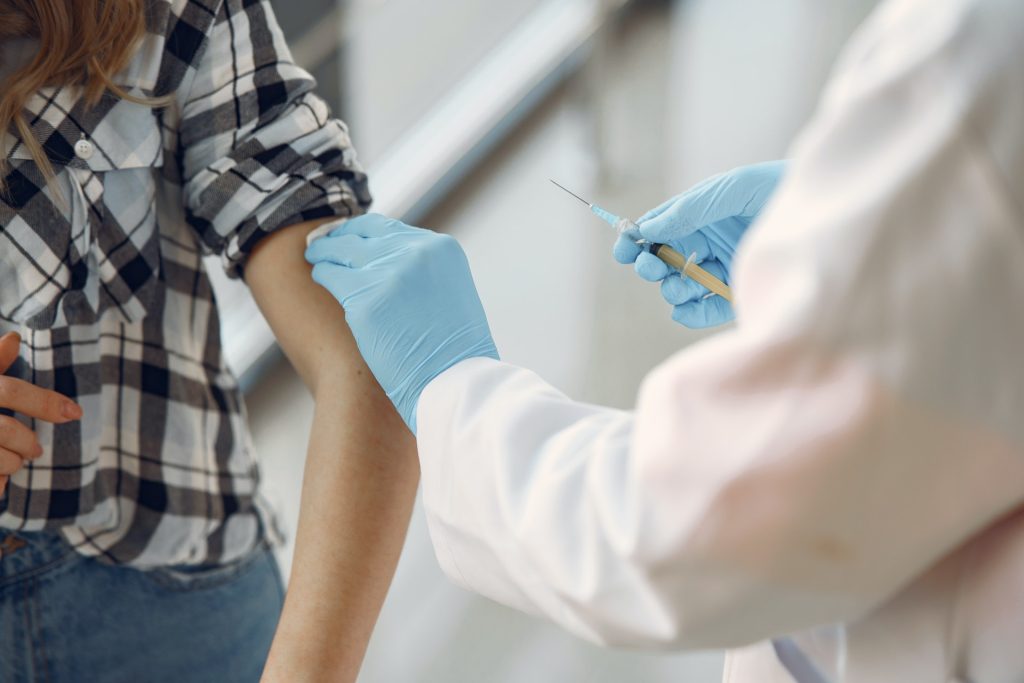
Patients with blood cancers have an impaired immune system due to their disease and its treatment, putting them at risk of severe COVID infection and a reduced COVID vaccination response. In a recent study published in CANCER, less than half of patients with haematologic malignancies including leukaemia, lymphoma, and multiple myeloma mounted detectable antibodies after initial COVID vaccination, but 56% of ‘nonresponders’ produced antibodies after receiving a booster dose.

For the study, Thomas Ollila, MD, and colleagues retrospectively analysed antibody responses to initial and booster COVID vaccination in 378 patients with hematologic malignancies.

Anti-SARS-CoV-2 antibodies were detected in the blood of 181 patients (48%) after initial vaccination with one of three FDA-authorised or approved COVID vaccines, and patients with active cancer or those recently treated with an immune cell–depleting therapy were least likely to produce these antibodies. Among patients who did not mount an antibody response following initial vaccination, responses were observed after a booster dose in 48 of 85 (56%) patients who were assessed.

By the end of February 2022, 33 patients (8.8%) developed a COVID infection, with three COVID-related deaths (0.8%). Although there was no significant link between post-vaccination antibody response and incidence of COVID infection, no patient with antibody responses died from COVID

Also, no patient who received tixagevimab plus cilgavimab was diagnosed with a COVID infection. Tixagevimab and cilgavimab are antibody therapies that bind to non-overlapping portions of the SARS-CoV-2 spike protein, preventing the virus from binding to and infecting cells. The FDA authorised the combination therapy for emergency use during the COVID pandemic as a way to help prevent COVID infection in certain individuals.

“Our findings build on the wealth of literature showing that patients with hematologic malignancies have an impaired response to COVID vaccination. Importantly, we show that many of these patients who did not respond initially will in fact have a response to booster vaccination,” said Dr Ollila. “Moreover, when we looked at outcomes, we found that deaths from COVID in the patient population we reviewed only occurred in those with undetectable antibodies, and nobody who received prophylactic antibody therapy was diagnosed with COVID. This suggests to us the importance of checking antibody levels in these patients and arranging prophylactic antibody therapy.”

Dr. Ollila encourages providing booster vaccines for patients and prioritising prophylactic antibody therapy when indicated. “This is real world evidence that these actions can save lives,” he said.

Source: Wiley

Leukaemia Drug Clofarabine Might Also Treat Bladder Cancer

Woman using lab equipment
Source: NCI on Unsplash

A drug screen on various cancer cell lines revealed hundreds of compounds with inhibitory effects on cancer, and one in particular, the leukaemia drug clofarabine, showed effectiveness in two specific types of bladder cancer. The study was published in the journal European Urology.

A joint study group conducted a drug screen which investigated the effects of over 1700 chemical compounds on 23 cell lines representing different stages and subtypes of bladder cancer. From this, the researchers identified more than 470 substances with inhibitory effects. These included a large number of drugs already used for cancers, but also medications for other diseases, such as malaria, parasitic diseases and various mental disorders.

One of these compounds, clofarabine, an antimetabolite drug currently used to treat childhood leukaemia, was studied in more detail. For this purpose, the researchers developed models from patient material representing different types of bladder cancer. Besides ‘conventional’ urothelial carcinoma, they were also able to establish an animal model for sarcomatoid carcinoma – a rare subtype of bladder cancer, for which there is currently no effective chemotherapy. 

Describing the results, first author Iris Ertl said: “We found that clofarabine induced complete remission in mice with conventional urothelial carcinoma and massive, sustained tumour shrinkage in animals with sarcomatoid carcinoma, while not causing any apparent side effects.” 

Next steps will be clinical trials in which patients with metastatic bladder cancer who cannot receive cisplatin-based therapy, will be treated with clofarabine prior to radical cystectomy. Shahrokh Shariat explains: “Our discovery was made possible by the close interdisciplinary collaboration with CeMM and the Center of Cancer Research. We very much look forward to continuing to work with our partners to incorporate our findings into clinical practice.”

Source: Medical University of Vienna

Dasatinib May Have Potential as an Antidiabetic Drug

Photo by Photomix Company from Pexels

Dasatinib, a drug that often is used to treat certain types of leukaemia, may have significant potential as an antidiabetic drug, according to new research published in Mayo Clinic Proceedings.

Dasatinib is a tyrosine kinase inhibitor used to treat tumours and malignant tissue, as well as chronic myelogenous leukaemia. Dasatinib is a senolytic drug, which target senescent cells that accumulate in many ageing tissues and at sites of pathology in chronic diseases. Senolytic drugs appear to delay, prevent or alleviate age-related changes, chronic diseases and geriatric syndromes in animal studies.

“Our findings suggest that dasatinib or related senolytic drugs may become diabetic therapies,” said senior author Robert Pignolo, MD, PhD. “More study is needed to determine whether these findings also are observed in patients with type 2 diabetes mellitus but without underlying malignant disease.”

Researchers used records for a total of 9.3 million individuals from 1994 to 2019 who were screened for use of either dasatinib or imatinib, another tyrosine kinase inhibitor that was approved for treatment of a type of leukemia in 2001 but with weak senolytic activity. Of those patients, 279 were treated with imatinib and 118 with dasatinib, and after further screening, a total of 48 patients were included in the study.
The findings show that dasatinib lowers serum glucose in patients with pre-existing type 2 diabetes to a greater extent than imatinib and comparable to first-line diabetic medications such as metformin and sulfonylureas.

More work is needed to determine whether the antidiabetic effect of dasatinib is due largely to its senolytic properties, explained Dr Pignolo. If it is, the effectiveness of combining dasatinib with another senolytic drug such as quercetin may be greater than with dasatinib alone.

“This study was really the first proof-of-concept that a senolytic drug may have substantial long-term beneficial effects in humans,” Dr Pignolo says. “According to research in animal models, it is not necessary to give senolytic drugs continuously, and so patients may need only take a drug such as dasatinib every few weeks, reducing possible side effects.”

Source: EurekAlert!

Foiling Cancer With its Own Sweet Tooth

Photo by Louis Reed on Unsplash

Cold Spring Harbor Laboratory Professor Christopher Vakoc and his lab have found that acute myeloid leukaemia (AML), an aggressive cancer that originates in the bone marrow, depends on a transporter to bring in the nutrient inositol, and the researchers believe they can find a way to cut off the cells’ food supply and kill them.

Cancers may streamline certain cell processes and rely on just one method to survive; for example, some remove backup pathways for DNA repair, “putting all their eggs in one basket” and depending only on a single pathway for survival. Prof Vakoc’s lab could then develop treatments to knock out that remaining pathway, killing the cancer cells.

In a study published in Cancer Discovery, Prof Vakoc and his lab reported that AML depends on inositol, an abundant sugar that is made in many human body tissues. It is also found in a wide variety of foods like fruits, beans, grains, and nuts, so cells can obtain it from outside the body, via the bloodstream.

Prof Vakoc discovered that the AML cells had streamlined and boosted their growth by disabling their own inositol production, instead relying on external inositol, bringing it in with a transporter on the cell surface. If a simple treatment could turn off or block this transporter, the cancer cells would starve. As Prof Vakoc explained, “An antibody approach would be very attractive. You could make an antibody that just sticks to this transporter. It doesn’t need to get into the cell, and it could shut off the transport function. The other possibility, from a drug development point of view, is inositol. You could build a molecular medicine that sort of looks like inositol, but maybe it has a few chemical differences that can clog the transport function.”

Not only could this method kill the cancer cells, but it would also leave normal cells unharmed since they can make their own inositol. 

Source: Cold Spring Harbor Laboratory

Bone Marrow Cell Mutations That Protect Against Cancers

Source: NIH

People with shortened telomeres caused by rare disorders may be more likely to have blood cancers such as leukaemia or myelodyplastic syndrome (MS). Now researchers have discovered several “self-correcting” genetic mutations in bone marrow that may protect such patients from these cancers.

In a study published in the Journal of Clinical Investigation, these mutations can serve as biomarkers to indicate if patients with short telomere syndromes (STS) are likely to develop blood cancers.

“These are the most common cancers we see in patients with short telomere syndromes,” said Mary Armanios, MD, director of the Telomere Center and professor of oncology at the Sidney Kimmel Comprehensive Cancer Center at Johns Hopkins. “We know that at a certain point, the cells of patients with shortened telomeres either become cancerous or stay healthy.”

Dr Armanios and her team suspected that a self-correcting mechanism in areas of the body with high cell turnover, such as bone marrow, was allowing normal cells to turn malignant. Instead, it appears this mechanism protects against cells from becoming cancerous.

As over 300 billion blood cells are produced in the bone marrow daily, the researchers suspected they could find evidence of cellular self-correction in this area of the body, especially amid the spongey interior of bones, where quick adaptation is crucial for high-volume cell production.
The researchers tested the bone marrow and blood cells of 84 study participants divided into three groups: Those with STS and MS or leukaemia; those with short telomere syndromes and no MS or leukemia; and those in the control group without short telomere syndromes or any cancers.

Using ultra-deep genetic sequencing which picks up hard-to-detect mutations, Armanios and her team observed genetic mutations and self-correction in several telomere-associated genes. Nearly a quarter of patients with STS had these mutations, some even showing multiple mutations.

One such mutation in a gene called TERT enables the production of crucial parts of telomerase, which stabilises telomeres. By boosting telomerase production and overwriting faulty copies of the TERT gene, the researchers found that bone marrow cells seemed to self-correct to avoid becoming cancerous.

“Our findings speak to the versatility of the bone marrow and other areas with high cell turnover in the body,” says Armanios. “Such advantageous mutations provide the body with a better chance to protect itself. These findings may be important in the screening process of shortened telomere patients so that we can predict who may be protected from cancer.”

Source: John Hopkins Medicine

Existing Drug Could Target Childhood Leukaemia

Existing Drug Could Target Childhood Leukaemia

A new study published in PNAS has shown that the tumour-inhibiting gene TET2 is silenced in a large fraction of cases of acute lymphoblastic leukaemia (ALL) in children. The scientists show that the gene can be reactivated by an existing drug, 5-azacytidine, suggesting that it could be used a as targeted therapy for ALL in children.

“T-cell acute lymphoblastic leukaemia (T-ALL) is a devastating disease for the affected children and their families. One of five children affected do not survive the disease. The ultimate goal of my research is to ensure that all children can be cured. Our discovery may pave the way for clinical studies of 5-azacytidine as a new therapy for this poorly understood disease. The more treatment options we have for T-ALL the more chance we have of beating this aggressive cancer,” explained study leader Colm Nestor, senior lecturer in the Department of Biomedical and Clinical Sciences .

One of the characteristics of cancer cells is that they lose their cellular identity. One of the reasons for this is certain genes being silenced while others are activated. Switching genes on and off is controlled by epigenetic modification, where small chemical groups are attached to and removed from DNA, such as DNA methylation. The pattern of DNA-methylation is often altered in cancer cells, making them attractive targets for cancer drug research.

In the recently published study, the researchers were interested in an enzyme, TET2, that removes methyl groups from DNA. The gene that codes for TET2 is often affected by mutations in adult leukaemias. In children however, harmful mutations in TET2 are very rare, which led the researchers to speculate whether TET2 function is affected differently in child leukaemias. They analysed the gene expression patterns in cancer cells from more than 300 patients with T-ALL, and found that in many cases the TET2 gene was silenced.

It turned out that  methylation often silenced the TET2 gene. The scientists therefore decided to treat tumour cells in culture with a drug, 5-azacytidine, that removes methyl groups from DNA. This drug is used to treat certain leukaemias in adults.

“We found that one type of T-ALL cell, whose DNA seems to be highly methylated, is more sensitive to azacytidine than other cells that are not highly methylated. The drug actually turns silenced TET2 back on by demethylating it, so this might be a targeted therapy for a subset of cases. We suggest that azacytidine may have a doubled effect in these cells, since both the drug itself and TET2 kill cancer cells by demethylating the genome,” explained Colm Nestor.

Since 5-azacytidine is an approved drug, the researchers hope that it will be a much quicker path to treatment than when developing a novel drug.

“Chemotherapy agents have a broad effect and can be used for many patients, but they also kill healthy cells and can give rise to serious undesired effects. Targeted treatment, on the other hand, only works for a small fraction of patients, but is extremely specific. We need an arsenal of drugs to use for patients who experience relapses, and for those whose cancer does not respond to chemotherapy,” said Colm Nestor.

The researchers will continue with experiments to determine the effects of activating TET2 in these cancer cells, and to see if 5-azacytidine can function as targeted therapy in other types of cancer.

“The fact that we can target the loss of TET2 using the drug 5-azacytidine makes me hopeful that this treatment can help T-ALL patients in the future,” said researcher Maike Bensberg, PhD student at Linköping University.

Source: Linköping University

Protein Markers Distinguish Between Stable and Progressive Leukaemia

Photo by Louis Reed on Unsplash

Scientists have identified protein markers which are related to the most common form of leukaemia.

Chronic lymphocytic leukaemia (CLL) is the most common leukaemia in the Western world. A new study published in the Journal of Leukocyte Biology shows that certain protein markers may indicate which patients have stable forms of CLL and which have more aggressive types.

Identifying these proteins may not only help determine patients’ prognoses but also point to potential therapeutic targets for investigators who are searching for new CLL treatments.

The study examined CLL B-cells’ proteomic profile from untreated CLL patients to see which biologic processes  that are affected early on and during disease evolution as stable or progressive. Of the 11 patients included in the study, six evolved to either progressive and five to stable disease. Purified B cells from the  patients were tested at two time points by liquid chromatography–tandem mass spectrometry. 

First, at an early stage of the disease (Binet stage A), based on the relative abundance levels of 389 differentially expressed protein, samples were separated into stable and progressive clusters with the main differentiating factor being the RNA splicing pathway.

An RNA-Seq study was conducted which showed 4217 differentially spliced genes between the two clusters. Distinct longitudinal evolutions were observed with predominantly proteomic modifications in the stable CLL group and spliced genes in the progressive CLL group. Splicing events were shown to be six times more frequent in the progressive CLL group. 

The main aberrant biologic processes controlled by DEPs and spliced genes in the progressive group were cytoskeletal organisation, Wnt/β-catenin signaling, and mitochondrial and inositol phosphate metabolism with a downstream impact on CLL B-cell survival and migration. 

The study suggests that proteomic profiles of early stage CLL can discriminate progressive from stable disease. Furthermore, it appears RNA splicing dysregulation underlies CLL evolution, opening new avenues for biomarkers and therapy.

“The results offer a meaningful biological approach into the protein composition of CLL cells at an early stage of the disease, when the clinical characteristics of patients are similar and the course of the disease is difficult to predict. Our results showed that the protein profile can however predict how the disease will further evolve,” said lead author Cristina Bagacean, PhD, of CHU de Brest, in France. “This approach could identify putative therapeutic targets in order to prevent CLL progression.”

Source: Wiley

Journal information: Bagacean, C., et al. (2021) Identification of altered cell signaling pathways using proteomic profiling in stable and progressive chronic lymphocytic leukemia. Journal of Leukocyte Biology. doi.org/10.1002/JLB.4HI0620-392R.

Avocado Compound May Be Useful in Leukaemia Therapy

Avocados may be good for more than just an expensive toast topping. According to a new study from the University of Guelph a compound in avocados offers a potential route to improved leukaemia therapy.

The compound in questions targets an enzyme that scientists have identified for the first time as being critical to cancer cell growth, explained Dr Paul Spagnuolo, at the Department of Food Science.

The study focus was on acute myeloid leukaemia (AML), which is the most severe form of leukaemia. Most cases occur in people over age 65, with fewer than 10% of patients surviving five years after diagnosis.

Leukaemia cells have elevated levels of an enzyme called VLCAD involved in their metabolism, said Dr Spagnuolo.

“The cell relies on that pathway to survive,” he said, explaining that the compound is a likely candidate for drug therapy. “This is the first time VLCAD has been identified as a target in any cancer.”

Dr Spagnuolo’s team screened nutraceutical compounds among a variety of compounds, searching for any substance that could inhibit the enzyme. “Lo and behold, the best one was derived from avocado,” said Dr Spagnuolo.

Avocados have already been shown to improve lipid profiles, as well as helping to control weight, likely through increased satiation. His lab previously examined avocatin B, a fat molecule found only in avocados, for potential application in diabetes prevention and obesity management. He’s now keen to see it put to use in leukaemia patients.

“VLCAD can be a good marker to identify patients suitable for this type of therapy. It can also be a marker to measure the activity of the drug,” said Dr Spagnuolo. “That sets the stage for eventual use of this molecule in human clinical trials.”

Around half of patients over 65 diagnosed with AML currently enter palliative care. Some may undergo chemotherapy, but these treatments are often toxic and result in patients dying.

“There’s been a drive to find less toxic drugs that can be used,” he noted.

Referring to earlier work using avocatin B for diabetes, Spagnuolo said, “We completed a human study with this as an oral supplement and have been able to show that appreciable amounts are fairly well tolerated.”
The results of the study were published in the journal Blood.    

Source: Medical Xpress

Journal information: Matthew Tcheng et al, Very long chain fatty acid metabolism is required in acute myeloid leukemia, Blood (2021). DOI: 10.1182/blood.2020008551

Blood Mutation Explains High Leukaemia Rates in Children with Down’s

According to a new study by researchers at the Linda Crnic Institute for Down Syndrome, the reason that children with Down syndrome have a drastically elevated risk of leukaemia is due to a more prevalent condition increasing blood stem cell mutation.

Children with Down syndrome are 20-times more likely to develop acute lymphocytic leukaemia (ALL) and 150-times more likely to develop acute myeloid leukaemia (AML) compared to their typical peers. The researchers found that the reason for this is that they are more likely to present with clonal haematopoiesis (CH), a process in which a blood stem cell acquires a genetic mutation that promotes replication.  

The findings add to a growing body of evidence linking immune dysregulation to a very different disease spectrum, whereby people with Down syndrome are highly predisposed to certain diseases such as leukaemia and autoimmune disorders, while being highly protected from others, such as solid tumours.

“We found a higher-than expected rate of CH in individuals with Down syndrome between the age of one to 20 years old,” said study author Dr Alexander Liggett, who as a doctoral candidate led the study in the lab of Dr James DeGregori, Professor of Biochemistry and Molecular Genetics. “It is a surprising finding, as the phenomenon is typically only observed in elderly people.”

The researchers used an advanced sequencing technique that they had developed, called FERMI, to blood samples from the Crnic Institute Human Trisome Project Biobank. Mutations were more likely to be detected in Down’s syndrome and also more likely to be oncogenic. In elderly people, oncogenic mutations are commonly found in the genes DNMT3A, TET2, ASXL1, TP53, and JAK2. In people with Down’s syndrome, oncogenic CH was found to be dominated by mutations of the TET2 gene.

“Given the increased risk of leukaemia that accompanies clonal expansion of blood cells carrying oncogenic mutations, these expansions may become an important biomarker of cancer risk in the future,” said Dr Liggett.

The study also found that CH in Down syndrome is associated with immune dysregulation biosignatures linked to diseases co-occurring with Down’s syndrome, including thyroiditis, Alzheimer’s disease, and leukaemia. This discovery opens new avenues in understanding the way CH impacts an array of health outcomes in Down syndrome and how to potentially counteract its effects.

“This is truly transformative. This team has identified a new trait of Down syndrome that has strong implications for understanding the appearance of comorbidities more common in this population, such as leukaemia and premature ageing,” said Dr. Joaquin Espinosa, Executive Director of the Crnic Institute. “The next step is to define the long-term impacts of this precocious clonal hematopoiesis and how to prevent its harmful effects.”

Source: News-Medical.Net

Journal information: Liggett, L.A., et al. (2021) Precocious clonal hematopoiesis in Down syndrome is accompanied by immune dysregulation. Gut. doi.org/10.1182/bloodadvances.2020003858.