

Tag: Crohn's disease

Two New Antibody Treatments for Crohn’s Disease Equally Effective
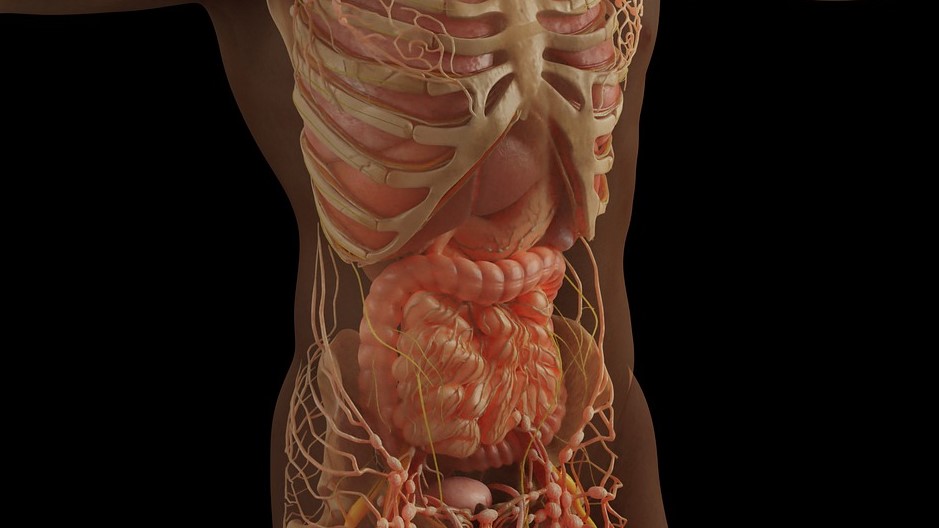
Anatomy of the gut
Source: Pixabay CC0

In a clinical trial, two new antibody treatments for Crohn’s disease were approximately similar in effectiveness, according to findings published in The Lancet.

This allows clinicians and patients to make treatment choices based on tolerance, according to Stephen Hanauer, MD, the Clifford Joseph Barborka Professor and a co-author of the study.

“The safety and efficacy of two agents with different mechanisms of action appears to be quite comparable over one year,” said Prof Hanauer.

Crohn’s disease (CD) is a chronic, progressive inflammatory bowel disease, causing abdominal pain, weight loss and fatigue. Treatment has usually focused on alleviating symptoms to achieve clinical remission using corticosteroids or immunomodulators, but more effective treatment is still needed, according to Prof Hanauer.

‘While there are numerous therapies and mechanisms of action for drugs approved for moderate-severe Crohn’s disease there has been a therapeutic ceiling as far as outcomes are concerned, with usually less than 50% of patients in long-term remission,” Prof Hanauer explained.

Recently, several biologic agents have been approved for use. Adalimumab is a monoclonal antibody that reduces inflammatory cytokines by inhibiting tumor necrosis factor alpha. Ustekinumab is another monoclonal antibody, though the drug targets a different set of proteins: interleukin (IL) 12 and IL-23.

Researchers recruited with Crohn’s disease, randomising 191 to receive ustekinumab and 195 to adalimumab. Patients reaching clinical remission were similar between both groups: 65% of 191 patients in the ustekinumab group versus 61% of 195 in the adalimumab group. There were no deaths through one year of study, though slightly more patients in the ustekinumab group discontinued study treatment. Disease severity measures decreased similarly over the study.

Both treatment regimens resulted in clinical remission with similar toxicity profiles.

“There are numerous options for patients with moderate-severe disease. However, the key is to treat patients with an effective regimen and treat to targets as early in the course as possible since we do not have any drugs that impact on fibrosis once it occurs,” Prof Hanauer said.

Source: Northwestern University

Growing up with Dogs (But not Cats) Protects Against Crohn’s Disease

Photo by Snapwire on Pexels

Young children who grow up with a dog or in a large family appears to confer some protection later on in life from Crohn’s disease, according to a study presented at Digestive Disease Week® (DDW) 2022.

Crohn’s disease is a common type of inflammatory bowel disease that often develops in young adults, smokers, and those with a close family member who has IBD. Symptoms include diarrhoea, abdominal pain and weight loss. Treatments currently aim to prevent symptom flare-ups through diet modification, medication, and surgery.

“Our study seems to add to others that have explored the ‘hygiene hypothesis’ which suggests that the lack of exposure to microbes early in life may lead to lack of immune regulation toward environmental microbes,” said Williams Turpin, PhD, the study’s senior author and a research associate with Mount Sinai Hospital and the University of Toronto.

Researchers used an environmental questionnaire to collect information from nearly 4300 first-degree relatives of people with Crohn’s disease enrolled in the Crohn’s and Colitis Canada Genetic, Environmental, and Microbial (CCC-GEM) project. Using responses to the questionnaire and historical data collected at the time of recruitment, Dr Turpin and his team analysed several environmental factors, including family size, the presence of dogs or cats as household pets, the number of bathrooms in the house, living on a farm, drinking unpasteurised milk and drinking well water. The analysis also included age at the time of exposure.

The study found that exposure to dogs, especially from ages 5 to 15, was associated with healthy gut permeability and balance between the microbes in the gut and the body’s immune response, which may all help protect against Crohn’s disease. Similar effects were observed with exposure to dogs across all age groups.

“We did not see the same results with cats, though we are still trying to determine why,” Dr Turpin said. “It could potentially be because dog owners get outside more often with their pets or live in areas with more green space, which has been shown previously to protect against Crohn’s.”

Another protective factor seemed to be living with three or more family members in the first year of life, which was associated with microbiome composition later in life. The gut microbiome is believed to play a role in a number of health conditions, such as inflammatory bowel disease, colorectal cancer, diabetes, and high blood pressure.

Dr Turpin and his colleagues hope their findings may assist physicians in asking detailed questions of patients to determine who is at highest risk. However, he noted that the early life environmental factors were assessed by questionnaires, so caution is warranted in interpreting these results due to possible recall bias at recruitment. The reasons dog ownership and larger families appear to provide protection from Crohn’s remain unclear.

Source: Digestive Disease Week

A Fungus in Certain Foods Slows Intestinal Healing

A study has found that a fungus found in certain foods such as cheese and processed meats can cause intestinal injuries in humans and mice with Crohn’s disease to fester and impeding healing.

These findings, from researchers at Washington University School of Medicine in St. Louis and the Cleveland Clinic, suggest that there is potentially a diet-based way to treat Crohn’s disease.

“We’re not suggesting that people stop eating cheese and processed meat; that would be going far beyond what we know right now,” said first author Umang Jain, PhD, an instructor in pathology & immunology at the School of Medicine. “What we know is that this foodborne fungus gets into inflamed, injured tissue and causes harm. We’re planning to perform a larger study in people to figure out if there’s a correlation between diet and the abundance of this fungus in the intestine. If so, it is possible dietary modulation could lower levels of the fungus and thereby reduce symptoms of Crohn’s disease.”

Crohn’s disease is driven by chronic inflammation in the gastrointestinal tract and immunosuppressive medication is the usual treatment. Crohn’s patients endure flare-ups where digestive tracts are dotted with inflamed, open sores that can persist for up to months.

To understand why intestinal ulcers heal so slowly in some people, the researchers studied mice with injured intestines. By sequencing microbial DNA at the site of injury, they discovered that the fungus Debaryomyces hansenii was abundant in wounds but not in uninjured parts of the intestine. D. hansenii can be found in all kinds of cheeses, as well as sausages, beer, wine and other fermented foods.

Introducing D. hansenii into mice with injured intestines slowed down the healing process, and eliminating the fungus with amphotericin B sped it up. In humans, the researchers discovered  D. hansenii in seven out of seven of people with Crohn’s disease, and another analysis of Crohn’s patients found D. hansenii present but only in sites of injury and inflammation. 

“If you look at stool samples from healthy people, this fungus is highly abundant,” Jain said. “It goes into your body and comes out again. But people with Crohn’s disease have a defect in the intestinal barrier that enables the fungus to get into the tissue and survive there. And then it makes itself at home in ulcers and sites of inflammation and prevents those areas from healing.”

Their results suggest that elimination of the fungus could allow wounds to heal normally again, and minimise flare-ups. In mouse studies, amphotericin B eliminated the fungus but it is of limited use in people since it can only be administered intravenously, therefore an oral antifungal is being researched.

“Crohn’s disease is fundamentally an inflammatory disease, so even if we figured out how to improve wound healing, we wouldn’t be curing the disease,” Jain said. “But in people with Crohn’s, impaired wound healing causes a lot of suffering. If we can show that depleting this fungus in people’s bodies—either by dietary changes or with antifungal medications—could improve wound healing, then it may affect the quality of life in ways that we’ve not been able to do with more traditional approaches.”

Source: Medical Xpress

Journal information: U. Jain et al., “Debaryomyces is enriched in Crohn’s disease intestinal tissue and impairs healing in mice,” Science (2021). science.sciencemag.org/cgi/doi … 1126/science.abd0919