
Tag: cataracts

Babies Learning to See After Being Born Blind
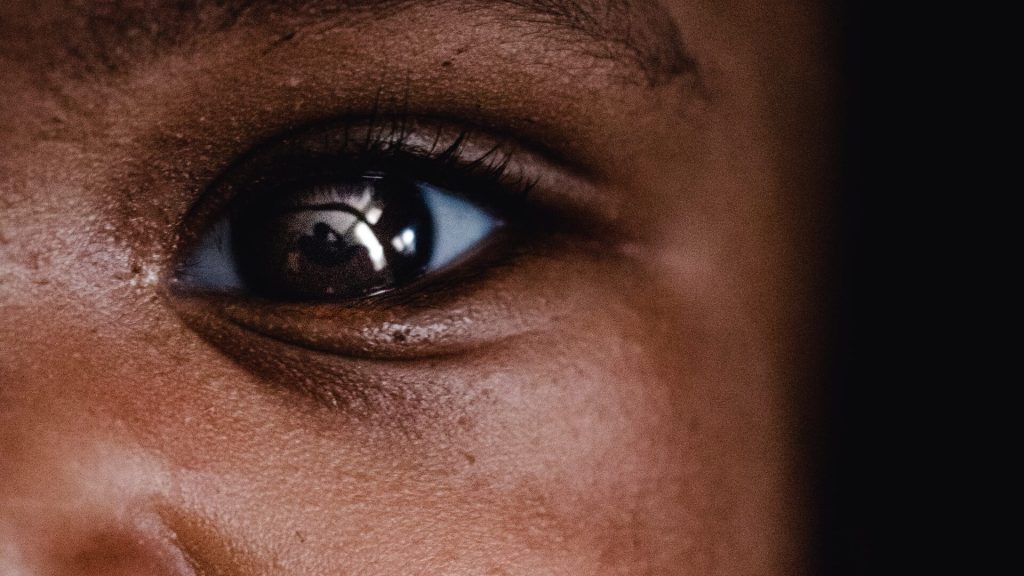
Photo by Jeffrey Riley on Unsplash

A study conducted by University of Louvain (UCLouvain), published in Nature Communications, shows that part of the brain of babies born blind is permanently altered, while another part remains surprisingly intact. Babies’ brains are much more adaptable than previously thought: even if they cannot see at the very beginning of life, they can later learn to recognise the world around them.

Some babies are born with early blindness due to dense bilateral congenital cataracts, requiring surgery to restore their sight. This period of several months without vision can leave a lasting mark on how the brain processes visual details, but surprisingly little on the recognition of faces, objects, or words.

Using brain imaging, the researchers compared adults who had undergone surgery for congenital cataracts as babies with people born with normal vision. The results are striking: in people born with cataracts, the area of the brain that analyses small visual details (contours, contrasts, etc.) retains a lasting alteration from this early blindness. On the other hand, the more advanced regions of the visual brain, responsible for recognising faces, objects, and words, function almost normally. These “biological” results have been validated by computer models involving artificial neural networks. This distinction between altered and preserved areas of the brain paves the way for new treatments. In the future, clinicians may be able to offer visual therapies that are better tailored to each patient.

“Babies’ brains are much more adaptable than we thought,” explains Olivier Collignon, Professor at University of Louvain (UCLouvain). “Even if vision is lacking at the very beginning of life, the brain can adapt and learn to recognise the world around it even on the basis of degraded information.”

These findings also challenge the idea of a single “critical period” for visual development. Some areas of the brain are more vulnerable to early vision loss, while others retain a surprising capacity for recovery. “The brain is both fragile and resilient,” adds Olivier Collignon. “Early experiences matter, but they don’t determine everything.”

Source: Université catholique de Louvain

An Eye for Wine: Alcohol May Prevent Cataracts

Two people clinking wine glasses together. Photo by Jep Gambardella from Pexels

A study from the UK has shown that people who drink up to 14 units of alcohol a week have a reduced risk of developing cataracts, with red wine having an even more pronounced effect.

Drinking less than 14 units of alcohol (or about six pints of beer, or six glasses of wine) is in line with the British Chief Medical Officer’s low risk drinking guidelines.

Cataracts are a major cause of impaired eyesight and blindness, mainly in older people. Cataract removal is simple, and is the most common surgery carried out by the UK’s National Health Service. The NHS considers drinking to be a risk factor for cataracts.

Researchers from Moorfields eye hospital in London and University College London’s institute of ophthalmology studied the medical and lifestyle history of nearly half a million participants in either the UK Biobank or Epic-Norfolk longitudinal health studies.

The results showed that people who drank within the 14 units a week guideline were less likely to have cataract surgery. Wine drinkers were even less likely to have it, compared to those who consumed beer or spirits. In the Epic-Norfolk study, drinking wine at least five times a week meant a 23% reduced chance of cataract removal than non-drinkers, while those in the UK Biobank study were 14% less likely.

“Cataract development may be due to gradual damage from oxidative stress during ageing. The fact that our findings were particularly evident in wine drinkers may suggest a protective role of polyphenol antioxidants, which are especially abundant in red wine,” said first author Dr Sharon Chua.

Research leader Dr Anthony Khawaja added: “We observed a dose-response with our findings – in other words, there was evidence for reducing chance of requiring future cataract surgery with progressively higher alcohol intake, but only up to moderate levels within current guidelines.”

The authors emphasised that there was still not a causal link between alcohol consumption and reduced cataract surgeries despite the association.

Dr Sadie Boniface, research head at the Institute of Alcohol Studies thinktank, cast doubt on the findings. She said that longitudinal studies such as UK Biobank may not accurately represent health across the nation because many volunteers were often in good health.

“Comparing the health of moderate drinkers with that of non-drinkers also carries problems. Non-drinkers are a diverse group, including people who have stopped drinking because of health problems. This means moderate drinking can artificially look like it carries health benefits, because the moderate drinkers are compared to people on average in poor health,” said Dr Boniface.

“The bigger effect seen among wine drinkers may be because of other characteristics of this group to do with their cataract risk which weren’t accounted for. If the amount of alcohol or number of units somebody drinks was having a direct effect, you’d expect this to be similar regardless of drink type.”

Source: The Guardian