Blood Type Linked to Risk of Premature Birth, New Study Suggests
A new study, led by clinical researchers from Imperial’s Department of Metabolism, Digestion and Reproduction and Imperial College Healthcare NHS Trust, has uncovered a link between a pregnant woman’s blood group and her risk of spontaneous premature birth, which the team hopes could in future lead to more personalised approaches to preventing early labour.
“The treatments we currently offer to prevent preterm birth have barely changed in decades. This research opens the door to more targeted, biologically-informed interventions.”
Dr Lynne Sykes Clinical Associate Professor, Department of Metabolism, Digestion and Reproduction
The findings, published in npj Biofilms and Microbiomes, draw on more than 74 000 anonymised maternity records from Imperial College Healthcare NHS Trust and data from high-risk pregnancies. The team found that women with blood groups B and O were associated with a higher risk of spontaneous preterm birth, while those from blood group A were associated with a lower risk.
The clinical researchers believe this is because women with blood group A are more likely to carry higher proportions of a protective bacterium and show less inflammation, both associated with healthy pregnancies.
The research also found that the blood group associations vary depending on underlying risk factors, including previous cervical surgery or a history of late miscarriage or premature birth. In women whose only risk factor was previous cervical surgery, blood group B was associated with a higher likelihood of preterm delivery. In contrast, in women with a history of late miscarriage or prior premature birth, blood group O was associated with the highest risk.
The team used advanced microbiome analysis on a subset of 596 high-risk women to investigate possible biological mechanisms at work. They found that women with blood group A were more likely to carry higher proportions of Lactobacillus crispatus, a ‘good’ bacterium associated with healthy pregnancies. In contrast, women of blood group B and O were more likely to harbour a more diverse bacterial signature. In women with blood group O, a direct link was observed between this bacterial signature, inflammation, and spontaneous preterm birth.
Speaking about the findings, Dr Lynne Sykes, lead researcher and Clinical Associate Professor at Imperial College London, and Consultant Obstetrician at Imperial College Healthcare NHS Trust, said: “Although we did not establish causation, we have identified a genetic link that can influence the risk of spontaneous premature birth in women. This could potentially impact women in the future by identifying risk earlier in pregnancy and by offering more tailored interventions. While we need further research, the prospect of moving towards personalised care in this area is hugely exciting.”
Next steps
The team demonstrated that blood group sugars are secreted into the vaginal fluid and that binding of these sugars can occur to key good and bad bacteria found in the vagina. However, one important limitation of the study was that researchers did not have “secretor status” data for participants, a genetic factor that affects whether blood group sugars are secreted in vaginal fluid. 80% of the population are “secretors”, whereas 20% do not secrete blood group sugars, so future studies that incorporate this information may strengthen the findings.
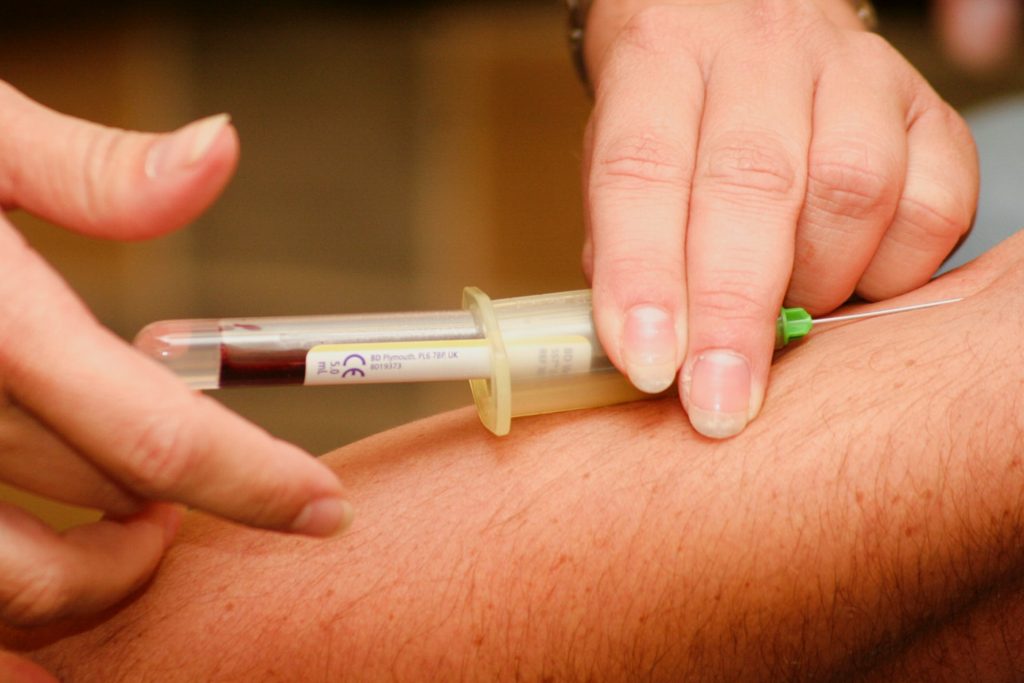
The research suggests that the ABO blood group, routinely tested early in pregnancy, could be used to help stratify preterm birth risk, especially when considered alongside other clinical factors. Importantly, the team accounted for ethnicity, known to affect both blood group prevalence and preterm birth risk, ensuring these results were not driven by population differences.
Dr Sykes added: “What excites me most is the opportunity this presents for truly personalised medicine in pregnancy, something that has been sorely lacking in our field. The treatments we currently offer to prevent preterm birth have barely changed in decades. This research opens the door to more targeted, biologically-informed interventions.”
The study also lays the groundwork for new therapeutic approaches. A clinical trial beginning this autumn, funded by March of Dimes in the US, will explore whether probiotic treatment with Lactobacillus crispatus (Lactin-V) can help reduce premature birth in high-risk women – and whether response to the treatment may vary by blood group.
Source: Imperial College London