Tag: 27/3/26

Deepfake X-Rays Fool Radiologists and AI

Findings raise concerns about cybersecurity and diagnostic trust
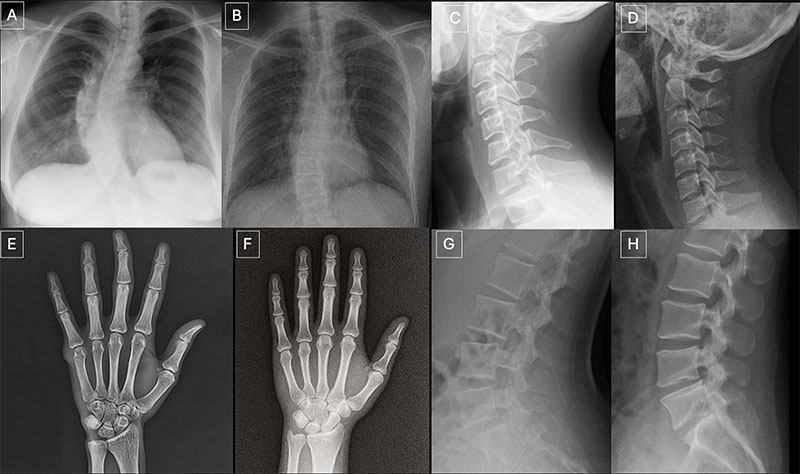
Anatomy-matched real and GPT-4o-generated radiographs: (A) real and (B) GPT-4o-generated posteroanterior chest radiographs, (C) real and (D) GPT-4ogenerated lateral cervical spine radiographs, (E) real and (F) GPT-4o-generated posteroanterior hand radiographs, and (G) real and (H) GPT-4o-generated lateral lumbar spine radiographs. The pairs demonstrate that GPT-4o can produce radiographically plausible images across different anatomic regions.
https://doi.org/10.1148/radiol.252094 ©RSNA 2026

Neither radiologists nor multimodal large language models (LLMs) are able to easily distinguish AI-generated “deepfake” X-ray images from authentic ones, according to a study published in Radiology. The findings highlight the potential risks associated with AI-generated X-ray images, along with the need for tools and training to protect the integrity of medical images and prepare health care professionals to detect deepfakes.

The term “deepfake” refers to a video, photo, image or audio recording that appears real but has been created or manipulated using AI.

“Our study demonstrates that these deepfake X-rays are realistic enough to deceive radiologists, the most highly trained medical image specialists, even when they were aware that AI-generated images were present,” said lead study author Mickael Tordjman, MD, post-doctoral fellow, Icahn School of Medicine at Mount Sinai, New York. “This creates a high-stakes vulnerability for fraudulent litigation if, for example, a fabricated fracture could be indistinguishable from a real one. There is also a significant cybersecurity risk if hackers were to gain access to a hospital’s network and inject synthetic images to manipulate patient diagnoses or cause widespread clinical chaos by undermining the fundamental reliability of the digital medical record.”

Seventeen radiologists from 12 different centers in six countries (United States, France, Germany, Turkey, United Kingdom and United Arab Emirates) participated in the retrospective study. Their professional experience ranged from 0 to 40 years. Half of the 264 X-ray images in the study were authentic, and the other half were generated by AI. Radiologists were evaluated on two distinct image sets, with no overlapping between the datasets. The first dataset included real and ChatGPT-generated images of multiple anatomical regions. The second dataset included chest X-ray images—half authentic and the other half created by RoentGen, an open-source generative AI diffusion model developed by Stanford Medicine researchers.

When radiologist readers were unaware of the study’s true purpose, yet asked after ranking the technical quality of each ChatGPT image if they noticed anything unusual, only 41% spontaneously identified AI-generated images. After being informed that the dataset contained synthetic images, the radiologists’ mean accuracy in differentiating the real and synthetic X-rays was 75%.

Individual radiologist performance in accurately detecting the ChatGPT-generated images ranged from 58% to 92%. Similarly, the accuracy of four multimodal LLMs—GPT-4o (OpenAI), GPT-5 (OpenAI), Gemini 2.5 Pro (Google), and Llama 4 Maverick (Meta)—ranged from 57% to 85%. Even ChatGPT-4o, the model used to create the deepfakes, was unable to accurately detect all of them, though it identified the most by a considerable margin compared to Google and Meta LLMs.

Radiologist accuracy in detecting the RoentGen synthetic chest X-Rays ranged from 62% to 78% and the LLM models’ performance ranged from 52% to 89%.

There was no correlation between a radiologist’s years of experience and their accuracy in detecting synthetic X-ray images. However, musculoskeletal radiologists demonstrated significantly higher accuracy than other radiology subspecialists.

Spotting the Risks in Synthetic Imaging

“Deepfake medical images often look too perfect,” Dr. Tordjman said. “Bones are overly smooth, spines unnaturally straight, lungs overly symmetrical, blood vessel patterns excessively uniform, and fractures appear unusually clean and consistent, often limited to one side of the bone.”

Recommended solutions to clearly distinguish real and fake images and help prevent tampering include implementing advanced digital safeguards, such as invisible watermarks that embed ownership or identity data directly into the images and automatically attaching technologist-linked cryptographic signatures when the images are captured.

“We are potentially only seeing the tip of the iceberg,” Dr. Tordjman said. “The logical next step in this evolution is AI-generation of synthetic 3D images, such as CT and MRI. Establishing educational datasets and detection tools now is critical.”

The study’s authors have published a curated deepfake dataset with interactive quizzes for educational purposes.

For More Information

Access the Radiology study, “The Rise of Deepfake Medical Imaging: Radiologists’ Diagnostic Accuracy in Detecting ChatGPT-generated Radiographs,” and the related editorial, “The Democratization of Deceit: Seeing Is No Longer Believing.”

Source: Radiological Society of North America

Breakdown Products from ‘Eco-friendly’ Plastics Impede Foetal Development in Mice

Nanoplastics from biodegradable plastics can cross the placenta and accumulate in foetal organs

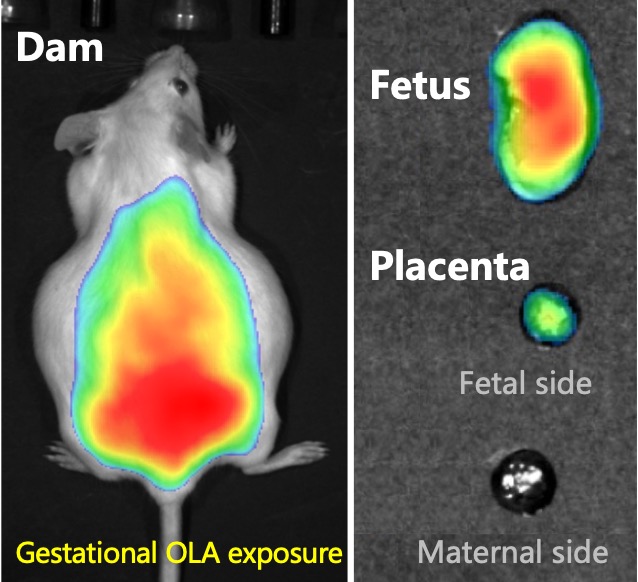
PLA plastic breakdown product Oligomeric nanoplastics can penetrate the placental barrier and reach the foetus. Image credit: Dr Jia Lv (CC-BY 4.0)

When the “eco-friendly” bioplastic, polylactic acid (PLA), biodegrades, the resulting nanoplastics can accumulate in the foetuses of pregnant mice and interfere with foetal growth. Yichao Huang and De-Xiang Xu of Anhui Medical University, China, and Mingliang Fang of Fudan University, China, report these findings in a new study published March 26thin the open-access journal PLOS Biology.

PLA, which is made from corn starch and sugarcane, came onto the market as a biodegradable alternative to conventional plastics around two decades ago and has since become one of the most widely used bioplastics. Due to exponential growth in the production of PLA for packaging and medical applications, humans are increasingly exposed to its main breakdown product, oligomeric lactic acid (OLA) nanoplastics, which have recently been shown to have negative health effects.

In the new study, researchers exposed pregnant mice to OLA at doses proportional to what a human typically consumes and looked for impacts on the mouse pups. They demonstrated that OLA crosses the placenta and accumulates in various organs in the fetus. Furthermore, they showed that OLA interferes with a signaling pathway that controls the development of blood vessels in the placenta, which leads to slower growth of the fetus. This is a concern, because in humans, low birth weight is associated with an increased risk of stillbirth, as well as a higher risk of developing multiple other health problems later in life.

This work is the first animal study to evaluate the developmental health effects from the breakdown products of a supposedly eco-friendly plastic in pregnant mammals. The researchers propose that future work should focus on evaluating the exposure levels and health risks associated with eco-friendly plastics in humans, and a rethinking of our approach to plastic alternatives.

The authors add, “One of our co-authors Dr Mengjing Wang had previously discovered that the widely merchandised PLA microplastics undergo gut enzyme–mediated hydrolysis into oligomeric products that are toxic to the intestinal tract and can trigger enteritis.”

“To follow up on this work, as toxicologists, we went on to ask an additional question: do these oligomeric products, aka OLA, pose developmental threat particularly during the susceptible stage in utero?”

“What we have found was quite astonishing to us. Even under realistic exposure dose scenario during pregnancy, OLA nanoplastics can penetrate the placenta and even reach the foetus, in a mouse model. Such exposure would then cause placental vascular dysplasia and further lead to compromised foetal development.”

“While biodegradable plastics present a viable path to mitigate traditional plastic pollution, their potential health hazards necessitate a recognition in responsibility toward informed consumer intentions and conscientious usage.”

Provided by PLOS

Vivid Dreaming Makes Sleep Feel Deeper

Perceived sleep depth is greater after having vivid immersive dreams

Photo by Bruce Christianson on Unsplash

Researchers led by Guilio Bernardi at the IMT School for Advanced Studies Lucca in Italy have discovered a key relationship between dreaming and the feeling of having had a good night’s sleep. Published in PLOS Biology on March 24th, the study shows that the feeling of deep sleep is not determined solely by slow-wave brain activity. Rather, immersive dreaming that comes with increases in wake-like brain activity leads to a greater feeling of deep sleep.

Why is it that sometimes we sleep 8 hours and don’t feel rested, while other times we feel like we had a great night’s sleep after only 5 hours? Research has shown that our feeling of deep sleep is related to a shift from high- to low-frequency brain waves, which is thought to drive unconsciousness. At the same time, other reports indicate that dream (REM) sleep is also perceived as deep, despite its wake-like brain waves. To better characterize the effects of dream sleep on perceived sleep depth, the researchers analyzed EEG recordings from 44 adults who were repeatedly awoken during non-REM sleep over the course of 4 nights.

Analysis showed that shifts from faster to slower waves were indeed associated with a feeling of deep sleep. However, this relationship weakened when participants reported having had a dream, even if they could not remember the content. Perceived sleep depth was thus higher after dreaming even though this state is associated with wake-like brain activity. Specifically, vivid, bizarre, and emotionally intense dreams were all associated with subjectively deeper sleep, while abstract, reflective thought-like dreams with meta-awareness were related to more shallow feeling sleep.

These findings are contrary to the longstanding view that the feeling of deep sleep is governed solely by slow brain waves and the depth of unconsciousness, and suggest that perceptually immersive dreaming is what allows us to feel well rested – even if we can’t remember what we dreamed.

The authors add, “We already know that dreaming extends beyond REM sleep and occupies a large portion of the night, yet its function remains unclear. Our study suggests that dreams may help shape how we experience sleep by immersing us in an internal world that keeps us disconnected from the external environment.”

“Understanding how dreams contribute to the feeling of deep sleep opens new perspectives on sleep health and mental well-being. Alterations in dreaming – for example, a reduction in the richness or frequency of dreams – could influence how people perceive their sleep depth or duration, and may contribute to dissatisfaction with sleep quality.”

“This kind of research is extraordinarily demanding. Serial awakening studies require waking participants repeatedly across multiple nights and collecting detailed reports each time. It was only possible thanks to the dedication, resilience, and coordination of an exceptional team of researchers.”

Provided by PLOS

GLP-1 Medications May Also Help with Symptoms of Anxiety and Depression

Photo by Sweet Life on Unsplash

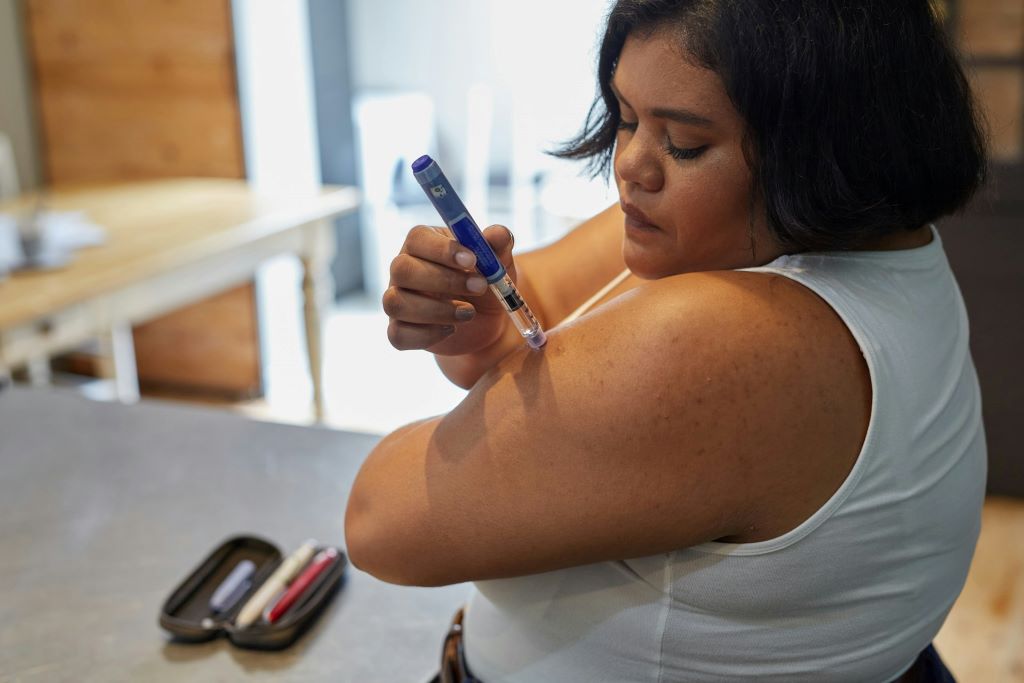
GLP-1 medications used to treat diabetes and obesity were associated with a reduced need for hospital care and sickness absence due to psychiatric reasons, a new study shows. The large register-based study was carried out in collaboration between the University of Eastern Finland, Karolinska Institutet in Stockholm and Griffith University in Australia.

Diabetes and obesity are associated with an increased risk of mental health symptoms, and similarly, individuals with mental disorders have an elevated risk of metabolic diseases such as obesity and diabetes. Researchers have long been interested in the connections between these conditions and in how pharmacological treatments may affect both metabolic and mental health disorders.

The present study, published in The Lancet Pyschiatry, included nearly 100 000 participants, over 20 000 of whom had used GLP-1 medications. Participants were followed through Swedish national registers between 2009 and 2022.

The risk of substance use was also reduced

The results showed that the use of GLP-1 medications – particularly semaglutide – was associated with a reduction in sickness absence and hospital care due to psychiatric reasons. During periods of semaglutide use, the reduction was 42% compared with periods when GLP-1 medications were not used. For depression, the risk was 44% lower, and for anxiety disorders, 38% lower. 

In addition, semaglutide use was associated with a lower risk of substance use disorders: hospital care and sickness absence related to substance use were 47% lower during periods of semaglutide use compared with periods without GLP-1 medication. The use of GLP-1 receptor agonists was also associated with a reduced risk of suicidal behaviour.

One of the study’s authors, Professor Mark Taylor from Griffith University, says such results were to be expected: “An earlier study examining Swedish registers found the use of GLP-1 medications to be associated with a reduced risk of alcohol use disorder. Alcohol-related problems often have downstream effects on mood and anxiety, so we expected the effect to be positive on these as well.”

However, the magnitude of the association surprised the researchers:
“Because this is a registry-based study, we cannot determine exactly why or how these medications affect mood symptoms, but the association was quite strong. It is possible that, in addition to factors such as reduced alcohol consumption, weight loss-related improvements in body image, or relief associated with better glycaemic control in diabetes, there may also be direct neurobiological mechanisms involved – for example, through changes in the functioning of the brain’s reward system,” says Research Director, Docent Markku Lähteenvuo from the University of Eastern Finland.

Other recent evidence on the effects of GLP-1 medications on anxiety and depressive disorders has been somewhat inconsistent, but it has been largely based on small studies.

Source: University of Finland

An Active Middle Age Cuts Women’s Risk of Premature Death in Half

Australian study tracking more than 11 000 women found that meeting exercise guidelines during midlife had strong benefits for mortality

Photo by Teona Swift on Unsplash

Women who consistently met physical activity guidelines throughout middle age had half the risk of dying from any cause compared to women who remained inactive, according to a new paper publishing March 26th in the open-access journal PLOS Medicine by Binh Nguyen of the University of Sydney, Australia, and colleagues.

Physical activity is known to provide numerous health benefits and to reduce the risk of chronic diseases and premature mortality. However, most prior studies have measured physical activity at only a single point in time, which fails to capture how activity levels change over time.

In the new study, researchers used data from 11 169 women born between 1946 and 1951 who enrolled in the Australian Longitudinal Study on Women’s Health. Participants were surveyed nine times between 1996 and 2019, approximately every three years. Data was collected on how often the women met the World Health Organization’s recommendation of at least 150 minutes of moderate-to-vigorous physical activity (MVPA) per week.

The researchers found that consistently meeting MVPA recommendations throughout midlife was associated with a relative risk of all-cause mortality that was half that of those who consistently did not meet the recommendations (relative risk: 0.50). In absolute terms, the incidence of death was 5.3% among women who consistently met guidelines versus 10.4% among those who consistently did not. The magnitude of effect appeared similar or even stronger for cardiovascular disease and cancer mortality, though greater uncertainty in those estimates made the findings less conclusive, possibly because fewer deaths from those causes were observed. The evidence for benefits of starting to meet recommendations later in midlife – at age 55, 60, or 65 – rather than throughout all of midlife was also uncertain and inconclusive.

The study was limited by the fact that physical activity was self-reported and that the study sample may not be representative of all mid-aged Australian women.

“This study supports the growing evidence that maintaining an active lifestyle in midlife provides health benefits,” the authors say. “Women should be encouraged to meet physical activity recommendations throughout mid-age to derive these benefits.”

Nguyen adds, “Staying active throughout midlife can make a real difference for women’s long-term health. Our study shows that maintaining recommended levels of physical activity over multiple years helps protect against early death.” 

Provided by PLOS