Tag: 18/3/26

More Evidence Tying Epilepsy Drugs in Pregnancy to Developmental Risks

Study adds weight to previously reported risks and calls for monitoring of new antiseizure drugs

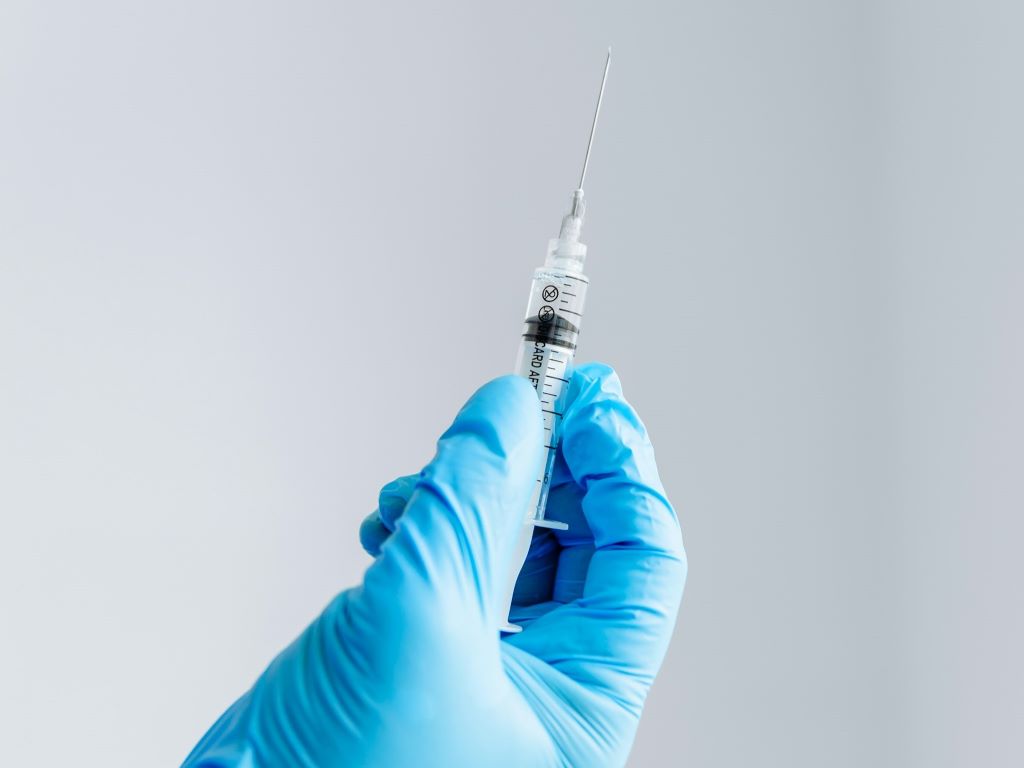
Photo by SHVETS production

Findings published by The BMJ reinforce previous research linking use of the antiseizure drug valproate during pregnancy to neurodevelopmental disorders such as ADHD and autism in children, and indicate no substantial risk for several other antiseizure drugs including levetiracetam and lamotrigine.

However, the researchers say continued monitoring of the few signals – possible associations between a medicine and an unintended side effect – that emerged (eg, for zonisamide) will be important.

Antiseizure drugs are commonly and increasingly used by women of childbearing age for conditions like epilepsy, bipolar disorders, and migraine prevention. Women with epilepsy are advised to continue taking these during pregnancy, as uncontrolled seizures pose risks to both mother and child.

Yet, while valproate use during pregnancy has been linked to impaired neurodevelopment in children, information on other antiseizure drugs is limited.

To address this gap, researchers analysed claims data for pregnancies with diagnosed epilepsy from two large US public and commercial insurance databases, spanning the period from 2000 to 2021.

They compared 14,993 children exposed to at least one antiseizure medication during the second half of pregnancy with 8,887 unexposed children. Of these, 5,505 were followed for at least 5 years and 2,516 for at least 8 years after birth.

Potentially influential factors including mother’s age, ethnicity, mental health, substance use, other medication use and underlying conditions were also taken into account.

Valproate and zonisamide showed associations with several neurodevelopmental disorders, whereas levetiracetam and phenytoin were not associated with an increased risk of any of the studied outcomes.

Although no meaningful associations were found for topiramate and lamotrigine across most outcomes, there was a potential signal for intellectual disability (both drugs) and learning difficulty (topiramate only). However, the authors note that  these findings are based on small numbers and require confirmation in follow-up studies.

Several other drugs were also associated with a risk increase for intellectual disability. However, the authors note that these estimates are based on small numbers and therefore should be interpreted with caution.

Carbamazepine and oxcarbazepine also showed a modest risk increase for ADHD and behavioral disorders.

This is an observational study, so no definitive conclusions can be drawn about cause and effect, and the authors point to several limitations including relying on insurance claims data and the potential influence of other unmeasured factors such as underlying epilepsy type and severity.

However, the use of two large nationwide databases of insured pregnant women linked to their children enhanced the generalisability of their findings and enabled them to assess the risk of specific neurodevelopmental disorders associated with individual antiseizure medications. Results were also consistent after additional analyses, suggesting that they are robust.

As such, they conclude: “Our study reinforces the substantial risks of neurodevelopmental disorders associated with prenatal valproate exposure and suggests the need to further evaluate the safety of zonisamide during pregnancy.”

“Continued monitoring of newer antiseizure drugs and the few potential signals that emerged (ie, the moderate increased risk of ADHD and behavioural disorder after carbamazepine and oxcarbazepine exposure, and the association of several antiseizure drugs with intellectual disability) will be important,” they add.

Source: BMJ Group

Algorithm for Paramedics Predicts Brain Damage Risk After Cardiac Arrest

Photo by Ian Taylor in Unsplash

Researchers at King’s College London have shown that a widely used cardiac arrest risk score can be applied before patients reach hospital, enabling paramedics to assess the risk of brain injury at an earlier stage of care.

Results from the RAPID-MIRACLE trial have found, for the first time, that the widely used MIRACLE2 risk score can be applied outside a hospital setting to accurately predict brain injury following a cardiac arrest. This could inform the type of immediate care patients receive, helping to ensure they have the best treatment available while saving crucial resources.

An out of hospital cardiac arrest (OHCA) carries a high risk of death, with fewer than 10% of patients surviving. Even when a patient’s heart is successfully restarted through CPR and circulation is restored, known as return of spontaneous circulation (ROSC), clinicians often face uncertainty about the extent of brain injury.

Despite current UK and European guidelines recommending that patients who experience an out of hospital cardiac arrest are sent to a specialist cardiac centre, the majority of patients are still conveyed to local emergency departments. The MIRACLE2 score, when applied in the pre-hospital setting, may now open up the possibility of identifying patients earlier and enabling direct transfer to specialist centres, allowing faster access to expert care and advanced treatments for patients who might otherwise have been conveyed to a local hospital.

Created by Dr Nilesh Pareek, Adjunct Senior Lecturer and Consultant Interventional Cardiologist, the MIRACLE2 score accurately predicts the extent of brain damage after 30 days following an OHCA. Until now, it has only been applied once a patient reaches hospital.

Dr Pareek and his team worked with the London Ambulance Service and Heart Research UK to evaluate whether the score could be calculated immediately after ROSC in the community.

The study followed patients from paramedic care through to hospital treatment across multiple London sites, providing real-world evidence of how the score performs outside a hospital environment.

The researchers tested two new versions of the score – one which included a blood test and one which didn’t. While the version with the blood test was highly accurate, paramedics frequently found it impractical due to technical failures and time pressure. The version without the blood test, known as Pre-MIRACLE2, was almost identical in terms of accuracy.

While MIRACLE² has supported early in-hospital risk stratification following out-of-hospital cardiac arrest, RAPID-MIRACLE extends this work into the pre-hospital setting, enabling paramedics to assess risk earlier in a patient’s care pathway. By validating the model in the field, we have taken an important step towards integrating earlier risk assessment into routine emergency care.”Dr Nilesh Pareek, senior author of the study and Adjunct Senior Lecturer, King’s College London and Consultant Interventional Cardiologist, King’s College Hospital

Alongside the study, the MIRACLE² app, led by Dr Pareek, has been updated to incorporate the newly validated pre-hospital model. The app, developed by Ensono Digital, uses the MIRACLE2 algorithm and is designed as a practical tool to help clinicians calculate the score quickly and accurately, without needing to recall each variable from memory.

By entering patient information such as age, initial heart rhythm and other markers, paramedics and hospital clinicians can generate an immediate estimate of a patient’s risk of poor neurological outcome following out-of-hospital cardiac arrest.

The research team is now in discussion with emergency medical services regarding a potential service evaluation to explore how the updated tool could be implemented in routine practice.

Heart Research UK were delighted to fund the RAPID-MIRACLE trial with the aim of improving outcomes for this poorly served patient group. The promising results from the trial suggest that better outcomes can be delivered, and we hope the risk score can be adopted nationally for all patients.”Dr Kate Langton, Director of Research at Heart Research UK

The research findings were presented in Washington at the CRT 2026 conference and the full study was published in European Heart Journal – Acute Cardiovascular Care.

Source: King’s College London

World’s Longest Running Birth Cohort Study Marks 80 Years

Participants were children when the study began. Photo: supplied.

The world’s longest continuously running birth cohort study, which follows thousands of participants born in the first week of March 1946 and is hosted by University College London, is celebrating its 80th birthday.

The Medical Research Council (MRC) National Survey of Health and Development (NSHD), also known as the British 1946 birth cohort, has advanced understanding of what affects our health and wellbeing over a lifetime.

Through questionnaires, clinic visits, and home visits, these study members have helped shape our knowledge of developmental milestones, education, diet, exercise, mental and physical health and healthy ageing across the life course.

Findings have helped reveal how early life conditions, schooling and social circumstances influence adult health, chronic disease and later‑life function, and provided evidence on topics ranging from childhood lung infections and later respiratory disease, to the long‑term effects of diet and physical activity, to the lasting effects of childhood social inequalities.

Professor Nishi Chaturvedi, Director of the Unit for Lifelong Health and Ageing at UCL, said: “On the NSHD’s 80th birthday, we want to extend our deepest thanks to every study member. Their lifelong contributions have been invaluable to medical science, and their generosity with their time continues to make this work possible.”

The origins of the study go back to the 1930s, a period when concerns were growing about declining birth rates and the rising cost of having children. Policymakers feared that financial pressures were discouraging families from expanding. The result was the Maternity Survey of 1946, which captured every birth that took place in England, Wales, and Scotland during a single week in March of that year. Its success was immediate and influential, paving the way for nurses to be able to offer pain relief in childbirth.

From this initial survey, a cohort of 5362 babies was selected for continued follow-up, and remarkably, more than 2000 are still taking part eight decades later.

In recent years, the NSHD has become a flagship study of ageing, with study members taking part in clinical sub-studies to improve our understanding to dementia and poor heart health:

  • Insight 46. This sub-study uses detailed brain scans, memory tests, and cardiovascular measures to identify early brain changes linked to dementia risk. Now in its 10th year, it has increased our understanding on the factors leading to dementia, including the links with the amyloid protein in the brain and dementia; the effects of shift working on the brain; and the effects of air pollution on brain health. It has also shown that a blood test may help diagnose people in the earliest stages of Alzheimer’s disease. (The test is now being trialled in centres across the UK.)
  • MyoFit 46. This sub-study focused on the heart, using cardiac imaging to investigate cardiac ageing. The study has found that even moderately elevated blood pressure in early adulthood increases later heart disease risk. The study has developed a cardiac MRI vest, which non-invasively maps the heart’s electrical activity, enabling safer diagnosis of heart rhythm problems. 

UCL is home to some of the world’s most impactful cohort studies which have shaped our understanding of health. These include the 1958 National Child Development Study, the 1970 British Cohort Study, the Millennium Cohort Study and the most recent study, Generation New Era, which is led by a team at UCL’s Centre for Longitudinal Studies and aims to recruit more than 30 000 babies born this year.

Note: UCL200 
2026 also marks a major milestone for UCL – 200 years since we were founded as the first university in London. UCL200 promises an exciting and varied programme of activities, events and storytelling, aiming to celebrate and reinforce UCL’s commitment to our founding values, highlight the excellence and impact of our groundbreaking work and people, and present an ambitious and inspiring portrait of our future. Highlights of the UCL200 programme include: a major new free exhibition – Two Centuries Here – that explores UCL’s past, present and future; a public art programme; and three specially published books about the histories of UCL, Bloomsbury and students in London.  

Source: University College London

Landmark South African Study Shows HPV Vaccination Protects Girls Living with HIV

Photo by Elen Sher on Unsplash

In South Africa, where the burden of HIV remains high, women living with HIV face a disproportionately increased risk of cervical cancer, around six times higher than women without HIV. This heightened risk is driven by persistent infection with high‑risk strains of human papillomavirus (HPV). In settings where access to HPV vaccination, cervical screening and treatment is uneven, the impact on women’s health and lives is profound.

New research published in The Lancet Global Health provides the first population‑level evidence globally that a national HPV vaccination programme can be highly effective in a high HIV‑prevalence setting. The study was led by researchers from Wits RHI at the University of the Witwatersrand in partnership with the Kirby Institute (University of New South Wales).

The study evaluated South Africa’s free, school‑based national HPV vaccination programme, introduced in 2014, which offers HPV vaccination to girls in Grade 4 (aged nine years and older) attending public schools across the country. Crucially, the research assessed vaccine impact among adolescent girls and young women both living with HIV and without HIV, reflecting the realities of South Africa’s dual HIV and cervical cancer burden.

Until now, most evidence on HPV vaccine effectiveness in people living with HIV has come from studies where vaccination occurred after HIV infection, often after exposure to HPV and in the presence of immune suppression. This South African study, led by Professor Sinead Delany-Moretlwe at Wits RHI, Director of Research, is the first to demonstrate the real‑world impact of vaccination delivered early, before most girls are exposed to HPV, within a national public‑health programme in a high HIV‑burden context.

The findings show that the HPV vaccine provides excellent protection, including among girls living with HIV. Researchers observed substantial reductions in vaccine‑type HPV infections, demonstrating that high‑coverage HPV vaccination programmes can deliver strong population‑level benefits, even in settings with widespread HIV.

“For the first time, we can demonstrate at a population level that HPV vaccination delivered early, through a national public programme, provides excellent protection in a high HIV‑prevalence setting. This is a major public‑health success for South Africa and sends a clear message globally: investing in early, school‑based HPV vaccination can dramatically reduce future cervical cancer risk, including among girls living with HIV,” said Professor Sinead Delany-Moretlwe.

These results have major global implications. They reinforce the critical importance of early, school‑based HPV vaccination and provide compelling evidence for countries, particularly those with high HIV prevalence, to implement and sustain national HPV vaccination programmes. Such programmes have the potential to dramatically reduce cervical cancer risk, improve women’s health outcomes, and ultimately save lives worldwide.

Read the full paper

Why Grey Hair Happens – and How Science May Soon Turn Back the Clock

From genetics to stress myths, researchers reveal what really drives greying and the breakthroughs pointing to natural colour restoration

Photo by Ravi Patel on Unsplash

Grey hair is more than a cosmetic concern – it drives a booming industry, influences how people are perceived, and can affect confidence. Globally, the hair colour market was valued at nearly USD 28 billion in 2025, with over half of purchases linked specifically to concealing greys. In South Africa, spending on hair colourants is projected to grow from roughly USD 172 million in 2021 to over USD 228 million by 2028, highlighting the demand for solutions that go beyond temporary cover-ups.

By age 50, roughly 50-70% of adults have visible grey hair, while premature greying can appear in some as early as the 20s. The psychological weight is clear: studies indicate grey hair can make people appear 20-30% older, influencing workplace perception, social interactions, and self-esteem. Studies show faces with grey hair are consistently perceived as more subdued than the same faces without greys, confirming that hair colour alone can shape social impressions.

“Many popular beliefs about greying hair are misleading,” says Dr Kashmal Kalan, Medical Director at Alvi Armani. “Stress does not turn hair grey overnight, plucking one strand won’t trigger several more, and no supplement or home remedy has been proven to restore pigment reliably. The reality is far more biological – genetics and pigment cell behaviour are the keys we are finally beginning to understand.”

At the heart of greying are melanocyte stem cells (McSCs) within hair follicles. In youth, these cells migrate and maintain melanin production, the pigment responsible for hair colour. With age, many become inactive or “trapped,” interrupting pigment delivery and causing grey strands. In mouse models, freeing these cells restored pigment production in roughly half of cases – a major step toward therapies that could reawaken natural colour without dyes.

Emerging research aims to tackle the root cause rather than just the appearance of grey hair. Scientists are exploring topical agents that target dormant pigment cells, metabolic modulators that influence follicle behaviour, and activation therapies designed to revive pigment production. These innovations could allow hair to regain its natural shade – not just cover it – while supporting overall follicle health.

“We are witnessing science that was once purely theoretical become reality,” says Dr Sunaina Paima, aesthetic and hair-restoration physician at Alvi Armani Johannesburg. “For patients, this could mean seeing grey strands regain their original shade naturally – a moment the hair science world has long dreamed of. The potential impact on confidence and self-esteem is enormous, because this isn’t just about covering colour, it’s about restoring it at a biological level.”

While most pigment-restoring therapies remain in development, advances in genetics, dermatology, and biotechnology are converging at unprecedented speed. “For decades, grey hair was seen as an irreversible hallmark of ageing,” adds Dr Kalan. “Today, that assumption is being seriously challenged. We’re on the brink of options that rejuvenate hair from the inside out, not just cosmetically.”

These breakthroughs signal a new era in hair science: ageing hair may no longer be inevitable or purely cosmetic, but a biological process that can be understood, guided, and ultimately restored.