Tag: 10/4/26

Two New TB Vaccines Are Safe – But Lack in Effectiveness
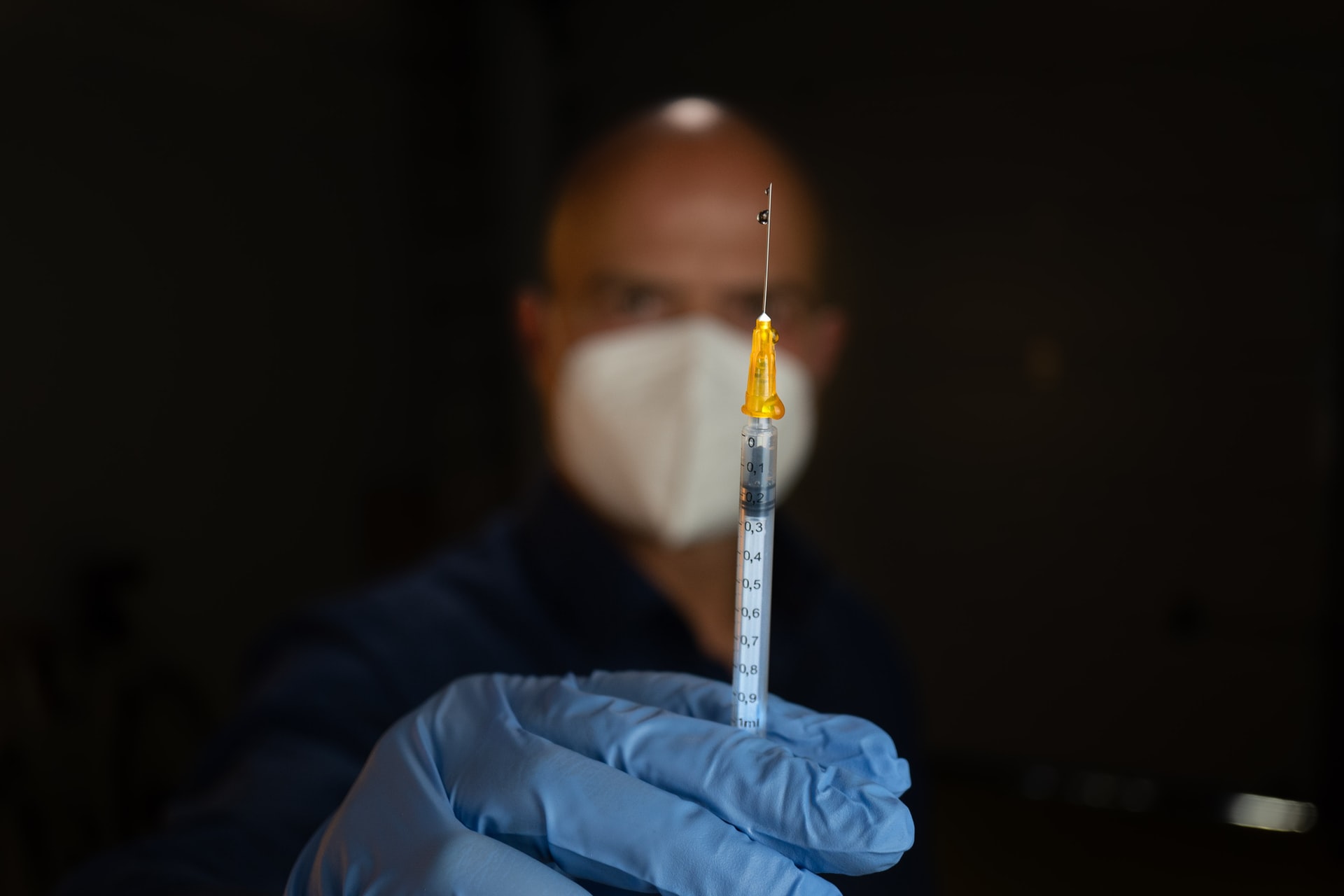
Photo by Mika Baumeister on Unsplash

Two new vaccines to prevent tuberculosis (TB) are safe for use in adults and children, but they do not offer protection against all forms of TB, finds a large trial from India published by The BMJ.

TB remains a major global public health concern. In 2023, an estimated 10.8 million people worldwide were reported to have TB and the rate of new cases increased by 4.6% between 2020 and 2020, highlighting the growing scale of the problem. BCG is currently the only licensed vaccine against TB. Yet although it is effective against severe forms of TB in young children, it does not offer protection for adolescents and adults. 

To address this gap, researchers in India conducted a large trial to evaluate whether two new TB vaccines (VPM1002 and Immuvac) can protect against all forms of tuberculosis (pulmonary and extrapulmonary), prevent latent (dormant) infection, and generate an immune response against the TB bacterium.

The study enrolled 12 717 household contacts (aged 6 years and older) of recently diagnosed TB patients across 18 sites in six Indian states between July 2019 and December 2020.

Participants were randomly allocated to receive a first dose of either VPM1002, Immuvac, or a placebo (4 239 in each group) and were followed up for 38 months. A second dose was administered to 11,829 participants one month later. A total of 12 295 participants (96.7% of those enrolled) completed 38 months of follow-up.

While neither vaccine offered general protection against TB or prevented latent TB infection, both demonstrated an ability to prevent the progression to active TB in those who developed latent TB.

The researchers found that although both vaccines did not show effectiveness against all TB and pulmonary TB (PTB), one of the vaccines, VPM1002 showed effectiveness (50.4%) against extrapulmonary TB (EPTB) across all age groups, including those aged 36-60 years (79.5%). These findings suggest a potentially significant public health benefit, because extrapulmonary TB, which affects organs beyond the lungs, is often associated with a higher risk of mortality than pulmonary TB. 

A promising key finding was the protection seen against TB in children, whereby VPM1002 provided protection against all TB, PTB and EPTB in the 6 to under 14 year age group, while Immuvac provided protection against EPTB only in the 6 to under 10 year age group.

However, neither vaccine protected children and adults who were underweight. This suggests that nutritional support may be needed along with vaccination, especially for younger children, report the authors.

Both vaccines were found to be safe and induced an immune response.

The researchers acknowledge that the covid-19 pandemic affected the study, leading to the exclusion of some participants who missed the second dose and sometimes delayed follow-ups. Furthermore, the findings may not apply in other countries or ethnicities.

Nevertheless, this was a large, well-designed study that reflects a real world scenario because it included both children and adults, regardless of pre-existing conditions like diabetes and risk factors, as reported by authors.  Further research on commonly targeted high-risk groups for TB could be undertaken, they conclude.

Source: BMJ Group

High Prenatal Exposure to PFAS May Increase the Risk of Childhood Asthma

City residents exposed to contaminated drinking water in Sweden had higher rates of asthma diagnoses

Photo by cottonbro studio from Pexels

Asthma can lead to childhood hospitalisations, missed school days, missed workdays for caregivers, and a lower quality of life for both children and their caregivers. The global prevalence of asthma has increased over the past fifty years. A study published April 9th in the open-access journal PLOS Medicine by Annelise Blomberg at Lund University, Lund, Sweden and colleagues suggests that high prenatal PFAS exposure is associated with a higher incidence of asthma in childhood.

PFAS (Perfluoroalkyl substances) are widespread synthetic chemicals that impact the immune system and may play a role in the development of asthma. Previous epidemiological studies of PFAS and asthma only investigated low exposure levels and had inconclusive results. Due to decades-long contamination of a municipal waterworks in Ronneby, Sweden, researchers were able to study the impacts of high PFAS exposure. They accessed a register-based open cohort of all children born in Blekinge County between 2006 and 2013, including Ronneby. The researchers then linked maternal addresses during the exposure period to water distribution records to estimate prenatal exposure, and used asthma diagnosis data from the National Patient Register to assess individual asthma outcomes and prenatal exposure levels.

The researchers found that very high prenatal PFAS exposure was associated with a higher incidence of asthma in childhood. Future studies are needed to better understand exposure-response relationships and to address potential confounding variables, such as exposure beyond the prenatal period into early-childhood, exposure to other environmental contaminants or smoking among household members.

According to the authors, “PFAS contamination is a major source of high environmental exposure globally, and evidence from Ronneby offers important insights into the potential health effects of such contamination in affected communities. These results point to a substantial and previously unrecognized public health consequence of PFAS contamination.”

Blomberg adds, “We found that children whose mothers were exposed to very high levels of PFAS during pregnancy had a substantially higher incidence of clinically diagnosed asthma. The association was not observed at lower exposure levels, which may help explain why previous studies in general populations have reported mixed results.”

Most previous research has examined populations exposed only to background levels of PFAS. In Ronneby, drinking water contamination resulted in exposure levels hundreds of times higher than the general population. This allowed us to evaluate potential health effects across a much broader exposure range.”

Communities around the world have been affected by PFAS contamination from aqueous film-forming foams and other industrial sources. Our findings suggest that very high prenatal exposure may have lasting consequences for children’s respiratory health. At the same time, replication in other highly exposed populations will be important to confirm these results.”

Provided by PLOS

Study Identifies Why Nightmares Persist in Children and How to Break the Cycle

Photo by Caleb Woods on Unsplash

Recently published research from the University of Oklahoma and the University of Tulsa proposes a new model to explain why nightmares can persist over time in children and how therapy can be designed to break that cycle.

The study, published in Frontiers in Sleep, introduces the DARC-NESS model, a mnemonic for the factors that can keep a child stuck in chronic nightmares. At the centre of the model is “nightmare efficacy,” or the idea that children can learn skills to rid themselves of nightmares and restore good sleep.

“The DARC-NESS model looks at the mechanisms of what is maintaining nightmares, as well as the mechanisms that can break the cycle of nightmares,” said Lisa Cromer, PhD., a professor of psychology at the University of Tulsa and a volunteer child psychiatry faculty member at the OU School of Community Medicine in Tulsa. “It’s a child’s response to a nightmare that causes the chronic nightmares to happen, which means if we can learn to respond to nightmares differently, then we can interrupt that cycle. It’s empowering to understand that we can take steps to master our dreams.”

Rather than focusing only on the content of a nightmare, the model encourages clinicians to consider a broader set of factors, including how a child interprets the dream, worries about going to sleep, experiences anxiety at bedtime and copes after waking.

That information can help guide a personalized treatment plan instead of a one-size-fits-all approach. For some children, treatment may focus on reducing bedtime anxiety. Others may benefit from improving sleep habits or participating in exposure-based therapy, such as describing, writing about or drawing the nightmare and then working with a clinician to “rewrite” it.

“We believe we have created a way to conceptualize why nightmares persist and how we can better treat them in kids,” said OU Health child and adolescent psychiatrist Tara Buck, MD, an associate professor at the OU School of Community Medicine in Tulsa. “What’s unique about the model is that it’s customisable to what the patient needs, and it focuses on what the patient can control. We look for the potential intervention points and target those in a collaborative way with patients and their families.”

Unlike insomnia, in which people fear they won’t sleep, children with chronic nightmares are afraid they will sleep. According to Buck, helping children build confidence in their ability to address nightmares can have benefits far beyond sleep.

“Self-efficacy is at the heart of the model,” she said. “When children feel empowered to do something about the nightmares, they begin to see how things are interconnected – because they’re sleeping better, they have more energy, they go to school more consistently and their parents report improved behaviour.”

The model is designed for use by a range of clinicians, including therapists and pediatricians. For many years, health care providers either assumed that nightmares couldn’t be treated or that they would go away if an underlying trauma or mental health condition were addressed. However, that’s not always the case.

“We’ve worked with children who have been in mental health treatment for a long time and their nightmares are still persistent,” Buck said. “There is a need for a nightmare treatment model to help children when their nightmares are recurrent and distressing.”

“A nightmare is a bad dream that you wake up from,” Cromer said. “If you don’t wake up, then the brain is doing its job of resolving the fear of the dream. But if a child does wake up, they’re trying to escape the nightmare. And when a child wakes up, they’re not able to resolve the nightmare, which actually exacerbates the problem. That’s why nightmares are so important to treat.”

By April Wilkerson

Source: Oklahoma University

Diagnostic Tests are Being Neglected as Pharmaceuticals Advance

Source: Unsplash CC0

A new analysis from UC San Francisco argues that diagnostics are being overlooked both in the United States and around the world. This is slowing progress against major diseases, despite rapid advances in targeted therapies and precision health.

The authors note that nearly half of the world’s population lacks adequate access to diagnostics. These tests receive less investment for research and development, as well as lower insurance reimbursement than drugs, and this is creating barriers to innovation.

“Most people can easily understand how a new drug or surgery might help a patient,” said Kathryn Phillips, Ph.D., a professor of Health Economics in the School of Pharmacy at UC San Francisco and the lead author of the study, which appears in Science. “But the tests that guide medical decisions are just as critical.”

When treatments advance faster than tests

Advances in therapies are outpacing the development of the tests that are needed to guide their use. For example, many people do not respond to GLP-1 drugs for obesity and diabetes, but few tests exist yet to predict which patients will benefit.

Alzheimer’s is another example. New drugs exist to slow disease progression, but the blood tests that could match patients to the most beneficial drugs cost around $1000 and, unlike the drugs, which cost $30 000 a year, they rarely qualify for insurance coverage. This can leave doctors to make medical decisions without the necessary information. Some patients may not get the right treatments, and others may not get any treatments.

Regulatory misalignment and policy fixes

Even though they are essential to care, these diagnostic tests are often handled apart from the treatments they support. The FDA reviews tests differently than drugs, and insurers pay for them differently. Drugs are also much more likely to receive expedited FDA review than tests.

“Regulatory and payment policy should evolve in tandem with scientific and technological advances,” said Robert M. Califf, MD, former commissioner of the FDA and co-author of the paper.

“The current misalignment between how we evaluate diagnostics for consideration of allowing marketing and the system for reimbursement decisions about diagnostics versus drugs leaves powerful tools on the shelf and provides inadequate data to make good decisions about which diagnostic tools should be eschewed for lack of benefit in the real world.”

The authors say there are clear steps policymakers can take to fix these gaps, including reviewing tests and treatments together, streamlining approvals for tests, and improving how diagnostics are evaluated and paid for.

“Our hope is that this work helps people – patients, policymakers, insurers, and researchers – recognise diagnostics as essential to good health care – and not just an afterthought,” said Phillips, who directs the UCSF Center for Translational and Policy Research on Precision Medicine (TRANSPERS) and is a member of the Philip R. Lee Institute for Health Policy at UCSF.

Source: EurekAlert!

Surprising Discovery in the Retina May Explain Low-light Vision

Photoreceptor cells in the retina. Credit: Scientific Animations

A new Yale School of Medicine (YSM) study has uncovered surprising new details about how our eyes process what we see.

When we look at something, our visual system breaks down different aspects of the scene – such as colour, contrast, and motion – and processes those components separately. It’s called parallel visual processing and it’s what allows our brains to work out what we’re seeing so quickly.

This separation of information starts in the retina, and scientists have thought that separation is maintained as the information travels through the visual system. But in a study published in Neuron, researchers have found that information channels are more integrated than previously thought. This may help cells process weak visual signals, such as low-light conditions, the researchers say.

“We found that while different channels can deliver their own features, they’re also interconnected by underlying electrical circuitry,” says Yao Xue, PhD, a postdoctoral fellow in the department of ophthalmology and visual science at YSM and the study’s first author.

Untangling bipolar cell signals in the retina

The rods and cones in our retinas detect light and transmit signals to a type of neuron called bipolar cells. In these cells, visual components such as night, day, colour, shape, and contrast begin to separate into more than a dozen parallel channels.

But when researchers zoomed in on bipolar cell synapses, they found these information channels intermingle.

Neurons have two types of synapses: chemical and electrical. At chemical synapses, neurons release chemical messengers known as neurotransmitters that bind to the recipient cell. Electrical synapses, also known as gap junctions, facilitate communication with electric currents. Bipolar cells primarily communicate through chemical synapses.

The researchers found, however, that in the mouse and human retinas they studied, electric synapses were integrating most of those seemingly separate bipolar cell information channels. When the scientists electrically stimulated one bipolar cell, instead of seeing a localised release of neurotransmitters just within that cell’s channel, they observed cloud-like patterns of signalling – suggesting crosstalk among the different types of cells.

“When we stimulated one bipolar cell, many bipolar cells released neurotransmitters,” says Z. Jimmy Zhou, PhD, Professor of Ophthalmology and Visual Science and principal investigator.

“If the signal is already very weak and is divided into several channels, there isn’t much left for each channel to process. The integration is particularly useful for detecting low contrast signals or signals from very small objects.”

Seunghoon Lee, PhD Research Scientist of Ophthalmology and Visual Science

To their surprise, they also identified one type of bipolar cell, called BC6, that drove this signalling. These cells generated strong signals that travelled through the parallel channels in a hierarchical manner. “People had assumed that the different types of bipolar cells were more or less autonomous,” Zhou says. “But we found a driver among all these cell types that creates this network with a hierarchy.”

Having distinct parallel channels can help bipolar cells divide and conquer as they process different parts of a visual signal. The linkage of these channels through electrical synapses, on the other hand, could help the cells process weak visual signals, the researchers say.

“If the signal is already very weak and is divided into several channels, there isn’t much left for each channel to process,” says Seunghoon Lee, PhD, a research scientist in the department of ophthalmology and visual Science at YSM and co-corresponding author of the study. “The integration is particularly useful for detecting low contrast signals or signals from very small objects.”

“And the cells aren’t cooperating in a random way,” adds Xue. “There’s a commander within them – BC6 – that leads them in relaying signals to the downstream target.”

Recording from hard-to-reach cells

For the study, the researchers used several methods to study the synaptic circuitry of bipolar cells, including imaging to observe the cells’ activity and how they released and responded to neurotransmitters, as well as stimulating activity in bipolar cells and recording responses in recipient cells.

One challenge of studying signal transmission in bipolar cells is that they live in the middle of the retina. Previous studies have cut the retina into slices in order to access the cells, but that can disrupt the synaptic circuitry. In the new study, however, the researchers were able to apply the dual patch-clamp technique in fully intact mouse retinas. This method uses electrodes to stimulate activity in different types of bipolar cells and records the responses of recipient cells.

“No other lab in the world has been able to pull off these kinds of recordings systematically,” says Zhou. “It is a tour de force of Yao Xue’s PhD thesis work, pairing an innovative approach with exceptional electrophysiological skill.”

The team then repeated the experiment in human retinas, which they obtained from the department of pathology’s Legacy Tissue Donation Program. These are the first experiments of their kind in an intact human retina, the YSM researchers say.

Source: Yale School of Medicine