
Newly Discovered Hormone Implicated in Development of Diabetes
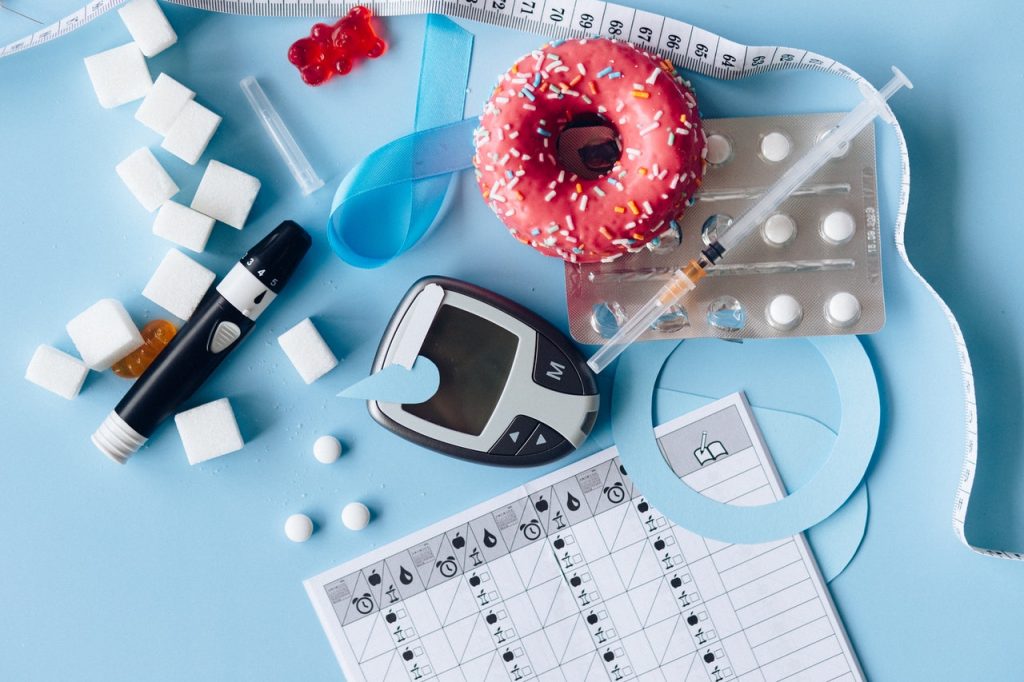
Image by Nataliya Vaitkevich on Pexels

A newly discovered hormone named fabkin helps regulate metabolism and may play an important role in the development of both type 1 and type 2 diabetes, according to a new study published in Nature.

Fabkin levels were abnormally high in mice and human patients with either type 1 or type 2 diabetes, and blocking the activity of fabkin prevented the development of both forms of diabetes in the animals. Fabkin likely plays a similar role in humans and the hormone complex could be a promising therapeutic target, according to the researchers.

“For many decades, we have been searching for the signal that communicates the status of energy reserves in adipocytes to generate appropriate endocrine responses, such as the insulin production from pancreatic beta cells,” said senior author Gökhan S. Hotamisligil. “We now have identified fabkin as a novel hormone that controls this critical function through a very unusual molecular mechanism.”

Many hormones are involved in the regulation of metabolism, such as insulin and leptin. Fabkin is different from traditional hormones in that it is not a single molecule with a single defined receptor. Instead, fabkin is composed of a functional protein complex consisting of multiple proteins, including fatty acid binding protein 4 (FABP4), adenosine kinase (ADK) and nucleoside diphosphate kinase (NDPK). Through a series of experiments, the researchers determined that fabkin regulates energy signals outside of cells. These signals then act through a family of receptors to control target cell function. In the case of diabetes, fabkin controls the function of beta cells in the pancreas that are responsible for insulin production.

Hotamisligil and colleagues previously discovered that a protein known as FABP4 is secreted from fat cells during lipolysis, the process in which lipids stored within fat cells are broken down, typically in response to starvation. Since then, many studies showed links between circulating FABP4 and metabolic diseases including obesity, diabetes, cardiovascular disease, and cancer. However, the mechanism of action was unknown.

In the new study, the researchers showed that when FABP4 is secreted from fat cells and enters the bloodstream, it binds with the enzymes NDPK and ADK to form the protein complex now identified as fabkin. In this protein complex, FABP4 modifies the activity of NDPK and ADK to regulate levels of molecules known as ATP and ADP, which are the essential units of energy in biology. The researchers discovered that surface receptors on nearby cells sense the changing ratio of ATP to ADP, triggering the cells to respond to the changing energy status. As such, fabkin is able to regulate the function of these target cells.

The pancreas’ beta cells are a target of fabkin and the hormone is a driving force behind the development of diabetes, the researchers showed. When fabkin in mice was neutralised with an antibody, the animals did not develop diabetes. When the antibody was given to obese, diabetic mice, they reverted to a healthy state.

“The discovery of fabkin required us to take a step back and reconsider our fundamental understanding of how hormones work.” said lead author Kacey Prentice. “I am extremely excited to find a new hormone, but even more so about seeing the long-term implications of this discovery.”

Source: Harvard University

Over 50s Have Greater Risk of Reduced Mobility after COVID

Photo by Bennett Tobias on Unsplash

Adults over 50 with mild or moderate COVID have increased risk of worsening mobility and physical function, even if hospitalisation is not required to treat the virus, new research has found.

The study, published in JAMA Network Open, highlights the burden of COVID among middle-aged and older adults who are not hospitalised, and suggests that even those who experienced even mild COVID have lasting, troublesome symptoms.

Researchers surveyed more than 24 000 people over the age of 50 from across Canada during the initial phase of the lockdown in 2020 to determine the effect of a COVID diagnosis on their mobility. 

The team looked at mobility issues including difficulty getting up from sitting in a chair, ability to walk up and down stairs without assistance and walking two to three neighbourhood blocks, as well as changes in participants’ ability to move around the home, engage in housework and physical activity.

“We found that even those with mild and moderate illness due to COVID experienced adverse changes in mobility and physical function compared to individuals without COVID,” said co-author Professor Susan Kirkland.

“These findings are worth noting because they indicate that the negative effects of COVID are much broader and impact a wider range of older adults than those who are hospitalised for COVID.”

Participants with COVID had nearly double the odds of worsening mobility and physical function, although most had mild or moderate symptoms. Of the 2748 individuals with confirmed, probable or suspected COVID, 94% were not hospitalised.

Individuals with confirmed or probable COVID had double the odds of worsening ability to engage in household activities and participate in physical activity than those without COVID. Similar results were found for those with suspected COVID.

“Our results showed there was a higher risk for mobility problems in people who were older, had lower income, those with three or more chronic conditions, low physical activity and poorer nutrition,” said co-author, assistant professor Marla Beauchamp.

“However, those factors alone did not account for the mobility problems we observed among people with COVID. Rehabilitation strategies need to be developed for adults who avoid hospitalisation due to COVID but still need support to restore their mobility and physical function.”

The researchers concluded that there is a need to further understand the long-term impacts of COVID and consider “the development and implementation of effective intervention and management approaches to address any persistent deficits in mobility and functioning among those living in the community.”

Source: Dalhousie University

MS Likely Caused by Epstein-Barr Virus

Source: NCI on Unsplash

Multiple sclerosis (MS) is likely caused by infection with the Epstein-Barr virus (EBV), according to a new Harvard University study.

“The hypothesis that EBV causes MS has been investigated by our group and others for several years, but this is the first study providing compelling evidence of causality,” said senior author Professor Alberto Ascherio. “This is a big step because it suggests that most MS cases could be prevented by stopping EBV infection, and that targeting EBV could lead to the discovery of a cure for MS.” The findings were published in Science.

Currently incurable, MS is a chronic inflammatory disease of the central nervous system that attacks the myelin sheaths protecting neurons in the brain and spinal cord. One of the top suspects for its cause is EBV, a herpes virus that can cause infectious mononucleosis and establishes a latent, lifelong infection of the host. Establishing a causal relationship between the virus and the disease has been hard because EBV infects approximately 95% of adults, MS is relatively rare, and the onset of MS symptoms begins about ten years after EBV infection. To determine the connection between EBV and MS, the researchers conducted a study among over 10 million US military personnel, identifying 955 who were diagnosed with MS during their period of service.

The team analysed serum samples taken twice a year by the military and determined the soldiers’ EBV status at time of first sample and the relationship between EBV infection and MS onset during the period of active duty. In this cohort, the risk of MS increased 32-fold after infection with EBV but remained unchanged after infection with other viruses. Serum levels of neurofilament light chain, a biomarker of the nerve degeneration typical in MS, increased only after EBV infection. The findings cannot be explained by any known risk factor for MS and suggest EBV as the leading cause of MS.

The delay between EBV infection and the onset of MS may be partly a result of the disease’s symptoms being undetected early on and partly the evolving relationship between EBV and the host’s immune system, which is repeatedly stimulated whenever latent virus reactivates.

“Currently there is no way to effectively prevent or treat EBV infection, but an EBV vaccine or targeting the virus with EBV-specific antiviral drugs could ultimately prevent or cure MS,” Prof Ascherio said.

Source: Harvard University

Consumption of Olive Oil Reduces Risk of Premature Death

Photo by Pixabay

A new study has found that people who consume higher amounts of olive oil may lower their risk of premature death overall and from specific causes including cardiovascular disease, cancer, and neurodegenerative disease, compared to people who never or almost never consume olive oil. People who consumed olive oil instead of animal fat were also found to have a lower risk of total and cause-specific mortality.

“Olive oil consumption has been linked to lower cardiovascular disease risk, but its association with premature death was unclear,” said Marta Guasch-Ferré, a senior research scientist in the Department of Nutrition at Harvard Chan School. “Our findings confirm current dietary recommendations to replace animal fats with plant oils for the prevention of chronic diseases and premature death.”

The researchers used health data collected between 1990 and 2018 for 60 582 women participating in the Nurses’ Health Study and 31 801 men in the Health Professionals Follow-up Study. All participants were free of cardiovascular disease or cancer at the study start.

Participants were asked how often they used olive oil in salad dressings, added to food or bread, or in baking or frying. According to the findings, people in the highest category of olive oil consumption (> 7g/day) had 19% lower risk of total and cardiovascular disease mortality, 17% lower risk of cancer mortality, 29% lower risk of neurodegenerative mortality, and 18% lower risk of respiratory mortality, compared with those who never or rarely consumed olive oil. Compared to margarine, butter, mayonnaise, or dairy fat, olive oil usage was correlated with reduced risk of total and cause-specific mortality. However no significant risk reduction was seen compared to use of other vegetable oils.

“Clinicians should be counselling patients to replace certain fats, such as margarine and butter, with olive oil to improve their health,” advised Guasch-Ferré. “Our study helps make specific recommendations that will be easy for patients to understand and hopefully implement into their diets.”

The findings were published in the Journal of the American College of Cardiology.

Source: Harvard University

Ozone Linked to Cognitive Impairment with Age

Photo by Kouji Tsuru on Unsplash

A robust link has been established between long-term ozone exposure and an increased risk of cognitive impairment in older adults, according to a large-scale study published in Environment International.

Air pollution has long been considered a major risk factor for an ageing society. Fine airborne particulate matter can lead to dementia and other cognitive disabilities. But beyond airborne particles, little is known about the way in which other pollutants can pose a similar danger.

The researchers chose to focus on ambient ozone, a highly reactive gas that exists in much of smog at ground level. They then observed health outcomes in nearly 10 000 older adults across China and analysed the extent to which long-term ozone exposure may have impacted their cognitive ability over time.

The results, they found, were startling. For every 10 microgram increase of yearly average ozone exposure, the risk for cognitive impairment grew by more than 10%. Through their analysis, the researchers also found that this association held even when they abstracted away individual risk factors such as smoking, drinking and education level. That is, older adults in China who were exposed to high levels of yearly ozone pollution were more likely to develop cognitive disabilities later in life, no matter what other activities they were involved in.

“Our findings suggest potential benefits in delaying the progression of cognitive decline among older adults if ozone levels are reduced below the new WHO Global Air Quality Guideline for ozone pollution,” said Kai Chen, Ph.D., assistant professor at the Yale School of Public Health and the study’s lead author.

The researchers acknowledged limitations such as observational data being unable to establish a causal link. More research is needed into ozone’s destructive mechanism. And since many older adults in China spend more time indoors, their ozone exposure may be different.

Nonetheless, the findings match what other researchers have found in areas across the globe: Over the past several years, studies have traced a similar link in adults in the United States and in Taiwan, and have also found an association between ozone exposure and other neurological diseases.

The study shows that ozone exposure needs to be curbed worldwide to prevent healthcare systems from being overwhelmed as populations age and pollution increases.

Study co-author Professor Robert Dubrow said what makes this issue more urgent is that “ozone pollution is projected to be worsening under climate change.” Reducing this threat could bring significant benefits to public health and improve quality of life.

Source: Yale University

Politics Makes People Sick – Literally

Photo by Andy Feliciotti on Unsplash

According to a new US study, all the political jockeying is harmful to our health, has been for some time, and even a change in party power didn’t help.

Political scientist Kevin Smith followed up a landmark 2017 survey study where he measured the effects of the political climate on Americans’ physical, social, mental and emotional health. Smith repeated the same 32-question survey twice in 2020 – two weeks prior to the election, and two weeks after. The 2020 findings mirrored the 2017 results, and again found that a large proportion of American adults blame politics for causing them stress, loss of sleep, fractured relationships and more.

Similar to the 2017 findings, the results of the 2020 surveys, published in PLOS One, showed that an estimated 40% of Americans identified politics as a significant source of stress. Between a fifth and a third of US adults also blamed politics for causing fatigue, feelings of anger, loss of temper and triggering compulsive behaviours. About a quarter of adults reported they’d given serious consideration to moving because of politics.

That the results remained mostly stable after nearly four years is cause for alarm, Smith said.

“This second round of surveys pretty conclusively demonstrates that the first survey was not out of left field – that what we found in that first survey really is indicative of what many Americans are experiencing,” Smith, chair and professor of political science, said. “It’s also unpleasant to think that in that span of time, nothing changed. A huge chunk of American adults genuinely perceive politics is exacting a serious toll on their social, their psychological and even their physical health.”

Smith repeated the survey with the same group of people both before and after the election to see if the election’s outcome would recast people’s perceptions.

“We wondered if a change in presidency, which indeed was the case, would shift attitudes, and the short answer is no,” Smith said. “If anything, the costs that people perceive politics is exacting on their health increased a little bit after the election.”

Smioth was most surprised at the repeated finding that 5% of Americans blame politics for having suicidal thoughts.

“One in 20 adults has contemplated suicide because of politics,” Smith said. “That showed up in the first survey in 2017, and we wondered if it was a statistical artifact. But in the two surveys since, we found exactly the same thing, so millions of American adults have contemplated suicide because of politics. That’s a serious health problem.”

Those most likely to be negatively affected by politics were younger, more often Democratic-leaning, more interested in politics and more politically engaged.

“If there’s a profile of a person who is more likely to experience these effects from politics, it’s people with those traits,” Smith said.

This could mean problems for democracy if this trend continued. Smith suggested investigating whether civic education had a positive effect, as those who were more knowledgeable about politics seemed to be less affected.

Source: University of Nebraska

Fourth Wave Ending as COVID Becomes Endemic

Image by Quicknews

Speaking to  the media on Friday, Dr Joe Phaahla said that vaccinations had “uncontestably” lowered the rate of hospitalisations as seen by reduced hospital admissions in the fourth wave. saying that there has been a decoupling between new infections and hospital admissions and deaths. An article awaiting peer review on the medRxiv preprint server shows evidence of this in Cape Town.

Vaccinations were still lower than expected, despite a renewed vaccination drive from 17 December, a situation he attributed to people focussing on their festivities. As of Thursday, 45.5% of all SA adults had received at least one dose, with just under 40% being fully vaccinated. However, only 31.6% of 18–34 year olds have been vaccinated. About one million doses have been administered to the newly opened 12–17 year age group.

In an interview with eNCA, Dr Phaahla said that he concurs with experts that COVID is heading towards becoming an endemic disease, emphasising that South Africa is prepared for this. A new dashboard is to be unveiled which will show the number of vaccinated and unvaccinated in hospitals.

Dr Phaahla has also said that the issue of mandatory vaccinations is currently being deliberated by the government and that an announcement will be made in due course. In the US, the Supreme Court blocked President Biden’s vaccine mandate for large companies, which is seen as a significant blow to his administration’s COVID response plan.

The NICD’s Dr Michelle Groome said that almost 99% of all COVID cases sequenced are caused by Omicron. Gauteng, has exited the fourth wave with a low rate of new cases (1.4 cases per 100 000) and slight (2.2%) increase, likely attributable to increased testing. All other provinces had observed a decrease in weekly incidence of new cases, save Northern Cape (21.9 per 100 000, 18.3% increase). A 14.3% positivity rate was seen as of 13 January, down from highs above 35% in mid-December.

Test positivity rate had fallen from 25–30% in the last week of 2022 to 14% on Thursday.

A Novel Hydrogel for Treating Spinal Cord Injury

Photo by Kanasi on Unsplash

Researchers at the Chinese Academy of Sciences have developed an innovative scaffold that regulates the immune microenvironment following a spinal cord injury, thereby reduces secondary injury effects. Their work is reported in Biomaterials.

By modifying a hydrogel with a cationic polymer, polyamidoamine, and  interleukin-10 (IL-10; an anti-inflammatory cytokine), the scaffold could enhance tissue remodelling and promote axonal regeneration.

Spinal cord injuries cause axon damage and neural cell death, leading to dysfunction. A secondary stage of injury follows the primary stage and lasts for several weeks. Infiltration and activation of immune cells triggered by a spinal cord injury creates an inflammatory microenvironment characterised with damage-associated molecular patterns (DAMPs) that exacerbates secondary damage and impairs neurological functional recovery.

With the capabilities of effective scavenging of DAMPs and sustained release of IL-10, such a dual-functional immunoregulatory hydrogel not only reduced pro-inflammatory responses of macrophages and microglia, but also enhanced neurogenic differentiation of neural stem cells.

In a mouse model of spinal cord injury, the scaffold suppressed cytokine production, counteracting the inflammatory microenvironment and regulating immune cell activation, resulting in neural regeneration and axon growth without scar formation.

The dual-functional immunoregulatory scaffold with neuroprotection and neural regeneration effects significantly promoted electrophysiological enhancement and motor function recovery after spinal cord injury.

This study suggests that functional scaffold reconstruction of the immune microenvironment is a promising and effective method for treating severe spinal cord injury.  

Source: Chinese Academy of Sciences

Hydroxychloroquine Effective in Slowing MS

A healthy neuron.
A healthy neuron. Credit: NIH

Promising results for a generic antimalarial drug, hydroxychloroquine, have been seen when used to treat the evolution of disability of primary progressive multiple sclerosis (MS), the least treatable form of the autoimmune disease.

Research teams led by Dr Marcus Koch, MD, PhD, and Dr Wee Yong, PhD, found that hydroxychloroquine helped to slow the progression of disability during the 18-month study involving participants at the MS clinic in Calgary. The research was published in Annals of Neurology.

“With primary progressive MS, there is no good treatment to stop or reverse the progression of disease. The disability progressively worsens through time,” said Dr Koch. “Dr Yong’s research team, with whom we closely collaborate, has been screening a large number of generic drugs over several years and the results with hydroxychloroquine show some promise. Our trial is a preliminary success that needs further research. We hope sharing these results will help inspire that work, specifically larger scale clinical trials into the future.”

The experimental study followed 35 people, at least 40% of whom, or 14 participants, were expected to experience a significant worsening of their walking function, but at the end of the trial only eight participants had worsened.

Hydroxychloroquine is an anti-malaria medication more commonly used to manage the symptoms of rheumatoid arthritis and autoimmune conditions such as lupus. It was selected as it is use in rheumatological diseases is widespread and is generally well-tolerated.

“Based on research in our lab on models of MS, we predicted that hydroxychloroquine would reduce disability in people living with MS. Calgary has a vibrant bench-to-bedside MS program and the work from Dr Koch’s trial offers further evidence which we were pleased to see,” said Prof Yong.

To date, the cause of MS is unknown. This autoimmune disease generally long-lasting, often affecting the brain, spinal cord and the optic nerves in your eyes. It can cause problems with vision, balance and muscle control, although the effects are different for every patient with the disease.

Dr Koch and the research team have been studying the impact of hydroxychloroquine on primary progressive MS for several years and that work continues, including its potential to achieve even greater results as a therapy in combination with select other generic drugs.

Source: EurekAlert!

Men in Medical Face Masks Rated as More Attractive

Source: Sammy Williams on Unsplash

Besides COVID prevention, there is an upside to wearing the ubiquitous face masks worn in many countries: they increase attractiveness, at least in men. 

A study published in Cognitive Research: Principles and Implications measured how different types of face masks changed the attractiveness of 40 male faces.

However, the researchers discovered the type of covering matters – blue medical masks were found to increase facial attractiveness more than other types of masks.

Dr. Michael Lewis, an expert in the psychology of faces, said: “Research carried out before the pandemic found medical face masks reduce attractiveness – so we wanted to test whether this had changed since face coverings became ubiquitous and understand whether the type of mask had any effect.

“Our study suggests faces are considered most attractive when covered by medical face masks. This may be because we’re used to healthcare workers wearing blue masks and now we associate these with people in caring or medical professions. At a time when we feel vulnerable, we may find the wearing of medical masks reassuring and so feel more positive towards the wearer.

“We also found faces are considered significantly more attractive when covered by cloth masks than when not covered. Some of this effect may be a result of being able to hide undesirable features in the lower part of the face—but this effect was present for both less attractive and more attractive people.”

In the study, 43 female participants were asked to rate the attractiveness of images of male faces without a mask; wearing a cloth mask; a blue medical face mask and holding a plain black book covering the area a face mask would hide. The research took place seven months after face masks became mandatory in the UK.

“The results run counter to the pre-pandemic research where it was thought masks made people think about disease and the person should be avoided,” commented Dr Lewis.

“The current research shows the pandemic has changed our psychology in how we perceive the wearers of masks. When we see someone wearing a mask we no longer think ‘that person has a disease, I need to stay away’.

“This relates to evolutionary psychology and why we select the partners we do. Disease and evidence of disease can play a big role in mate selection – previously any cues to disease would be a big turn off. Now we can observe a shift in our psychology such that face masks are no longer acting as a contamination cue.”

Next steps are to see if the reverse holds true for women’s attractiveness to men.

Source: Cardiff University