Category: Obstetrics & Gynaecology

New Treatment for Pregnancy Loss Caused by Specific Autoantibody

Photo by SHVETS production

Amongst women who experience recurrent pregnancy loss, around 20% test positive for a specific autoantibody. A Kobe University-led research team now found a treatment using either of two common drugs that drastically increases these women’s chances of carrying to full-term without complications, reporting their findings in Frontiers in Immunology.

Recurrent pregnancy loss is a condition of women who have lost two or more pregnancies for non-obvious reasons. Kobe University obstetrician Tanimura Kenji and his team have previously found that in 20% of these women, they can detect a specific antibody in their blood that targets their own bodies: anti-β2-glycoprotein I/HLA-DR autoantibodies.

Tanimura explains: “There is no known treatment for this particular condition, but the antibodies have a similar target to those that play a role in a different condition that has an established treatment.” Therefore, he wanted to test whether that treatment also works in the cases with the newly discovered antibody.

Tanimura enlisted the help of obstetricians across five hospitals in Japan and over the course of two years analysed the blood of consenting women suffering from recurrent pregnancy loss for the antibodies. If any of these women got pregnant during this time frame, their doctors would offer treatment options also containing those drugs that are effective against the chemically similar condition, specifically, low-dose aspirin or heparin. The research team then observed how many of the women who included these drugs in their treatment had full-term live births or pregnancy complications and compared that to the pregnancy outcomes in women who did not take either of the two drugs.

They report that women who received the treatment were much more likely to have live births (87% did) compared to the ones without treatment (of which only 50% had live births). In addition, amongst the live births, the treatment reduced the likelihood of complications from 50% to 6%. “The sample size was rather small (39 women received the treatment and 8 did not), but the results still clearly show that a treatment with low-dose aspirin or heparin is very effective in preventing pregnancy loss or complications also in women who have these newly discovered self-targeting antibodies,” summarises Tanimura.

Many women who tested positive for the newly discovered self-targeting antibodies also tested positive for the previously known ones. However, the Kobe University-led team found that women who only had the newly discovered antibodies and who received the treatment were even more likely to have a live birth (93%) and, amongst these, none had pregnancy complications.

Looking ahead, Tanimura says: “The newly discovered self-targeting antibody has been demonstrated to be involved also in infertility and recurrent implantation failure, as well as a risk factor for arterial thrombosis in women with systemic rheumatic diseases. I therefore expect that studies about the effectivity of the treatment against a broader range of conditions might produce encouraging results.”

Source: Kobe University

Heart Defects in Babies Born after Fertility Treatment are More Common

Intracytoplasmic Sperm Injection (ICSI) procedure. Credit: Scientific Animations CC4.0

The risk of being born with a major heart defect is 36% higher in babies who were conceived after assisted reproductive technology, such as in vitro fertilisation (IVF), according to results of a very large study published in the European Heart Journal.

Researchers say the finding is important since congenital heart defects are the most common form of birth defects, and some of them are associated with life threatening complications.

The study also shows that the increase in risk is particularly associated with multiple births which are more common in assisted reproduction.

 The study was led by Professor Ulla-Britt Wennerholm from the University of Gothenburg in Sweden. She said: “Previous research shows that there are increased risks for babies conceived with the help of assisted reproductive technology. These include preterm birth and low birth weight. We wanted to investigate whether the risk of heart defects was higher for babies born following assisted reproduction.”

The research included all liveborn children born in Denmark between 1994 and 2014, all children born in Finland between 1990 and 2014, those born in Norway between 1984 and 2015 and those born in Sweden from 1987 to 2015; more than 7.7 million in total.

Researchers compared data on babies born following assisted reproduction, including IVF, intracytoplasmic sperm injection (ICSI) and embryo freezing, with data on babies conceived naturally.

They assessed how many liveborn children in each group were diagnosed with a major heart defect or with a serious heart defect either in the womb or in the first year of life. They took into account other factors that can increase the risk of congenital heart defects, such as child’s year of birth, country of birth, mother’s age at delivery, if the mother smoked during pregnancy, or if the mother had diabetes or heart defects.

This showed that heart defects were around 36% more common in babies born after assisted reproduction, compared to babies conceived without such treatment (absolute risk 1.84% vs 1.15%). This risk was similar regardless of the type of assisted reproduction used (IVF or ICSI, fresh or frozen embryos). However, the risk was greater for multiple births following assisted reproduction compared to singleton births following assisted reproduction (2.47% vs 1.62%).

Professor Wennerholm said: “We already know that babies born after assisted reproductive technology have a higher risk of birth defects in general however, we have found a higher risk also in congenital heart defects, the most common major birth defect.

“The fact that the risk of heart defects is similar regardless of the type of assisted reproduction used may indicate that there is some common factor underlying infertility in parents and congenital heart disease in their babies.

“Congenital heart defects can be extremely serious requiring specialist surgery when babies are very young, so knowing which babies are at the greatest risk can help us diagnose heart defects as early as possible and ensure the right care and treatment are given. More and more people are conceiving with the help of assisted reproductive technology, so we might expect to see increases in cases of congenital heart defects worldwide.”

In an accompanying editorial, Dr Nathalie Auger from University of Montreal Hospital Research Centre in Canada and colleagues said: “Assisted reproductive technology is a popular intervention in reproductive medicine, with these procedures accounting for 2% to 8% of births depending on the country. While most neonates born after assisted reproductive technology are healthy, these procedures are not without risks.

“In one of the largest studies to date, the researchers found that assisted reproductive technology was associated with the risk of major heart defects diagnosed prenatally or up to one year of age.

“Patients who use assisted reproductive technology tend to differ from the general population. These patients may have underlying morbidities that affect both fertility and the risk of heart defects.”

Source: European Society of Cardiology

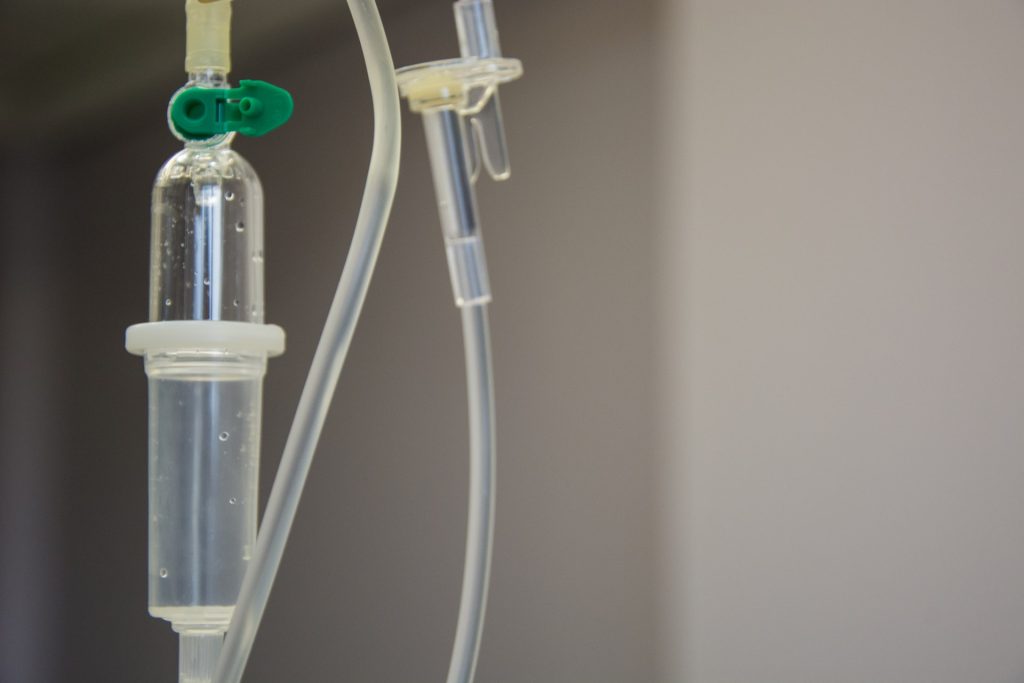
Intravenous Iron is Faster and Better than Oral Form for Pregnant Women

Photo by Marcelo Leal on Unsplash

Researchers found that an intravenous iron preparation, ferric carboxymaltose, works faster and better than an oral iron tablet taken by mouth for the treatment of anaemia, with comparable safety. The findings were published in Lancet Global Health.

Anaemia is a common cause of ill-health or death in mothers and their babies, especially in sub-Saharan Africa and South-East Asia where more than four out of ten pregnant women have the condition. A sizeable proportion of pregnant women in Nigeria proceed to giving birth while still anaemic despite taking iron tablet for prevention during pregnancy. Some reasons for this are that some women do not tolerate the tablets because of side effects like diarrhoea, nausea, or vomiting, or they forget to take the tablets. Available iron preparations given through drip in Nigeria like iron dextran have been associated with high risk of severe side effect, while iron sucrose needs repeat dosing. There is a need for an effective and safer alternative to overcome these problems. 

A team of researchers in a recently concluded clinical trial, called the IVON TRIAL, tested ferric carboxymaltose, which is new in Nigeria and most of sub-Saharan Africa. 

They compared the effectiveness and safety of this medicine with that of a popular tablet preparation, ferrous sulphate, which is currently being used to treat anaemia in Nigeria. They found that this new medicine given intravenously works faster and better for anaemia treatment than oral iron tablets; and it is as safe as the tablet. 

The study enrolled 1056 pregnant women, aged 15–49 years, who were between five and seven-and-half months pregnant and had anaemia with haemoglobin measurement less than 10 g/dL.

“We used a web-based platform to assign them to treatment groups. Half of the women were treated with one dose of iron given in drip through the vein while half took iron tablets three times a day till they gave birth”, says Ochuwa A. Babah, a doctoral student at the Department of Global Public Health, Karolinska Institutet and one of the authors of the paper. 

Their haemoglobin levels and iron levels were checked, and they were screened` for depression at specific time points. They were followed-up until six weeks after delivery to collect more data from mother and baby. Blood was collected from the baby’s cord at delivery to know if the medicine affected the baby’s phosphate level.

Works better for iron deficiency anaemia

Only one dose of iron (ferric carboxymaltose) given by drip through a vein during pregnancy causes a faster rise in blood level after four weeks compared to iron tablet taken by mouth three times every day. The drip iron also corrects low body iron better than iron tablets. The side effects of the drip iron are comparable to that with iron tablets, with no adverse effect on the babies. 

“These findings are reassuring because pregnant women often reject new medicines because of fear of harm to their babies. We now have evidence that implementing the use of this new iron via drip (ferric carboxymaltose) in regions where many pregnant women suffer anaemia like Africa, will be a valuable step towards reducing the proportion of pregnant women who suffer from this condition and its complications”, says Ochuwa A. Babah and continues:

“The pregnant women were willing to accept iron via drip during pregnancy, supported by their families. The healthcare workers were ready to administer iron via drip but identified a need to increase staff strength and possibly medicine subsidy. We know from the clinical trial that the intravenous iron is effective and safe, so we are already liaising with the Federal Ministry of Health, Nigeria to add it to the essential drug list.”

Source: Karolinska Institutet

Higher Odds of Miscarriage, Needing Fertility Treatment for Women with Asthma

Credit: Pixabay CC0

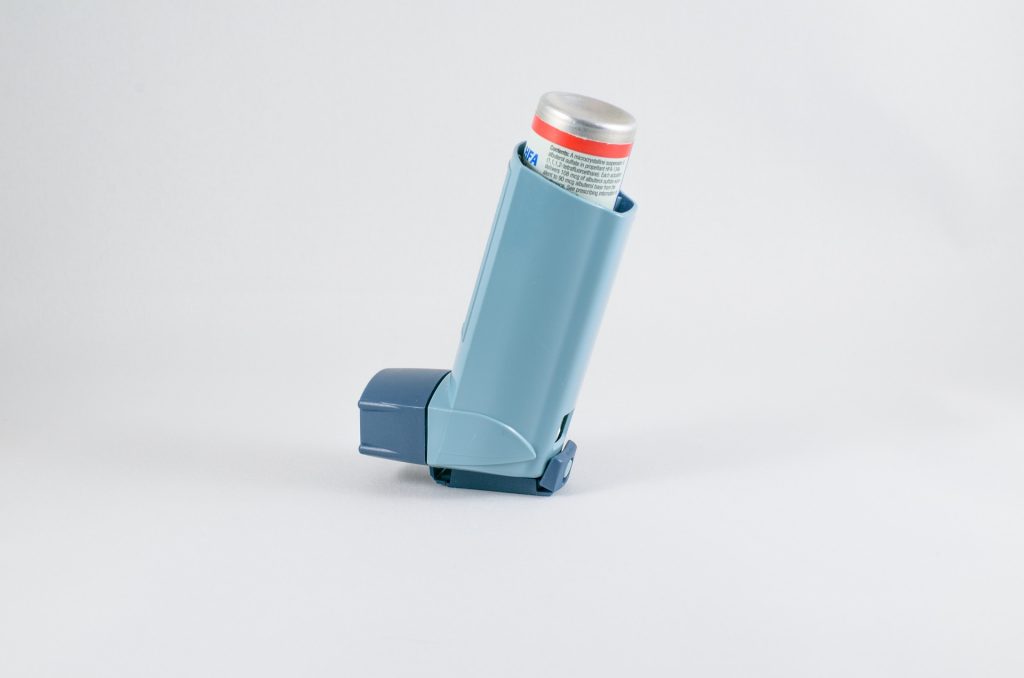
Women who are being treated for asthma are more likely to miscarry and need fertility treatment to get pregnant, according to a large study presented at the European Respiratory Society (ERS) Congress in Vienna, Austria. The study also suggests that most women with asthma are able to have babies.

The study was presented by Dr Anne Vejen Hansen from the department of respiratory medicine at Copenhagen University Hospital, Denmark.

She said: “Asthma is common in women of reproductive age. Previous studies have shown that it takes women with asthma longer to get pregnant than those without asthma when undergoing fertility treatment, and that asthmatic women who succeed in getting pregnant have more often had fertility treatment than non-asthmatic women. But most existing studies are on women who have actually got pregnant, so we wanted to examine fertility outcomes on a national scale, to also include those that might not become pregnant at all.”

The team analysed reproductive outcomes for all Danish women born from 1976 to 1999, following them from 1994 to 2017. In total, 769,880 women were included and followed; anyone who took anti-asthma medication on a regular basis was classified as asthmatic.

They found that women with asthma experienced a higher degree of foetal loss compared to women without asthma (17.0% vs. 15.7%) and more use of fertility treatment (5.6% vs. 5.0%). However, the proportion who subsequently gave birth was 77% in women with and without asthma, suggesting that asthma does not seem to affect the number of live births.

Dr Vejen Hansen said: “We found that women fulfilling the definition of asthma had a higher rate of foetal loss and an increased use of fertility treatment. The more severe the asthma and the more flare ups the women experienced, the more likely they were to need fertility treatment. Why this is, is not clear. It might be related to systemic inflammation throughout the body, including women’s reproductive organs.

“But the numbers also show that these same women who redeem asthma medication still have as many live births in the end as women who don’t. This suggests that most women with asthma probably do manage to become pregnant and have babies in the end.

“We also plan to investigate the possible effect of male asthma on fertility, and, therefore, have another similar registry-based study in the pipeline.”

Professor Lena Uller is Chair of the ERS group on Airway Pharmacology and Treatment and Head of the Respiratory Immunopharmacology research group at Lund University, Sweden, and was not involved in the research. She said: “It’s reassuring that women seem to have the same live birth rate regardless of their asthma. However, the results also indicate that women with asthma should take into consideration potential reproductive challenges in their family planning. If women with asthma are worried about their fertility, they should speak to their doctor.

“The results of this study also underscore the importance of managing asthma in reproductive-aged women. The fact that the more severe the asthma, the more the problems with fertility, suggests that uncontrolled asthma is the problem and we should be helping women to get their asthma under control.”

Source: European Respiratory Society

Sterilisation Rates Among Women in US Rose After Abortion Ruling

Tubal sterilisation rates in states that banned, limited, or protected abortion access after Dobbs v Jackson Women’s Health decision, both before and after the decision. Source: Columbia University Irving Medical Center

Surgical sterilisation rates among women increased in the United States after a 2022 Supreme Court ruling (Dobbs vs Jackson Women’s Health) overturned the constitutional right to abortion, found researchers at Columbia University Vagelos College of Physicians and Surgeons. The study was published September 11 in JAMA.

Surgical sterilisation – tying, cutting, or removing the fallopian tubes – is a highly effective but essentially irreversible method of preventing pregnancy.  

Before the Supreme Court decision, the rate of surgical sterilisation in the United States had declined from a peak in the mid-1970s as effective reversible contraceptive methods became more accessible.  

The study looked at the use of surgical sterilisation before and after the Dobbs decision among roughly 4.8 million women in 36 states and Washington, DC.  

In the first month after the ruling, sterilisation rates in all states included in the study increased from stable rates in the prior year and a half.  

In the six months after the ruling, surgical sterilizations continued to rise by 3% per month in states where abortion was banned after Dobbs. A similar but not statistically significant trend was seen in states that limited access to abortion after Dobbs; no further increase was seen in states that protected abortion access.

“Our study suggests that the Dobbs ruling and subsequent state laws banning or limiting access to abortion may affect a woman’s choice of contraception,” says Xiao Xu, a health outcomes researcher who led the study. “The findings also warrant attention because tubal sterilisation is an irreversible method of contraception.”

Source: Columbia University Irving Medical Center

AI-enabled ‘Digital Stethoscope’ can Diagnose Peripartum Cardiomyopathy Twice as Often

Source: CC0

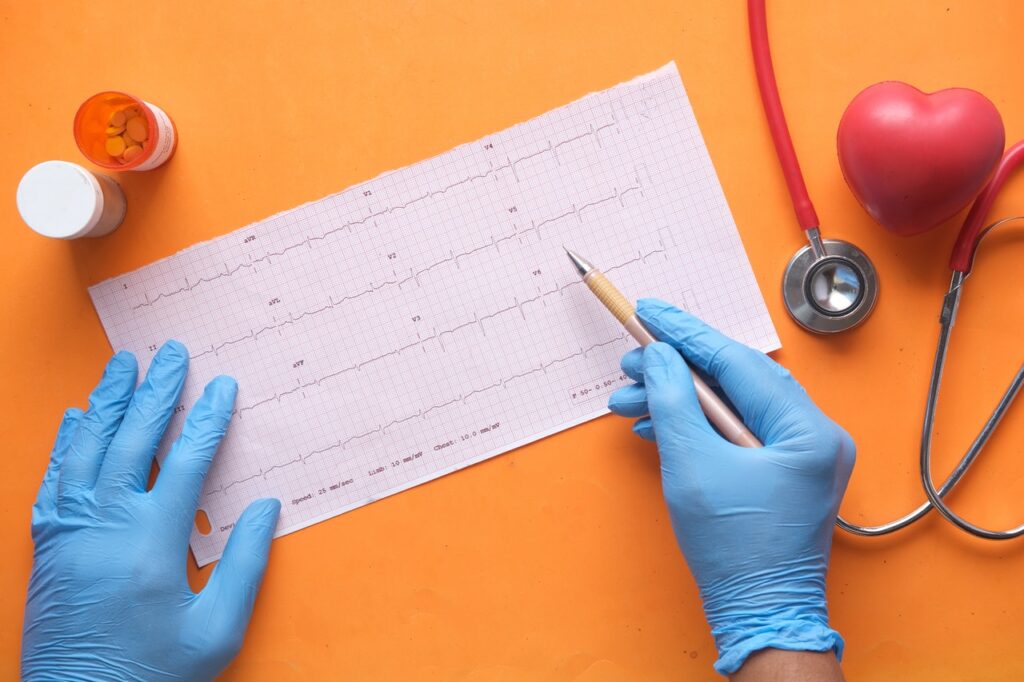
New research from Mayo Clinic suggests that artificial intelligence (AI) could improve the diagnosis of peripartum cardiomyopathy, a potentially life-threatening and treatable condition that weakens the heart muscle of women during pregnancy or in the months after giving birth. Researchers used an AI-enabled digital stethoscope that captures electrocardiogram (ECG) data and heart sounds to identify twice as many cases of peripartum cardiomyopathy as compared to regular care, according to a news release from the American Heart Association.

Identifying a weak heart pump caused by pregnancy is important because the symptoms, such as shortness of breath when lying down, swelling of hands and feet, weight gain, and rapid heartbeat, can be confused with normal symptoms of pregnancy.

Dr Demilade Adedinsewo, a cardiologist at Mayo Clinic, shared research insights during a late-breaking science presentation at the American Heart Association’s Scientific Sessions 2023.

Women in Nigeria have the highest reported incidence of peripartum cardiomyopathy. The randomised pragmatic clinical trial enrolled 1195 women receiving pregnancy care in Nigeria. Approximately half were evaluated with AI-guided screening using the digital stethoscope, and half received usual obstetric care in addition to a clinical ECG. An echocardiogram was used to confirm when the AI-enabled digital stethoscope predicted peripartum cardiomyopathy. Overall, 4% of the pregnant and postpartum women in the intervention arm of the clinical trial had cardiomyopathy compared to 2% in the control arm, suggesting that half are likely undetected with usual care.

Watch: Dr Adedinsewo explains the red flags for heart failure during pregnancy

Source: Mayo Clinic

Hot Flash Drug Shows Significant, Rapid Benefits

Photo by Karolina Grabowska on Pexels

The investigational drug elinzanetant significantly reduces the frequency and severity of hot flashes associated with menopause while improving women’s sleep and quality of life, new UVA Health research published in JAMA shows.

The nonhormonal drug, which contains no oestrogen, was tested in two phase 3 trials, Oasis 1 and 2, at dozens of locations in the United States, Europe and Israel, including UVA Health. Postmenopausal women ages 40–65 with moderate to severe hot flashes were randomised to receive either 120mg of elinzanetant daily for 26 weeks or a placebo for 12 weeks followed by 14 weeks on elinzanetant.

The women who received elinzanetant reported rapid improvements in their symptoms and quality of life. The trials revealed statistically significant reductions in hot flash frequency and severity within the first week in both trials. At the same time, sleep quality and overall quality of life improved in both trials by week 12.

“The effectiveness for relief of hot flashes in highly symptomatic women along with improvements in sleep and mood across multiple trials and favourable safety profile of elinzanetant suggests it has potential as a non-oestrogen treatment for women with bothersome menopausal symptoms,” said researcher JoAnn V. Pinkerton, MD, UVA Health’s director of midlife health. “Elinzanetant is a dual neurokinin receptor antagonist in testing, meaning it works on two receptors in the brain to improve hot flashes, night sweats, sleep and overall mood.” 

Hot Flash Treatment

Hot flashes are caused by decreased oestrogen levels during menopause and, for some women, for years after. While there are existing treatment options, such as hormone therapy, some women cannot tolerate them or do not wish to take them because of potential side effects or contraindications. Because of that, the researchers say, menopausal women need a new, effective and safe non-oestrogen alternative.

“There is a huge unmet need for new treatments for burdensome hot flashes and sweats, which have been shown to affect workplace productivity and relationships, both at work and home,” said Pinkerton, professor of obstetrics and gynaecology at the University of Virginia School of Medicine and executive director emeritus of The Menopause Society “Sleep disturbances are one of the most bothersome symptoms reported by menopausal women and can impact mood, fatigue, emotional lability, work productivity and their quality of life.”

Pinkerton and her colleagues tested elinzanetant in the double-blinded Oasis studies to see if it could safely and effectively offer a new alternative for women struggling with hot flashes.

In addition to evaluating the drug’s effect on hot flashes, sleep disruptions and quality of life, the researchers also looked for potential side effects. Headache and fatigue were the most common, and these were mild. Importantly, there were no severe side effects, which is reassuring for the drug’s safety.

“I am excited about the potential of elinzanetant to serve as a nonhormonal treatment option for women with highly bothersome menopausal symptoms who can’t or won’t take hormone therapy,” Pinkerton said. “I hope that it may become a safe and effective non-oestrogen option for menopausal women suffering from the triad of moderate to severe VMS, sleep disruption and decreased menopause-related quality of life.”

Source: University of Virginia Health System

Study Shows that Probiotics in Pregnancy Benefit Mothers and Offspring

Photo by SHVETS production: https://www.pexels.com/photo/focused-pregnant-black-woman-taking-vitamins-on-couch-6991899/

Giving probiotics to pregnant mice can enhance both the immune system and behaviour of the mothers and their offspring, according to a new study led by The Ohio State University Wexner Medical Center and College of Medicine.

“These results suggest that certain probiotics given to mothers during pregnancy can improve their offsprings’ behaviour and may affect the metabolism of common amino acids in our diets. Probiotics may also help counteract the negative effects of prenatal stress,” said study senior author Tamar Gur, MD, PhD, at OSU. 

Study findings are published online in the journal Brain, Behavior, and Immunity

Many studies have attested to the benefits of probiotics, which are considered safe to take during pregnancy. Researchers led by first author Jeffrey Galley, PhD found that a specific probiotic, Bifidobacterium dentium, may change how the body processes certain amino acids, such as tryptophan. During pregnancy, tryptophan helps control inflammation and brain development. 

“We have strong evidence this specific probiotic helped reduce stress-related problems in both mothers and their offspring, including helping the babies gain weight and improving their social behaviour,” said Gur, who also is an associate professor of psychiatry, neuroscience and obstetrics and gynaecology at Ohio State. 

Gur’s research team has studied how prenatal stress can lead to abnormal brain development and behavioural changes in offspring. So far, they’ve found that stress is linked to changes in brain inflammation and amino acid metabolism, as well as long-term reductions in social behaviour and abnormal microbiomes in offspring.

This study enhances their understanding of how gut microbes and probiotics can influence amino acid metabolism and help with behaviour and immune issues related to prenatal stress. The study also highlights the many benefits of this specific probiotic, even without the presence of stress.

“Now, we aim to understand the mechanisms behind these changes and explore ways to prevent or treat these effects,” Gur said. “Since prenatal stress is common in many pregnancies, we want to develop methods to reduce its negative effects.”

Source: Ohio State University Wexner Medical Center

Investigating New Diagnostic Tools for Early Diagnosis of Endometriosis

Photo by Andrea Piacquadio on Pexels

Endometriosis is a common, burdensome, chronic disease that affects 190 million women worldwide, and may cause life-altering consequences such as chronic pain, infertility and quality of life. Early diagnosis remains a major clinical and public health challenge. The average time to diagnose endometriosis is seven years after the onset of symptoms, which include abdominal pain and cramping before, during and after menstruation, among others.

In a commentary published in The Journal of Reproductive Medicine, Gynaecology & Obstetrics, researchers from Florida Atlantic University’s Schmidt College of Medicine and collaborators, conducted a PubMed search to identify promising approaches for early diagnosis of endometriosis.

“Currently, diagnosing endometriosis involves a thorough review of the patient’s medical history and physical examination,” said first author Panagiota “Yiota” Kitsantas, PhD, professor and chair of the Department of Population Health and Social Medicine, FAU Schmidt College of Medicine. “The most commonly used and accurate diagnostic methods are pelvic exams, abdominal ultrasound, MRI and laparoscopy. Laparoscopic surgery is considered the gold standard for diagnosing endometriosis by gynaecologists, but it can be expensive and carries potential risks of surgical complications. Moreover, the accuracy of laparoscopy can vary based on the surgeon’s experience and the stage of the disease.”

The authors say the ideal test for early diagnosis of endometriosis would be to use symptom-based criteria to determine who should undergo testing and then set optimal cut-points to maximise sensitivity and specificity. A test with high predictive value would accurately confirm endometriosis if positive and exclude it if negative. Although less ideal tests may not provide definitive results, they can be useful in reducing the number of patients who need to proceed to more invasive procedures, like laparoscopy.

Endometriosis involves hormonal imbalances that trigger angiogenesis, apoptosis, immune responses, and inflammation. Diagnostic tools for endometriosis have been developed to detect biomarkers, such as mRNA fragments in blood and saliva, but these have shown low accuracy.

“Non-invasive methods like MRI and transvaginal ultrasound are only effective for advanced stages of endometriosis,” said co-author Charles H. Hennekens, MD, professor at FAU Schmidt College of Medicine. “Recent research has focused on a novel noninvasive method of detecting myoelectric activity in the gastrointestinal tract as a potential diagnostic tool. Electroviscerography or EVG could detect unique myoelectric patterns associated with endometriosis, though this approach is promising but unproven.”

Currently, there is no FDA-approved non-invasive test for endometriosis, and further analytic studies leading to peer-reviewed publications are needed to refine these emerging technologies and establish effective diagnostic criteria.

“Early diagnosis of endometriosis remains a challenge, with a succession of promising approaches ultimately not bearing fruit thus far,” said Kitsantas. “Once new technologies such as EVG are more fully evaluated, they may give clinicians the post-test certainty they need to transition from symptom-based to diagnosis-based treatment.”

Source: Florida Atlantic University

Pesticide Use Within 500m of Pregnant Women Linked to Stillbirth Risk

Photo by Arjun Mj on Unsplash

Living less than 500m from pesticide use prior to conception and during early pregnancy could increase the risk of stillbirths, according to new research published in the American Journal of Epidemiology.

Researchers from the University of Arizona found that during a 90-day pre-conception window and the first trimester of pregnancy, select pesticides, including organophosphates as a class, were associated with stillbirth.

“In this study, some specific ingredients stood out due to their significant associations with stillbirth risk,” said first author Melissa Furlong, PhD, who studies the chronic health effects of environmental contaminants as an assistant professor and environmental epidemiologist at the Zuckerman College of Public Health. “These findings underscore the importance of considering individual pesticides rather than just the overall pesticide class, as specific chemical compounds may pose unique risks. It also highlights the potential for pre-pregnancy exposures to affect reproductive outcomes.”

To conduct the study, researchers linked Arizona pesticide use records for 27 different pesticides with state birth certificate data that included 1 237 750 births and 2290 stillbirths from 2006 to 2020.

They found that living within 500m of specific pyrethroid, organophosphate or carbamate pesticide applications during a 90-day pre-conception window or the first trimester was associated with an increased risk of stillbirth. 

Specifically, the pesticides cyfluthrin, zeta-cypermethrin, organophosphates as a class, malathion, carbaryl and propamocarb hydrochloride were linked to increased stillborn births pre-conception. During the first trimester, fenpropathrin, permethrin, organophosphates as a class, acephate and formetanate hydrochloride were associated with stillbirths.

“Among organophosphates, acephate showed the strongest effect estimates on stillbirth, so that exposure to acephate in the first trimester was associated with a doubling of risk,” said co-author Paloma Beamer, PhD, a professor and interim associate dean at the Zuckerman College of Public Health.  “Within the pyrethroid class, cyfluthrin exposure during the 90 days prior to conception almost doubled the risk of stillbirth.”

Pesticides are chemical substances used to control pests in various settings. They are commonly categorized into different classes, such as organophosphates, pyrethroids and carbamates. The primary route of exposure for most people is through diet, but household use, agricultural drift and occupational exposure are also significant pathways.

Researchers say while some pesticides may not have been directly implicated in this study, they could still pose risks to maternal and foetal health.

Pregnant women may be particularly vulnerable to the adverse effects of pesticide exposure due to physiological changes during pregnancy, such as increased metabolic rate, altered hormone levels and changes in the immune system. The developing foetus may be more susceptible to the toxic effects of pesticides during this period of rapid growth and development.

“Further research is essential to fully understand the safety profiles of various pesticides and to understand the underlying mechanisms of pesticide-induced stillbirth,” Furlong said. “This study underscores the need to develop strategies for mitigating exposure to protect maternal and foetal health.”

Source: University of Arizona Health Sciences