Category: Neurology

Test Detects Brain Cancers in Cerebrospinal Fluid with High Accuracy

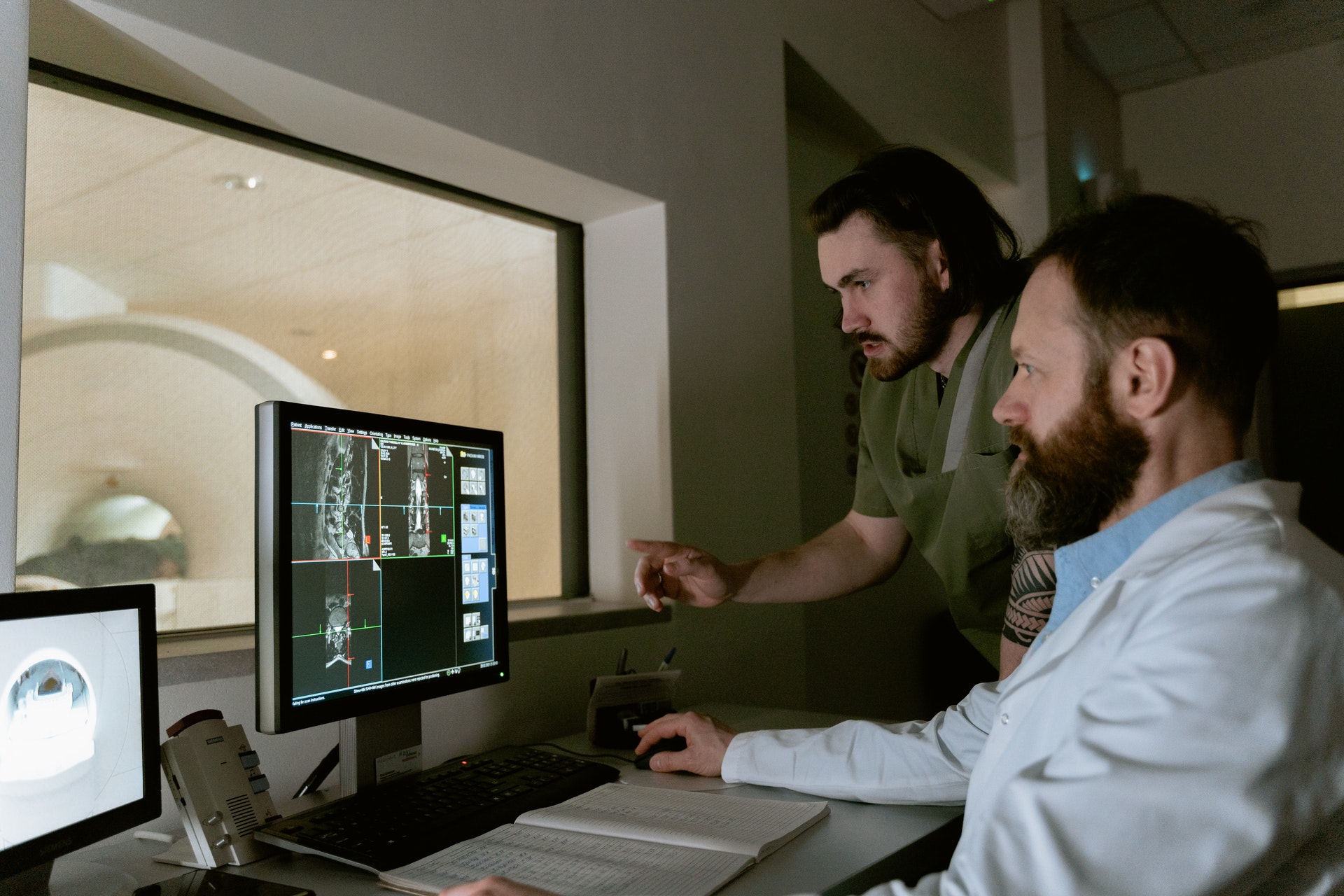
Photo by Cottonbro on Pexels

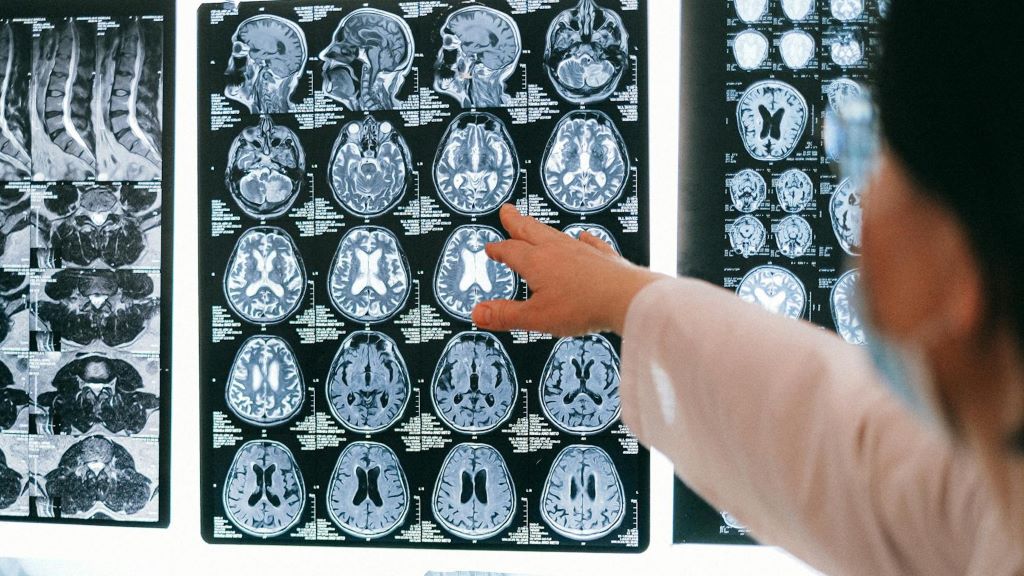
A novel, multi-analyte test developed by researchers at Johns Hopkins Medicine can accurately identify brain cancers using small samples of cerebrospinal fluid (CSF), offering a promising new tool to guide clinical decision-making.

The findings, supported by funding from the National Institutes of Health, were published in Cancer Discovery and demonstrate that combining multiple biological markers, including tumour-derived DNA and immune cell signatures, is more effective for diagnosing central nervous system cancers than using any one marker alone.

“This study highlights how much more information we can gain when we evaluate several analytes together,” says senior study author Chetan Bettegowda, MD, PhD, Professor and Director of the Department of Neurosurgery at the Johns Hopkins University School of Medicine. “The ability to detect cancers with high specificity and also gain insight into the immune environment of the brain could be an important advance in the care of patients with brain tumours.”

To evaluate the potential of a multi-analyte approach, investigators analysed 206 CSF samples, including samples from patients with high-grade gliomas, medulloblastomas, metastases and central nervous system lymphomas. Their test, called CSF-BAM (cerebrospinal fluid–B/T cell receptor, aneuploidy and mutation), measured chromosomal abnormalities, tumour-specific mutations, and T and B cell receptor sequences. In combination, these markers identified brain cancers with more than 80% sensitivity (ability to detect cancer) and 100% specificity (correctly identified those who were cancer-free) in the validation cohort. The 100% specificity means no false positives were recorded among individuals with noncancerous conditions.

The study also showed that the assay could distinguish between the immune cell populations present in cancer and noncancer cases, offering additional biological context that could be helpful in more-challenging clinical scenarios. Investigators say this ability to categorize T and B cell populations in the CSF provides insights into both disease presence and immune response.

“Many patients with brain lesions face invasive diagnostic procedures to confirm a cancer diagnosis,” says Christopher Douville, MD, assistant professor of oncology and a senior study author. “A tool like this could help us make better-informed decisions about who really needs a biopsy and who doesn’t.”

Researchers say the test could be particularly useful for cases in which conventional imaging or cytology is inconclusive, or in situations when obtaining tissue for diagnosis is risky or not possible. The multi-analyte approach, they say, enables clinicians to better detect cancer and better understand the disease status, supporting a more tailored approach to patient care.

Source: Johns Hopkins Medicine

Groundbreaking Spinal Scaffold Allows Nerve Fibres to Regrow

New research combines 3D printing, stem cell biology, and lab-grown tissues for possible treatments of spinal cord injuries. Photo provided by: McAlpine Research Group, University of Minnesota

For the first time, a research team at the University of Minnesota Twin Cities demonstrated a groundbreaking process that combines 3D printing, stem cell biology, and lab-grown tissues for spinal cord injury recovery. 

The study was recently published in Advanced Healthcare Materials. Currently, there is no way to completely reverse the damage and paralysis from the injury. A major challenge is the death of nerve cells and the inability of nerve fibres to regrow across the injury site. This new research tackles this problem head-on.

The method involves creating a unique 3D-printed framework for lab-grown organs, called an organoid scaffold, with microscopic channels. These channels are then populated with regionally specific spinal neural progenitor cells (sNPCs), which are cells derived from human adult stem cells that have the capacity to divide and differentiate into specific types of mature cells.

“We use the 3D printed channels of the scaffold to direct the growth of the stem cells, which ensures the new nerve fibres grow in the desired way,” said Guebum Han, a former University of Minnesota mechanical engineering postdoctoral researcher and first author on the paper who currently works at Intel Corporation. “This method creates a relay system that when placed in the spinal cord bypasses the damaged area.”

n their study, the researchers transplanted these scaffolds into rats with spinal cords that were completely severed. The cells successfully differentiated into neurons and extended their nerve fibres in both directions – rostral (toward the head) and caudal (toward the tail) – to form new connections with the host’s existing nerve circuits. 

The new nerve cells integrated seamlessly into the host spinal cord tissue over time, leading to significant functional recovery in the rats.

“Regenerative medicine has brought about a new era in spinal cord injury research,” said Ann Parr, professor of neurosurgery at the University of Minnesota. “Our laboratory is excited to explore the future potential of our ‘mini spinal cords’ for clinical translation.”

While the research is in its beginning stages, it offers a new avenue of hope for those with spinal cord injuries. The team hopes to scale up production and continue developing this combination of technologies for future clinical applications.

Source: University of Minnesota

New Research Shows that Macrophages Help Prevent the Development of Neuropathy

Source: Pixabay CC0

An increase in high-fat, high-fructose foods in people’s diets has contributed to a dramatic increase in type 2 diabetes. This, in turn, has led to an increase in peripheral neuropathy. About half of people with type 2 diabetes are affected, and of these, about half experience severe neuropathic pain.

The damage begins as axons from sensory neurons begin to retract and disappear from the tissues they innervate. New research from the lab of Clifford Woolf, MB, BCh, PhD, director of the F.M. Kirby Neurobiology Center at Boston Children’s Hospital, reveals that months before the damage occurs, immune cells flood into peripheral nerves in an apparent attempt to protect them. This surprising insight, published in Nature, could lead to strategies to prevent peripheral neuropathy or at least minimize and slow the onset of the damage.

Immune cells prevent nerve damage

A team led by Sara Hakim, PhD, a graduate student in the lab, created a mouse model of diabetes induced by a high-fat, high-fructose diet. The model showed that these mice developed all the major features of diabetes within eight to 12 weeks of starting the diet. At about six months, axons in the skin began to degenerate, indicating the presence of neuropathy.

“Diabetic neuropathy takes years, or even decades to develop in humans,” says Hakim, who is now at Vertex. “By using a mouse model in which symptoms slowly develop over months, we were able to catch the progression of the disease over time, and observe those early protective responses when the body is still trying to fight the disease.”

The researchers suspected that peripheral neuropathy is caused by the immune system, so used single-cell sequencing to detect changes in immune cells near sensory neuron axons in peripheral nerves.

One type of immune cell residing in nerves, a pro-inflammatory macrophage, began producing chemokines. These signaling molecules recruited a second population of circulating macrophages, which began infiltrating the nerve 12 weeks after the mice began the diet – as sensory symptoms were starting to appear but before nerve degeneration was seen.

Previously, macrophages were thought to have a pathogenic role in diabetes and were mainly reacting to axon loss. But Hakim, Woolf, and colleagues observed just the opposite.

“To our great surprise, when we blocked infiltration of macrophages into the nerve, neuropathy started getting worse, not better,” says Woolf. “The macrophages were protective. They slowed down the onset of neuropathy and reduced its impact.”

Potential strategies for peripheral neuropathy

The Woolf Lab is now exploring how the infiltrating macrophages protect against peripheral neuropathy. The next step would be to find a way to induce and sustain this protection and identify biomarkers that would flag those people with diabetes who are at risk.

One potential protective strategy might involve accelerating the recruitment of macrophages into nerves; another might involve mimicking their protective function by harnessing compounds they secrete, such as galectin 3.

“Since we could profile the cells and identify what genes they are expressing, we found a number of signalling molecules known to be protective,” says Woolf. “We can now go through that list and check to see which are most active.”

The latest work reinforces the idea that pain isn’t just a disease of neurons, but results from interactions between the nervous system and the immune system. In a study last year, the Woolf Lab discovered thousands of molecular interactions between pain-sensing neurons and different types of immune cells.

Now, the plot is thickening with this example of immune cells acting to prevent painful nerve damage. “We’ve now revealed a novel, slower protective effect of the immune system,” Woolf says.

Source: Boston Children’s Hospital

Researchers Find TBI Link to Development of Malignant Brain Tumours

Coup and contrecoup brain injury. Credit: Scientific Animations CC4.0

New research led by investigators at Mass General Brigham suggests a link between a history of traumatic brain injury (TBI) and risk of developing a malignant brain tumour. By evaluating data from 2000–2024 of more than 75 000 people with a history of mild, moderate or severe TBI, the team found the risk of developing a malignant brain tumour was significantly higher compared to people without a history of TBI. The results were published in JAMA Network Open.

“I see these results as alarming,” said co-senior author and corresponding author Saef Izzy, MD, FNCS, FAAN, a neurologist and head of the Immunology of CNS Injury Program at Brigham and Women’s Hospital, a founding member of the Mass General Brigham healthcare system. “Our work over the past five years has shown that TBI is a chronic condition with lasting effects. Now, evidence of a potential increased risk of malignant brain tumours adds urgency to shift the focus from short-term recovery to lifelong vigilance.

“Alongside our earlier findings linking TBI and cardiovascular disease, this underscores the importance of long-term monitoring for anyone with a history of TBI.”

The team divided the severity of TBI between mild, moderate and severe, with participants suffering from incidents ranging from car accidents to falls. In the two categories of moderate and severe, 0.6% of people (87 out of 14 944) developed brain tumours within 3-to-5 years after the TBI, which was a higher percentage than controls. Mild cases of TBI, such as those caused by concussions, were not associated with an increased risk of tumour. The aim of the study was not to establish a cause-and-effect link between moderate-to-severe TBI and malignant tumours, but rather to explore whether an association exists. Determining causality and understanding the underlying mechanisms will require a dedicated translational study in the future.

A previous study showed veterans of the Iraq and Afghanistan wars who suffered TBI experienced an increased risk of brain tumours, but previous studies on civilian populations showed conflicting results. The collaborative team of researchers used an international disease classifying system known as ICD codes to exclude anyone in the study with a history of brain tumour, benign tumours, and risk factors such as radiation exposure.

Previous neurotrauma studies from Mass General Brigham have looked at patients with a history of TBI and found an association with the emergence of anxiety, depression, and other psychiatric, neurological, and cardiovascular diseases, but the current study focuses on malignant tumour development.

Future imaging studies could draw a connection between the location of the TBI and where tumours developed in the brains of participants. The team would like to further study patients with repeated injuries, such as falls. 

“While there is an increased risk of tumour from TBI, the overall risk remains low. Still, brain tumour is a devastating disease and often gets detected in later stages,” said lead author Sandro Marini, MD, a neurologist at Mass General Brigham. “Now, we’ve opened the door to monitor TBI patients more closely.”

Source: Mass General Brigham

The Neurons Responsible for Day-to-day Blood Glucose Regulation

Photo by Anna Shvets

The brain controls the release of glucose in a wide range of stressful circumstances, including fasting and low blood sugar levels.

However, less attention has been paid to its role in day-to-day situations.

In a study published in Molecular Metabolism, University of Michigan researchers have shown that a specific population of neurons in the hypothalamus help the brain maintain blood glucose levels under routine circumstances.

Over the past five decades, researchers have shown that dysfunction of the nervous system can lead to fluctuations in blood glucose levels, especially in patients with diabetes.

Some of these neurons are in the ventromedial nucleus of the hypothalamus, a region of the brain that controls hunger, fear, temperature regulation and sexual activity.

“Most studies have shown that this region is involved in raising blood sugar during emergencies,” said Alison Affinati, MD, PhD, assistant professor of internal medicine and member of Caswell Diabetes Institute.

“We wanted to understand whether it is also important in controlling blood sugar during day-to-day activities because that’s when diabetes develops.”

The group focused on VMHCckbr neurons, which contain a protein called the cholecystokinin b receptor.

They used mouse models in which these neurons were inactivated.

By monitoring the blood glucose levels, the researchers found that VMHCckbr neurons play an important role in maintaining glucose during normal activities, including the early part of the fasting period between the last meal of the day and waking up in the morning.

“In the first four hours after you go to bed, these neurons ensure that you have enough glucose so that you don’t become hypoglycaemic overnight,” Affinati said.

To do so, the neurons direct the body to burn fat through a process called lipolysis.

The fats are broken down to produce glycerol, which is used to make sugar.

When the group activated the VMHCckbr neurons in mice, the animals had increased glycerol levels in their bodies.

These findings could explain what happens in patients with prediabetes, since they show an increase in lipolysis during the night.

The researchers believe that in these patients, the VMHCckbr neurons could be overactive, contributing to higher blood sugar.

These nerve cells, however, only controlled lipolysis, which raises the possibility that other cells might be controlling glucose levels through different mechanisms.

“Our studies show that the control of glucose is not an on-or-off switch as previously thought,” Affinati said.

“Different populations of neurons work together, and everything gets turned on in an emergency. However, under routine conditions, it allows for subtle changes.”

The team is working to understand how all the neurons in the ventromedial nucleus co-ordinate their functions to regulate sugar levels during different conditions, including fasting, feeding and stress.

They are also interested in understanding how the brain and nervous system together affect the body’s control of sugar, especially in the liver and pancreas.

Source: University of Michigan

New Study Upends Decades-old Assumptions About Brain Plasticity

Source: CC0

A new study from Pitt researchers challenges a decades-old assumption in neuroscience by showing that the brain uses distinct transmission sites – not a shared site – to achieve different types of plasticity. The findings, published in Science Advances, offer a deeper understanding of how the brain balances stability with flexibility, a process essential for learning, memory and mental health.

Neurons communicate through a process called synaptic transmission, where one neuron releases chemical messengers called neurotransmitters from a presynaptic terminal. These molecules travel across a microscopic gap called a synaptic cleft and bind to receptors on a neighbouring postsynaptic neuron, triggering a response.

Traditionally, scientists believed spontaneous transmissions (signals that occur randomly) and evoked transmissions (signals triggered by sensory input or experience) originated from one type of canonical synaptic site and relied on shared molecular machinery. Using a mouse model, the research team, led by Oliver Schlüter, associate professor of neuroscience, discovered that the brain instead uses separate synaptic transmission sites to carry out regulation of these two types of activity, each with its own developmental timeline and regulatory rules.

“We focused on the primary visual cortex, where cortical visual processing begins,” said Yue Yang, a research associate in the Department of Neuroscience and first author of the study. “We expected spontaneous and evoked transmissions to follow a similar developmental trajectory, but instead, we found that they diverged after eye opening.”

As the brain began receiving visual input, evoked transmissions continued to strengthen. In contrast, spontaneous transmissions plateaued, suggesting that the brain applies different forms of control to the two signaling modes.

To understand why, the researchers applied a chemical that activates otherwise silent receptors on the postsynaptic side. This caused spontaneous activity to increase, while evoked signals remained unchanged – strong evidence that the two types of transmission operate through functionally distinct synaptic sites.

This division likely enables the brain to maintain consistent background activity through spontaneous signaling while refining behaviourally relevant pathways through evoked activity. This dual system supports both homeostasis and Hebbian plasticity, the experience-dependent process that strengthens neural connections during learning.

“Our findings reveal a key organizational strategy in the brain,” said Yang. “By separating these two signaling modes, the brain can remain stable while still being flexible enough to adapt and learn.”

The implications could be broad. Abnormalities in synaptic signaling have been linked to conditions like autism, Alzheimer’s disease and substance use disorders. A better understanding of how these systems operate in the healthy brain may help researchers identify how they become disrupted in disease.

“Learning how the brain normally separates and regulates different types of signals brings us closer to understanding what might be going wrong in neurological and psychiatric conditions,” Yang said.

Source: University of Pittsburgh

Discovery Offers Hope for Breathing Recovery After Spinal Cord Injuries

Innovative research paves way for more effective treatment for ALS and other neurodegenerative diseases

View of the spinal cord. Credit: Scientific Animations CC4.0

Respiratory complications are the most common cause of illness and death for the 300 000 Americans living with spinal cord injury, according to the Christopher & Dana Reeve Foundation.  

But the results of a new study, led by researchers at Case Western Reserve University’s School of Medicine, show promise that a group of nerve cells in the brain and spinal cord, called interneurons, can boost breathing when the body faces certain physiological challenges, such as exercise and environmental conditions associated with altitude.

The researchers believe their discovery could lead to therapeutic treatments for patients with spinal cord injuries who struggle to breathe on their own. Their findings were recently published in the journal Cell Reports.

“While we know the brainstem sets the rhythm for breathing,” said Polyxeni Philippidou, an associate professor in the Department of Neurosciences at Case Western Reserve University School of Medicine and lead researcher, “the exact pathways that increase respiratory motor neuron output, have been unclear – until now.”

The research team included collaborators from the University of St. Andrews in the United Kingdom, the University of Calgary in Canada and the Biomedical Research Foundation Academy of Athens in Greece.

The study

By identifying a subset of interneurons as a new and potentially easy-to-reach point for treatment in spinal cord injuries and breathing-related diseases, the researchers believe doctors may be able to develop therapies to help improve breathing in people with such conditions.

The study showed that blocking signals from these spinal cord cells made it harder for the body to breathe properly when there was too much CO2 in the blood, a condition known as hypercapnia.

“These spinal cord cells are important for helping the body adjust its breathing in response to changes like high CO2 levels,” Philippidou said.

In this study, the team used genetically modified mouse models to explore the pathways involved in breathing. The researchers mapped neuron connections, measured neuron electrical activity, observed the models’ behaviour and used microscopy to visualise neuron structure and function – all focused on spinal cord nerve cells involved in breathing.

“We were able to define the genetic identity, activity patterns and role of a specialized subset of spinal cord neurons involved in controlling breathing,” Philippidou said.

The team is now testing whether targeting these neurons in neurodegenerative diseases like amyotrophic lateral sclerosis (ALS), also known as Lou Gehrig’s disease, and Alzheimer’s disease can help restore breathing.

Source: Case Western Reserve University

Brain Study Shows TV and Gaming Boosts Young Adults’ Focus, Social Media Hinders It

Photo by Freestocks on Unsplash

A world-first Swinburne-led study into young adults’ brain activity has found that TV and gaming are associated with increased focus, while social media is associated with decreased focus. 

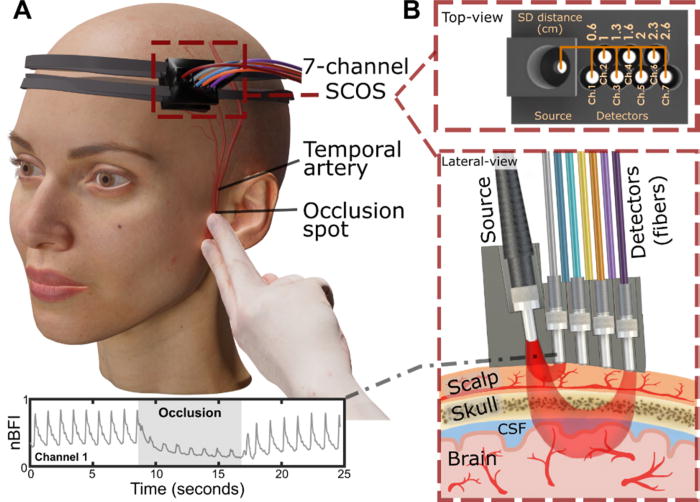
In this study, published in Nature, 18-25 year olds exposed to phone screens for only three minutes experienced changes in mood, energy, tension, focus and happiness, explains one of the lead researchers Swinburne’s Dr Alexandra Gaillard

“Our study was the first to record brain activity during different forms of screen use on young adults using functional near-infrared spectroscopy (fNIRS). We found that different forms of screen use, including social media, are associated with distinct patterns in activity and mood states.” 

“Almost everyone owns a smart phone which they use for at least three hours a day for entertainment. Mood disorders are increasing in prevalence worldwide and we shouldn’t rule out the possibility that phones are a contributor.” 

The study found that oxygenated haemoglobin (HbO) levels increased more following social media use and gaming compared to TV viewing, while deoxygenated haemoglobin (HbR) levels increased more following gaming. 

“These findings suggest that interactive types of entertainment really do get the brain more engaged,” says Dr Gaillard.  

“Interestingly, though, when it came to social media, people reported feeling less focused—and those who felt less focused also showed lower levels of brain activity. On the flip side, gaming actually helped boost focus and showed a rise in deoxygenated haemoglobin, which means the brain was actively using more of the oxygen it was getting. In other words, gaming seemed to get the brain working harder in a good way.” 

With six months to go until Australia’s impending teen social media ban, there are still no clear pathways for age-checking tools and the positive impacts of the policy on different types of technology and platforms.  

Dr Gaillard says that while this study looked at young adults, these findings suggest a similar outcome to teenagers which should be considered by experts when implementing the ban. 

“If this is the effect on a fully developed brain, we urgently need to consider the impacts on teenagers and children who are increasingly using these technologies.” 

The Swinburne research team is calling for further research to understand the complex and nuanced relationship between screen activities and how they engage they brain. 

“Excessive screen time can negatively impact cognitive abilities, attention and executive functioning, but we also know how invaluable they can be in forming connections and a sense of belonging as well as improving educational outcomes.” 

“This isn’t a call for blanket reductions; screens certainly serve a purpose for unwinding and leisure. We ask that young people are conscious of how their activity impacts them and that they make choices that are right for them.” 

Source: Swinburne University

Getting Vital Creatine into the Brain is a Weighty Problem

Photo by Jonathan Borba on Unsplash

Creatine is popularly known as a muscle-building supplement, but its influence on human muscle function can be a matter of life or death. But getting it to one particular organ that needs it – the brain – is challenging.

“Creatine is very crucial for energy-consuming cells in skeletal muscle throughout the body, but also in the brain and in the heart,” said Chin-Yi Chen, a research scientist at Virginia Tech’s Fralin Biomedical Research Institute at VTC.

Chen is part of a research team working to develop a technique that uses focused ultrasound to deliver creatine directly to the brain. The work, being conducted in the lab of Fralin Biomedical Research Institute Assistant Professor Cheng-Chia “Fred” Wu, will be supported by a $30 000 grant from the Association for Creatine Deficiencies.

Creatine plays a vital role in the brain, where it interacts with phosphoric acid to help create the key energy molecule adenosine triphosphate (ATP). In addition to its role in energy production, creatine also influences neurotransmitter systems.

For example, creatine influences the brain’s major inhibitory pathways that use the neurotransmitter gamma-aminobutyric acid (GABA), which limits neuronal excitability in the central nervous system. It may play a role in a variety of functions, including seizure control, learning, memory, and brain development.

A growing body of research suggests that creatine may itself function as a neurotransmitter, as it is delivered to neurons from glial cells in the brain and can influence signalling processes between other neurons. While creatine deficiency disorders can weaken the skeletal muscle and the heart, they can also severely affect the brain. Many patients see increased muscle mass and body weight with creatine supplements, but they often continue to face neurodevelopmental challenges that can hinder their ability to speak, read, or write.

This is largely caused by the brain’s protective blood-brain barrier preventing creatine entry.

Wu studies therapeutic focused ultrasound, which precisely directs sound waves to temporarily accessed areas of the brain. The process allows drugs to reach diseased tissue without harming surrounding healthy cells. While Wu is investigating this method as a potential treatment for paediatric brain cancer, he also sees potential in applying it to creatine deficiency.

“Through the partnership between Virginia Tech and Children’s National Hospital, I was able to present our work in focused ultrasound at the Children’s National Research & Innovation Campus,” Wu said. “There, I met Dr Seth Berger, a medical geneticist, who introduced me to creatine transporter deficiency. Together, we saw the promise that focused ultrasound had to offer.”

The Focused Ultrasound Foundation has recognised Virginia Tech and Children’s National as Centers of Excellence. Wu said the two organisations bring together clinical specialists, trial experts, and research scientists who can design experiments that could inform future clinical trials.

“It was a moment that made me really excited – that I had found a lab where I could move from basic research to something that could help patients,” Chen said. “When Fred asked me, ‘Are you interested in this project?’ I said, ‘Yes, of course.’”

Because creatine deficiencies can impair brain development, the early stages of Chen’s project will concentrate on using focused ultrasound to deliver creatine across the blood-brain barrier. Chen hopes the technique will restore normal brain mass in models of creatine deficiency.

Source: Virginia Tech

Scientists Grow Novel ‘Whole-brain’ Organoid

Image from Pixabay.

Johns Hopkins University researchers have grown a novel whole-brain organoid, complete with neural tissues and rudimentary blood vessels, in an advance that could usher in a new era of research into neuropsychiatric disorders such as autism.

“We’ve made the next generation of brain organoids,” said senior author Annie Kathuria, an assistant professor in JHU’s Department of Biomedical Engineering who studies brain development and neuropsychiatric disorders. “Most brain organoids that you see in papers are one brain region, like the cortex or the hindbrain or midbrain. We’ve grown a rudimentary whole-brain organoid; we call it the multi-region brain organoid (MRBO).”

The research, published in Advanced Science, marks one of the first times scientists have been able to generate an organoid with tissues from each region of the brain connected and acting in concert. Having a human cell-based model of the brain will open possibilities for studying schizophrenia, autism, and other neurological diseases that affect the whole brain – work that typically is conducted in animal models.

To generate a whole-brain organoid, Kathuria and members of her team first grew neural cells from the separate regions of the brain and rudimentary forms of blood vessels in separate lab dishes. The researchers then stuck the individual parts together with sticky proteins that act as a biological superglue and allowed the tissues to form connections. As the tissues began to grow together, they started producing electrical activity and responding as a network.

Much smaller compared to a real brain – weighing in at 6 million to 7 million neurons compared with tens of billions in adult brains – these organoids provide a unique platform on which to study whole-brain development.

The researchers also saw the creation of an early blood–brain barrier formation, a layer of cells that surround the brain and control which molecules can pass through.

“We need to study models with human cells if you want to understand neurodevelopmental disorders or neuropsychiatric disorders, but I can’t ask a person to let me take a peek at their brain just to study autism,” Kathuria said. “Whole-brain organoids let us watch disorders develop in real time, see if treatments work, and even tailor therapies to individual patients.”

Using whole-brain organoids to test experimental drugs may also help improve the rate of clinical trial success, researchers said. Roughly 85% to 90% of drugs fail during Phase 1 clinical trials. For neuropsychiatric drugs, the fail rate is closer to 96%. This is because scientists predominantly study animal models during the early stages of drug development. Whole-brain organoids more closely resemble the natural development of a human brain and likely will make better test subjects.

“Diseases such as schizophrenia, autism, and Alzheimer’s affect the whole brain, not just one part of the brain. If you can understand what goes wrong early in development, we may be able to find new targets for drug screening,” Kathuria said. “We can test new drugs or treatments on the organoids and determine whether they’re actually having an impact on the organoids.”

Source: Johns Hopkins Medicine