School children in the UK have found an ingenious way to get out of school — by deliberately compromising COVID tests using soft drinks or fruit juice to produce false positives.
Children returned to in-person learning in March in the UK, with regular COVID testing to monitor for infection and infected students being sent home.
However, after three months of regular testing, a school in Merseyside had reports of students who had found that either drinking fruit-flavored juice or misusing them as an analyte had the potential to provide a false-positive result.
The trick involves “spoofing” a lateral flow device (LFD) which is designed to detect COVID antibodies.
LFDs come in the form of cartridges containing a nitrocellulose membrane strip and absorbent paper with dried test reagents affixed, which include antibodies labelled with gold particles for visibility. When these reagents are mixed with the analyte from a test sample, they migrate through the nitrocellulose strip and over the test (T) line where the SARS-CoV-2 monoclonal antibody is located.
A key part of the trick is not mixing the sample fluid with the buffer, BBC’s Mark Lorch found.
The liquid buffer solution maintains an ideal pH for the antibodies, and is key to the correct function of the test. The critical role of the buffer is highlighted by if cola is mixed with the buffer, then the LFDs behave correctly, returning a negative result for COVID.
Without the buffer, the antibodies in the test are fully exposed to the acidic pH of the beverages. And this has a dramatic effect on their structure and function. Proteins such as antibodies fold up into very specific structures, and even a small change to the chains can dramatically impact a protein’s function. Changing the pH could cause the antibodies used in the test to no longer function correctly and incorrectly binding. By diluting the drink
In a study made available on the medRxiv preprint server, researchers tested the ability of various types of soft drinks to produce false positive results. They found that the presence of sugar and acidity was necessary to produce the false positives. The researchers also recommended
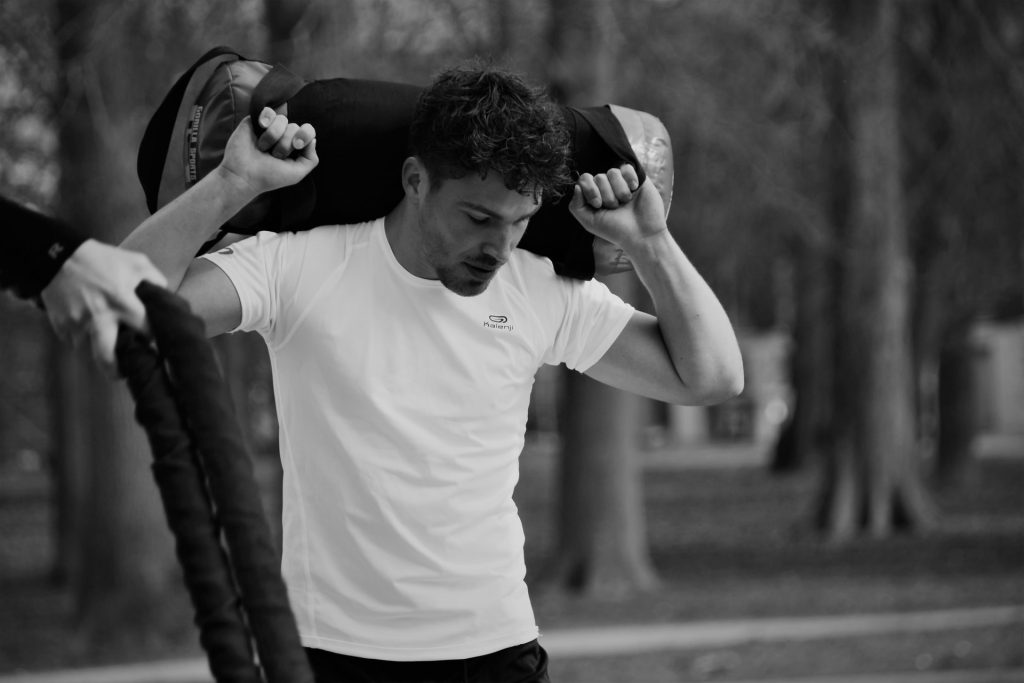
Many Swedish men who were physically fit when they did their military service were able to avoid being hospitalised when they became infected with COVID up to 50 years later.
The results of the study by University of Gothenburg researchers are now available in the BMJ Open.
Sweden has a system of military conscription for its citizens, which it reinstated in 2017 and expanded to include women. The study drew on the Swedish Conscription Register, which contains data on over 1.5 million young Swedish men who began their military service in the years 1969–2005. Nearly all of these men then underwent both a bicycle test and a strength test. In spring 2020, some 2500 of the men included in the Conscription Register were hospitalised with COVID.
The men were divided into three groups based on their results in the fitness and strength tests, and their data were merged with three other Swedish registers: the National Inpatient Register (IPR, also known as the Hospital Discharge Register), Intensive Care Register, and Cause of Death Register. Analysis showed a clear link between fitness and strength in youth and the risk COVID hospitalisation 15–50 years after conscription.
Lead author Agnes af Geijerstam, PhD Student, University of Gothenburg’s Sahlgrenska Academy said, “At the population level, we can see that both good fitness and good muscle strength in the late teens are protective factors for severe COVID. For those with good fitness at the time of conscription, the risk of dying in spring 2020 was half as high as for the least fit. For those whose strength was good back then, too, we see a similar protective effect.”
However, since the oldest men in the study had not reached age 70, COVID deaths were uncommon in the study.
“Previous studies have shown that obesity is a risk factor for severe COVID. But we see that good fitness and strength are protective factors for everyone, including men with overweight or obesity,” said Professor Lauren Lissner, senior coauthor of the study.
Moreover, the study showed a link between the men’s height to the risk of COVID-19 infection.
“The taller the men were, the greater their risk of needing advanced care when they had gotten COVID; but per centimeter this increase in risk is very small. Also, unlike fitness and strength, there is no way to influence our height” af Geijerstam says.
Many studies have already demonstrated the protective effect of good physical fitness in numerous medical conditions, including infections. It has been established that physical activity strengthens the immune system and reduces inflammation propensity. Fitness during adolescence is also likely to be associated with active and otherwise healthy lifestyles throughout adult life.
“It’s interesting to see that the high fitness and strength levels those men had so many years ago can be linked to protection against severe COVID. Today, young people are becoming ever more sedentary, and that means there’s a risk of major problems arising in the long term — including a reduced resistance to future viral pandemics. Children and adolescents must get ample scope to move around,” af Geijerstam said.
Journal information: af Geijerstam, A., et al. (2021) Fitness, strength and severity of COVID-19: a prospective register study of 1 559 187 Swedish conscripts. BMJ Open. doi.org/10.1136/bmjopen-2021-051316.
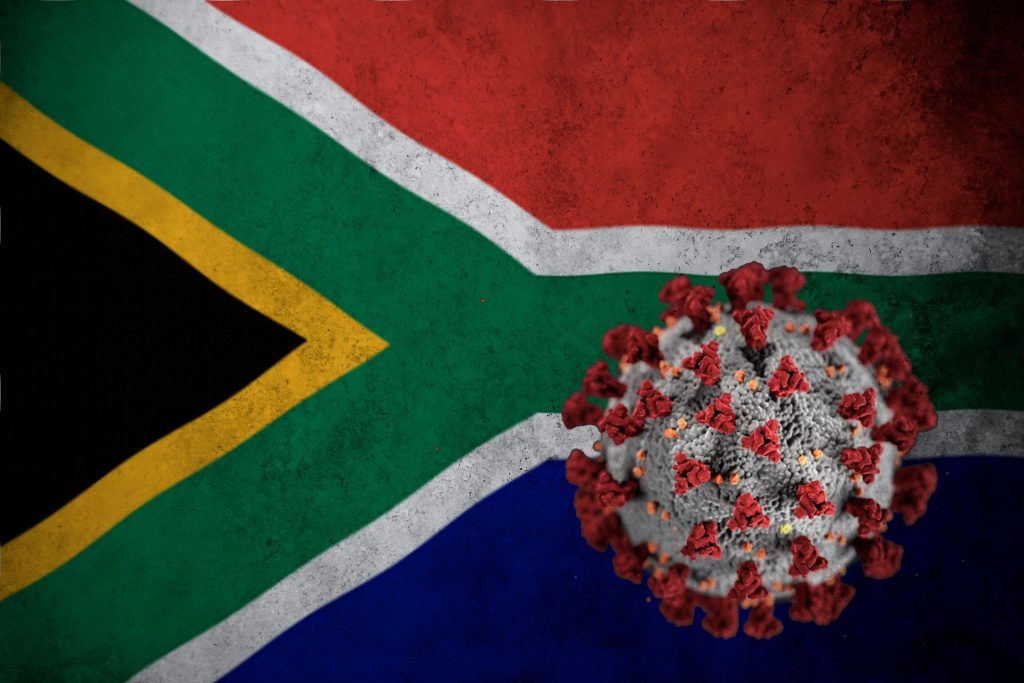
While COVID infection rates in Gauteng remain high, Western Cape is now firmly in a third wave, with an average of 1969 new cases a day. The healthcare system there has been monitoring the situation and preparing for the expected surge in cases.
“We are in a steep third wave, driven by the Delta variant and urge everyone to adhere strictly to protective behaviours, as a key drive to contain it. We anticipate that the third wave could be as high as the second wave. We await revised modelling from the SACMC to re-calibrate our response,” said head of health Dr Keith Cloete. Data on cases, healthcare capacity and details of the Western Cape’s responses were made available on the SA Coronavirus Portal.
In the Western Cape, the reproductive number has been over one for the past two months and is currently sitting at approximately 1.2, meaning an acceleration of new cases. The test positivity rate is at about 32%.
The public and private sector are using around two-thirds of the oxygen production capacity of Afrox’s plant. The level 4 restrictions with their accompanying alcohol ban saw a significant drop in week-on-week trauma presentations (~25%) and weekend trauma burden (~33% drop). This comes even with the context typical end of month increase as well as expected remaining alcohol stock, demonstrating the ban’s effectiveness.
The modelling referred to by Dr Cloete currently shows a high of ~500 daily admissions by 17 July, however an updated model is awaited. Public sector COVID bed capacity is being increased by converting beds and opening field hospitals, with a planned capacity of 2300 beds.
About 48.5% and 10.4% of the Western Cape population aged 60+ and 50-59 respectively have been vaccinated so far. Meanwhile, in a media briefing on Friday, Acting Health Minister Mmamoloko Kubayi-Ngubane announced that COVID vaccine registration for South Africans between the ages of 35-49 will open on July 15, with vaccinations for this age group planned to commence on August 1.
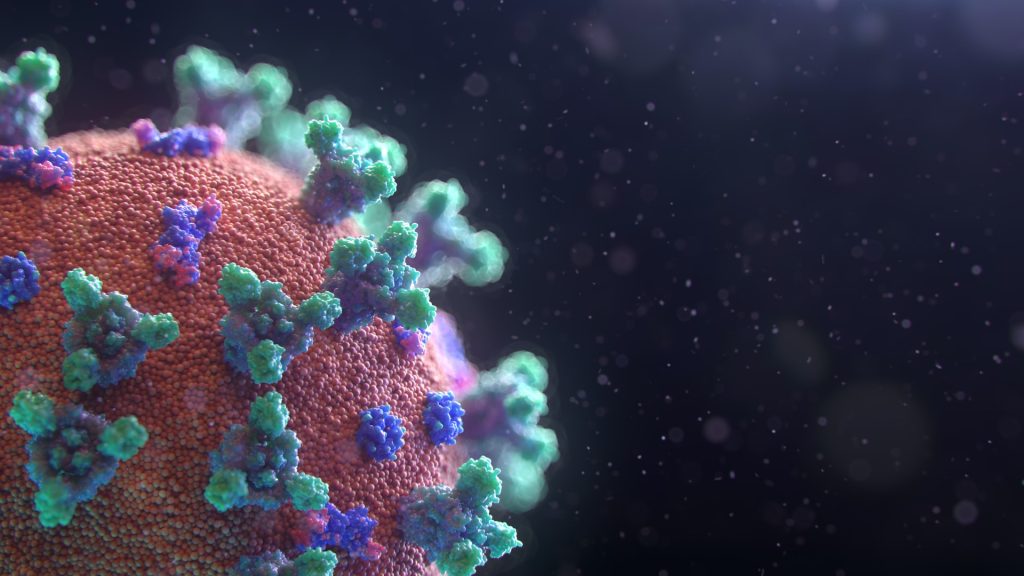
SARS-CoV-2 virus. Source: Fusion Medical Animation on Unsplash
For most of 2020, the notion that SARS-CoV-2 may have originated in a lab in Wuhan, China, was regarded as a debunked conspiracy theory, only embraced by some conservative media supportive of President Donald Trump. But in early 2021 that all changed, and today most outlets across the political spectrum agree that the ‘lab leak’ scenario deserves serious investigation.
An investigation by The BMJ uncovered a concerted campaign by researchers with funding on pandemic-potential virus research to label ‘lab leak’ scenarios as a conspiracy, effectively stifling journalism and investigation into the topic for over a year. One of the leaders of this was Peter Daszak, president of EcoHealth Alliance, a non-profit organisation which received millions in grants for pandemic preparedness research. EcoHealth Alliance subsequently subcontracted work out to the Wuhan laboratories.
Almost from the outset of the pandemic, a February 2020 statement in the Lancet coauthored by Daszak effectively ended the debate. “We stand together to strongly condemn conspiracy theories suggesting that covid-19 does not have a natural origin.”
“It’s become a label you pin on something you don’t agree with,” said Nicholas Wade, a science writer who has worked at Nature, Science, and the New York Times. “It’s ridiculous, because the lab escape scenario invokes an accident, which is the opposite of a conspiracy.”
But hostility to the scenario continued to grow. Filippa Lentzos, codirector of the Centre for Science and Security Studies at King’s College, London, told the Wall Street Journal, “Some of the scientists in this area very quickly closed ranks.” She added, “There were people that did not talk about this, because they feared for their careers. They feared for their grants.”
Daszak wrote an essay for the Guardian in June 2020 attacking the former head of MI6 for saying that the pandemic could have “started as an accident,” and continued to receive support from coauthors of the letter. But Daszak’s role in drawing up the statement in the Lancet was revealed in November 2020 in emails obtained through freedom of information requests.
“Please note that this statement will not have EcoHealth Alliance logo on it and will not be identifiable as coming from any one organization or person,” wrote Daszak in a February email, while sending around a draft of the statement for signatories. He also considered omitting his name from the statement to reduce potential negative exposure. A number of the 27 co-signatories omitted reporting their ties to EcoHealth Alliance.
Richard Ebright, professor of molecular biology at Rutgers University in New Jersey and a biosafety expert, considered scientific journal to be complicit in helping to clamp down on talk of a lab leak. “That means Nature, Science, and the Lancet,” he said. Along with dozens of other academics, he has been pushing back against the conspiracy theory labelling of the lab leak scenario.
“It’s very clear at this time that the term ‘conspiracy theory’ is a useful term for defaming an idea you disagree with,” said Ebright, referring to journalists and scientists making use of the term to attack others. “They have been successful until recently in selling that narrative to many in the media.”
Daszak enjoyed more support after then-President Trump cancelled EcoHealth Alliance’s National Institutes of Health funding, and the lab leak scenario remained buried for most of the year. It only resurfaced when a January 2021 New York magazine published an article detailing a possible lab leak scenario, in the face of stiff criticism. The tide began to turn when the World Health Organization investigation (which included Daszak) produced a report which attracted criticism for effectively ruling out the lab leak scenario in the face of almost a complete lack of evidence, such only being allowed a few hours’ worth of supervised access to the Wuhan labs. When Donald Trump lost the Presidential office, the criticism suddenly lost its greatest means for shutting down challenges — its mere association with its most widely-known and disliked proponent.
Citing an intelligence report, the Wall Street Journal, recently reported that three Wuhan Institute of Virology researchers were admitted to hospital in November 2019. When President Joe Biden ordered an investigation into the scenario, it marked a slow turn-around in media coverage. Many outlets started backtracking their previously publicised viewpoints or adding qualifying statements, justifying them as simply a matter of tracking a “scientific consensus” which, they say, has now changed. Vox posted an erratum noting, “Since this piece was originally published in March 2020, scientific consensus has shifted.”
In recent weeks, a number of high profile scientists who once denigrated the idea that the virus could have come from a lab have made small steps into demanding an open investigation of the pandemic’s origin.
In a recent interview, NIH director Francis Collins said, “The Chinese government should be on notice that we have to have answers to questions that have not been answered about those people who got sick in November who worked in the lab and about those lab notebooks that have not been examined.” He added, “If they really want to be exonerated from this claim of culpability, then they have got to be transparent.”
It is worth noting that searches with phrases like “conspiracy theory”, “lab leak” and “Wuhan” do not turn up any relevant hits on The BMJ website, other than articles published this year which discuss the lab leak scenario seriously and credibly, or an article which discusses the more outlandish viral disinformation typical of the COVID pandemic typically seen in social media. Nor are there any articles with “Daszak” as an author.
SARS-CoV-2 viruses (yellow) on an infected cell. Source: NIAID
Researchers studying COVID patients have uncovered a metabolic pathway linked to immune responses only in male patients, a group known to be more likely to suffer severe cases and die of the disease.
Male COVID patients were more likely than female patients or healthy control subjects to have elevated levels of kynurenic acid, a product of amino acid metabolism, according to the study. High levels of kynurenic acid have been linked to several diseases, such as schizophrenia and HIV-related diseases.
They found that male patients with severe COVID cases were also more likely to have a high ratio of kynurenic acid to kynurenine, a byproduct of the amino acid L-tryptophan which is used to create the nutrient niacin.
“We know that men are at higher risk than women of contracting severe cases of COVID and that sex differences in the body’s immune responses present a compelling explanation for this phenomenon,” said Caroline Johnson, an assistant professor of epidemiology at Yale School of Public Health and senior author of the study. “We also know that immune responses are regulated in part by metabolites, and so these new findings offer a key window into the mechanisms underlying how this disease affects female and male patients differently.”
The team studied blood samples drawn from 22 female and 17 male patients at Yale New Haven Hospital after confirmation of COVID infection. They then compared these samples with samples from 20 uninfected health care workers.
The researchers positively identified 75 metabolites, which are molecular products of digestion and cellular processes. After adjusting for age, body-mass index, sex, and other factors, the researchers identified 17 metabolites that were associated with COVID infection. Further analysis showed the strong relationship between high levels of kynurenic acid as well as high ratios of kynurenic acid to kynurenine in the male immune response and worse patient outcomes.
“Such sex-specific pathways provide major clues about how this disease infects and sickens individuals,” Prof Johnson said. “We can use this knowledge to create more effective treatments for this terrible disease and similar diseases.”
Four months after selling off one million AstraZeneca vaccine doses, South Africa is considering buying more of them to contain the spread of the Delta variant.
The Delta variant is much more transmissible than previous strains, including the beta variant. However, the government presented data on 26 June showing a 70% efficacy against it with the AstraZeneca vaccine. The vaccine, which of June 2021 comprises over 90% of all doses supplied through COVAX globally, will have a significant impact as the Delta variants spread.
The government may approach the Serum Institute of India for the shots, deputy health minister Joe Phaahla told lawmakers on Wednesday. This would add to supplies as the health regulator considers approving Russia’s Sputnik V and China’s Sinovac inoculations, he said, adding that he hoped to secure these doses from India’s Serum Institute.
In March, also facing expiry on the doses, the government sold off its doses to the African Union after research showed the then dominant Beta variant was resistant.
In February, University of the Witwatersrand Professor of Vaccinology Shabir Madhi said the AstraZeneca vaccine had a roughly 20% efficacy in preventing mild disease from the Beta variant.
“We don’t want to go back to the original argument of whether its limited efficacy on the Beta variant was correct, to dispose of it, to sell it to other countries,” Phaahla said. “With the current information that it is quite efficacious when it comes to the Delta, it is already registered.”
A study by the University of Oxford,demonstrates that AstraZeneca’s COVID vaccine, will provide protection against the Delta and Kappa variants; formerly the ‘Indian’ variants. The study investigated the ability of monoclonal antibodies from recovered or vaccinated people to neutralise the Delta and Kappa variants.
Neutralisation against the Delta and Kappa variants was comparable with that seen against the Alpha and Gamma variants, with no evidence of widespread antibody escape as seen with the Beta variant. These results indicate that the vaccines could be effective in real-world settings. The Phase III COV002 trial in the UK showed vaccine efficacy of 70.4% at preventing symptomatic COVID against the Alpha variant, when measured more than 14 days after a second dose.
Furthermore, a recent analysis by Public Health England showed early evidence of real-world data that two doses of AstraZeneca’s COVID vaccine are effective against the Delta variant, with similar levels of protection achieved as those seen against the Alpha variant.
A UK ambulance worker who contracted COVID and was in an induced coma for over a month says his family is psychologically scarred by what happened.
Paul Clements, 59, had major organ failure as well as several infections, leaving him in intensive care at Bristol Royal Infirmary. Doctors told him he was lucky to survive the 33-day induced coma. Speaking to the BBC, Mr Clements said that the time passed “in the blink of an eye”.
“The last thing I remember is being handed a cup of tea by my daughter,” said Mr Clements. He was agitated, complaining that the tea tasted awful, prompting concern from his family.
“I put it down, and then I blinked. I then found myself lying on a bed looking at a nurse,” he recalled. “I told her that I’d put my tea down somewhere.”
He said the nurse laughed in response, and then explained to him that he “had been unconscious for 33 days.”
On 19 March 2020, Mr Celements began to have COVID symptoms. Five days later, he was rushed into hospital.
“They tried three times to wake me up. The doctors told me I had pneumonia, a chest infection, an abdominal infection, kidney failure and liver failure – all wrapped up in COVID.” Up to a third of hospitalised COVID patients in the UK’s first wave had ‘do not resuscitate’ orders, recorded on or just before their admission.
He says that “Trying to get my head around that was almost impossible. Even now they have no idea why I survived.”
At the time, his family weren’t allowed to visit the Bristol Royal Infirmary where he was due to COVID restrictions.
“It was hell, absolute hell,” said Paul’s wife, Kerri. “Every time the phone rings you’re on edge thinking this is a call we don’t want. Listening out for his breathing every night, if he coughs I’m on edge, if he says he doesn’t feel well we’re back on edge.”
Mr Clements spent a total of three months in hospital before being leaving the ward to applause by the staff.
He returned to his work as an emergency care assistant six months later, with South Western Ambulance Service where has been for the past 38 years. He acknowledges the close call he had. “Unfortunately in my job I’ve put people in body bags and taken them to the mortuary,” he said.
“I spent some time in hospital trying to get my head around it and realised that could’ve been me, and the reality of it is so scary.”
A new meta-analysis shows that, contrary to some previous research, being male and increasing body mass index (BMI) are not associated with increased mortality in COVID patients in intensive care units (ICU).
However, the study by Dr Bruce Biccard (Groote Schuur Hospital and University of Cape Town) and colleagues found that there were a wide range of factors linked to death from COVID in ICU. An August 2020 study of ICU COVID patients in Europe showed an association for age but not male sex.
The meta-analysis, which includes 58 studies and 44 305 patients published in the journal Anaesthesia, showed that, compared to patients without these risk factors, ICU COVID patients had a 40% greater mortality risk with smoking history, 54% higher with hypertension, 41% higher with diabetes, 75% higher with respiratory disease, around twice as high with cardiovascular disease or cancer, and 2.4 times higher with kidney disease. Other factors associated with an increased risk of death were the severity of organ failure, needing mechanical ventilation (a factor of 2.5 over non-ICU), as well as increased white blood cell counts and other inflammation markers.
The authors believe that age may effectively represent frailty in COVID patients which impacts on a person’s physiological reserve to overcome a critical illness. Hypertension, smoking and respiratory disease may be linked by their association with angiotensin-converting enzyme (ACE) receptors in the body, since there is increased expression of ACE-2 receptors amongst smokers and patients with chronic obstructive pulmonary disease. The link between hypertension and cardiovascular disease and increased mortality may be associated with the risk of cardiac injury which occurs with the systemic inflammatory response to COVID infection.
The authors said: “The findings confirm the association between diabetes, cardiovascular and respiratory comorbidities with mortality in COVID patients. However, the reported associations between male sex and increasing BMI worsening outcomes are not supported by this meta-analysis of patients admitted to ICU. This meta-analysis provides a large sample size with respect to these risk factors and is a robust estimate of risk associated with male sex and BMI.”
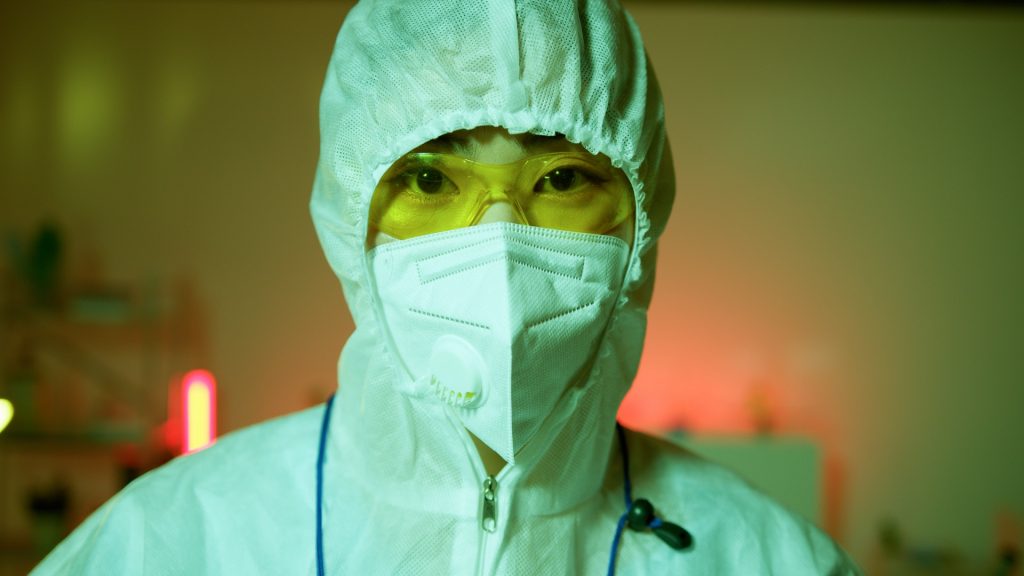
Upgrading face masks to filtering face piece (FFP3) respirators for healthcare workers on COVID wards produced a dramatic reduction in hospital acquired SARS-CoV-2 infections, according to a preliminary study published in the BMJ.
For most of 2020, Cambridge University Hospitals NHS Foundation Trust followed national guidance that healthcare workers should use fluid resistant surgical masks as respiratory protective equipment unless aerosol generating procedures (AGPs) were being carried out when FFP3 respirators were advised.
From the pandemic’s outset, the trust has been regularly screening its healthcare workers for SARS-CoV-2 even when asymptomatic. They found that healthcare workers on “red” COVID wards had a greater infection risk than staff on “green” wards, even with protective equipment. So in December 2020 the trust implemented a change in policy so that staff on red wards wore FFP3 masks instead of fluid resistant surgical masks. The FFP3 standard requires that masks filter 99% of all particles measuring up to 0.6 μm.
The study was carried out at Addenbrooke’s Hospital in Cambridge. Before the change in policy, cases among staff were higher on COVID versus non-COVID wards in seven out of eight weeks analysed. Following the change in protective equipment the incidence of infection on the two types of ward was similar. Of 609 positive results over the eight week study period, 169 were included in the study. Healthcare workers who were not ward based or worked between different wards were excluded, as were, non-clinical staff, and staff working in critical care areas.
The researchers developed a simple mathematical model to quantify the risk of infection for healthcare workers. This found that the risk of direct infection from working on a red ward prior to the policy change was 47 times greater than the corresponding risk from working on a green ward. While almost all cases on green wards were likely caused by community-acquired infection, cases on red wards at the beginning the study period were attributed mainly to direct, ward-based exposure.
The model also suggested that the introduction of FFP3 respirators provided 100% protection (confidence interval 31.3%, 100%) protection against direct, ward based covid infection.
Study author Chris Illingworth, from the MRC Biostatistics Unit at the University of Cambridge, said: “Before the face masks were upgraded, the majority of infections among healthcare workers on the COVID wards were likely because of direct exposure to patients with COVID. Once FFP3 respirators were introduced, the number of cases attributed to exposure on COVID wards dropped dramatically—in fact, our model suggests that FFP3 respirators may have cut ward based infection to zero.”
Michael Weekes from the department of medicine at the University of Cambridge added: “Our data suggest there’s an urgent need to look at the PPE offered to healthcare workers on the frontline. Upgrading the equipment so that FFP3 masks are offered to all healthcare workers caring for patients with COVID could reduce the number of infections, keep more hospital staff safe, and remove some of the burden on already stretched healthcare services caused by absence of key staff because of illness.”
The COVID pandemic has placed a great strain on healthcare resources, with a number of indirect impacts ranging from increased incidence of heart attacks to decreased cancer screenings, but also increased the risk of complications and death among trauma patients with COVID.
The study revealed that the risk of death for COVID-positive patients in trauma centres across the US state of Pennsylvania was six times higher than non-COVID-negative patients with similar injuries. Complication risk in COVID-positive patients was doubled for venous thromboembolism, renal failure, need for intubation, and unplanned ICU admission, and was five times greater for pulmonary complications. In patients over age 65, the risks were even higher. The findings were recently published in The Journal of Trauma and Acute Surgery.
“COVID had the largest impact on patients whose injuries were relatively minor, and who we would have otherwise expected to do well,” said lead author Elinore Kaufman, MD, MSHP, an assistant professor in the Division of Trauma, Surgical Critical Care and Emergency Surgery at Penn Medicine. “Our findings underscore how important it is for hospitals to consistently test admitted patients, so that providers can be aware of this additional risk and treat patients with extra care and vigilance.”
Researchers conducted a retrospective study of 15 550 patients admitted to Pennsylvania trauma centers from March 21, 2020, (when non-essential businesses statewide were ordered close) to July 31, 2020. Of the 15 550 patients, 8170 were tested for the virus, and 219 tested positive. During this period, the researchers evaluated length of stay, complications, and overall outcomes for patients who tested positive for COVID, compared to patients who did not have the virus. They found that rates of testing increased over time, from 34% in April 2020 to 56% in July. Centres had a great variability in testing, a median of 56.2% of the time with a range of 0 to 96.4%.
“First, we need to investigate how to best care for these high-risk patients, and establish standard protocols to minimise risks,” said senior author Niels D Martin, MD, chief of Surgical Critical Care and an associate professor in the division of Trauma, Surgical Critical Care and Emergency Surgery. “Second, we need more data on the risks associated with patients who present symptoms of COVID, versus those who are asymptomatic, so we can administer proven treatments appropriately and increase the likelihood of survival with minimal complications.”